A CA glue accelerator (activator) makes cyanoacrylate cure in seconds where it would otherwise stay liquid: gaps, thick beads, fillets and dry workshops. Distributors and OEM buyers usually need to decide three things: pack type (aerosol, pump spray, brush bottle or pen), solvent base and how it is classified for shipping, and whether customers actually need an accelerator or a polyolefin primer. GlueMFG does not list an accelerator SKU today; it is confirmed by inquiry alongside its instant glue range.
Accelerator is a small add-on that changes how a cyanoacrylate range performs in the customer's hands. Sold well, it fixes slow-cure complaints on gap joints and model kits. Sold badly, it causes white haze, brittle joints and aerosol shipping problems. This guide is for importers, distributors and assembly buyers deciding whether to add an accelerator and what to ask before ordering.
When an Accelerator Helps, and When It Does Not
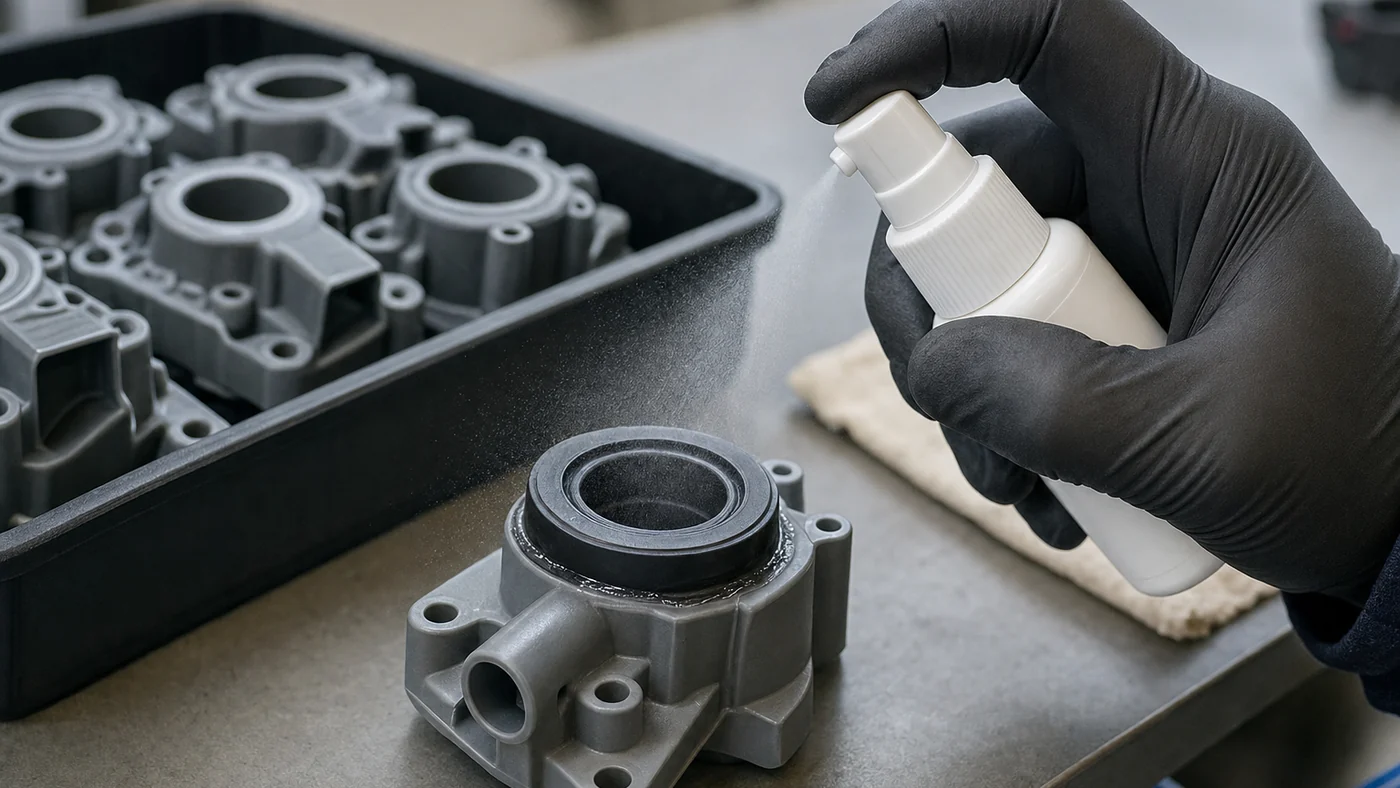
| Situation | Accelerator? | Why |
|---|---|---|
| Gaps, thick beads, fillets | Yes | Cyanoacrylate cures from surface moisture; thick layers stay liquid without help |
| Dry air, cold workshops, acidic woods | Often | Slow cure on surfaces that give little moisture or inhibit cure |
| Fast takt on the line | Sometimes | Faster handling, but test strength and brittleness first |
| Polypropylene, polyethylene, PTFE | No - use a primer | The problem is adhesion, not speed |
| Tight-fit, thin-film joints | Rarely | A thin-grade instant glue already cures in seconds |
For choosing the cyanoacrylate grade itself (thin, medium, gel, rubber-toughened), see cyanoacrylate glue grades for assembly lines.
Do not sell an accelerator as the fix for glue that "will not stick" to polypropylene or polyethylene. Faster cure does not create adhesion on those plastics; the customer needs a polyolefin primer, a different adhesive, or a mechanical fix. Mixing up the two products is a common source of returns.
Accelerator vs Primer: Two Different Products
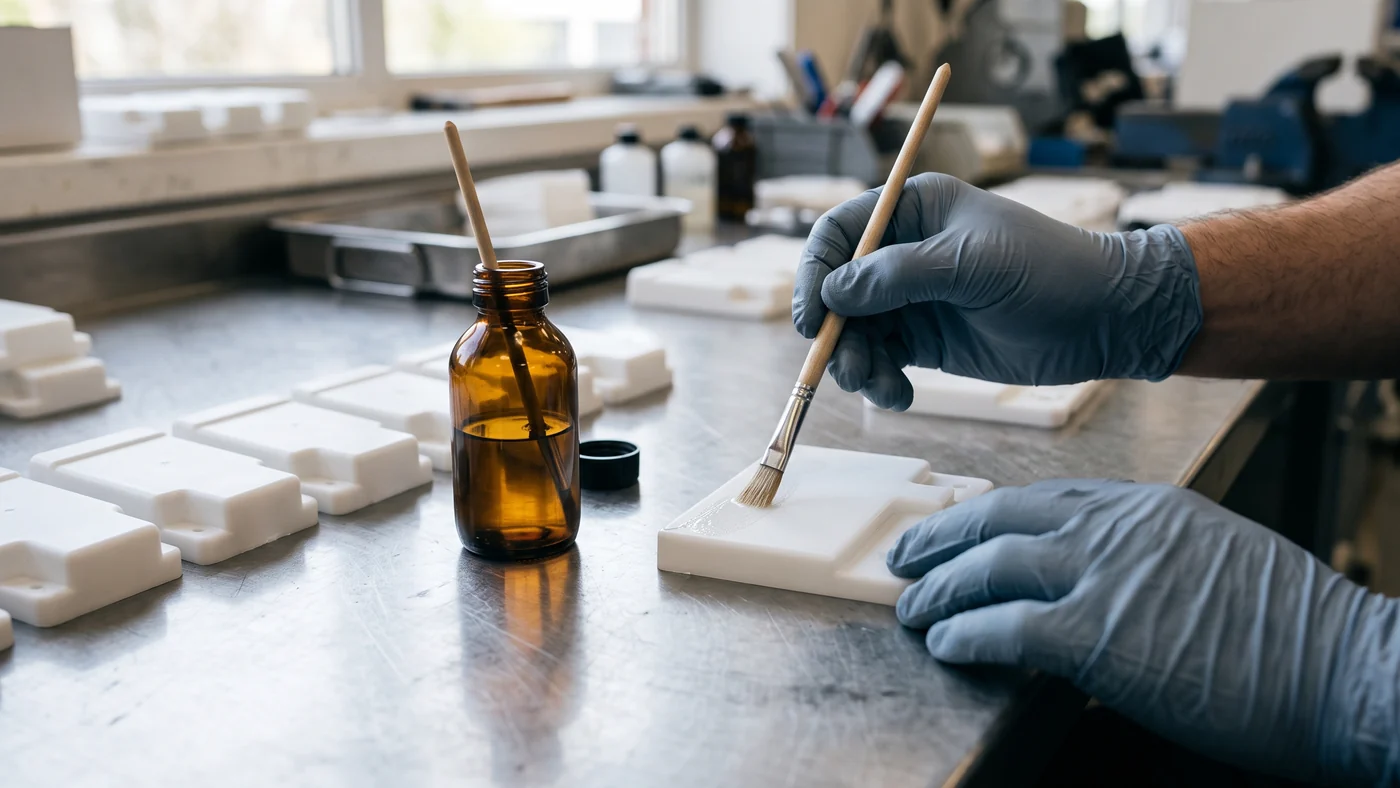
- Accelerator / activator: speeds cure. Applied before or after the glue. Typical packs: aerosol, pump spray, brush bottle, pen.
- Polyolefin primer: makes low-energy plastics bondable with cyanoacrylate. Brushed on and allowed to dry before the glue is applied.
- Labels: name the job on the front of the pack ("cure accelerator" or "plastic primer"), not only the chemistry. Distributors who stock both should keep packs visibly different.
- Kits: some private-label ranges sell glue plus accelerator or glue plus primer as a set. Decide which pairing your customers need before ordering packaging.
Blooming, Brittleness and Application Method
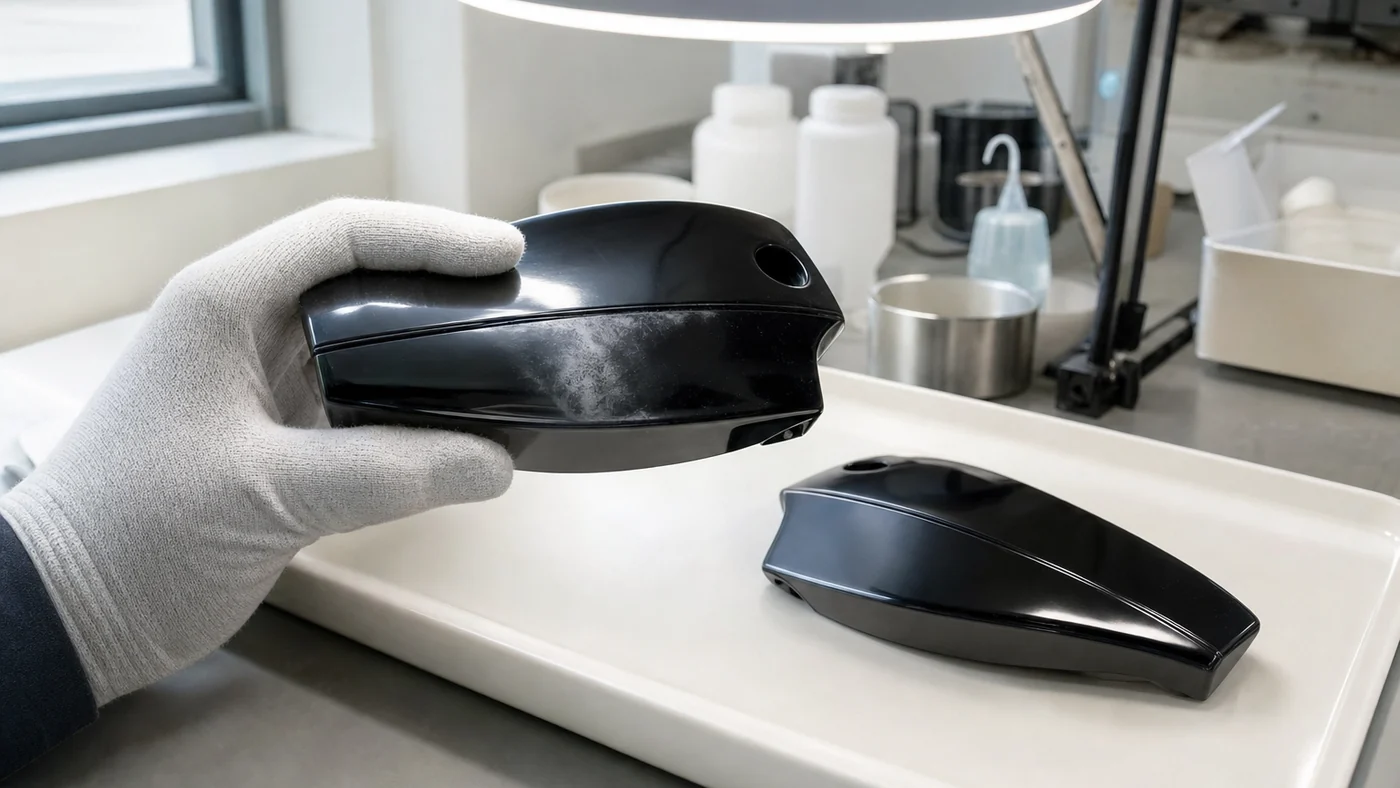
Accelerator changes the look and the mechanics of the bond. Before approving a grade, ask the supplier for:
- Solvent base and flash-off time: how long a pre-applied coat must dry before assembly. Wet solvent trapped in the joint can weaken it.
- Plastics compatibility: some solvent carriers can attack or stress-crack certain plastics such as polycarbonate or acrylic. Ask what was tested.
- Active life on the part: how long a pre-applied surface stays active, which matters when parts wait between stations.
- Blooming behaviour: use less glue and the least accelerator that works; for dark, visible parts, ask about low-bloom glue grades as well.
- Strength comparison: compare accelerated and non-accelerated samples on your parts. See adhesive strength testing for buyers.
Packs, Hazard Labels and Shipping
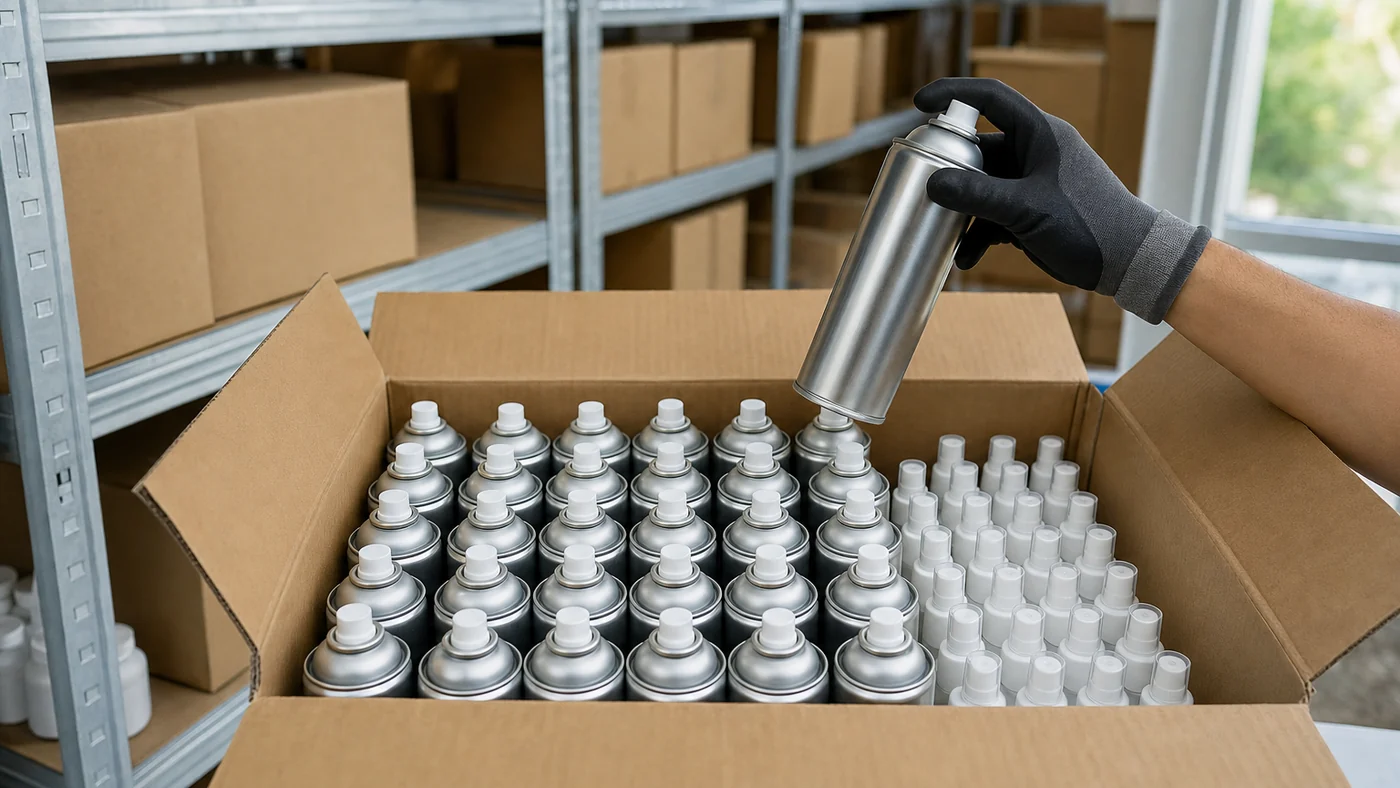
- Aerosol vs pump spray vs brush bottle: aerosols give an even mist but add propellant and stricter transport rules; pump sprays and brush bottles are simpler to ship but easier to over-apply.
- Flammability: many accelerators are solvent-based and flammable. Check SDS Section 2 for labels and Section 14 for transport class before booking sea, air or express. See how to read an adhesive SDS.
- Mixed shipments: if accelerator ships with instant glue, confirm how each item is classified. See super glue sea freight hazard classification.
- Pack sizes by channel: small pens and pump bottles for retail and hobby; larger bottles for production lines. See OEM adhesive packaging options.
- Shelf life and storage: ask for the stated shelf life and keep caps tight; solvent loss changes performance.
RFQ Checklist for CA Accelerator
- Channel (hobby and retail, MRO, assembly line, private label) and the joints customers glue most.
- Accelerator, primer, or both; and the cyanoacrylate grades they will be used with.
- Pack: aerosol, pump spray, brush bottle or pen; size; kit pairing; label languages.
- Requested data: solvent base, flash-off time, active life, plastics tested, effect on strength.
- SDS in your market format, transport classification for the exact pack, stated shelf life.
- Quantity per pack, destination, shipping mode and target price for sample and trial orders.
What GlueMFG Can Support Around This Topic
GLE-034 Industrial adhesive
Listed instant glue on cards for assembly and MRO ranges. Viscosity and cure data confirmed by inquiry.
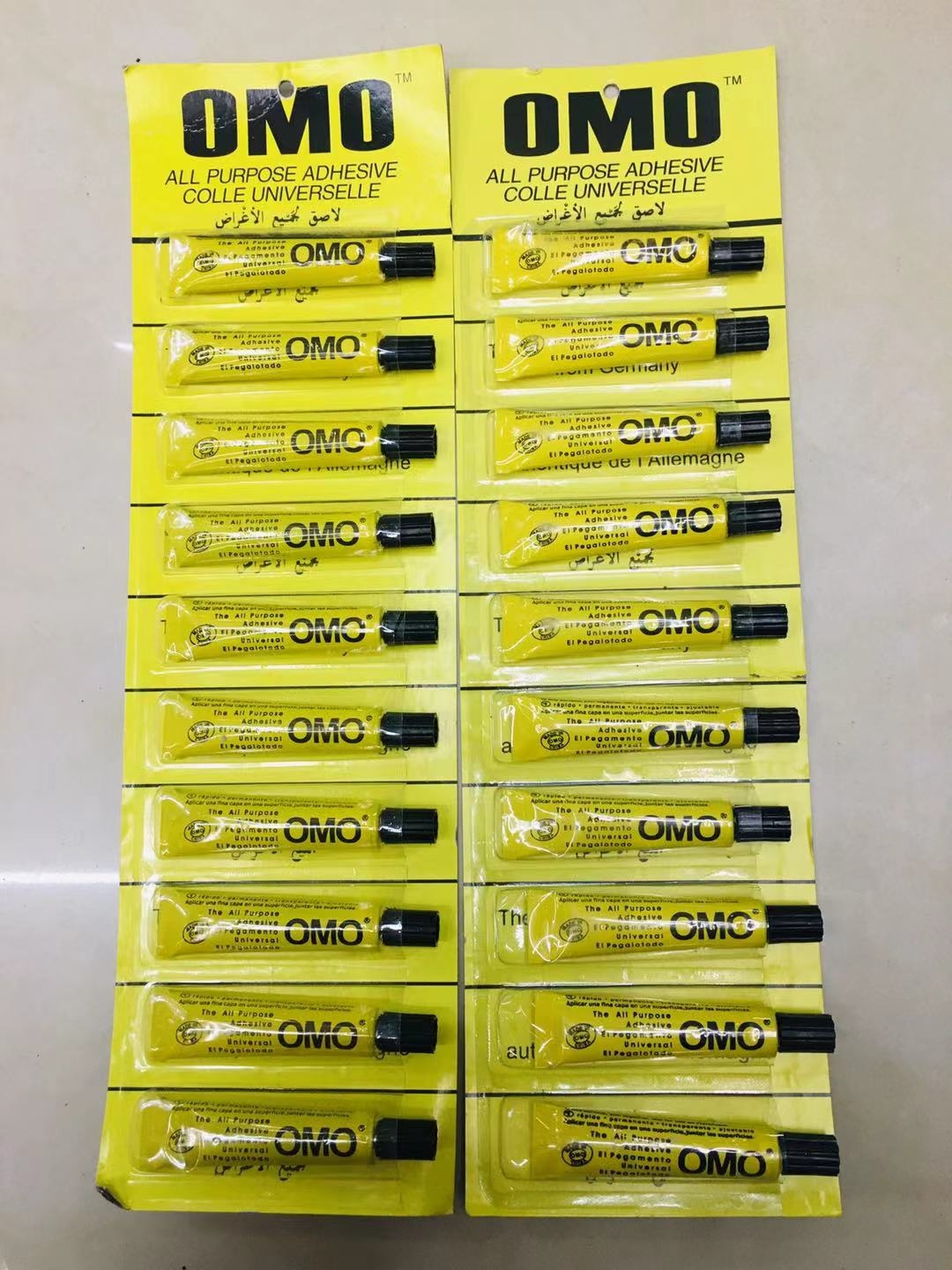
GLE-035 Industrial adhesive
Listed instant glue for distributor and private-label ranges. Pairing with an accelerator confirmed by inquiry.
Accelerator and primer by inquiry
Not listed SKUs. Send pack type, size, markets and quantity; availability, SDS, transport class and MOQ confirmed by inquiry.
Related GlueMFG Resources
- Cyanoacrylate Glue Grades for Assembly Lines
- Super Glue Bulk Packaging
- Super Glue Sea Freight Hazard Classification
- UV Curing Adhesive for OEM and Distributor Buyers
- GlueMFG product catalog
FAQ
What does a CA glue accelerator do?
A cyanoacrylate accelerator, also called an activator, is a thin solvent-based liquid that carries a catalyst onto the joint. Cyanoacrylate normally cures from trace moisture on the surfaces; the accelerator makes that cure start almost immediately, which helps with gaps, thick beads, dry air and fillets that would otherwise stay liquid for minutes.
Is a CA accelerator the same as a primer?
No. An accelerator speeds up cure. A polyolefin primer prepares low-energy plastics such as polypropylene and polyethylene so cyanoacrylate can bond to them at all. They are different products with different instructions, even if both come in small bottles. Stock and label them separately.
Should accelerator be applied before or after the glue?
Both methods are used. Applied to one part before assembly and allowed to flash off, it gives a controlled cure when the parts are joined. Sprayed on after the glue, it cures exposed beads and fillets quickly. Ask the supplier which method the grade was designed for and the stated flash-off time, because wet solvent in the joint can weaken the bond.
Does accelerator make the bond weaker?
It can. Very fast cure can leave a more brittle bond line, and too much accelerator or too much glue can cause white blooming or a crazed surface. Use the least amount that gives the cure speed you need, and compare strength on accelerated and non-accelerated samples before approving the process.
Does GlueMFG sell CA accelerator?
Accelerator and primer are not listed catalog SKUs today. GlueMFG lists industrial instant glues such as GLE-034 and GLE-035 and the wider super glue range. If you need an accelerator or primer to sit next to your cyanoacrylate range, send the pack type, size and markets, and availability, SDS and MOQ will be confirmed by inquiry.