
Leather Glue for Leather Goods and Upholstery Buyers: Contact Cement, Water-Based and Instant Glue
Contact cement, water-based and instant glue by leather job, wrapping and edge work, peel and heat tests.
View Details ->Factory-side notes for comparing adhesive formulas, application scenarios, packaging routes, export documents, and RFQ specifications.
Start with common sourcing scenarios, then compare specifications, packaging options, and export document requirements.

How distributors and private-label buyers compare exposure, chemistry, cartridge vs sausage MOQ, OEM packaging, and RFQ details.
View Details ->Each guide includes an application image, sourcing category, title, short description, and a direct link to the full article.

Contact cement, water-based and instant glue by leather job, wrapping and edge work, peel and heat tests.
View Details ->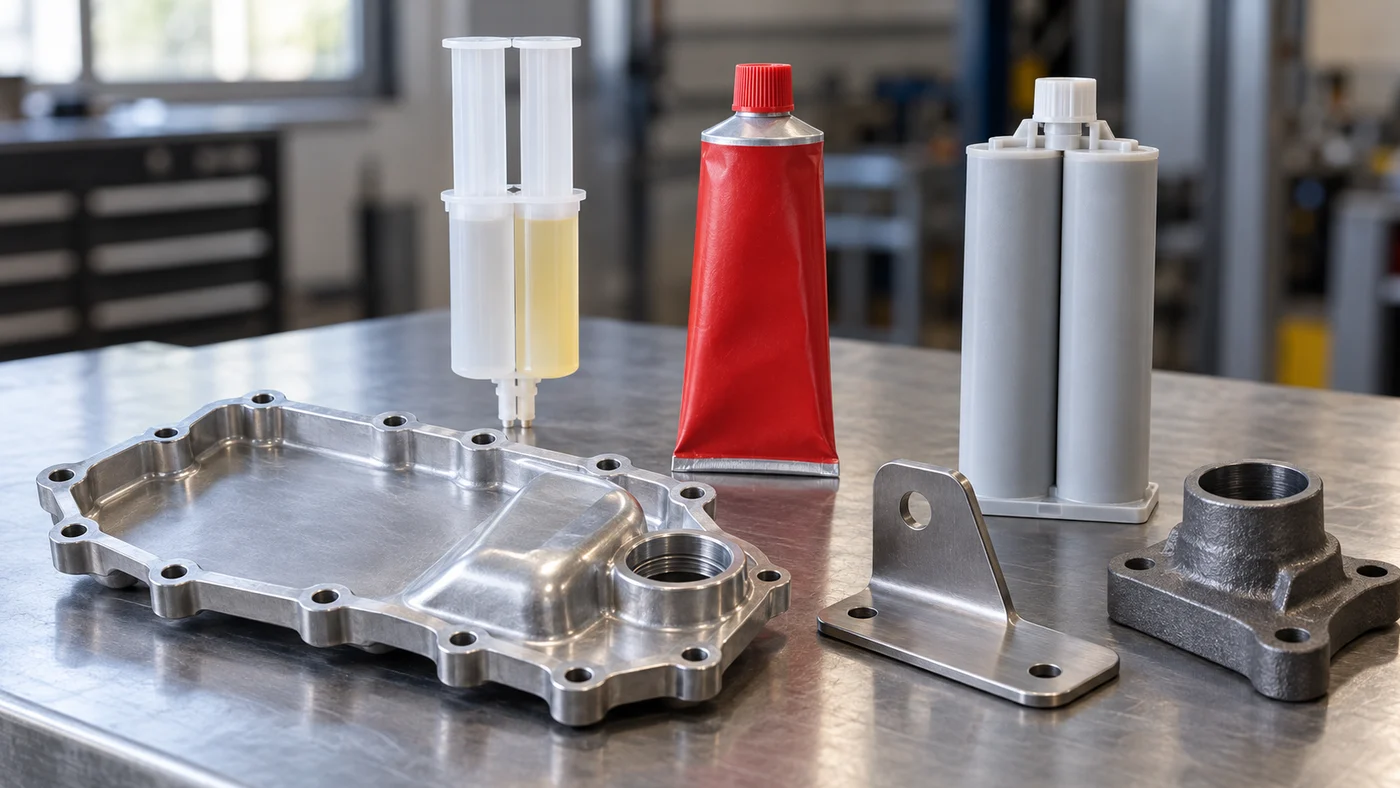
Silicone, gasket makers, epoxy and their heat limits, continuous vs peak temperature and heat ageing tests.
View Details ->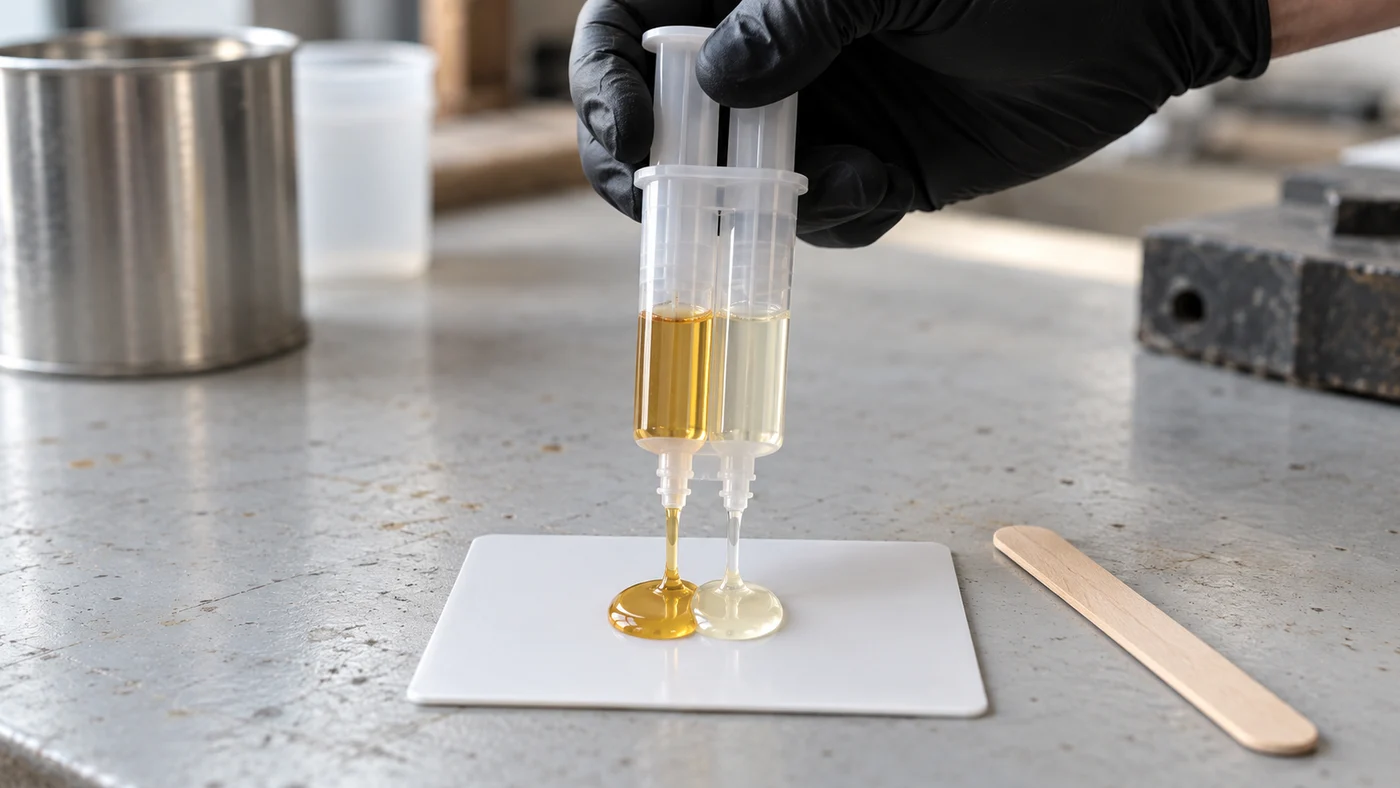
What AB glue means, epoxy vs acrylic AB, syringes and cartridges, mix ratio, cure times and batch QC.
View Details ->
PVA, D3/D4, PU, epoxy and hot melt by joint and exposure, clamping, veneer work and exterior testing.
View Details ->
Identify the metal and finish, prepare the surface, choose epoxy, instant glue or threadlocker, and test.
View Details ->
Clear, tempered and coated glass, glazed ceramic, UV glue, clear epoxy, repair kits and testing.
View Details ->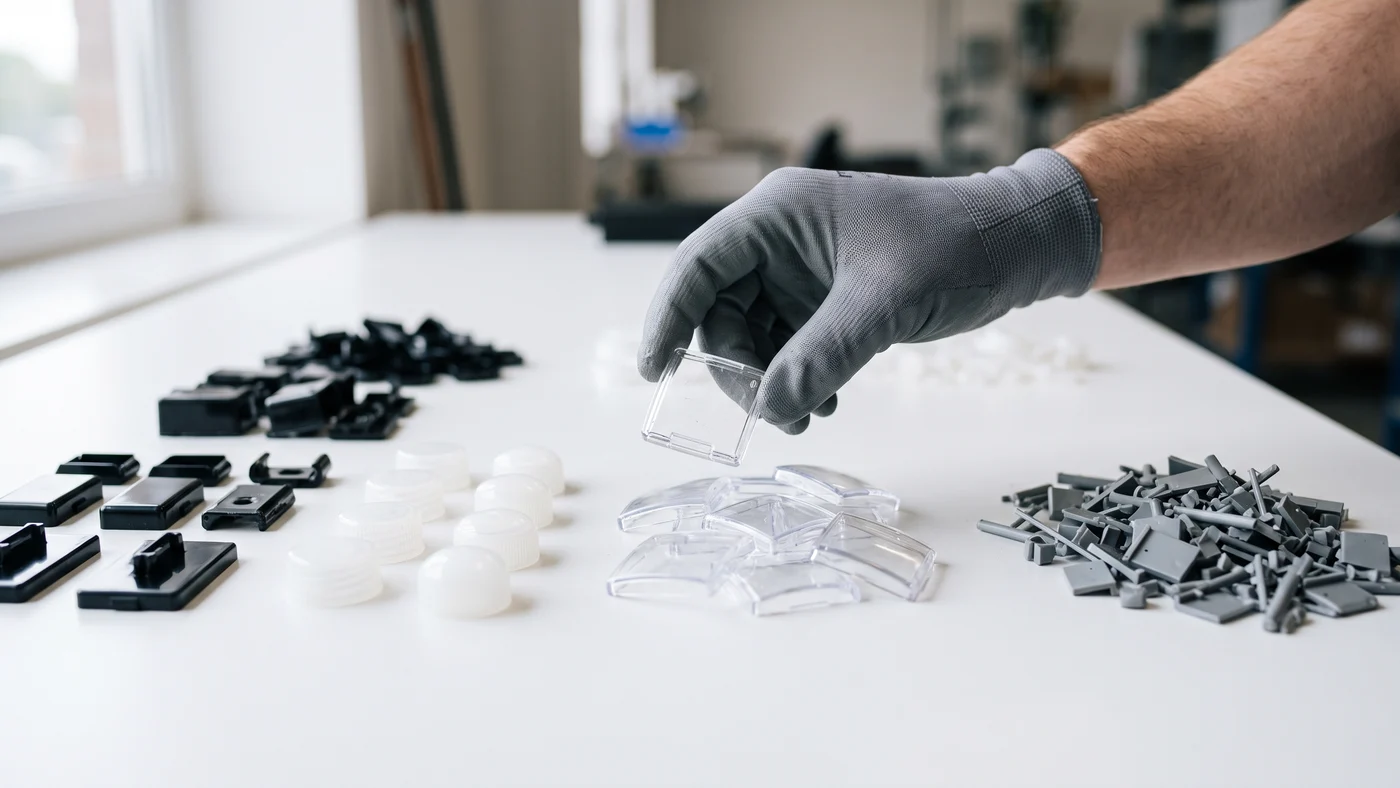
Identify the plastic, choose instant glue, epoxy or solvent cement, PP/PE primers, testing and RFQ.
View Details ->
Define the water exposure, D3/D4 and PU wood glue, epoxy, instant glue, sealants and water tests.
View Details ->
What the 502 name means, card, tube and bottle packs, incoming QC, labels, SDS and shipping.
View Details ->
Open, fixture, clamp and full-cure time by glue type, the conditions that change them, RFQ checklist.
View Details ->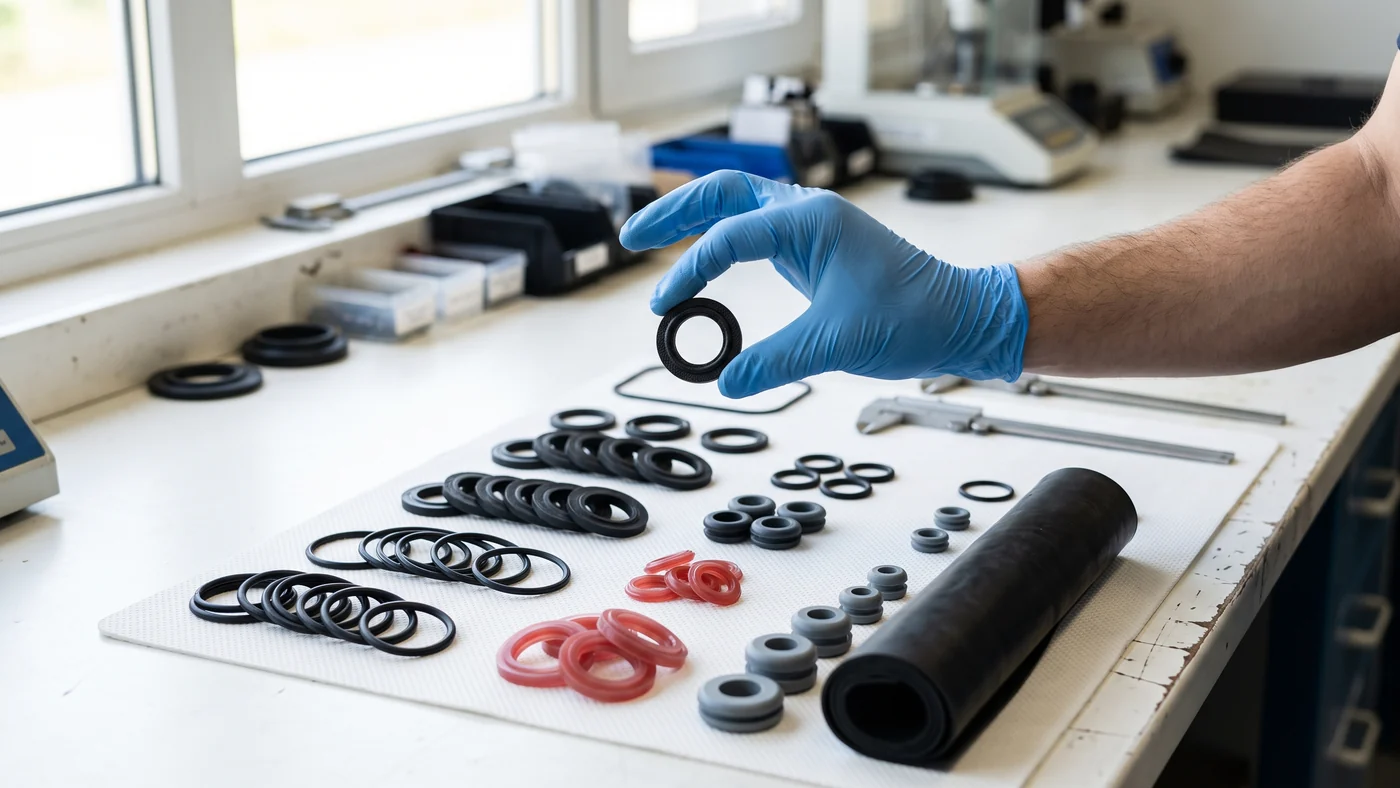
Identify the rubber, instant glue vs contact adhesive, primers for EPDM and silicone, peel testing.
View Details ->
Storage risks by chemistry, shelf-life terms, cold and frost protection, batch codes and rotation.
View Details ->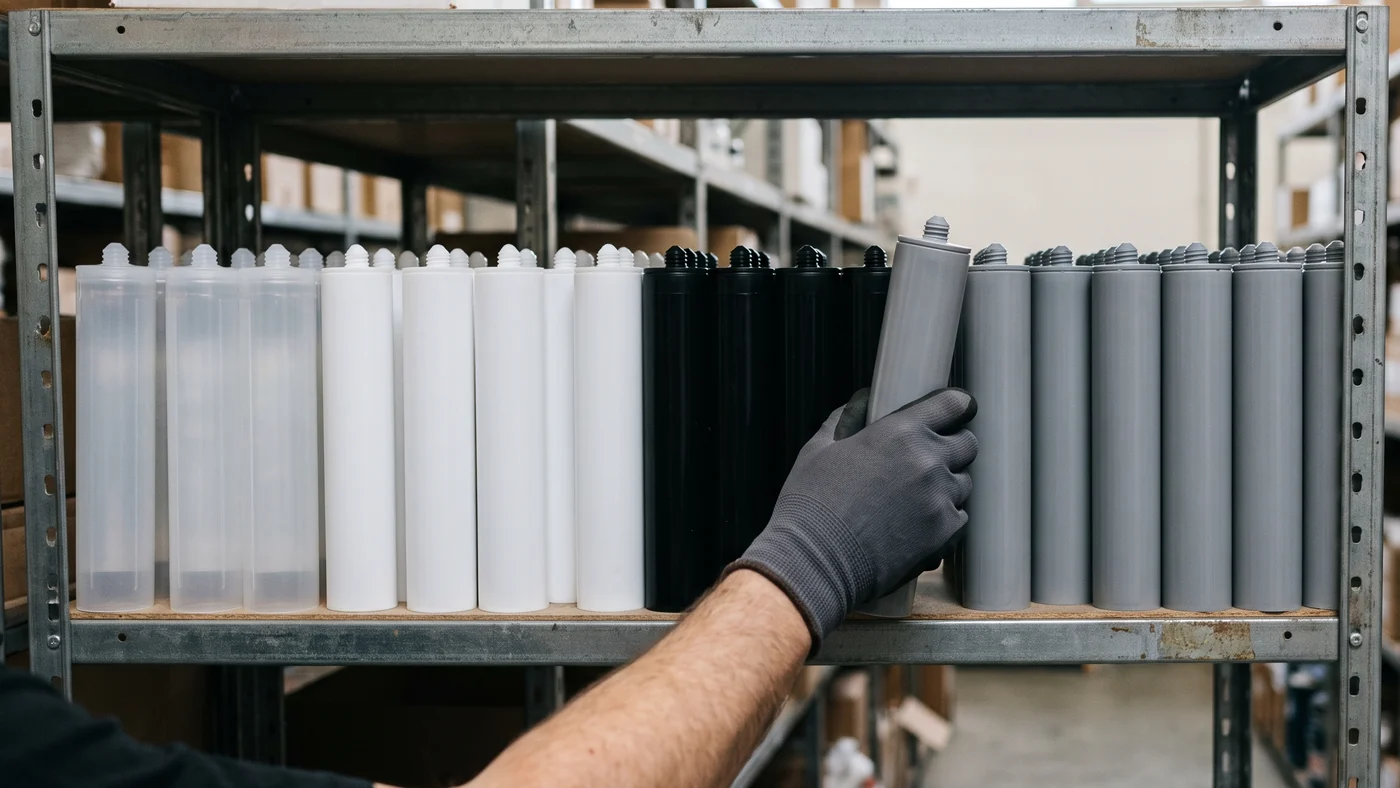
Colour by job, same-base data checks, custom colours and MOQ, cured-sample approval.
View Details ->
VOC content vs emissions, SCAQMD 1168 and GB 33372, water-based vs solvent, reports to request.
View Details ->
Mist vs web patterns, solvent vs water-based, VOC and aerosol shipping, private-label packs.
View Details ->
Bonding vs sealing intent, peel/shear data, one-part vs two-part, packs and RFQ checklist.
View Details ->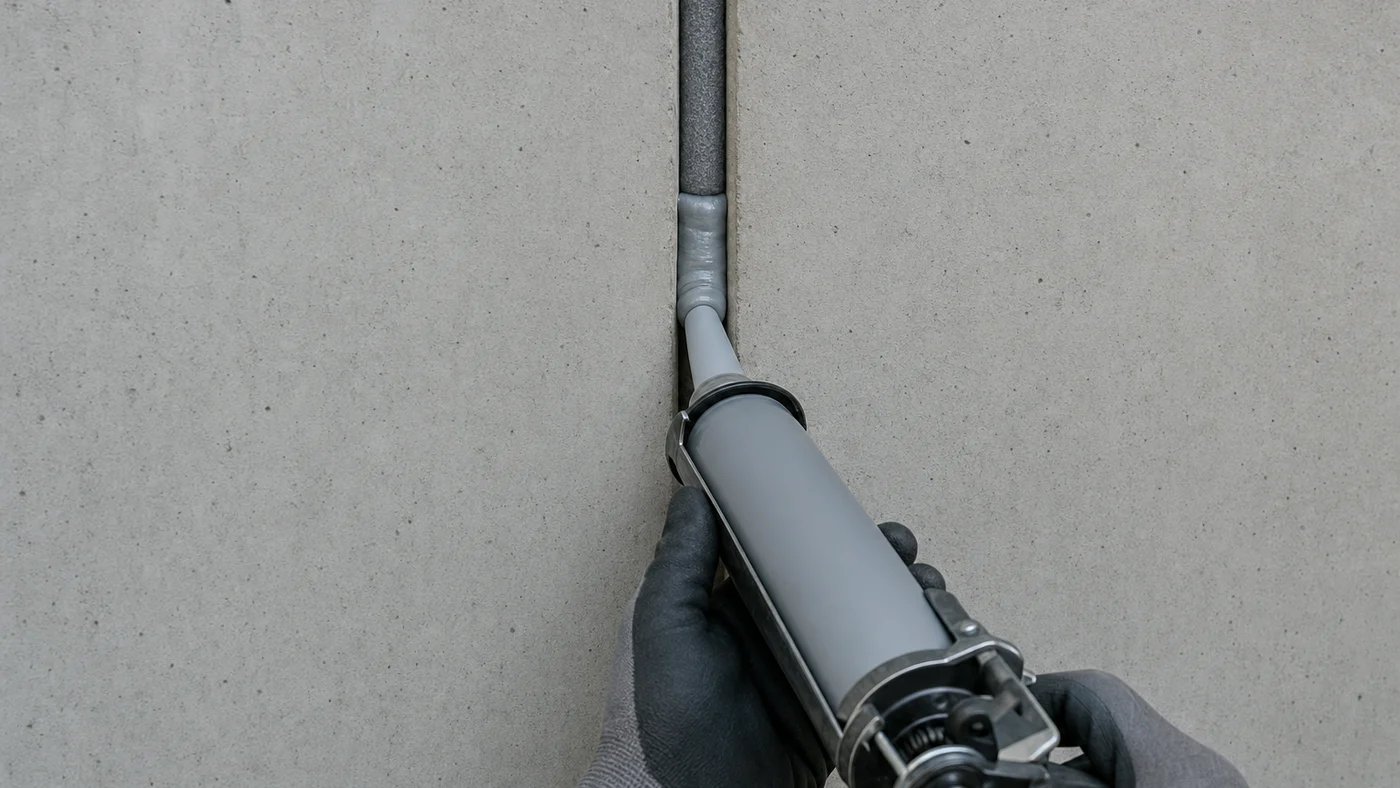
Low-modulus vs high-modulus vs self-levelling PU, moisture cure and primer, isocyanate SDS wording, packs.
View Details ->
Continuous vs peak temperature, Tg, strength at temperature, heat cure, when silicone is the better product.
View Details ->
Glass-to-frame glazing, perimeter weather seal, IGU secondary-seal caveats, neutral vs acetoxy on frames.
View Details ->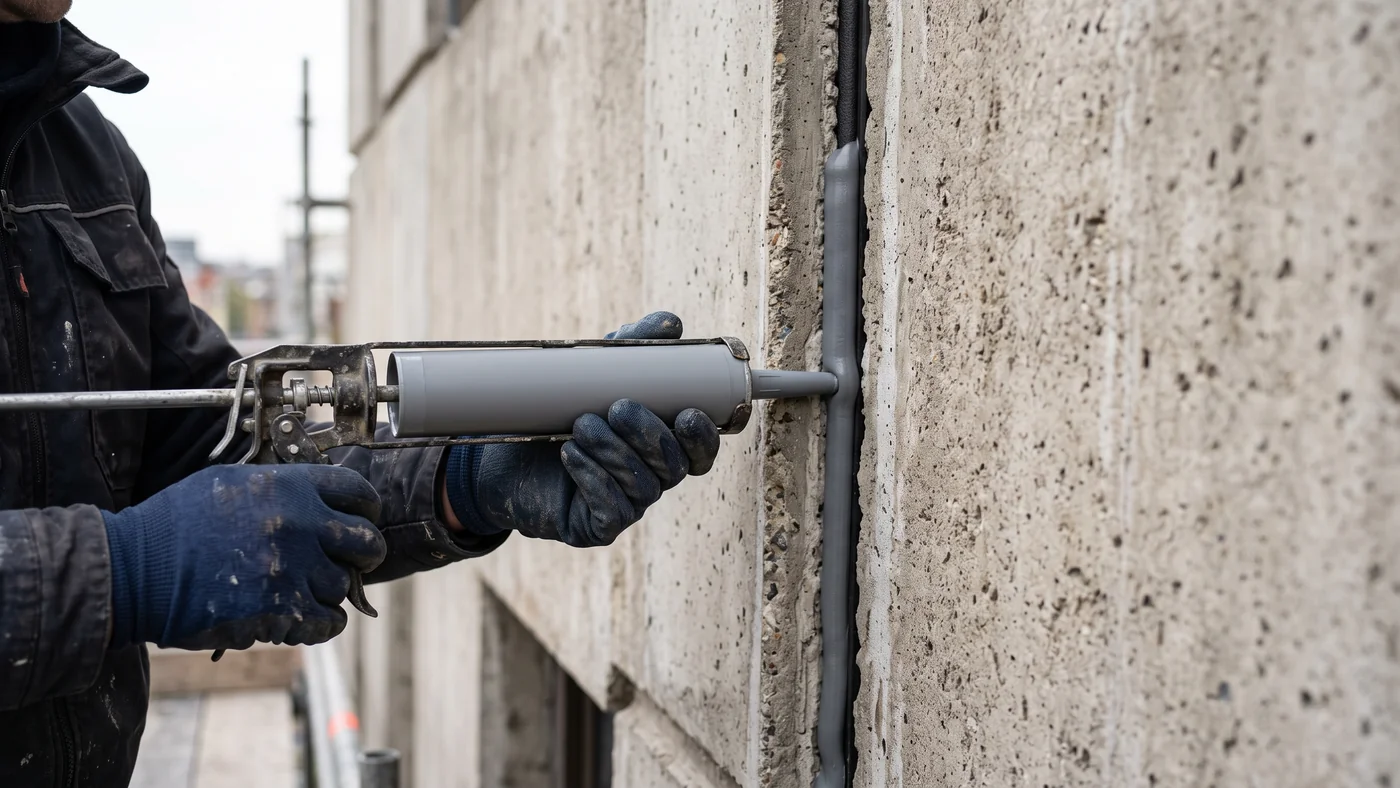
Paintable hybrid vs silicone and PU, primerless claims, when not to replace silicone, RFQ checklist.
View Details ->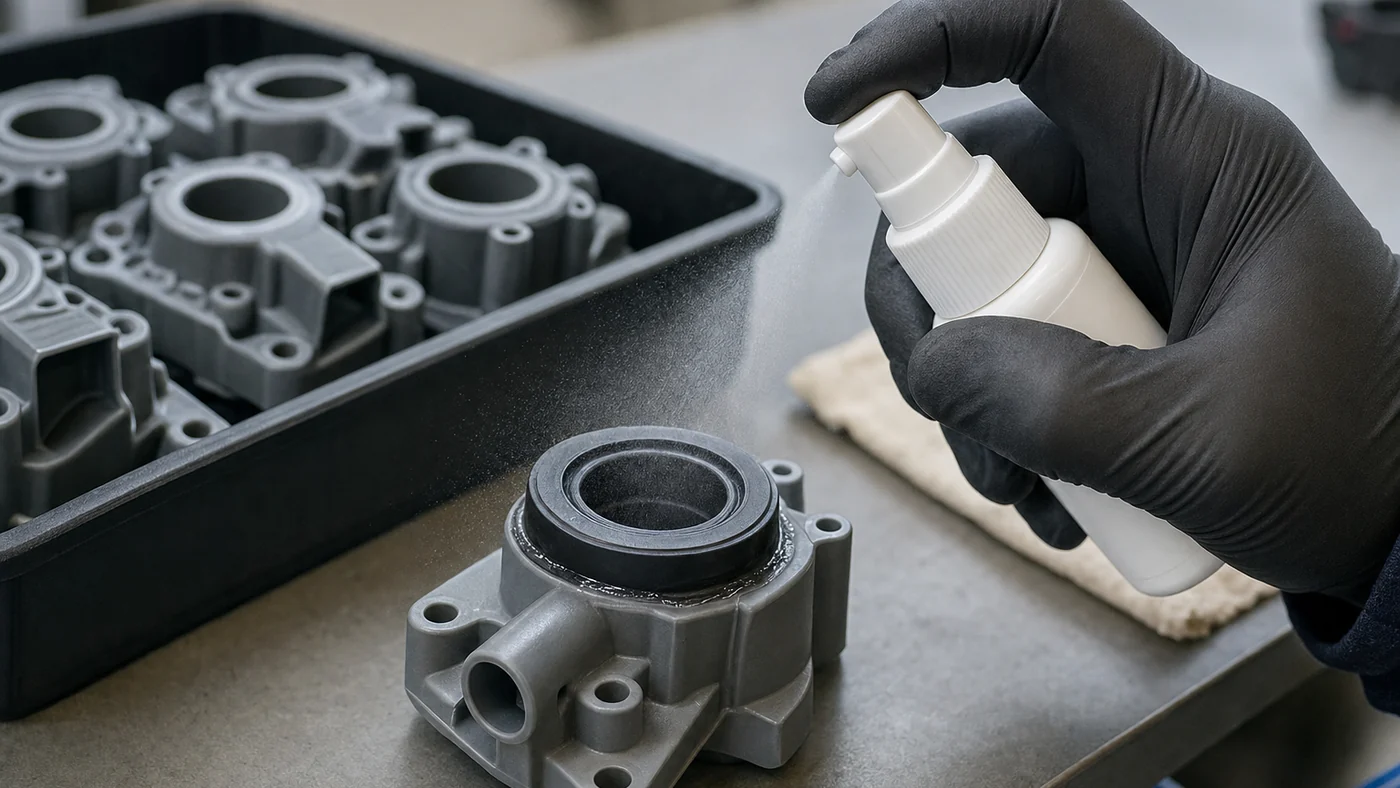
When accelerator helps, accelerator vs polyolefin primer, blooming, aerosol vs pump packs and shipping.
View Details ->
Choose fabric glue by job and laundry: water-based, contact and hot melt types, peel and wash tests, packs.
View Details ->
Choose threadlocker grades by removal method, check cure on plated metals, bottle headspace, labels and documents.
View Details ->
Which joints suit light cure, lamp and wavelength matching, dual-cure for shadowed areas and opaque packs.
View Details ->
Which shoe glue fits which repair, sole materials, toluene limits, hazard labels and shipping class for shoe glue lines.
View Details ->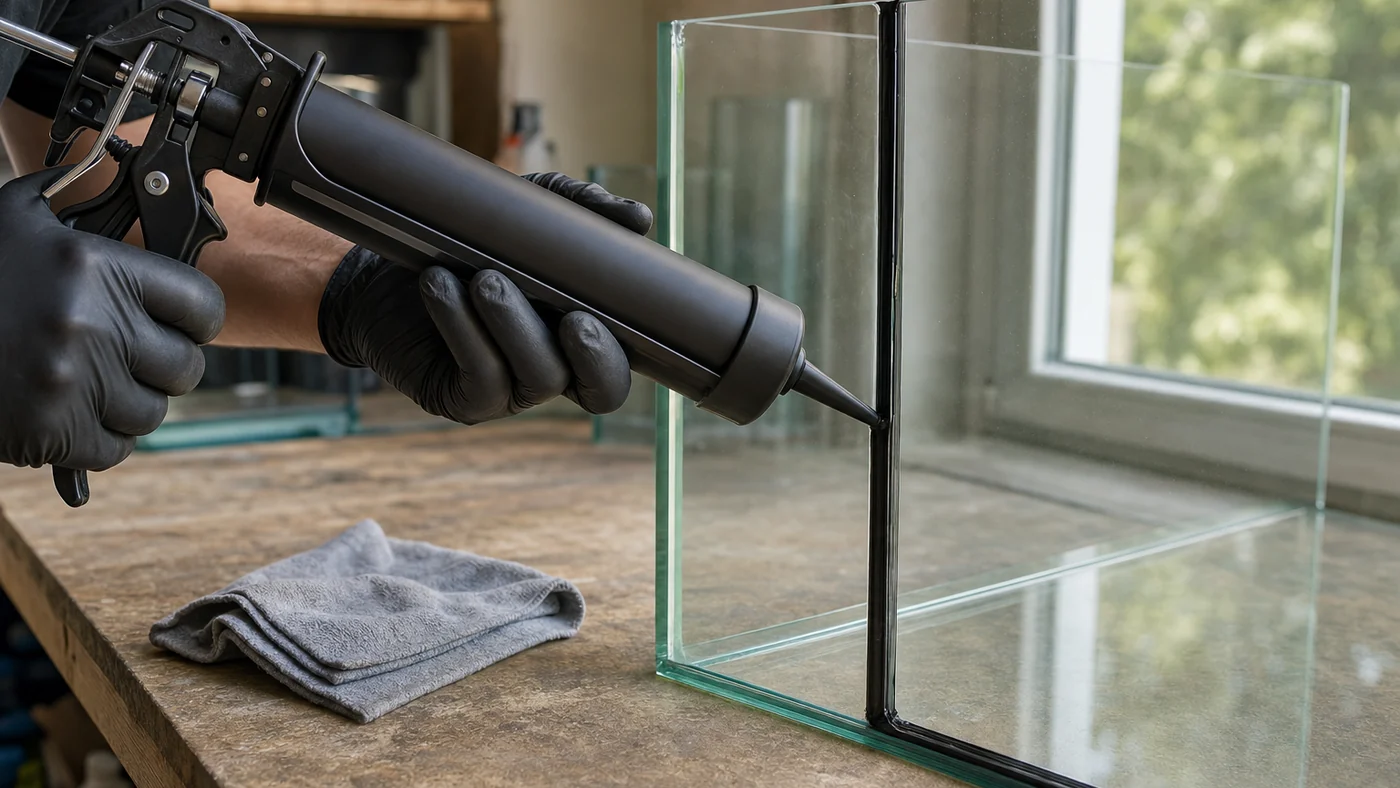
Biocide-free formula statements, cure time before filling, black vs clear and packs for pet retail and tank builders.
View Details ->
Cure type by surface, mould-resistance reports, EU and US claim rules, colours and packs for sanitary silicone lines.
View Details ->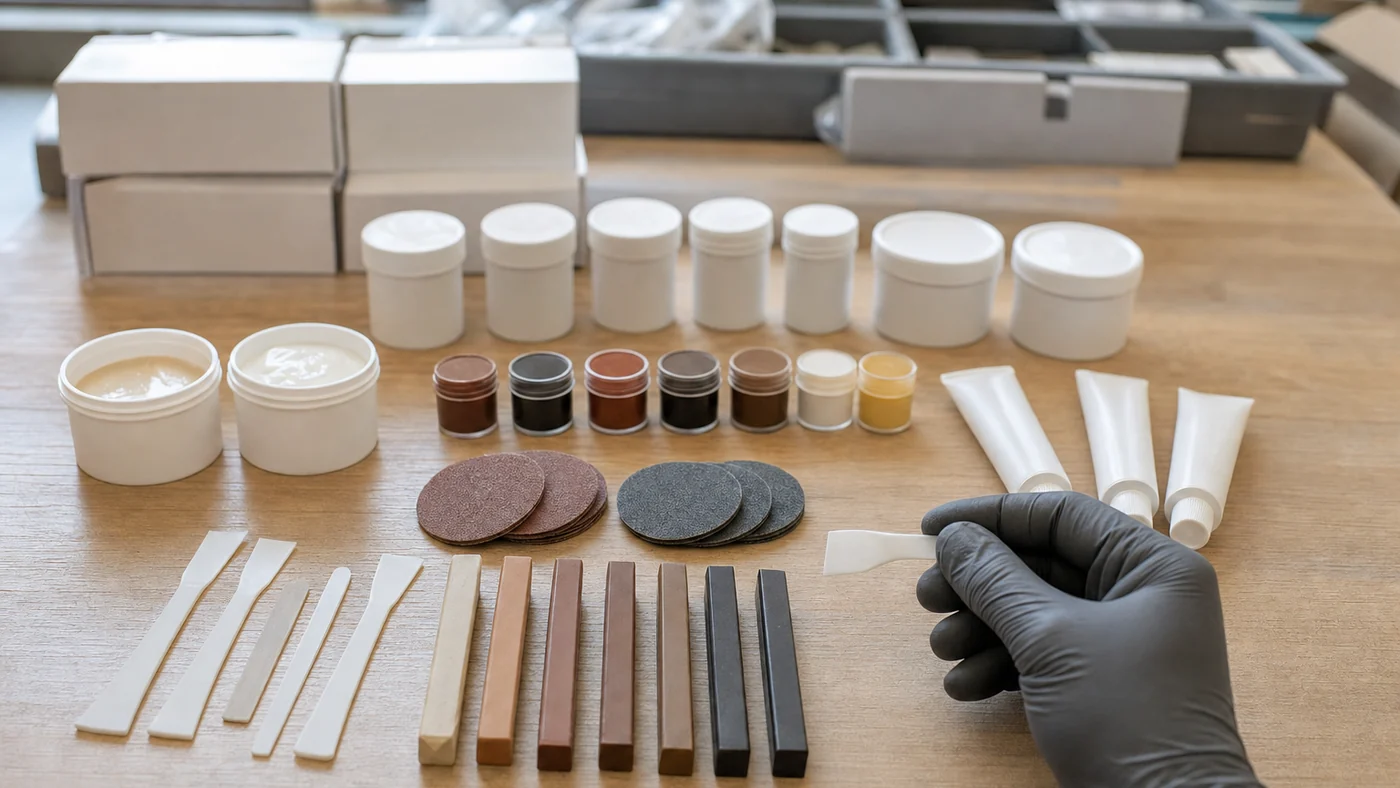
Kit contents, colour matching, component SDS, claims and packaging for private-label repair kit ranges.
View Details ->
When moisture-curing PU glue beats PVA or epoxy, how foaming and clamping work, storage and isocyanate labelling.
View Details ->
Shelf promise, non-toxic claim documents, pack sizes and winter freeze risk for craft and school glue lines.
View Details ->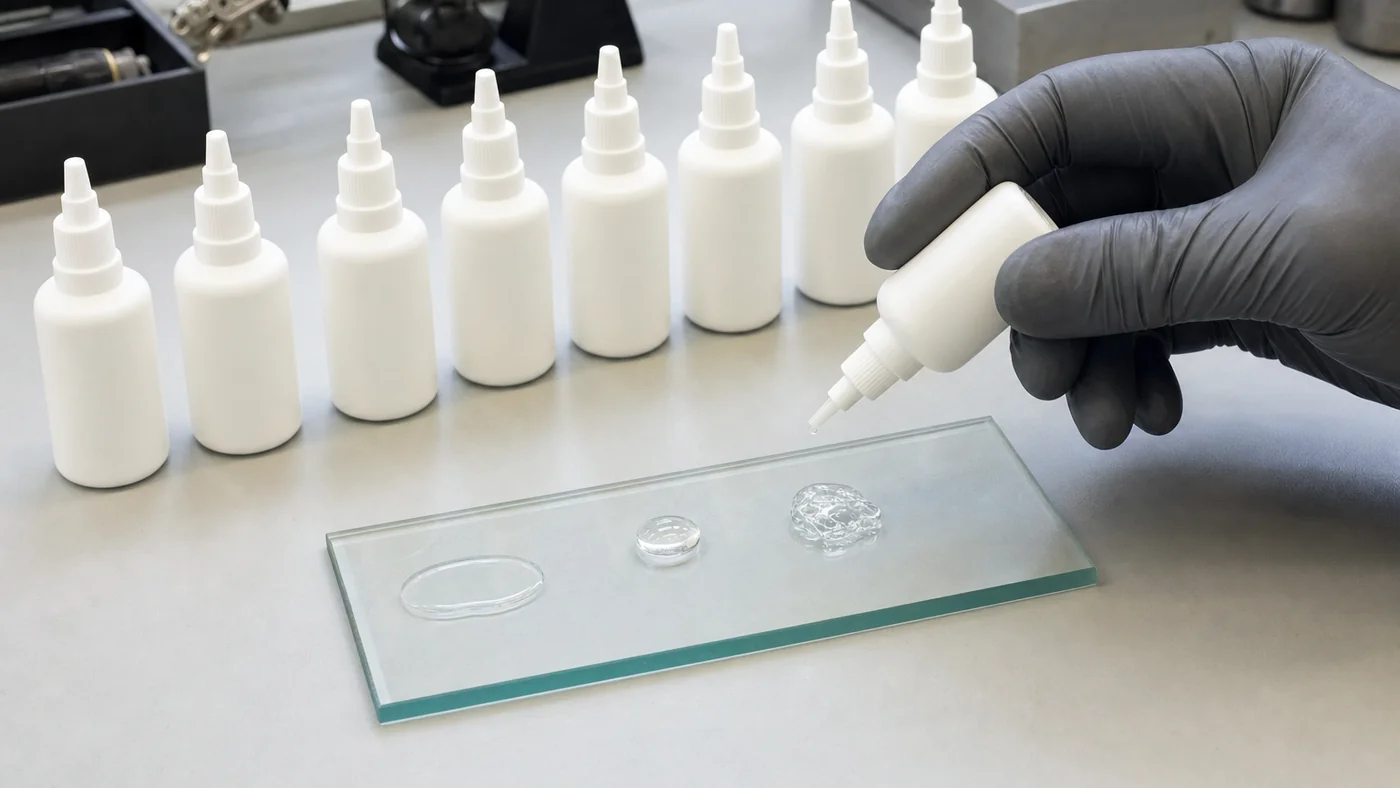
Pick a super glue viscosity and specialty grade by joint gap, orientation and takt time.
View Details ->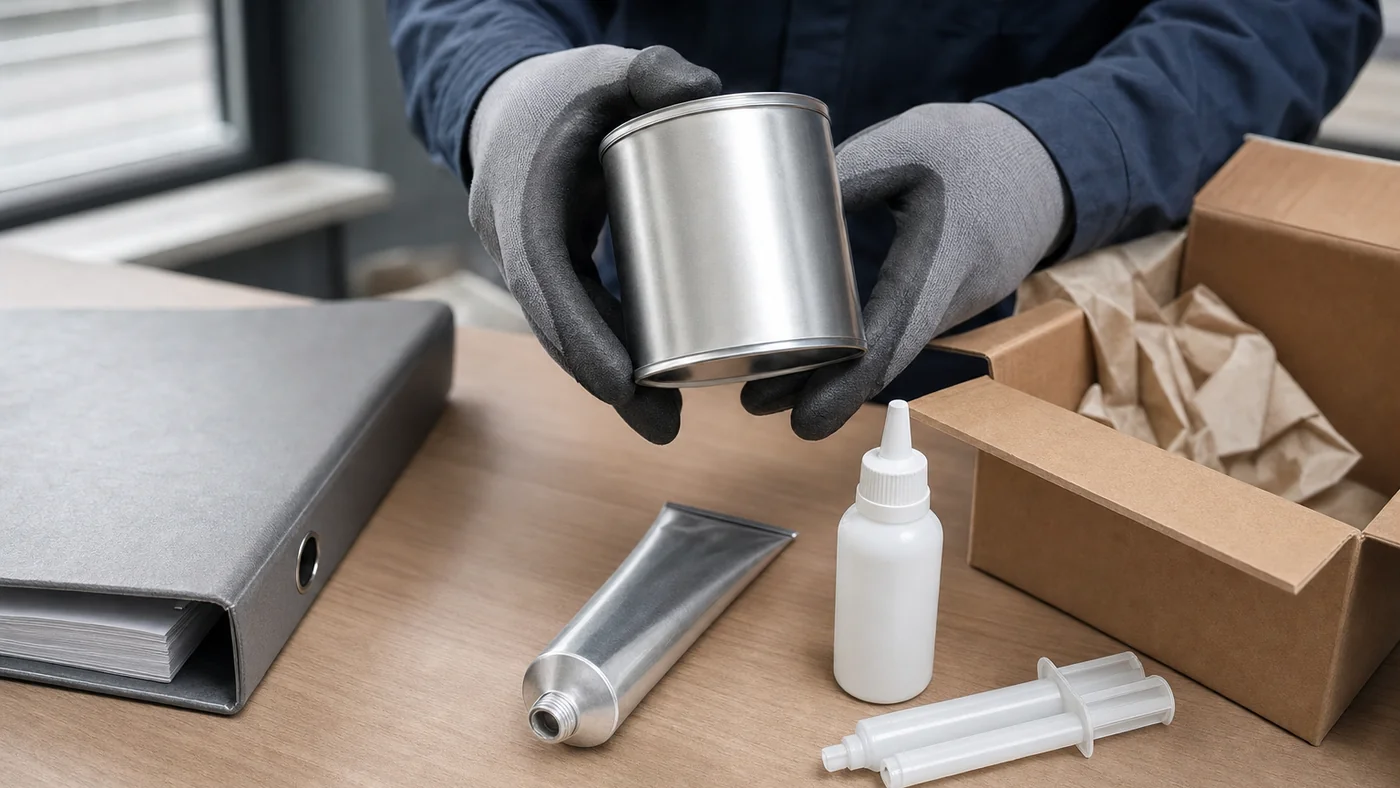
Check the right SDS sections for labels, storage and freight before the quote is final.
View Details ->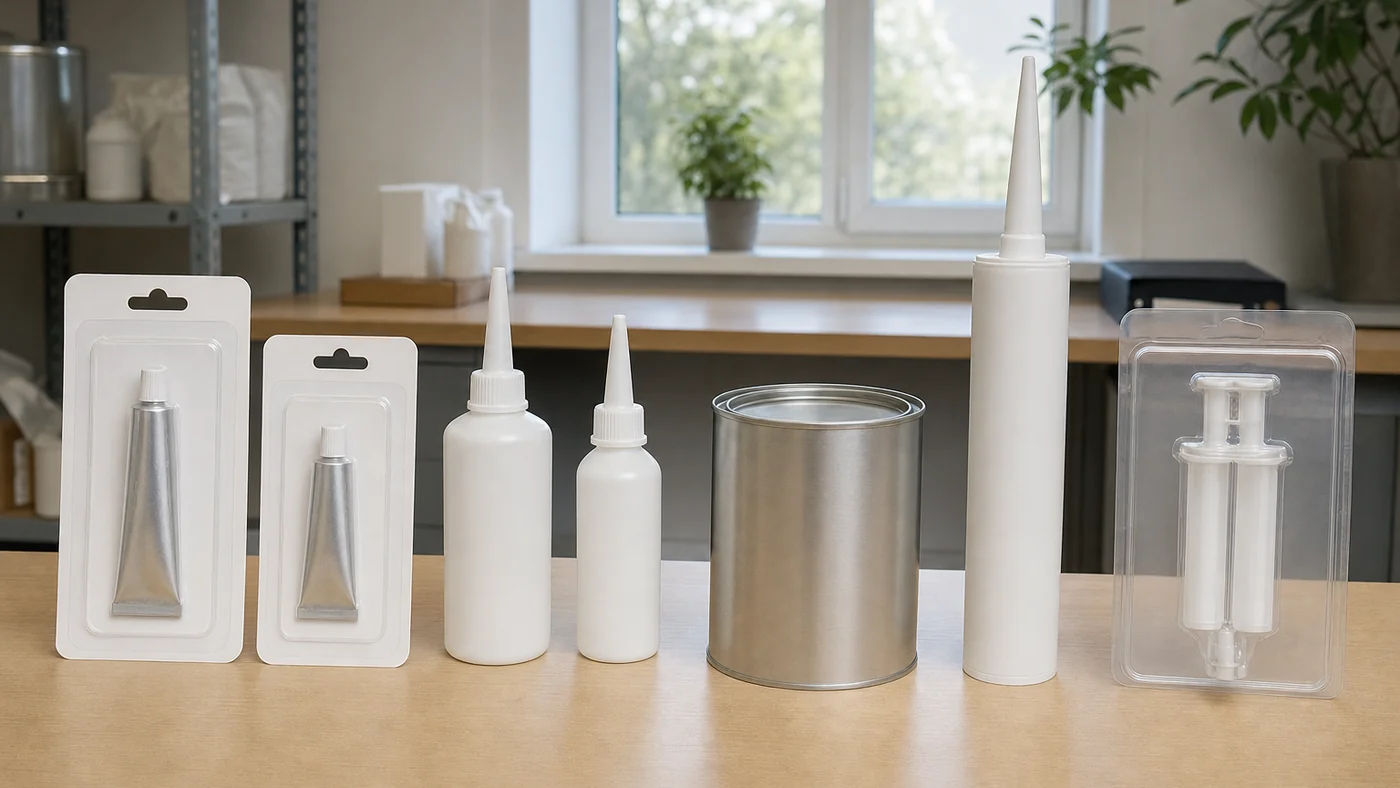
Choose private-label glue packs by channel, chemistry and export rules before artwork.
View Details ->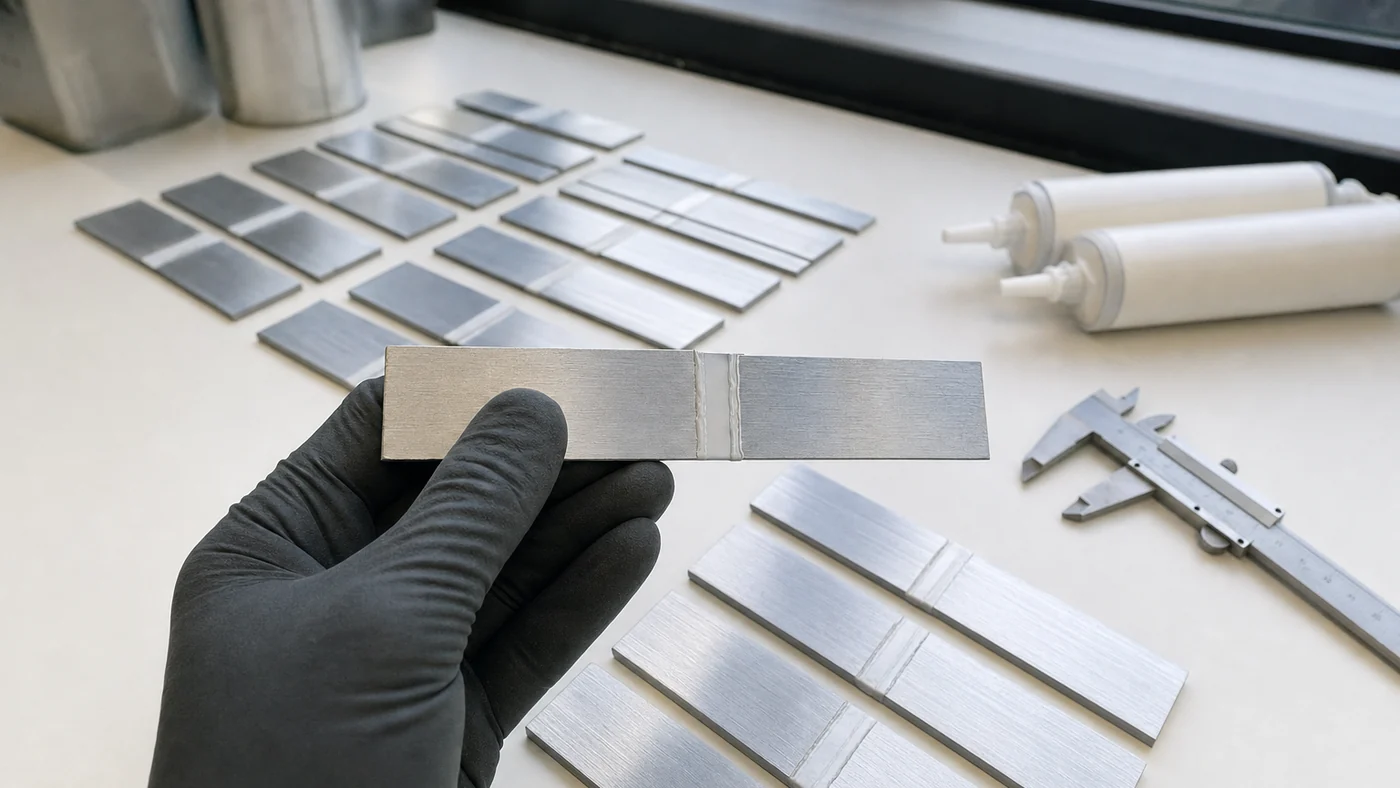
Which strength tests to request before a bulk order, and how to compare suppliers fairly.
View Details ->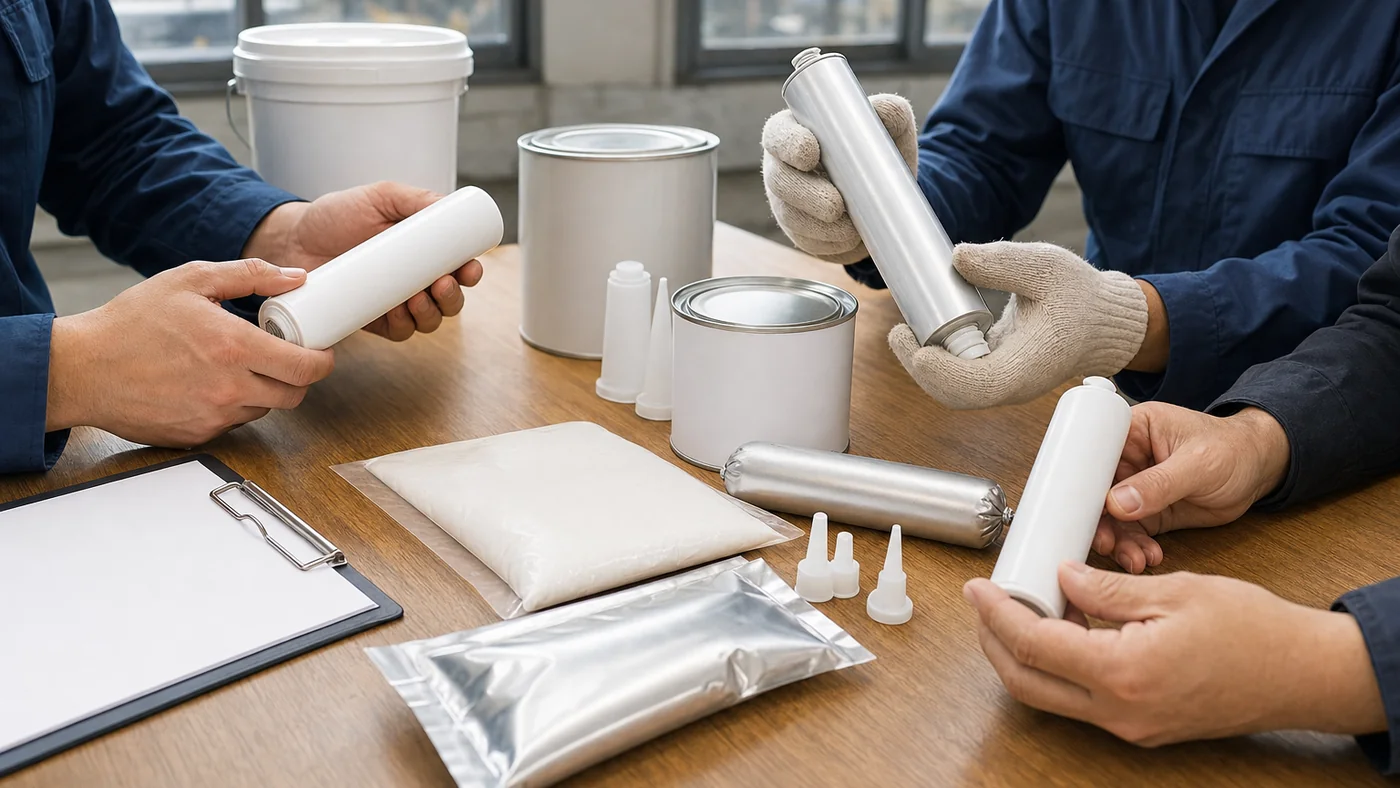
How importers and private-label buyers shortlist an industrial glue factory — capability, TDS/SDS, OEM packs, and MOQ before price.
View Details ->
Specify neutral-cure silicone for curtain wall, stone, and aluminum — substrates, joints, primers, packs, and an RFQ checklist.
View Details ->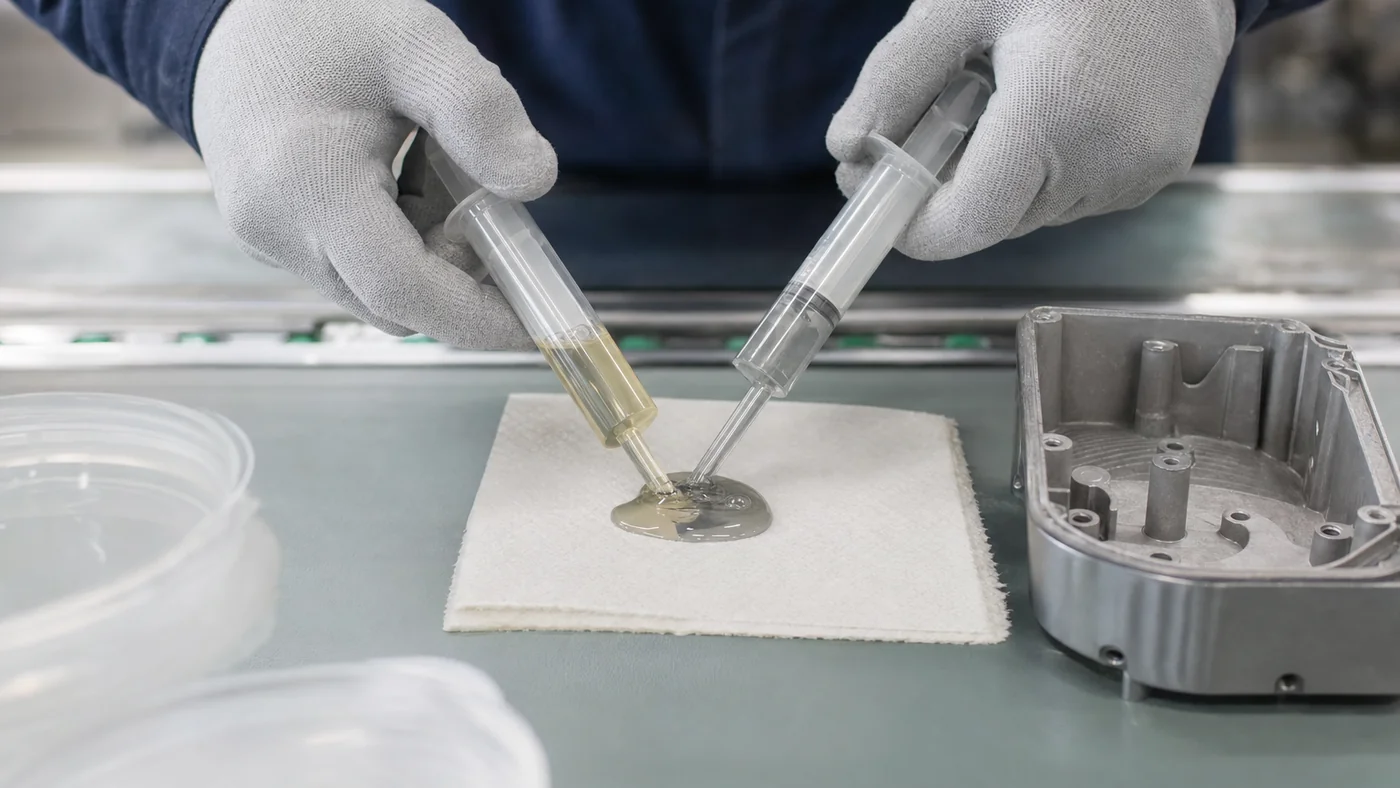
OEM guide to fast vs slow cure epoxy — takt time, pot life, fixtures, packs, and an RFQ checklist.
View Details ->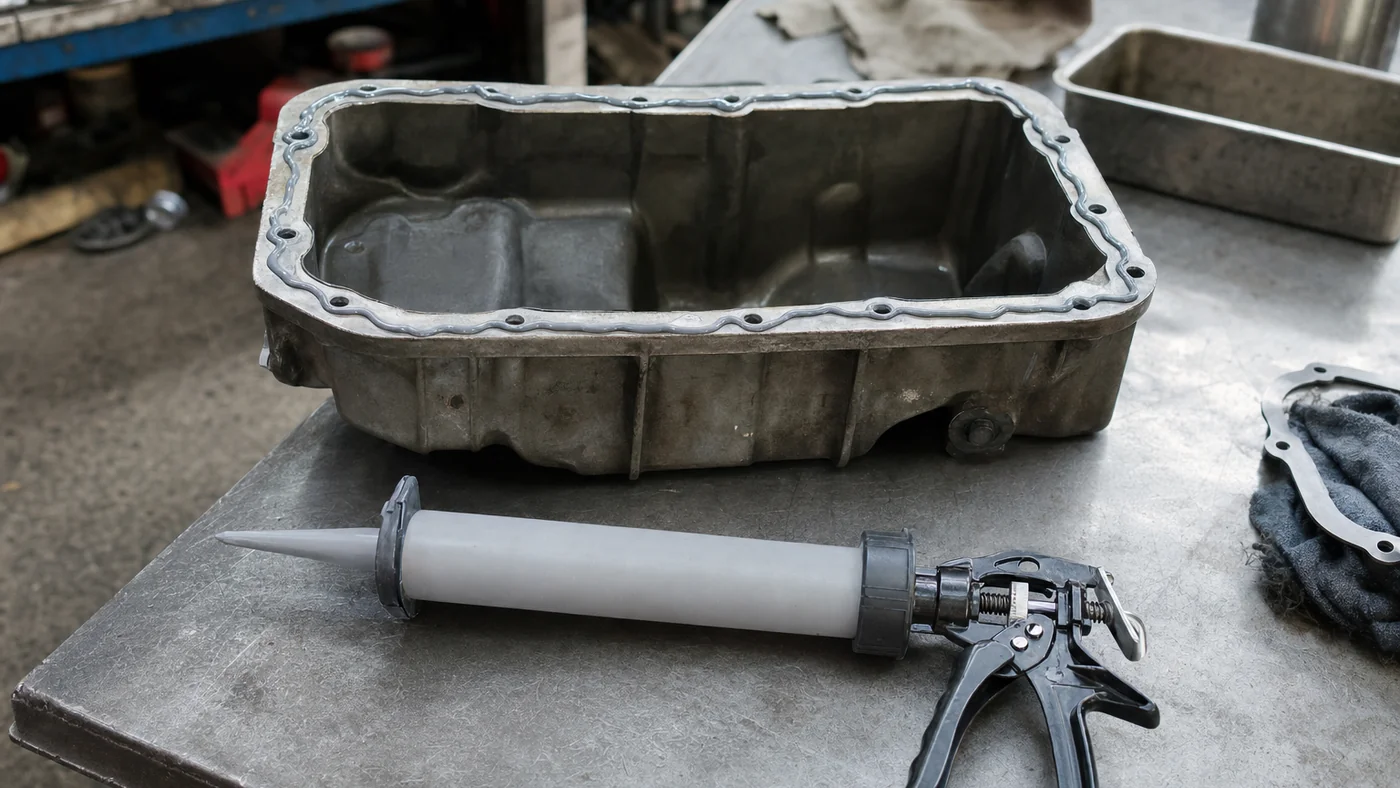
How MRO buyers choose RTV gasket maker vs general silicone sealant — FIPG vs joints, fluids/temp, and RFQ checklist.
View Details ->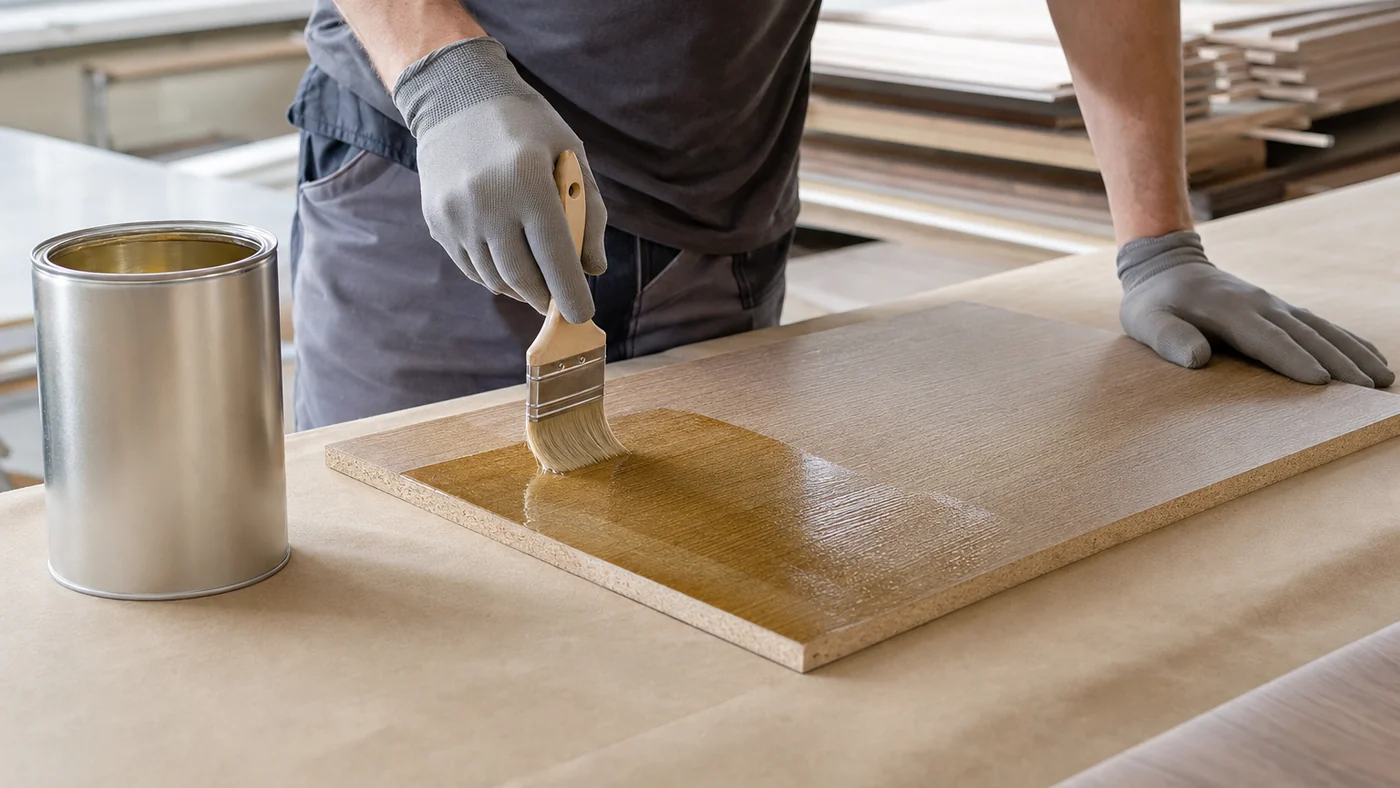
OEM guide to solvent vs water-based acrylic contact adhesive — open time, VOC, substrates, hazmat, packs, and an RFQ checklist.
View Details ->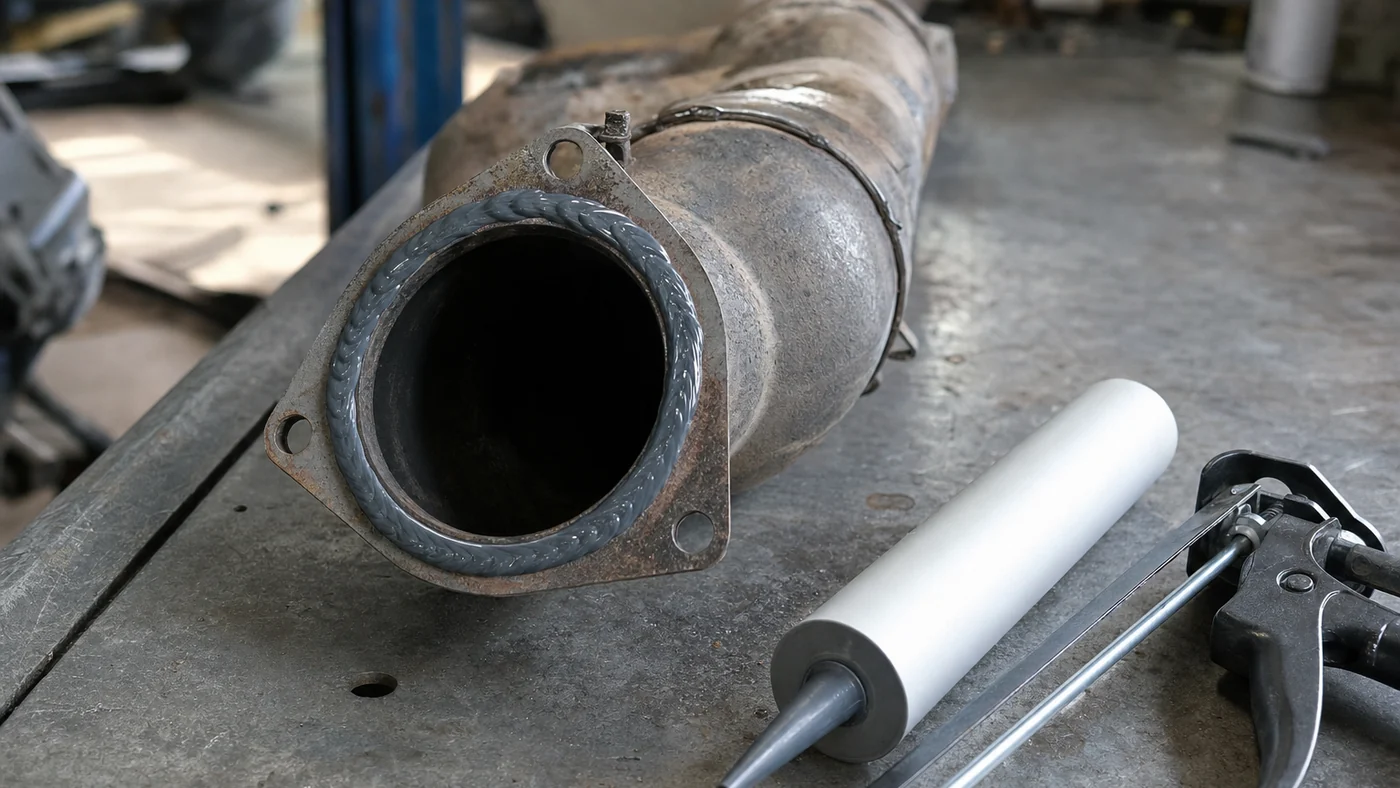
How MRO and OEM buyers specify high-temp silicone — continuous vs peak temp, engine/gasket vs duct duty, and RFQ checklist.
View Details ->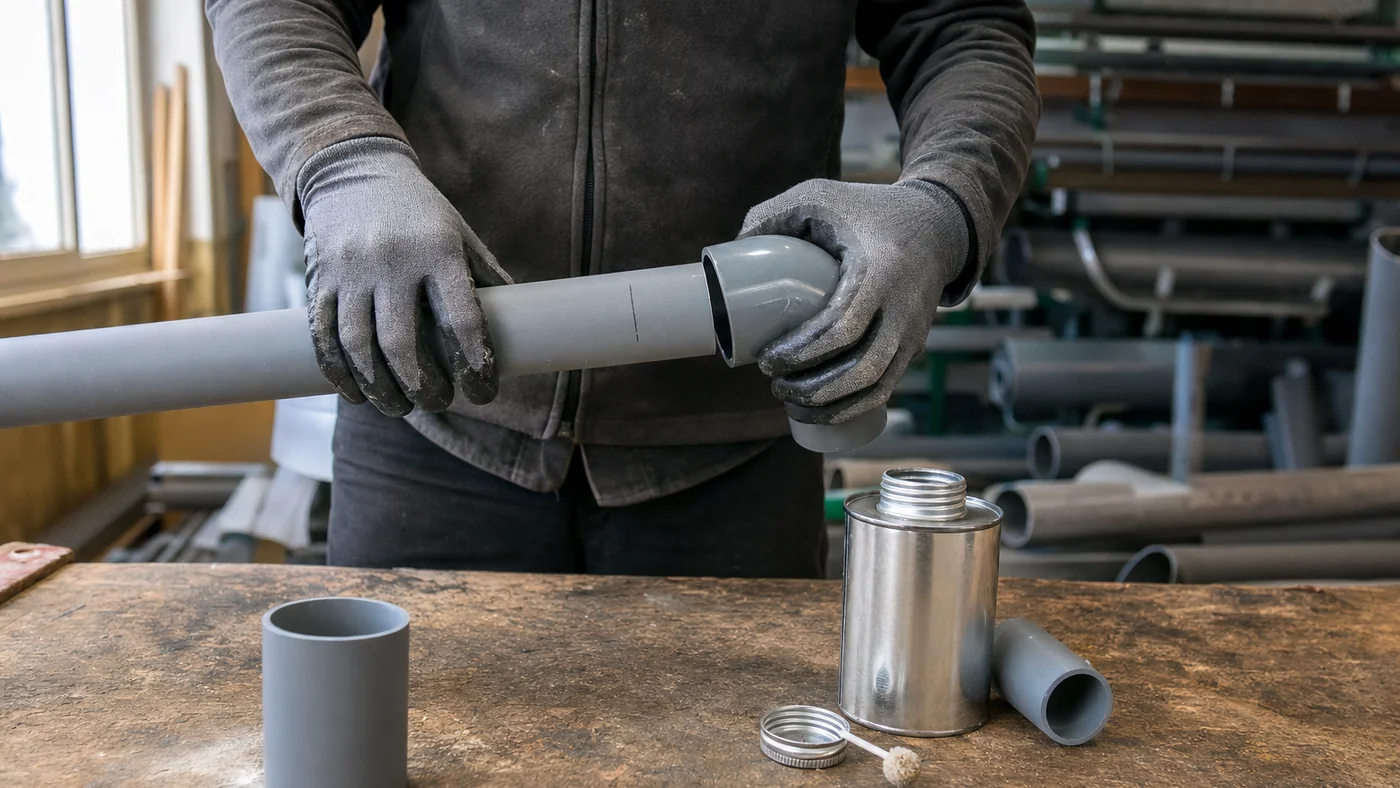
B2B guide to specifying PVC solvent cement — pipe material, primer, CPVC vs PVC, cure-before-pressure, OEM packs, and an RFQ checklist.
View Details ->How distributors and private-label buyers procure weatherproof silicone — exposure, chemistry, cartridge vs sausage MOQ, OEM packs, and RFQ checklist.
View Details ->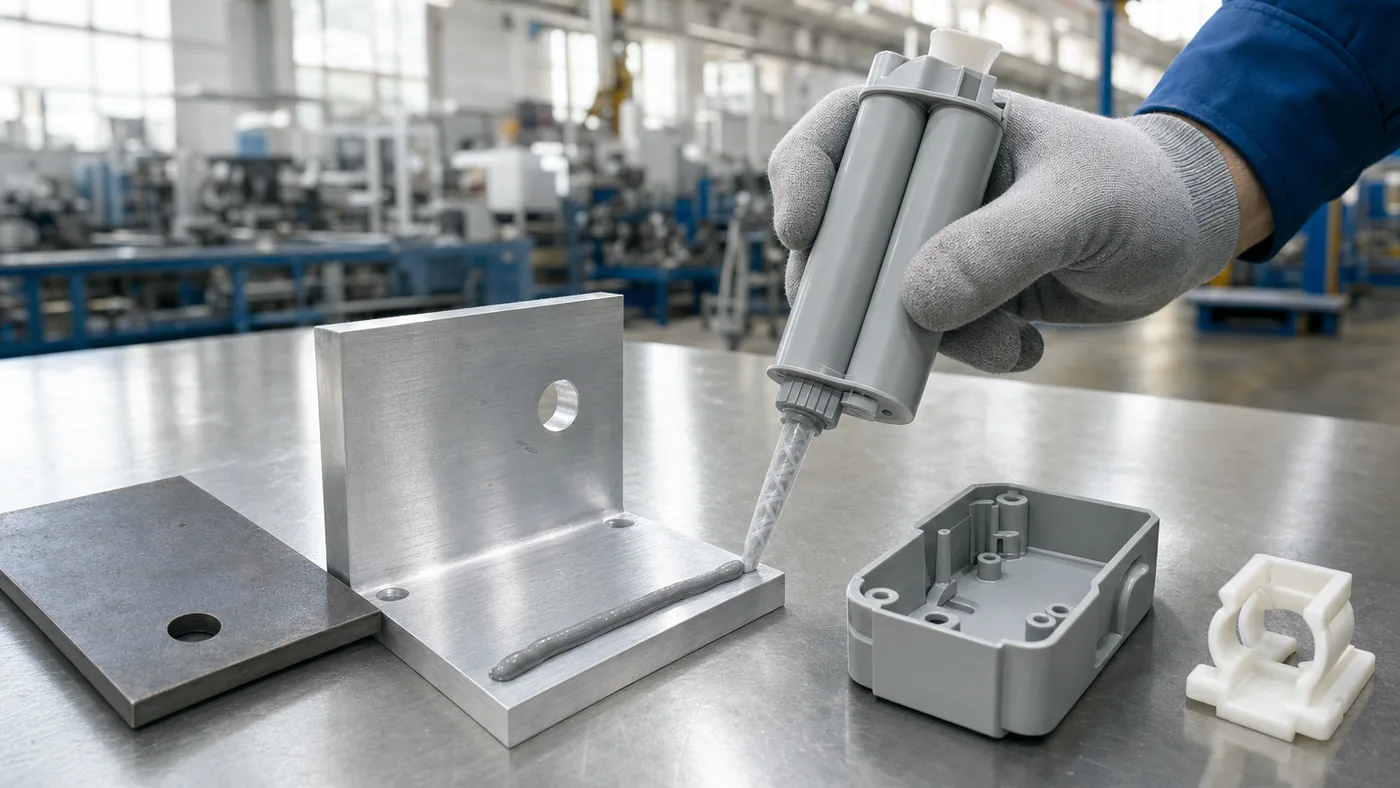
B2B guide to choosing metal epoxy glue vs plastic-bonding epoxy — surface energy, fillers, cure schedule, OEM packs, and an RFQ checklist.
View Details ->
How exporters specify PVA wood glue water-resistance class (D2/D3/D4), open time, solids, and OEM pack sizes before comparing price.
View Details ->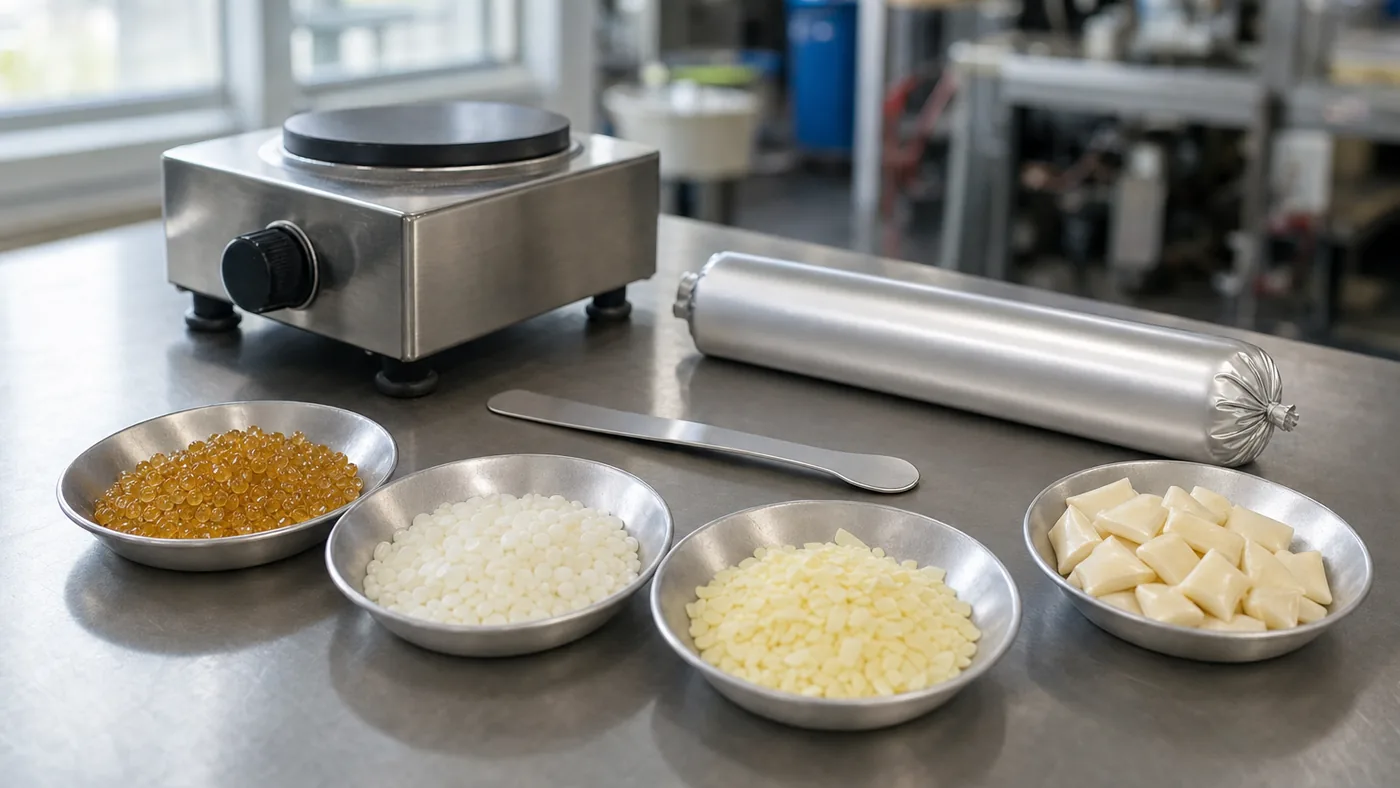
Factory-side guide to EVA, polyolefin, polyamide, and PUR hot melts — open/set time, sticks vs pellets vs pillows, heat resistance, and an RFQ checklist.
View Details ->
When to specify polyurethane vs silicone sealant — paintability, UV, substrates, joint design, and what distributors should put in the RFQ.
View Details ->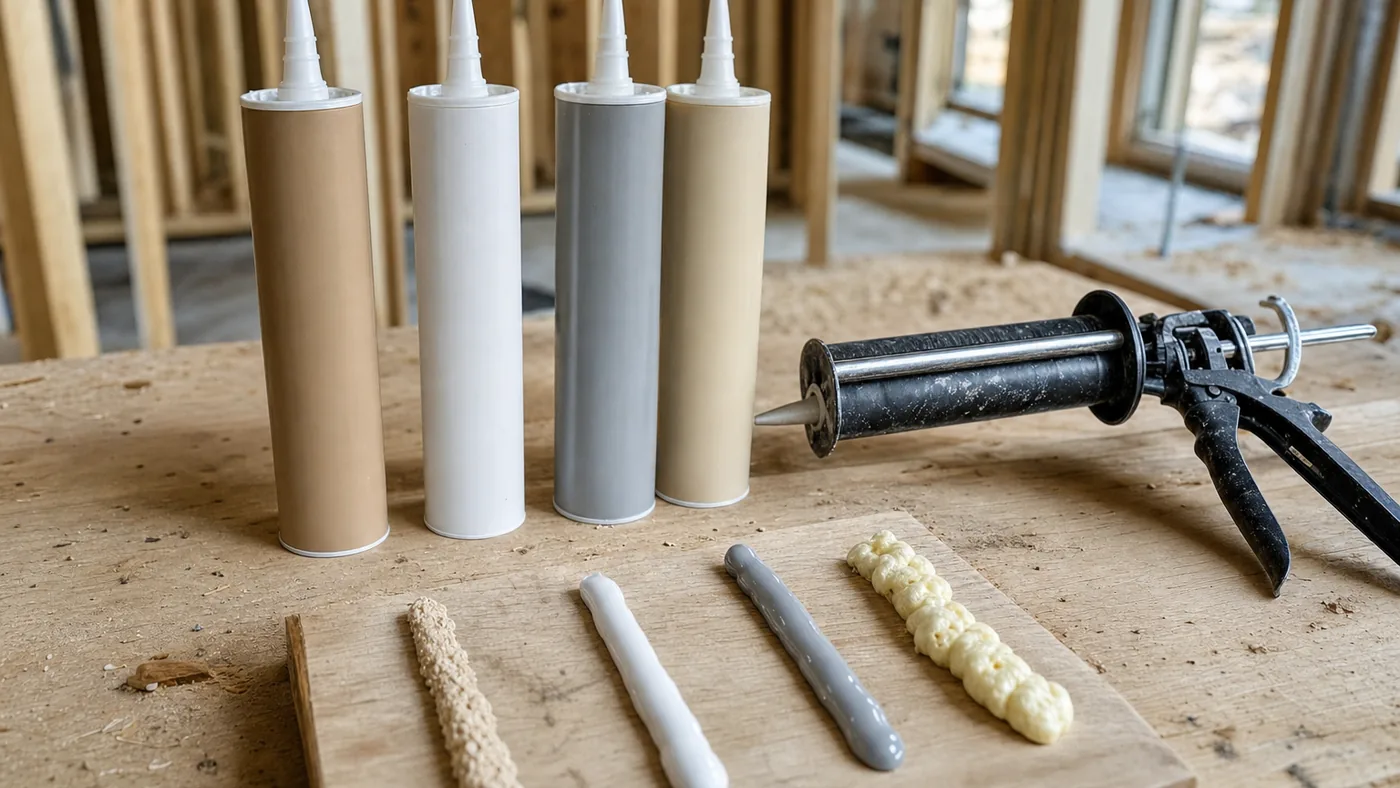
B2B buying guide covering solvent, water-based, hybrid/MS, and polyurethane construction adhesives, substrate/gap decisions, pack ladders, and an RFQ checklist.
View Details ->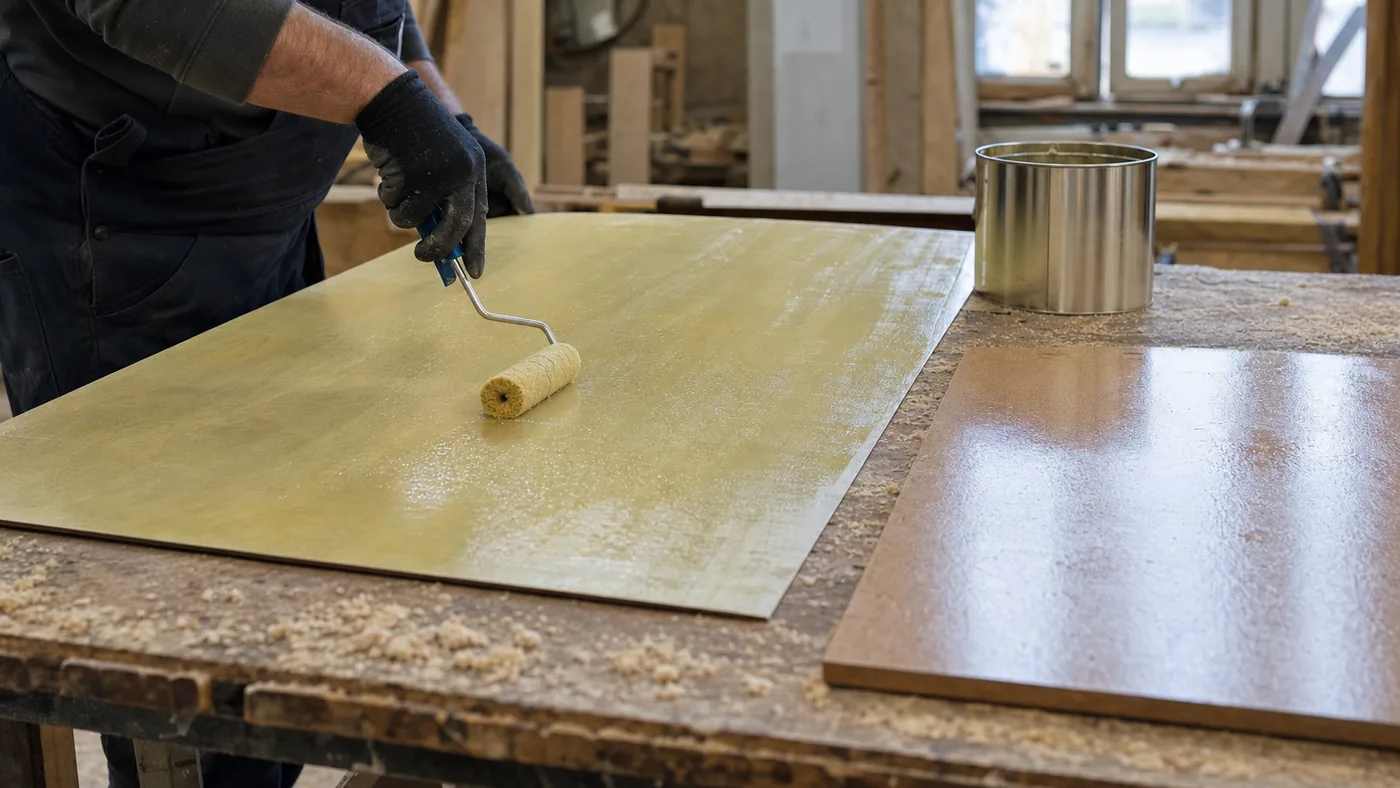
Factory-side comparison of contact cement vs spray adhesive — open time, coverage, VOC/hazmat, laminating vs temporary hold, and when not to substitute.
View Details ->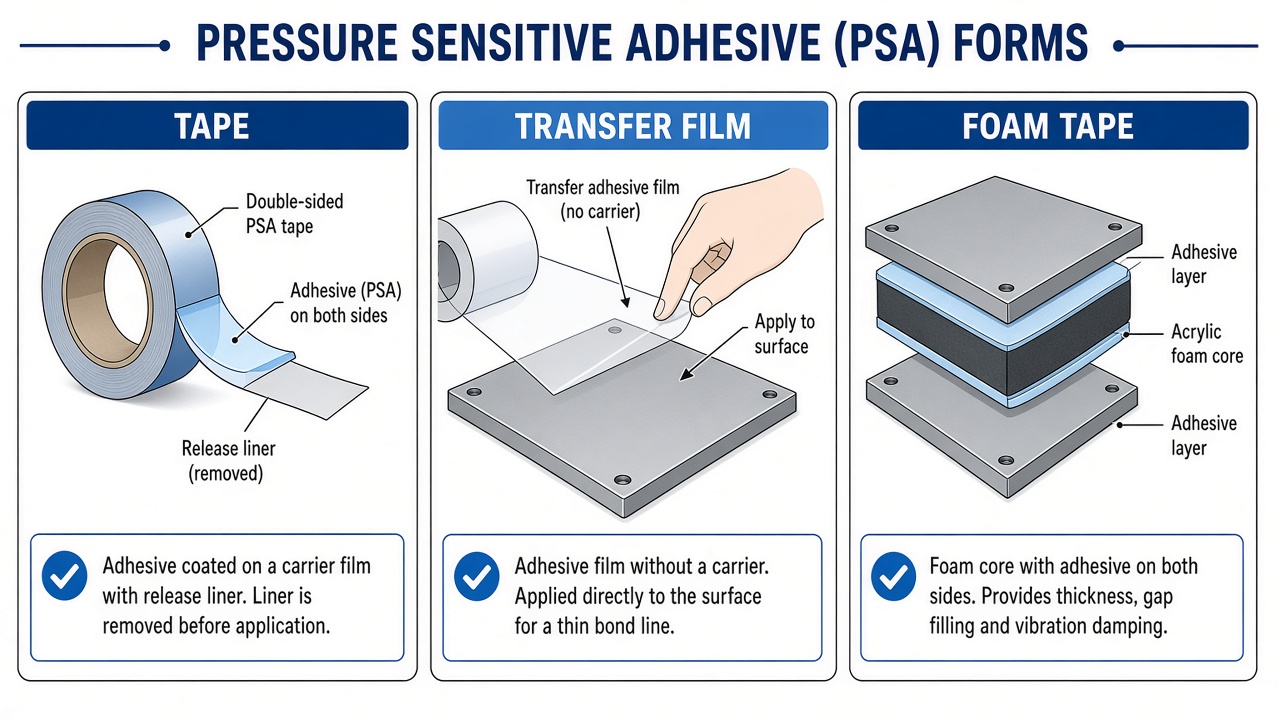
Factory-side PSA buying guide covering tape vs transfer film vs foam tape, acrylic/rubber/silicone chemistry, peel/shear/tack specs, and an RFQ checklist for B2B buyers.
View Details ->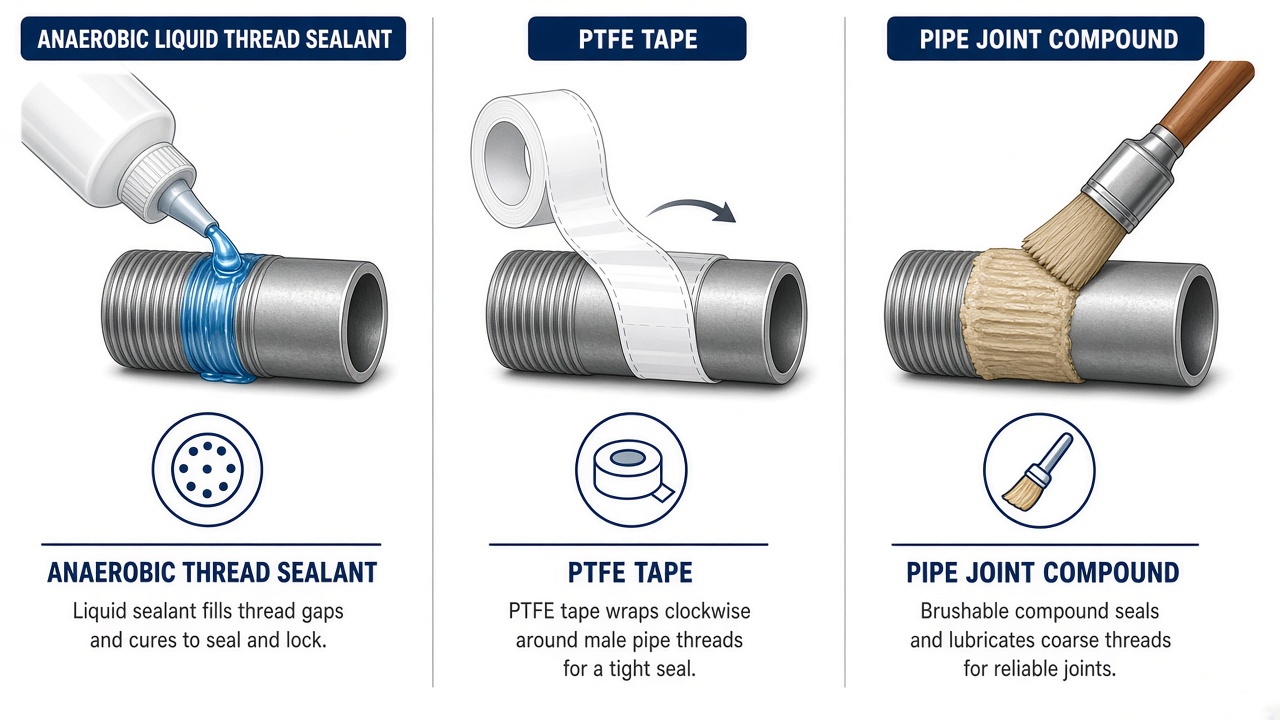
Factory-side comparison of anaerobic thread sealant, PTFE tape, and pipe joint compound for importers, distributors, and MRO channels.
View Details ->
The complete GHS safety data sheet for cyanoacrylate super glue — classification, hazard statements, first aid, PPE, physical properties, and transport status.
View File ->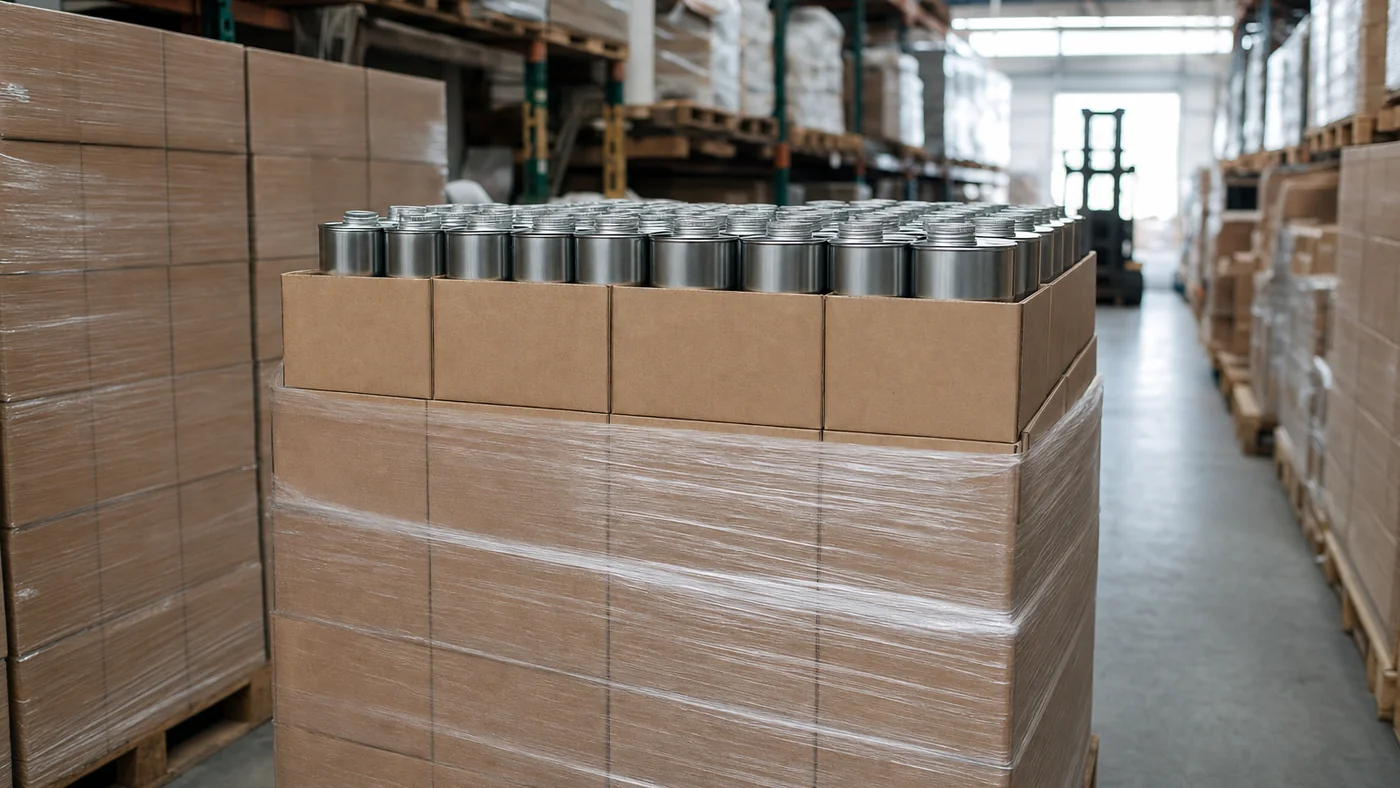
CNAS-accredited transport classification under the IMDG Code 2024 edition — non-restricted cargo, no UN number, no packing group, no hazmat surcharge.
View File ->The Chinese-language SDS in the 16-section format used for China customs declaration, commodity inspection, and port handling files.
View File ->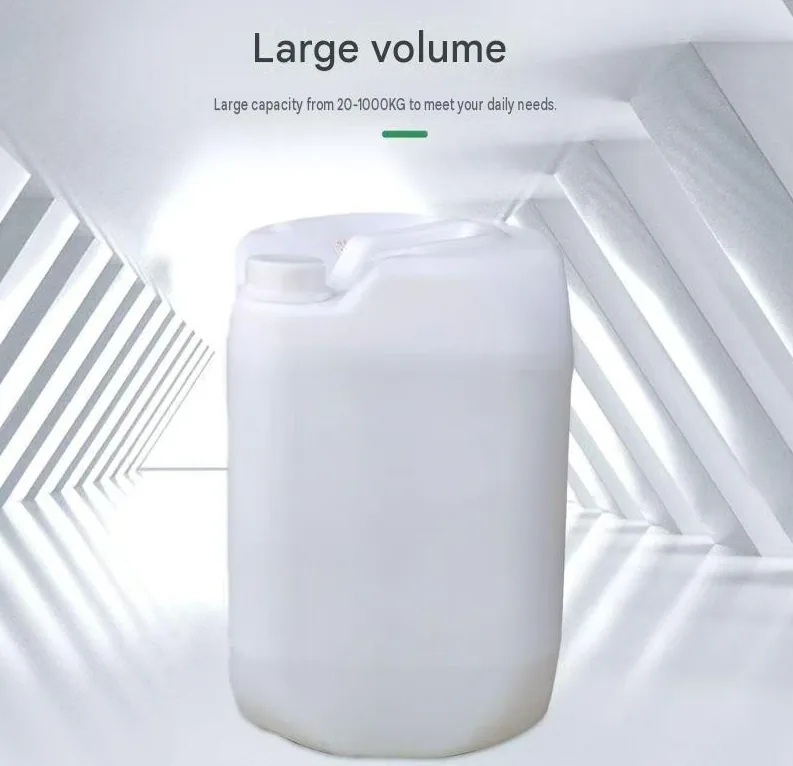
Sealed HDPE drums from 20 kg to 1000 kg, production-line viscosity control, and the repacking cautions that decide whether a bulk order pays off.
View Details ->Skin time, cure depth per day, and full cure — the honest answers counter staff need to give buyers about silicone curing.
View Details ->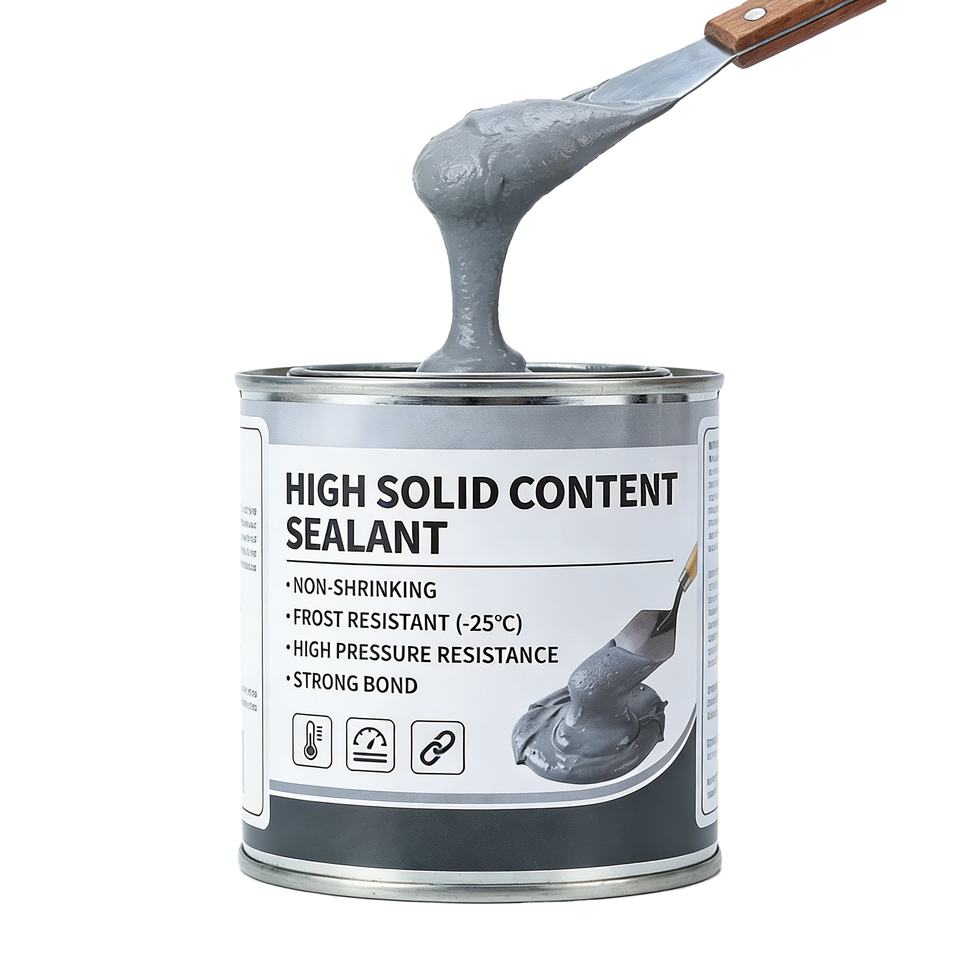
Pot life, handling time, full cure, and warehouse shelf life — the numbers importers and distributors need before stocking epoxy SKUs.
View Details ->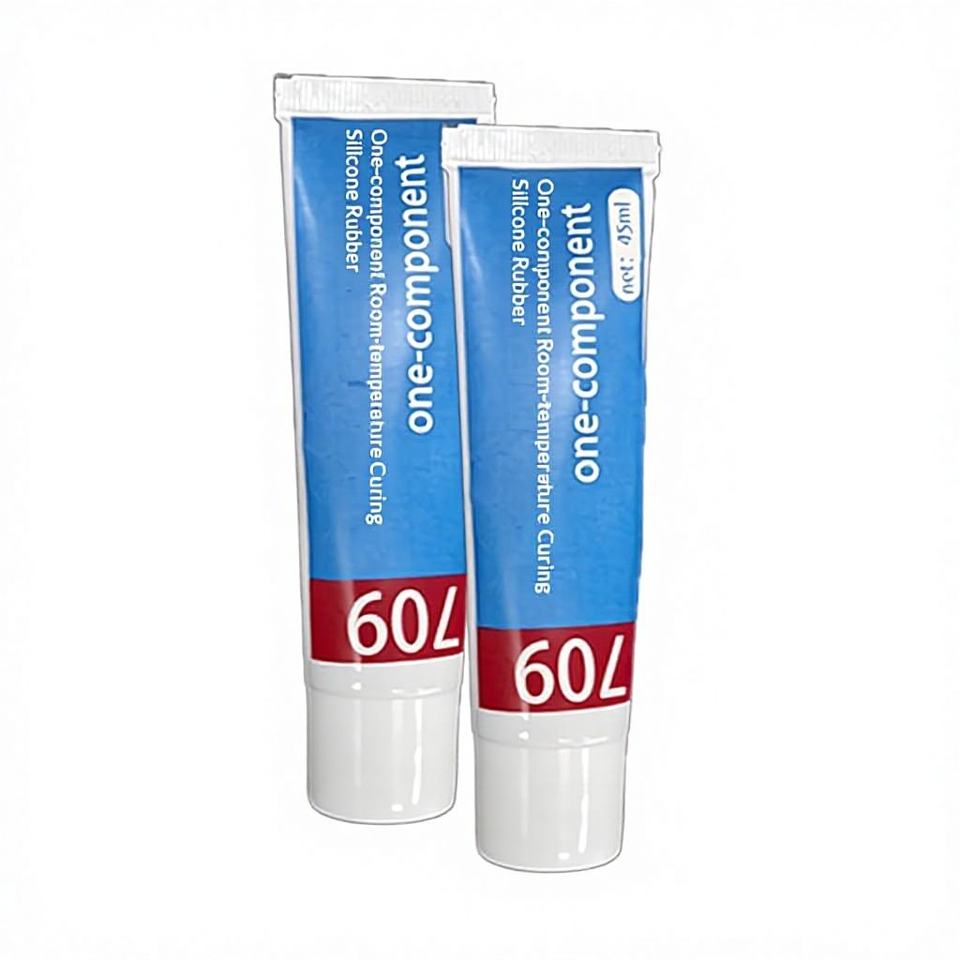
Compare cure chemistry, odor, substrate risk, cost position, and channel fit before choosing your first silicone sealant SKU.
View Details ->SDS files, Chinese safety data sheets, and sea freight reports for import clearance, warehouse review, and customer compliance checks.
For import clearance, warehouse handling, port processing, and customer compliance review.
Shows non-restricted cargo status, no UN number, and no packing group information.

For China customs declaration, inspection, port handling, and domestic circulation documents.
Share the adhesive type, packaging format, application, and destination port. We can help prepare the RFQ details.