Aquarium silicone sealant is a separate SKU, not a relabelled bathroom grade. Specify a 100% silicone with no fungicide or other biocide, get a written formula statement for that exact grade, print a clear cure time before filling, and offer clear and black in packs your channel uses: small tubes for hobby retail, cartridges for tank builders. GlueMFG lists a one-component silicone rubber in squeeze tubes (GLE-028); an aquarium-grade version, colours and cartridges are confirmed by inquiry.
Aquarium silicone sells through pet stores, aquarium builders and marketplaces, and its failures are expensive: a leaking tank, or fish lost to something in the sealant. The buyer risk is not the bead strength on day one. It is the formula, the cure instructions and the claim on the pack. This guide is for pet-trade distributors, aquarium brands and importers adding an aquarium sealant to their range.
Why Aquarium Silicone Needs Its Own Formula
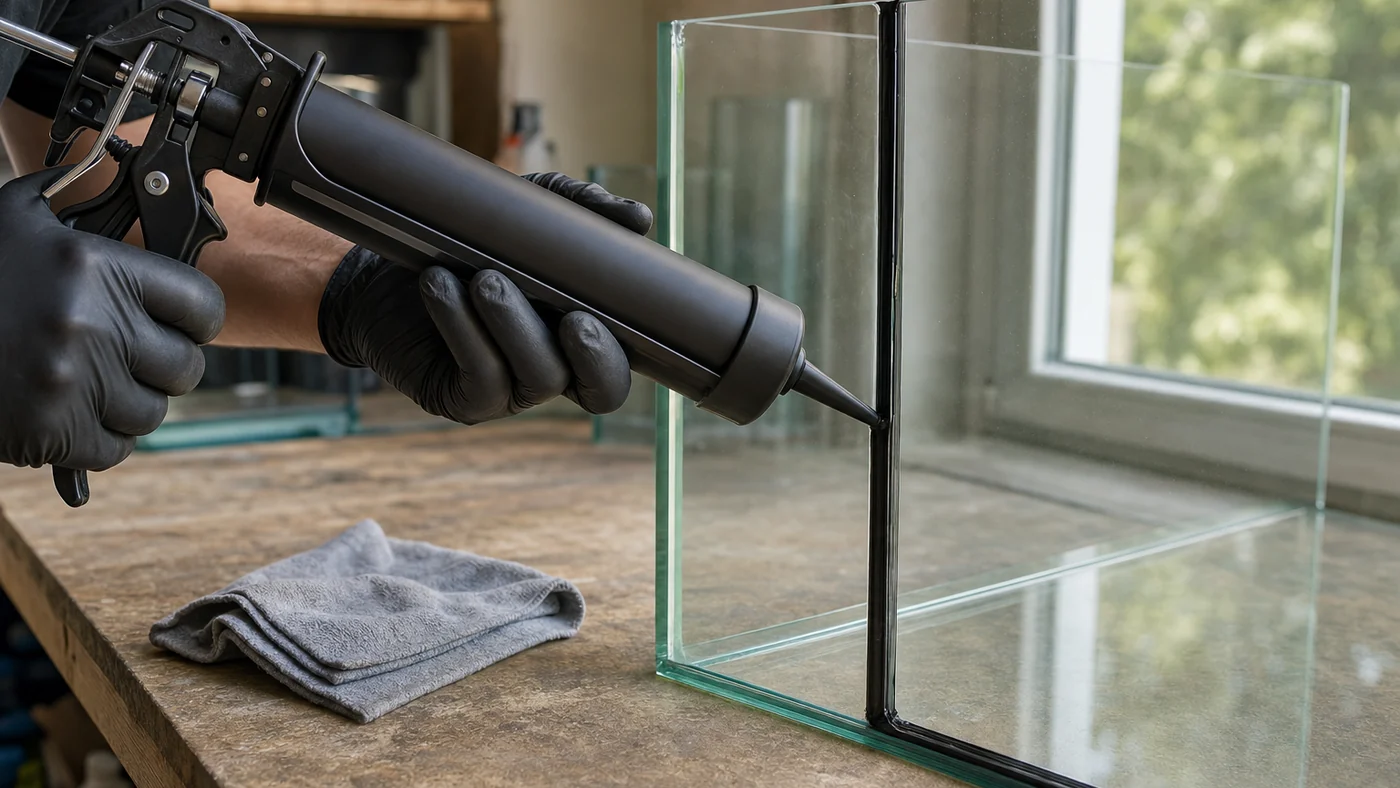
| Check | Why it matters for aquariums | Ask the supplier for |
|---|---|---|
| No fungicide or biocide | Additives that stop mould on a shower joint can leach into water | A signed statement for the exact grade and colour; SDS Section 3 |
| 100% silicone, no fillers or extenders | Extended or filled grades can shrink, lose adhesion to glass or release oils | Formula type on the TDS; the same statement as above |
| Cure type | Most aquarium grades are acetoxy and release acetic acid while curing; the smell must clear before filling | Cure type, cure time and ventilation advice |
| Adhesion to glass | Glass-to-glass seams hold the water load on all-glass tanks | Adhesion and tensile data, and the standard used |
Do not list a sanitary, construction or "multi-purpose" silicone as suitable for aquariums because it is 100% silicone. Unless the supplier confirms in writing that the grade contains no fungicide or other biocide, keep aquariums off the label.
Building Tanks vs Resealing: Two Different Buyers
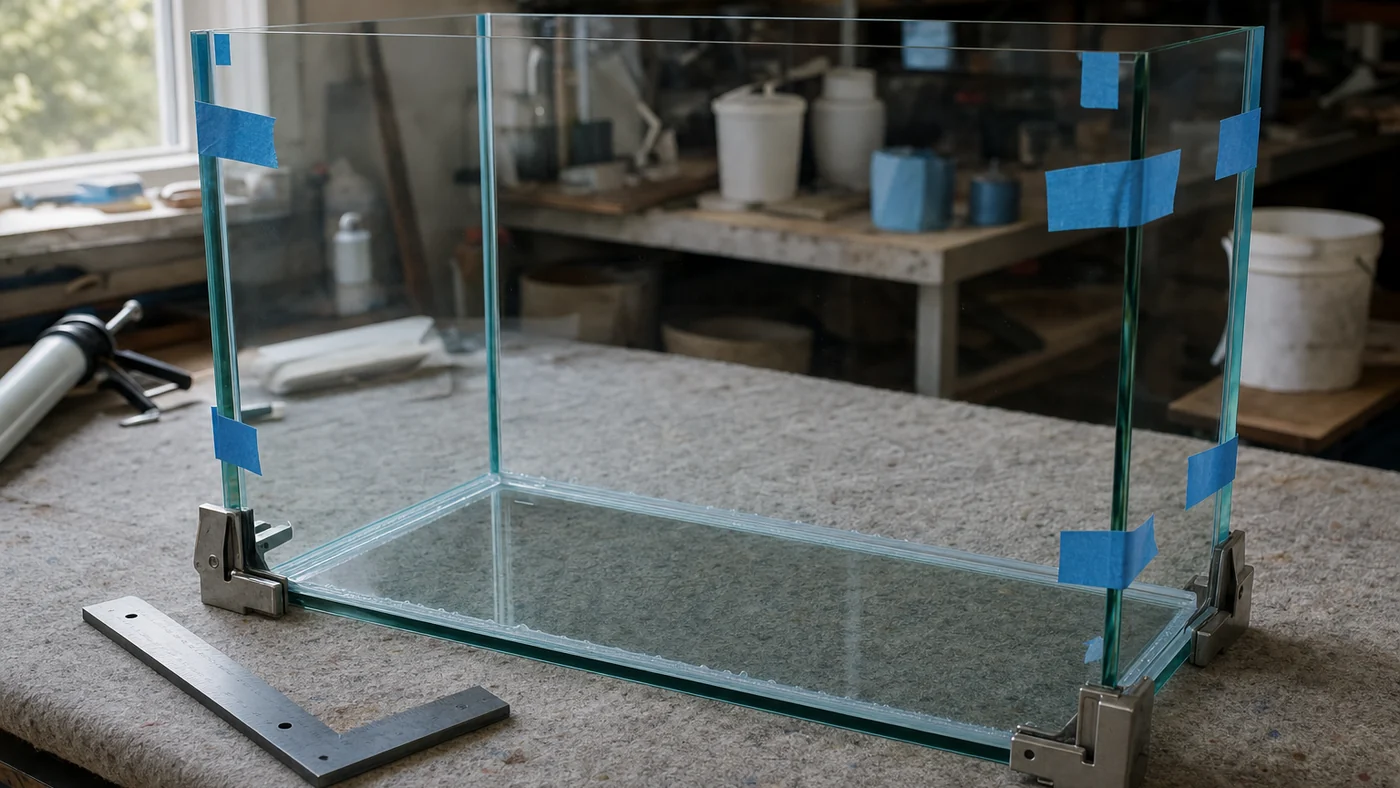
- Tank builders and aquarium brands buy cartridges by the carton, care about bead consistency, colour and adhesion data, and often prefer black seams. Ask for tensile and adhesion results for the grade, and do not print tank-size claims; glass thickness and seam design decide the tank, not the tube.
- Hobby retail and marketplace customers mostly reseal a leaking corner or fix a sump. They want a small tube, a nozzle that reaches inside corners and simple instructions: remove old silicone, clean and dry the glass, then seal.
- Terrariums, ponds and fish-room plumbing are adjacent uses. Only list them if the supplier confirms the grade for them.
For how sanitary grades differ and why they are not used in aquariums, see kitchen and bathroom silicone sealant.
Cure Time, Ventilation and the First Fill
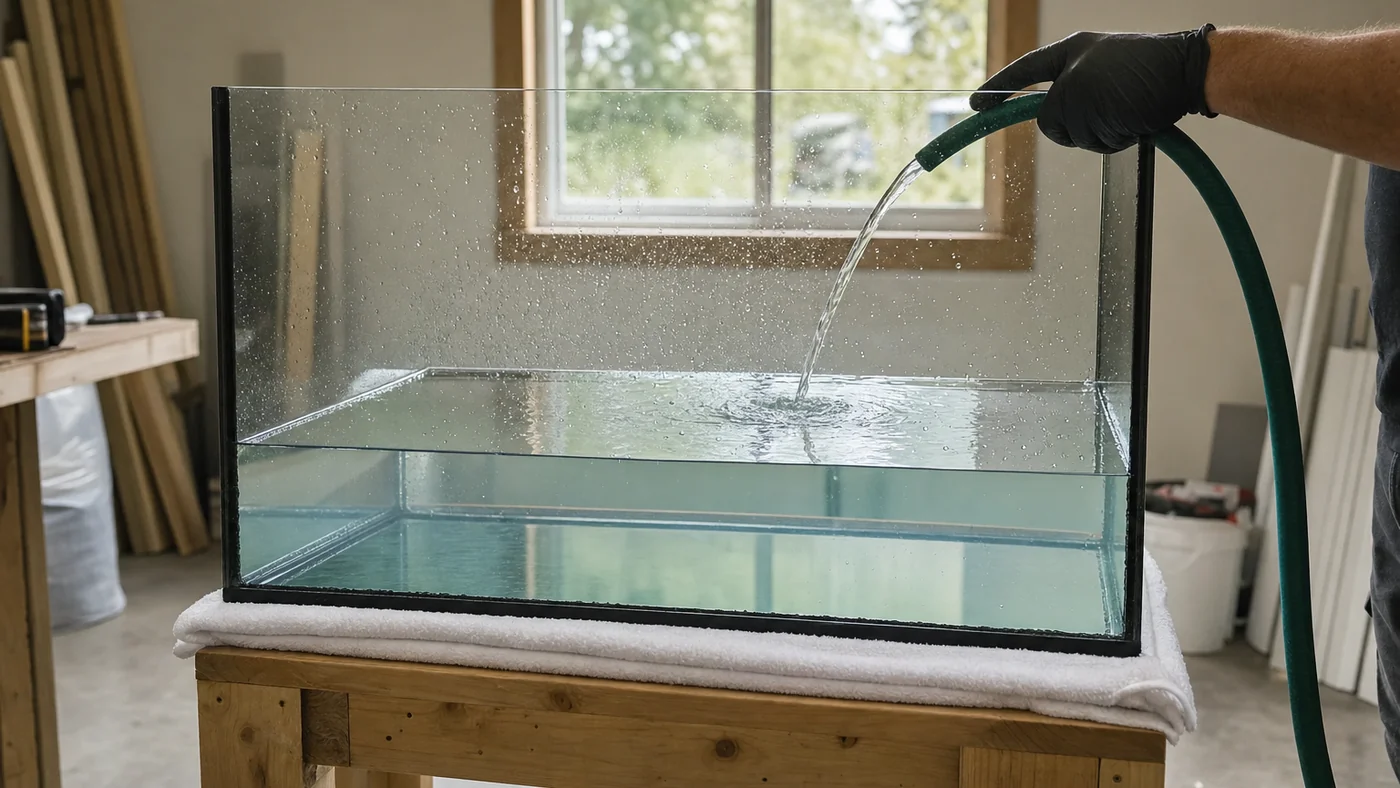
- Print a tested cure time. Many suppliers state 24 to 48 hours before filling and longer before livestock; thick seams and cold rooms need more. Use the supplier's figure for your grade, not a competitor's.
- Ventilation: acetoxy silicone smells of vinegar while curing. Advise customers to air the tank until the smell has gone, then rinse it before the leak test.
- Leak test before livestock: fill with water on a level stand, check every corner and the base, then drain and set up. This one line on the pack prevents many claims.
- Shelf life: silicone in an old or poorly sealed tube can skin over or cure slowly. Ask for unopened shelf life and print the lot date. See silicone sealant cure time for how cure depth develops.
Colours, Packs and the Pet-Trade Channel
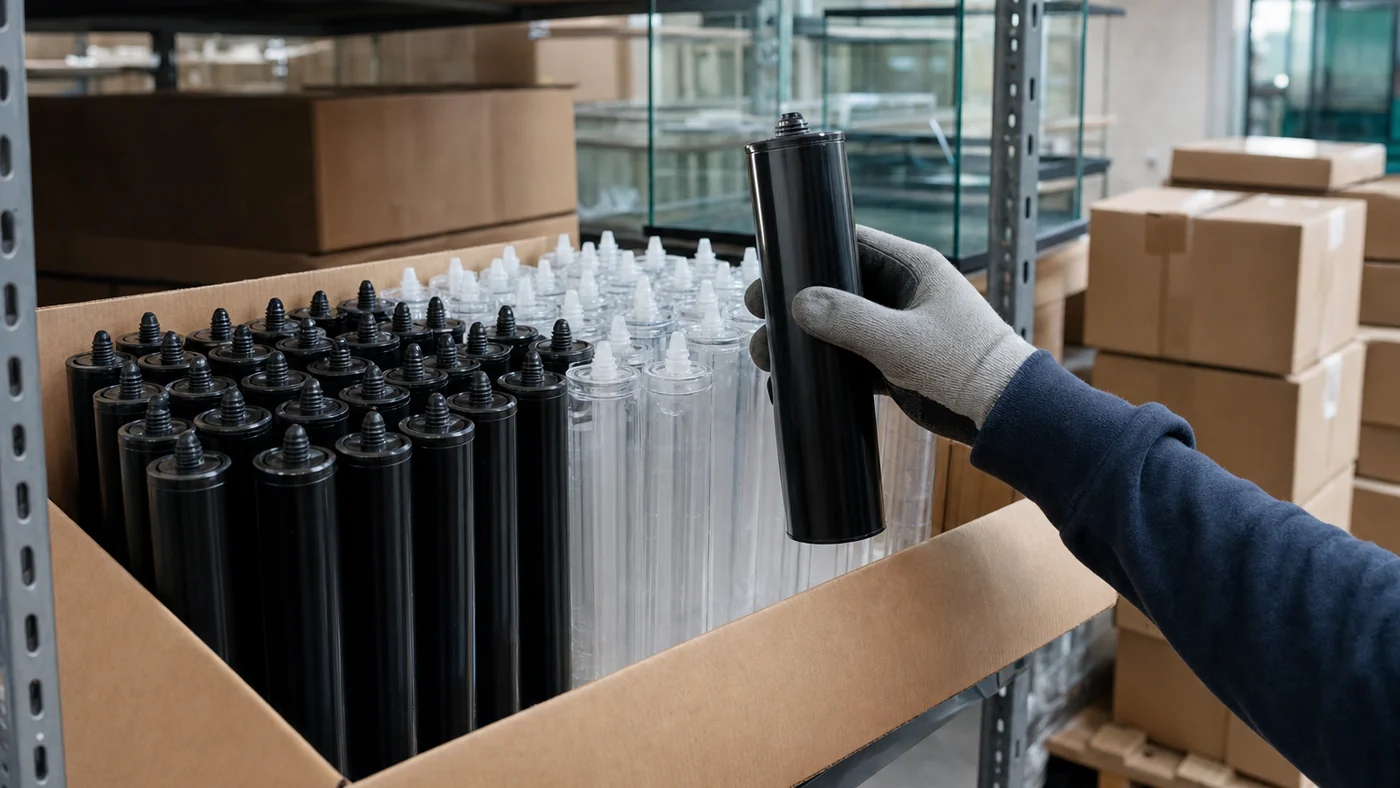
- Clear and black first. Clear sells to resealing customers; black to builders and display-tank brands. Other colours rarely justify the MOQ.
- Pack sizes: small squeeze tubes for pet stores and marketplaces; standard gun cartridges for builders. GLE-028's listing shows squeeze tubes; cartridge versions are confirmed by inquiry.
- Claim wording: "aquarium safe" or "safe for fish" is a claim your brand carries. Back it with the supplier's formula statement and avoid "non-toxic" or "food grade" unless you hold the evidence for that exact grade.
- Private label: label languages, cure instructions, warnings from the SDS and barcodes. See OEM adhesive packaging options.
RFQ Checklist for Aquarium Silicone
- Channel (pet retail, marketplace, tank builders, aquarium brand) and main use: building, resealing, both.
- Formula requirement: 100% silicone, no fungicide or other biocide, written statement per grade and colour.
- Cure type, tested cure time before filling, and ventilation advice for the label.
- Adhesion and tensile data on glass, and the standard used.
- Colours (clear, black), pack sizes, nozzle, carton count, label languages and artwork.
- Documents: TDS, SDS for your market, formula statement, COA per lot.
- Quantity per colour, destination port and target price for sample, trial and container orders.
What GlueMFG Can Support Around This Topic
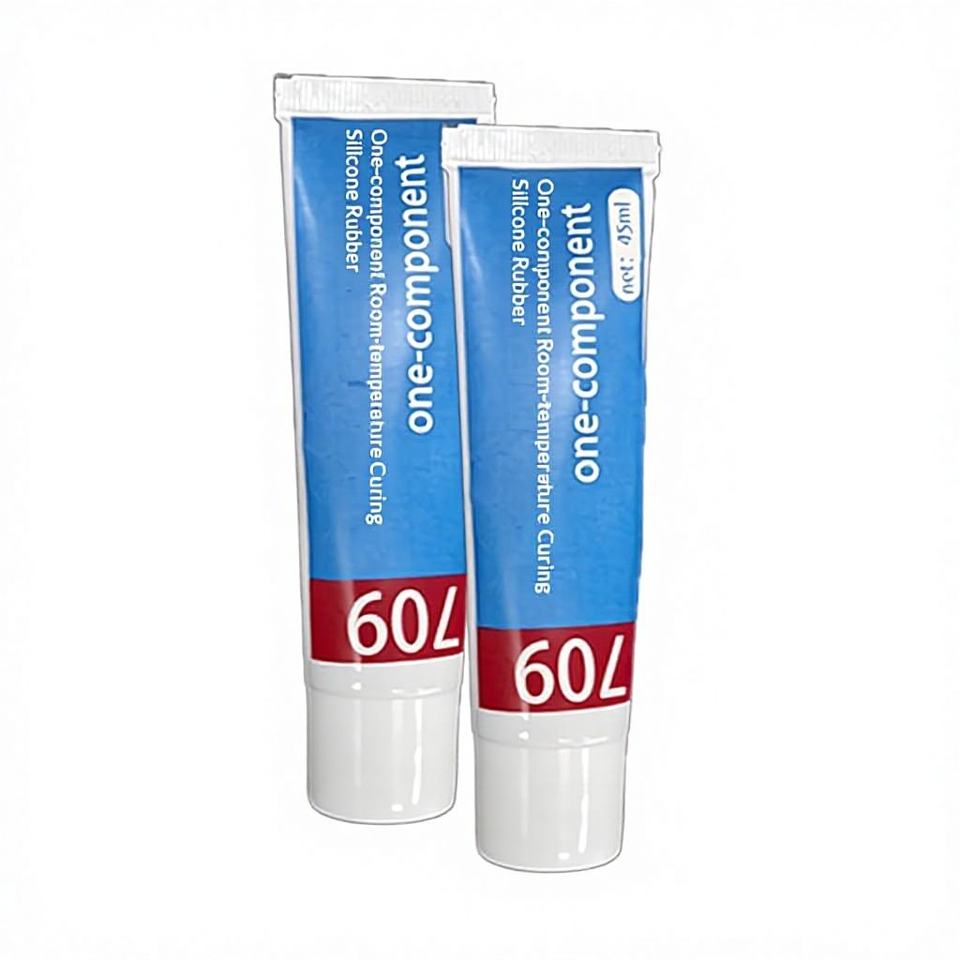
GLE-028 One-component silicone
709 silicone rubber in squeeze tubes. Aquarium-grade version without biocide, colours and cartridges confirmed by inquiry.
Silicone OEM program
Private-label silicone across sanitary, weatherproof and specialty grades. See the silicone sealant manufacturer page.
Documents for import
MSDS, COA, packing list and invoice for export orders. See how to read an adhesive SDS.
Related GlueMFG Resources
- Kitchen and Bathroom Silicone Sealant: Mould-Resistant Grades
- Neutral vs Acetoxy Silicone: Sourcing Guide
- Silicone Sealant Cure Time
- Weatherproof / Waterproof Silicone Procurement Guide
- Silicone sealant manufacturer: OEM and private label
FAQ
What makes a silicone sealant aquarium safe?
An aquarium silicone is a 100% silicone sealant made without fungicides, mildewcides or other additives that can leach into water and harm fish. Most are acetoxy-cure. The safety claim depends on the exact formula, so ask the supplier for a written statement that the grade contains no biocides and is intended for aquariums, and keep it on file.
Can I sell bathroom silicone for aquariums?
No. Most kitchen and bathroom silicones contain a fungicide to slow mould, which is exactly what should not be in an aquarium. Keep aquarium silicone as a separate SKU with its own formula statement and label, and say clearly on sanitary grades that they are not for aquariums.
How long must aquarium silicone cure before adding water?
It depends on the grade, bead size, temperature and humidity. Many suppliers state at least 24 to 48 hours before filling, and longer before adding livestock; thick seams on large tanks take longer. Print the supplier's tested cure time on the pack and tell customers to air the tank until the vinegar smell has gone.
Black or clear aquarium silicone?
Clear is the general choice and hides small bead variations on rimless tanks. Black is popular with tank builders because it frames the glass and hides stains on seams. Stock both if you sell to builders; retail resealing customers mostly buy clear.
Is aquarium silicone strong enough to build a tank?
Aquarium silicone is used to build all-glass tanks, but strength depends on glass thickness, seam design, bead quality and tank size, not only on the sealant. Large tanks should follow a builder's glass and seam design. Ask the supplier for tensile and adhesion data for the grade and do not print tank-size claims you cannot support.