Stock neutral-cure silicone first if you are supplying mixed B2B channels such as contractors, distributors, or private-label buyers who may apply the sealant to metal, mirror, stone, PVC, aluminum, or unknown construction surfaces. Add acetoxy silicone as a second SKU when you have a clear glass, ceramic, tile, or price-driven sanitary sealing order.
Neutral-cure and acetoxy silicone can look almost identical on a factory catalog page: same cartridge, same white or clear bead, same general silicone sealant label. The difference appears during cure, after the buyer opens the tube and applies it to a real surface.
For an importer, this is not only a chemistry choice. It affects odor complaints, corrosion risk, after-sales support, landed cost, carton claims, and whether the buyer reorders the same SKU next season.
The Real Difference Is Cure Chemistry
Both products are one-component moisture-cure silicone sealants. Neutral-cure formulas usually release alcohol- or oxime-type byproducts. Acetoxy formulas release acetic acid, which creates the familiar vinegar smell during cure.
That byproduct decides most of the practical differences: whether the sealant is safer near metal, whether the odor is acceptable indoors, and whether the SKU should be positioned as a broad professional formula or a narrow low-cost formula.
| Buying factor | Neutral-cure silicone | Acetoxy silicone |
|---|---|---|
| Cure byproduct | Alcohol or oxime-type, depending on formula. | Acetic acid, which creates a vinegar-like smell. |
| Odor during cure | Lower and more acceptable for enclosed or residential channels. | Stronger, and more likely to trigger end-user complaints. |
| Substrate range | Better fit for metal, mirror, stone, concrete, PVC, aluminum, and mixed surfaces. | Good fit for glass, ceramic, glazed tile, and many sanitary sealing jobs. |
| Corrosion risk | Lower risk on sensitive metals when the formula is correctly selected. | Higher risk on some metals because acetic acid is released during cure. |
| Price position | Mid to higher cost; easier to sell as a safer professional SKU. | Lower cost; strong for volume retail and price-led tenders. |
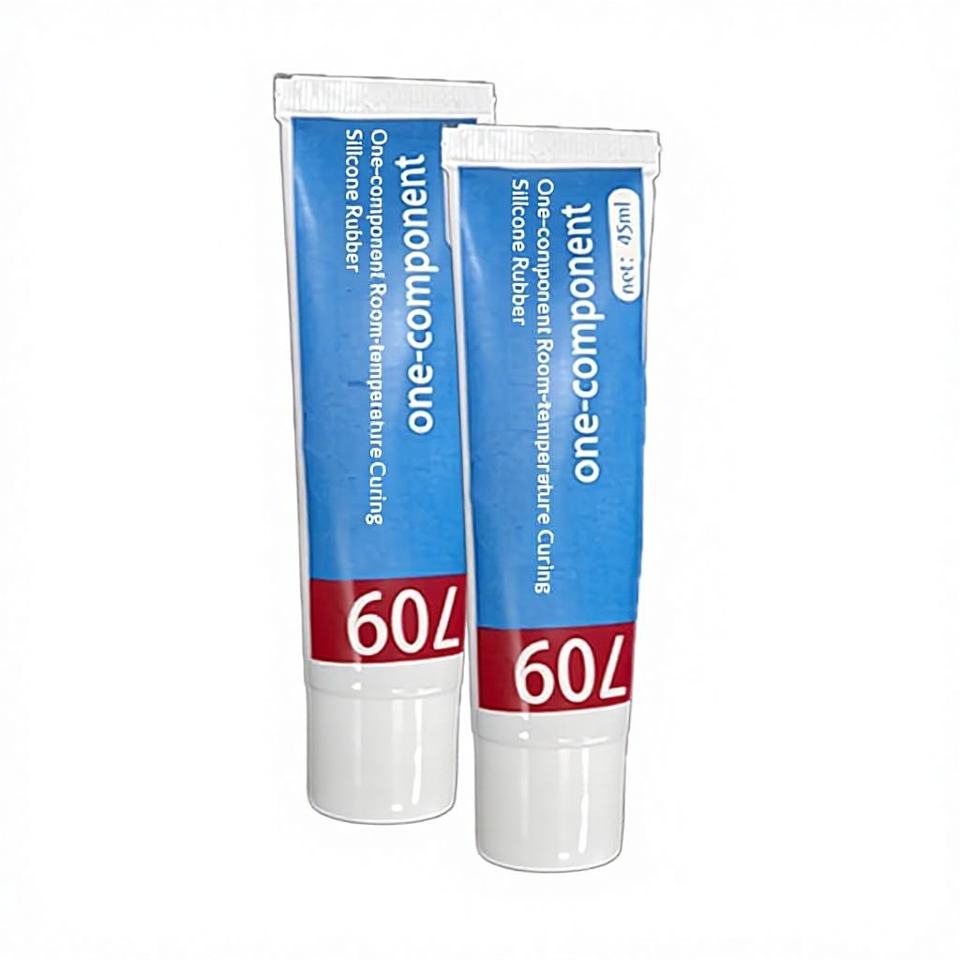
When Neutral-Cure Silicone Is the Safer First SKU
Choose neutral-cure silicone when your customers do not control the final substrate. Distributors and contractors often need one SKU that can handle many jobs without explaining a long list of restrictions at the counter.
It is the stronger default for aluminum frames, metal joints, mirrors, stone-adjacent sealing, concrete interfaces, PVC, and broad construction use. It also supports cleaner packaging claims such as low odor and non-corrosive positioning when the formula supports those claims.
When Acetoxy Silicone Still Makes Sense
Acetoxy silicone is not a bad formula. It is often the right formula when the application is narrow and known: glass sealing, ceramic surfaces, glazed tile, kitchen and bathroom sealing, or retail channels where buyers already recognize the vinegar smell as normal.
The advantage is landed cost. If your channel competes heavily on shelf price, acetoxy silicone can give distributors a sharper price point while still performing well on suitable surfaces.
Do not use acetoxy silicone as your only export SKU if customers will apply it to sensitive metal, mirror backing, natural stone, or unknown construction surfaces. The unit savings can disappear quickly if corrosion complaints, returns, or weak reorders follow.
Choose by Channel, Not Only by FOB Price
Mixed distributor order
Lead with neutral-cure. It gives a wider safety margin across metal, PVC, mirror, and general construction buyers.
Glass and tile channel
Acetoxy silicone can work well when the end use is confirmed and price competitiveness matters most.
Private-label premium line
Neutral-cure usually supports stronger packaging claims and a more professional shelf position.
Verify the Cure Type Before Bulk Production
- Request the TDS with named cure chemistry. The document should say neutral-cure or acetoxy clearly.
- Apply the sample on the real target substrate. Do not rely only on a generic test board.
- Check odor during cure. A sharp vinegar smell usually indicates acetoxy chemistry.
- Ask for a corrosion test coupon if customers will seal near copper, brass, plated fittings, or sensitive metal surfaces.
What GlueMFG Can Prepare for This Category
GlueMFG can help buyers compare cartridge size, nozzle type, carton count, label material, cure type, shelf life, and export documents before order confirmation. Formula and packaging should be confirmed against your destination market and buyer channel.
General-Purpose Silicone Sealant
Standard cartridge format for construction and general sealing channels.
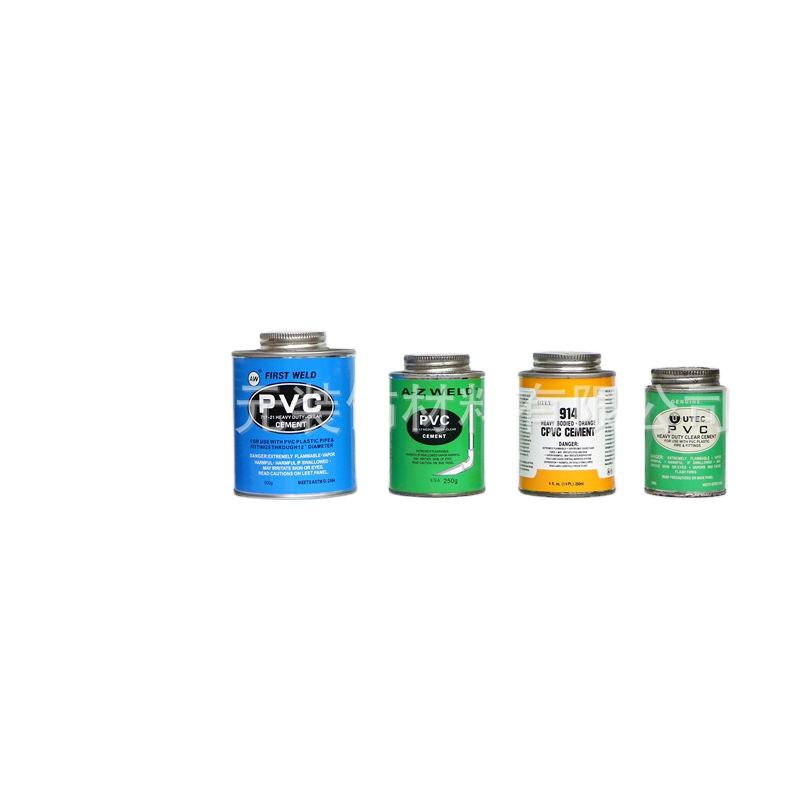
PU / Silicone Sealant
Common for pipe, joint, and construction-related sealing SKUs.
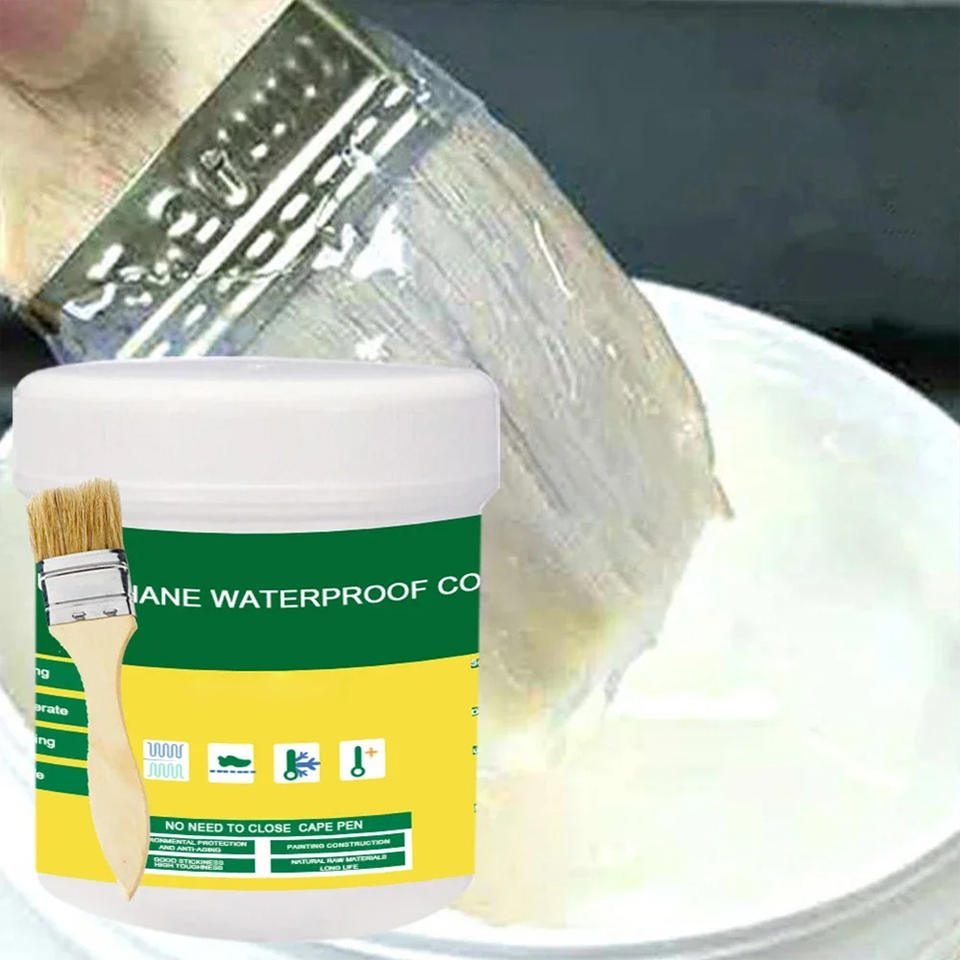
Transparent Waterproof Sealant
Clear-cure option for visible joints where bead appearance matters.
Related GlueMFG Pages
Browse the GlueMFG product catalog for current glue and adhesive SKUs, or return to the GlueMFG homepage to review OEM packaging and export support.
FAQ
Is neutral-cure silicone always better than acetoxy silicone?
No. Neutral-cure is safer for broad mixed channels, but acetoxy can be a better value for glass, ceramic, tile, and price-sensitive sanitary sealing.
Why does acetoxy silicone smell like vinegar?
It releases acetic acid during cure. The smell is normal for that chemistry, but it can create end-user complaints in enclosed spaces.
Which silicone type should importers stock first?
For broad construction and hardware channels, neutral-cure general-purpose silicone is usually the safer first SKU.