The best glue for wood depends on the joint, exposure and process. PVA wood glue (also sold as carpenter or white glue) covers most indoor furniture; D3/D4 PVA or polyurethane fits wet and exterior use; epoxy fills gaps and bonds oily woods or mixed materials; hot melt fits fast assembly and edge banding. Ask for the water-resistance class, open time and clamp time; for GlueMFG products these are confirmed by inquiry.
Furniture factories, joinery shops, hardware distributors and private-label brands buy “wood glue” for very different jobs: edge-glued panels, frame joints, veneer and laminate, outdoor furniture and retail bottles. One glue rarely fits all of them. This guide compares the main wood glue families by joint and exposure, explains the press and clamp settings that decide results, and lists the tests and RFQ data to agree before ordering. For PVA water-resistance classes in detail, see PVA wood glue D3/D4 for exporters; for moisture-curing PU, see polyurethane glue for OEM buyers.
Wood Glue Families by Joint and Process
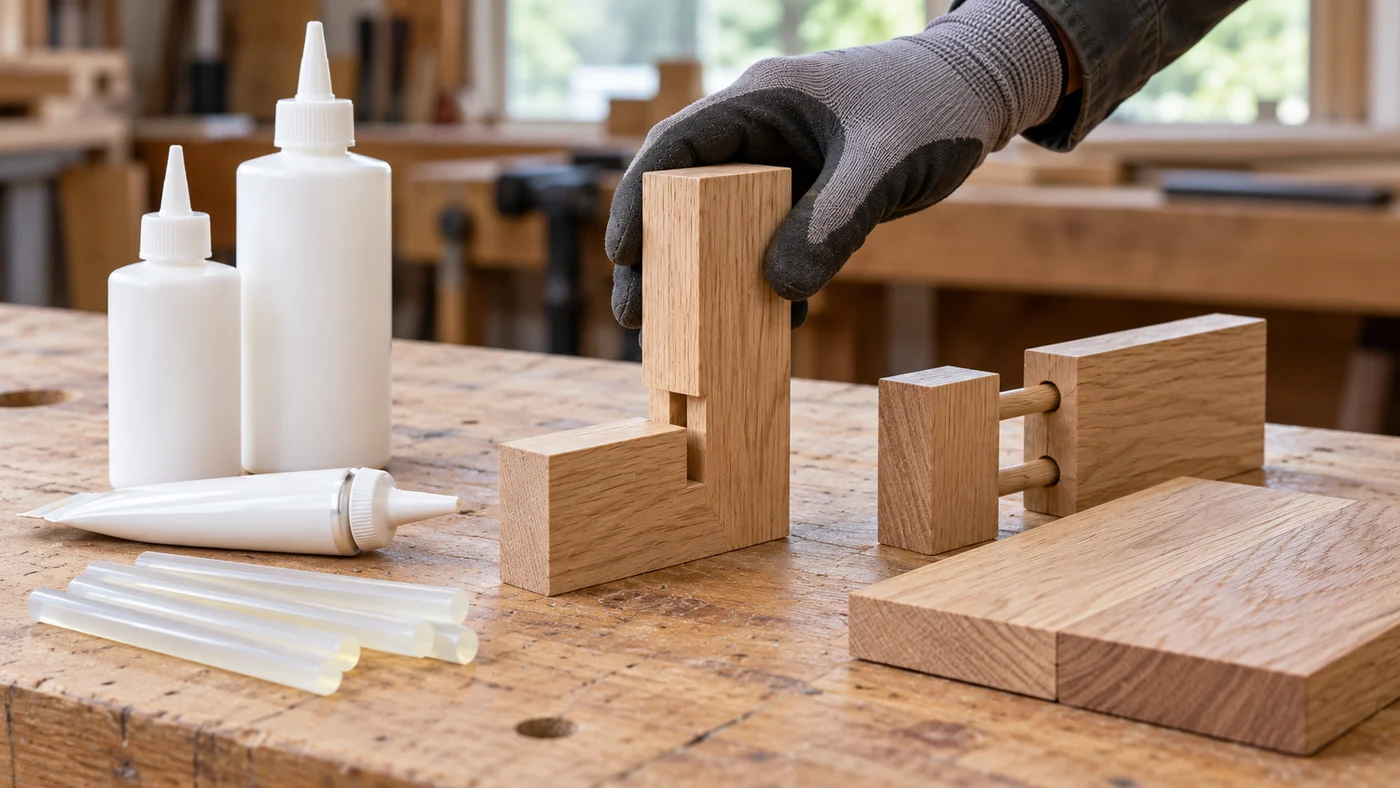
| Glue family | Typical wood jobs | Limits to check |
|---|---|---|
| PVA (white / carpenter / yellow glue) | Frame joints, dowels, edge-glued panels, indoor furniture | Water resistance class, creep under constant load, cold-weather use |
| D3/D4 or cross-linking PVA | Kitchen, bathroom and some exterior furniture | Class claimed vs test report, pot life of two-part D4 |
| Polyurethane (PU / PUR) | Exterior joinery, mixed materials, end-grain and wet timber | Foaming, needs moisture and clamping, isocyanate labelling |
| Two-part epoxy | Gap filling, oily tropical woods, wood to metal or stone | Mixing, cost, longer cure |
| Hot melt | Edge banding, fast assembly, upholstery frames | Heat resistance, equipment, open time |
| Contact adhesive | Laminate and HPL sheets to board | Solvent or water-based, spray or roller; see contact pages |
Do not buy one “all-purpose” wood glue for every line. A standard indoor PVA on outdoor furniture, or a fast hot melt on load-bearing frame joints, is a common cause of claims.
Panels and Joints: Spread, Open Time and Clamping
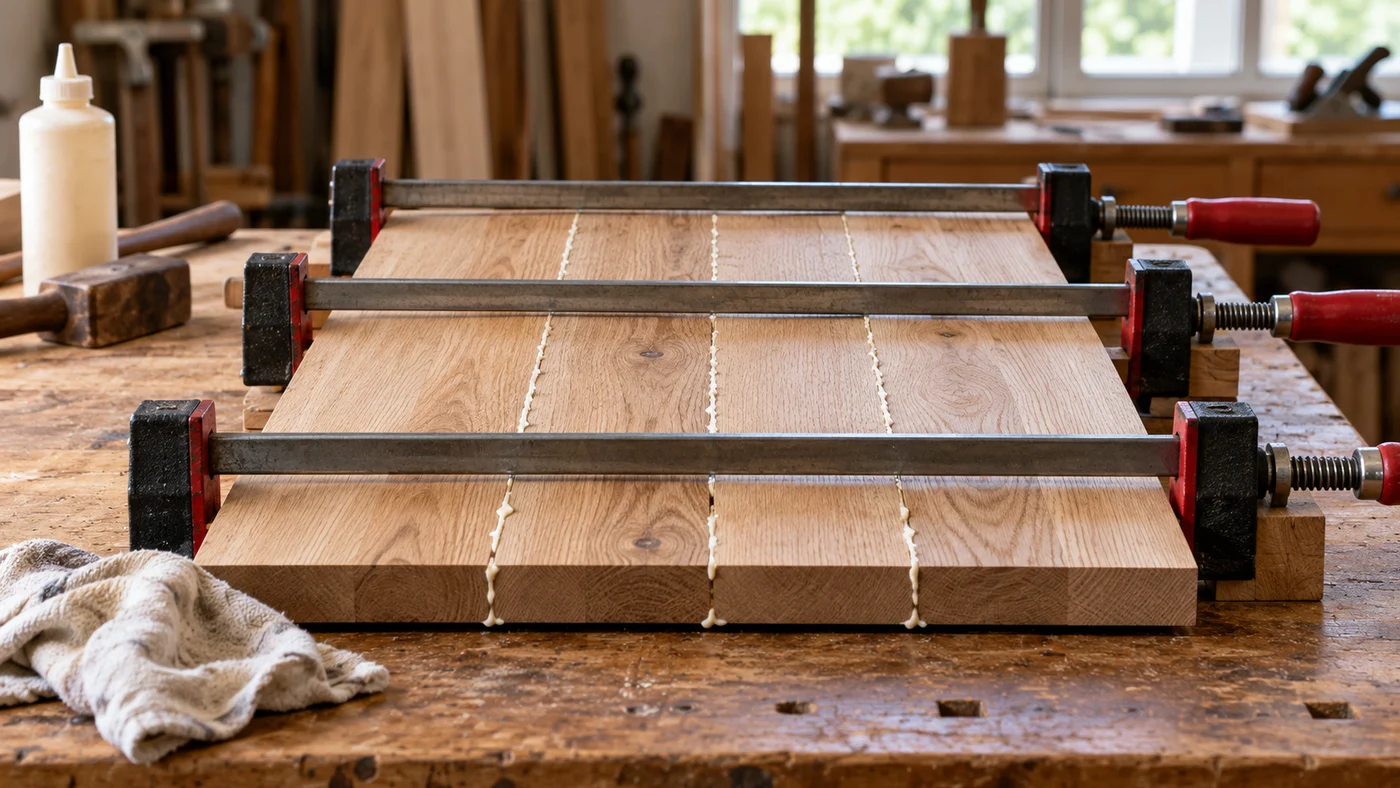
- Joint fit first: wood glues work best on clean, close-fitting joints; most PVA does not fill gaps.
- Moisture content: timber that is too wet or too dry gives weak joints and movement later. Agree a moisture range with your wood supplier.
- Open and assembly time: the time between spreading and clamping. Warm, dry workshops shorten it; large panels need longer-open-time grades.
- Clamp pressure and time: enough pressure to close the joint, held for the press time on the TDS; full strength comes later.
- Temperature: PVA has a minimum film-forming temperature; check it for unheated workshops and winter shipping.
Veneer, Laminate and Panel Production
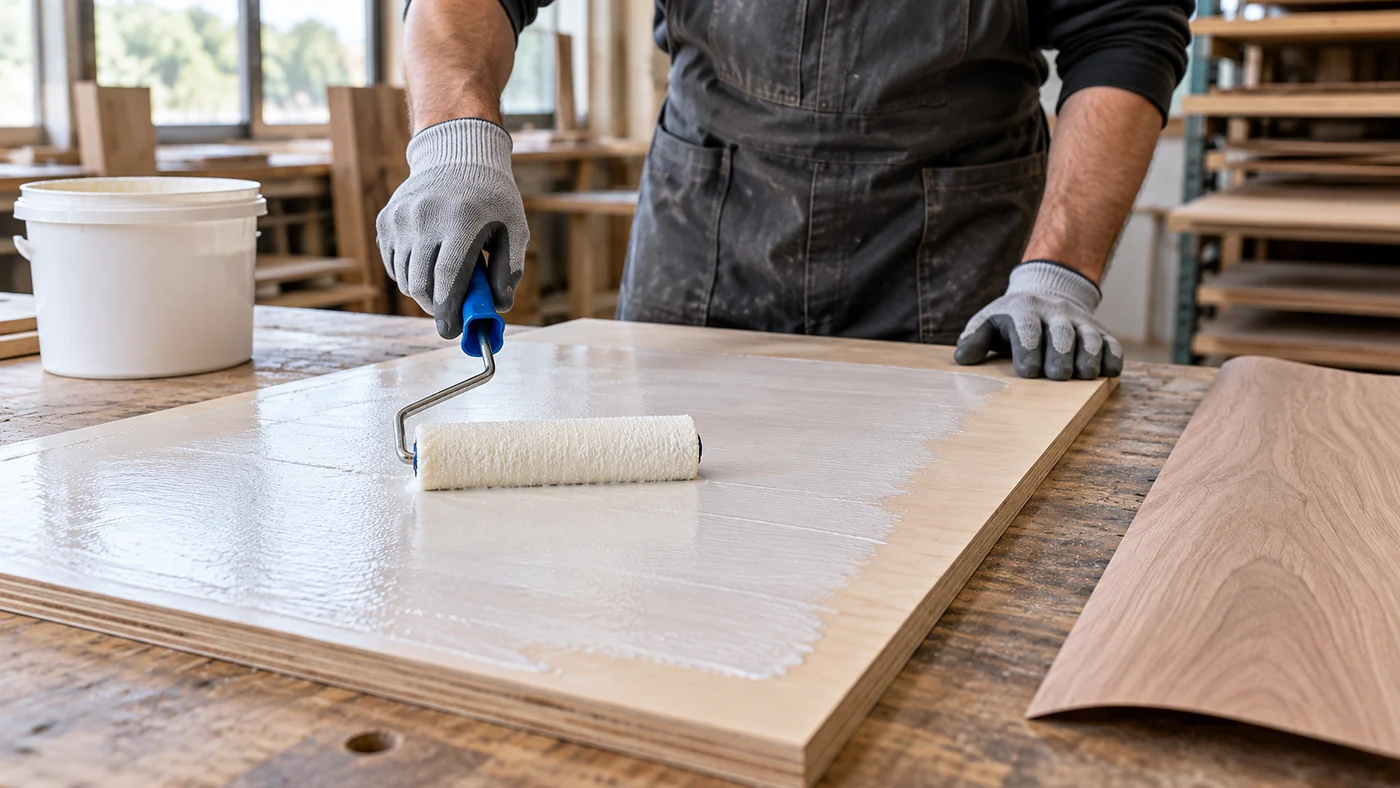
- Spread rate: ask for the recommended grams per square metre; too little starves the joint, too much bleeds through thin veneer.
- Cold or hot press: confirm whether the grade suits your press type, temperature and press time.
- Bleed-through and colour: check glue colour and staining on pale and thin veneers, and on oak or other tannin-rich woods.
- Emission rules: panel and furniture buyers may need formaldehyde or VOC statements for their market. See low-VOC adhesive compliance.
- Laminate to board: HPL and laminate sheets are usually bonded with contact adhesive. See solvent vs water-based contact adhesive.
Exterior Use and Testing Before You Order
- Water resistance classes: EN 204 classes D1 to D4 (tested by EN 205) are common in Europe; Type I and Type II water resistance claims are common in North America. Ask for the test report behind the claim.
- Heat and creep: PVA joints can creep under constant load or in hot containers. Ask for heat-resistance data if furniture ships through hot climates.
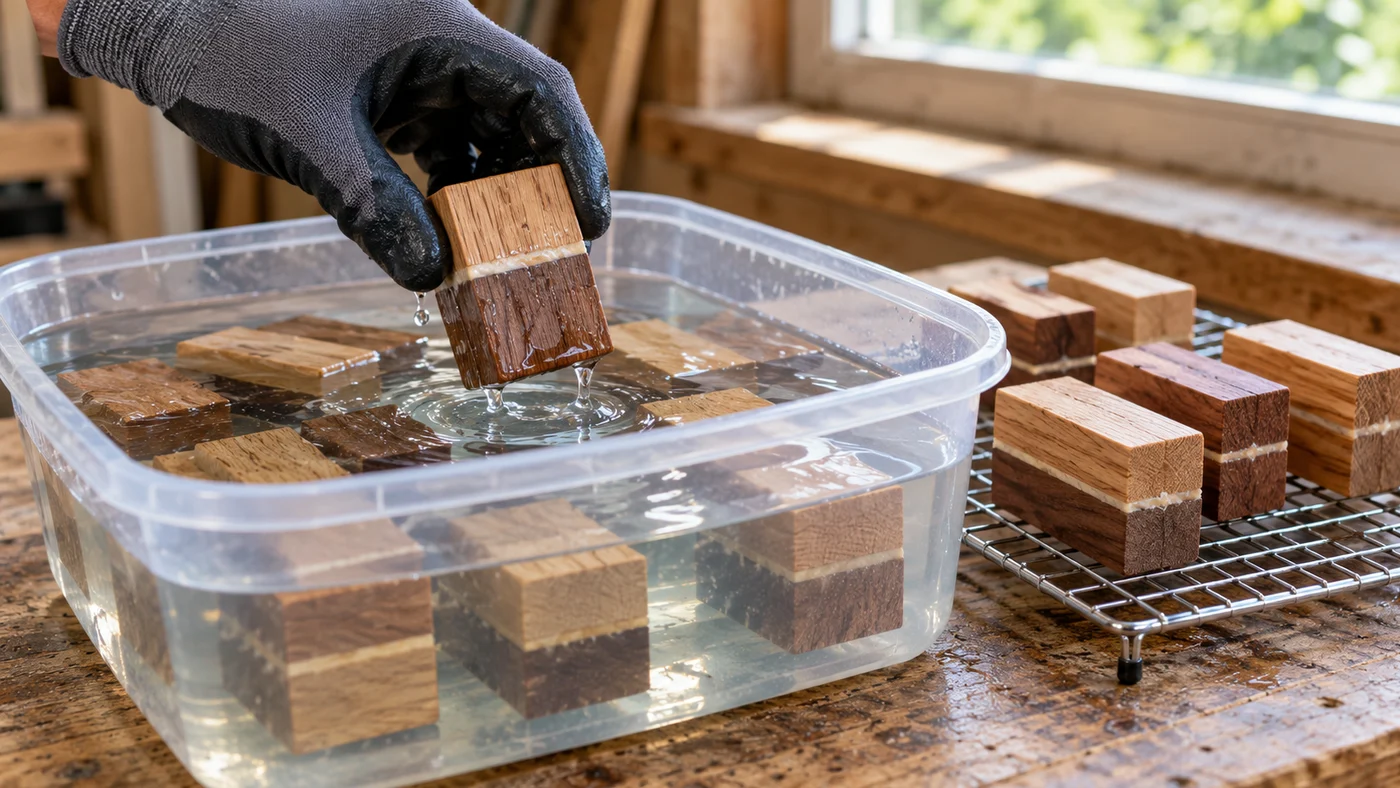
- Your own tests: glue sample joints in your species, soak and dry them, then break them and look at where they fail.
- Structural timber: load-bearing beams and glulam need adhesives certified for structural use; general wood glue is not a substitute.
- Agree the method: write the test and pass level into the order. See adhesive strength testing for buyers.
RFQ Checklist for Wood Glue
- Wood species, moisture range and products (frames, panels, veneer, outdoor furniture, retail).
- Joint types, gaps, and whether the joint is visible or must stay pale.
- Exposure: indoor, kitchen and bathroom, or exterior; required class (D2/D3/D4, Type I/II).
- Process: hand spread, roller or spreader, open time, clamp or press time and press temperature.
- Pack format: retail bottles, 5 kg or 20 kg pails, drums or IBCs; label language and claims.
- Documents: TDS, SDS, test reports for the class and any emission statement your market needs.
- Quantity per SKU, destination, climate in transit and sample, trial and container plan.
What GlueMFG Can Support Around This Topic
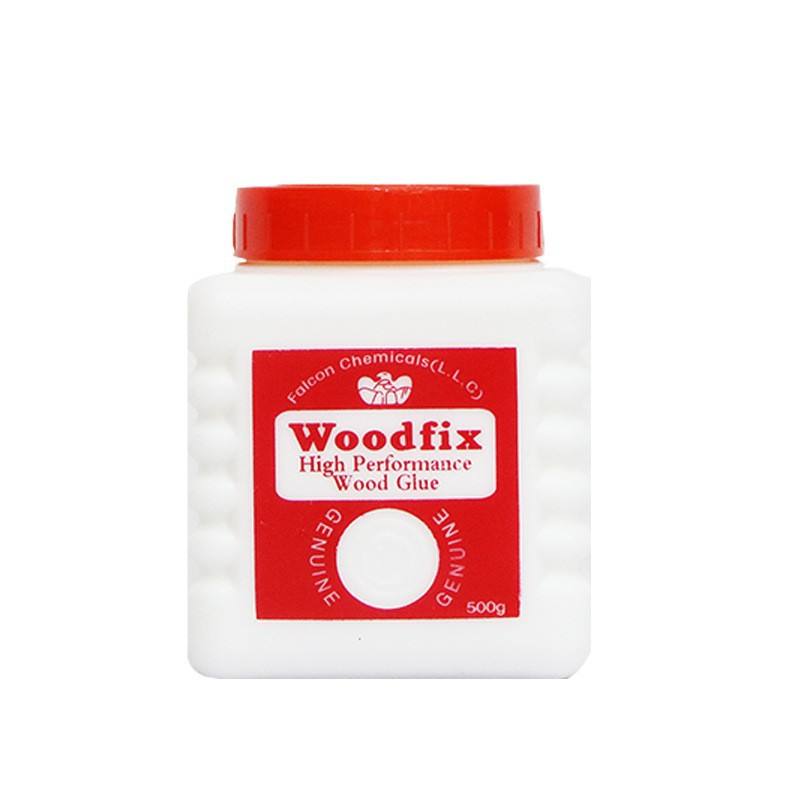
GLE-089 White wood glue
Listed white wood glue in bottles. Water-resistance class, open time and pack sizes are confirmed by inquiry.
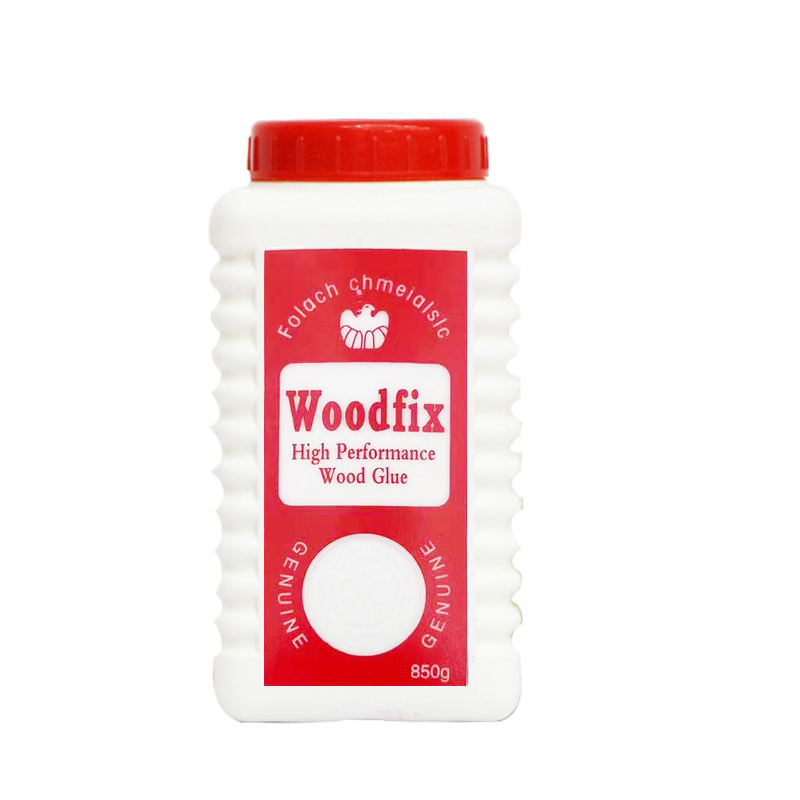
GLE-085 Latex wood bond
Listed wood bond glue for woodworking. Chemistry, class and bulk packs are confirmed by inquiry.
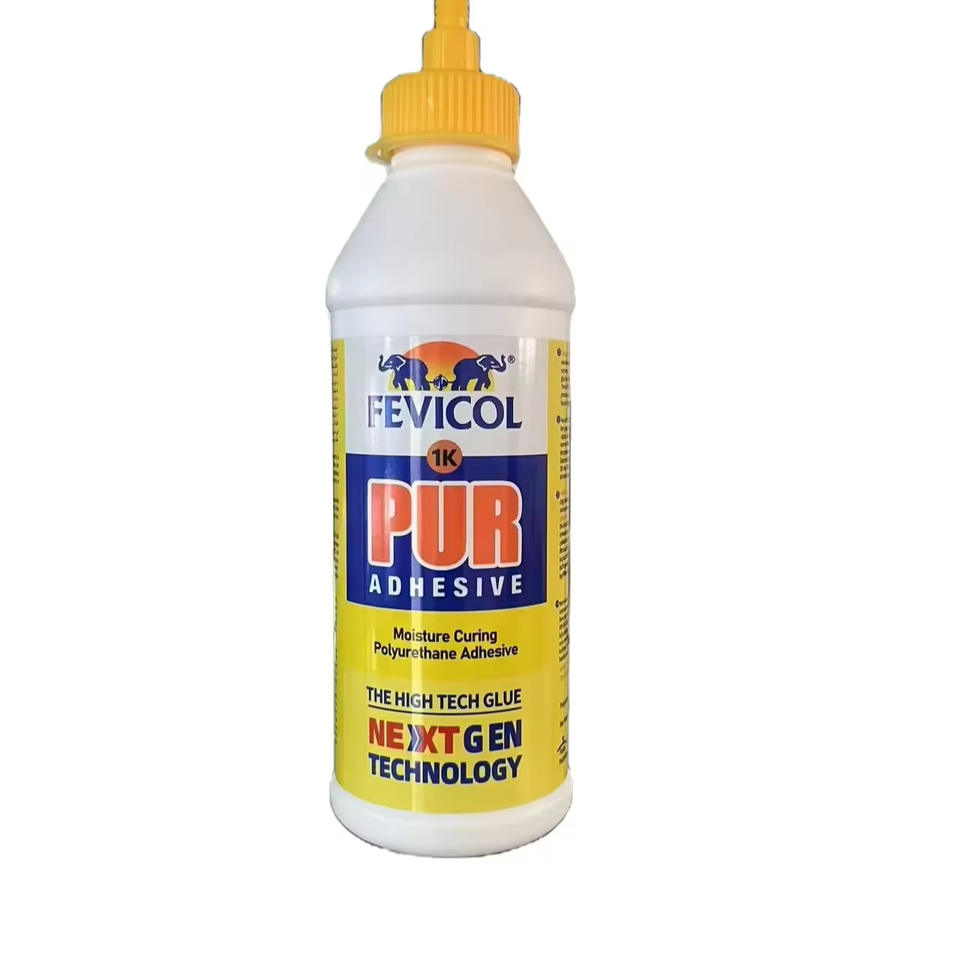
GLE-088 PUR wood-splicing glue
Listed polyurethane wood-splicing glue. Wet-wood suitability, cure time and SDS are confirmed by inquiry.
Related GlueMFG Resources
- PVA Wood Glue D3/D4 for Exporters and Furniture OEMs
- Polyurethane Glue for OEM and Distributor Buyers
- Hot Melt Adhesive Selection Guide
- Adhesive Drying and Cure Time for B2B Buyers
- GlueMFG product catalog
FAQ
What is the best glue for wood?
For most indoor furniture and joinery, PVA wood glue is the usual choice: it is water-based, easy to clean up and strong on well-fitting joints. Exterior and wet-area work often uses a D4-class PVA or polyurethane glue; epoxy fits gap filling and oily or mixed materials; hot melt fits fast assembly and edge banding. The joint, exposure and process decide the glue.
Is carpenter glue the same as wood glue?
Usually yes. Carpenter glue, carpenter's glue, yellow glue and white wood glue are trade names for PVA-type wood glues. Grades differ in water resistance, open time, viscosity and colour, so compare the TDS rather than the name.
What wood glue should be used outdoors?
Look for a stated water-resistance class: in Europe, EN 204 class D3 for occasional wet exposure and D4 for frequent exposure or exterior use; in North America, glues are often sold as Type I or Type II water resistant. Polyurethane glue and epoxy are also used outdoors. Load-bearing structural timber needs adhesives certified for that use.
Is wood glue stronger than the wood?
On clean, well-fitted joints that are clamped properly, good wood glues often break in the wood rather than in the glue line. Poorly fitting joints, too little glue, short clamping, wet timber or oily woods give much weaker results, so test on your own species and joints.
Which wood glues does GlueMFG list?
GlueMFG's Wood / Craft category includes GLE-089 white wood glue, GLE-085 latex wood bond, GLE-082 water-based woodworking glue and GLE-088 PUR wood-splicing glue. Water-resistance class, open time, pack size, SDS and MOQ are confirmed by inquiry: send the wood species, joint type, exposure and quantity.