For OEM contact adhesive sourcing, choose solvent-based when you need fast grab and broad laminate/veneer tolerance and your market accepts VOC/hazmat; choose water-based acrylic when indoor VOC, formaldehyde-free claims, or non-flammable warehouse rules dominate. Specify substrates, open time at your shop temperature, coat weight, and can size before you compare price. This page is solvent vs water-based chemistry for contact/acrylic — not spray-can format (see the contact cement vs spray adhesive guide).
Furniture OEMs, laminate shops, and private-label buyers often search “contact adhesive” when they must pick a chemistry family for a production line. On the factory side the fork is clear: solvent-borne contact cement versus water-based acrylic contact adhesive — different VOC, open time, and warehouse rules.
Do not invent viscosity or open-time numbers from a catalog card. Where GlueMFG public listings lack data, treat specs as confirm by inquiry.
Solvent-Based Contact Adhesive on the Line
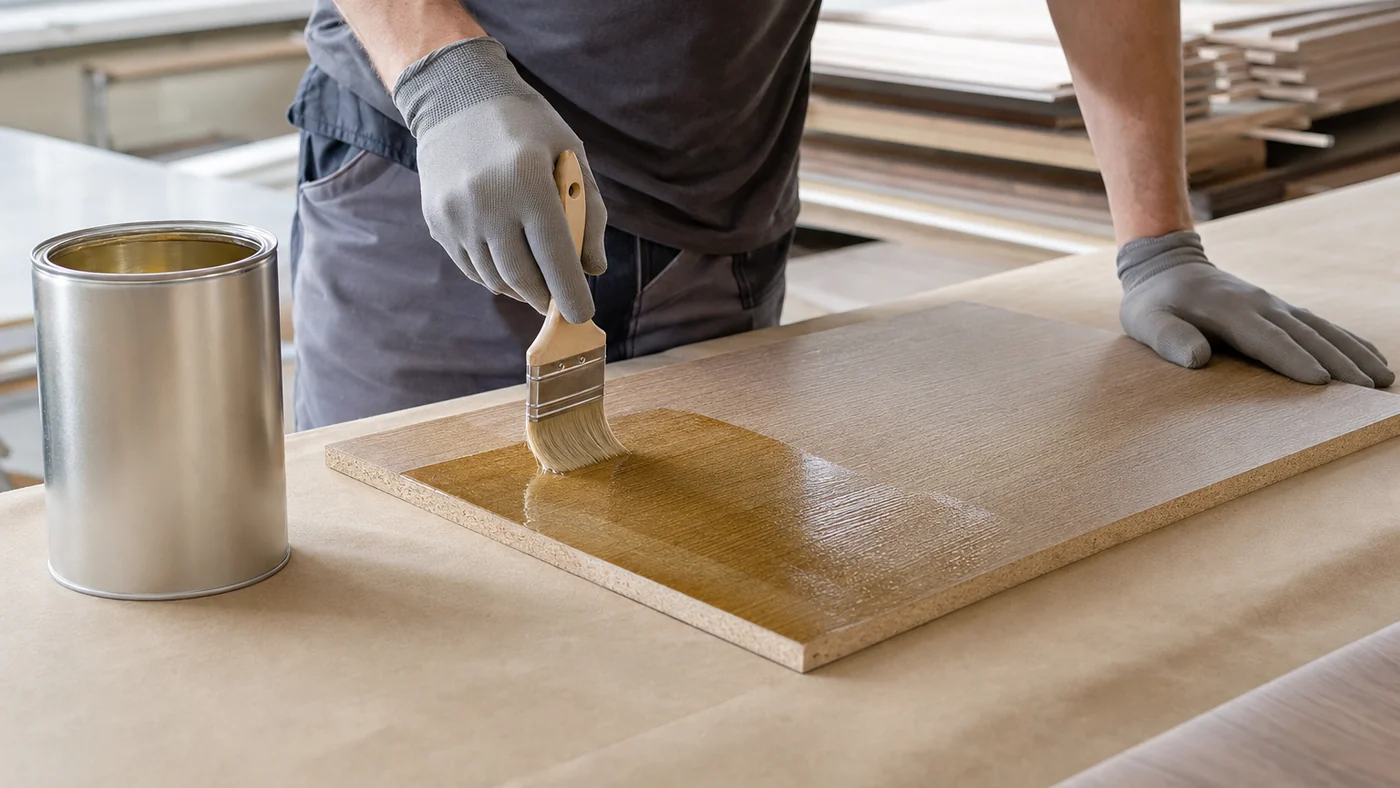
Solvent-based contact adhesives (including many oil-based acrylic contact grades) are still common for high-pressure laminate, veneer, and some rubber/plastic bonds where immediate green strength matters.
- Process: coat both faces, wait to tack, mate once, roll or press — repositioning is usually limited.
- Strengths: often faster grab and good wetting on many non-porous skins when the formula matches the substrate.
- Trade-offs: flammable solvents, VOC, odor, and hazmat paperwork for export and warehouse storage.
Do not treat solvent contact adhesive as interchangeable with spray adhesive, PVA wood glue, or construction adhesive. And do not print a “formaldehyde-free” or low-VOC claim on an OEM solvent can unless the TDS for that exact grade supports it.
Water-Based Acrylic Contact Adhesive
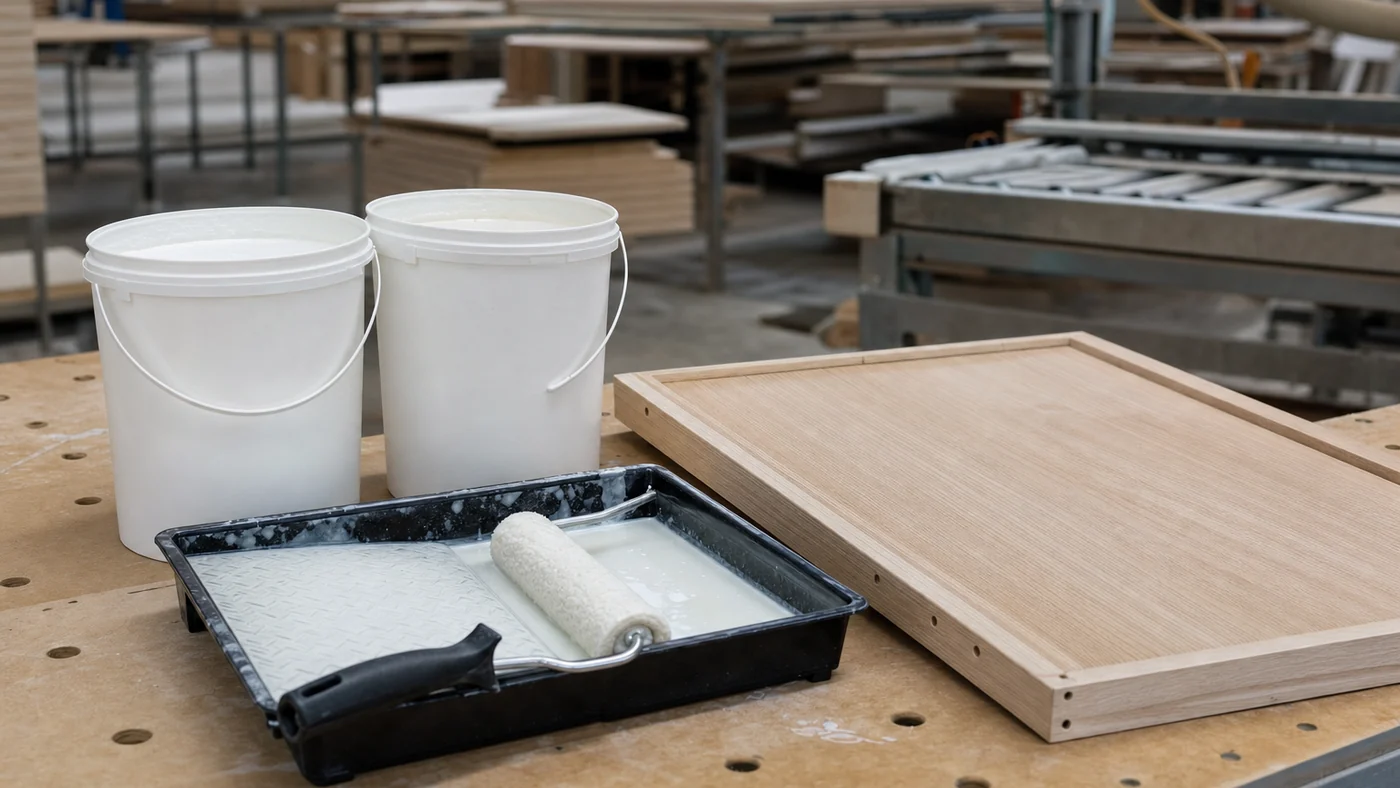
Water-based acrylic contact adhesives suit many furniture and panel OEMs that must meet indoor air or retailer VOC programs. They still need correct open time and pressure — “water-based” does not mean clamp-free.
- Typical fit: wood, some laminates, and indoor furniture lines where flammability is a warehouse problem.
- Watch-outs: freeze/thaw, longer open time, and substrate pairs that still need a solvent grade — confirm on the TDS.
- Claims: formaldehyde-free wording only if documented for that SKU (e.g. catalog GLE-011 style listing — verify before OEM print).
Solvent vs Water-Based: Buyer Comparison
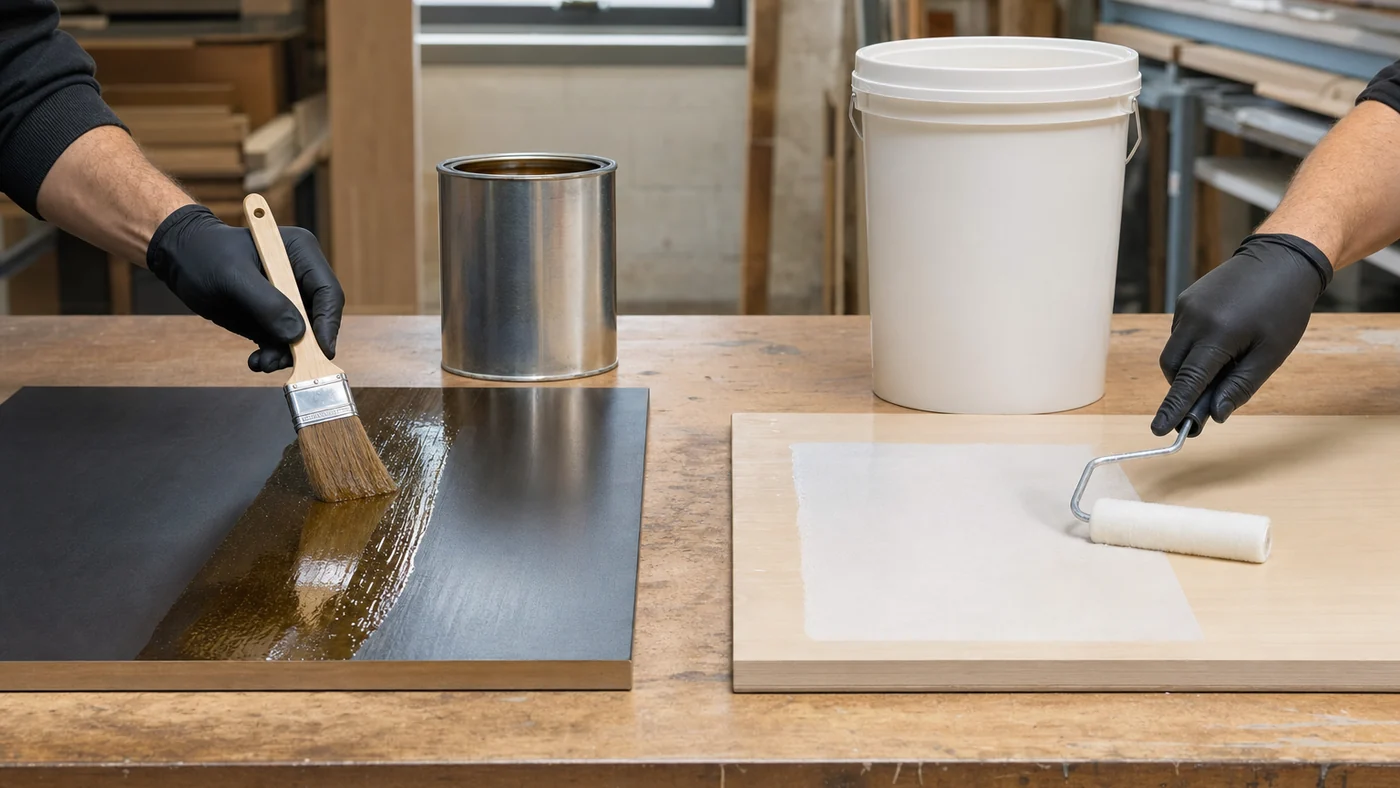
| Decision | Solvent-based contact | Water-based acrylic contact |
|---|---|---|
| Grab / green strength | Often faster; good for high line speed | May need more open time or pressure |
| VOC / odor | Higher; check market VOC limits | Usually lower; better for indoor programs |
| Warehouse | Flammable solvent — hazmat planning | Often non-flammable liquid rules |
| Substrates | Wide for many laminates/veneers | Strong on many woods; verify plastics |
| OEM claims | Do not invent low-VOC claims | Formaldehyde-free only if documented |
For spray application format versus contact cement process, use the contact cement vs spray adhesive guide. For general construction cartridges, see the construction adhesive buying guide.
Solvent contact adhesives usually need SDS, UN packaging where applicable, and warehouse segregation. Water-based grades still need SDS and freeze protection. Landed cost that ignores freight class is not a real quote.
RFQ Checklist for OEM Buyers
- Chemistry: solvent-based contact vs water-based acrylic (or dual SKUs for two channels).
- Substrates: HPL, veneer, MDF, rubber, plastics — send actual skins when possible.
- Process: open time and set at stated °C; coat weight; roller vs brush vs sprayable (if needed).
- Compliance: VOC target, formaldehyde-free need, flammability for warehouse.
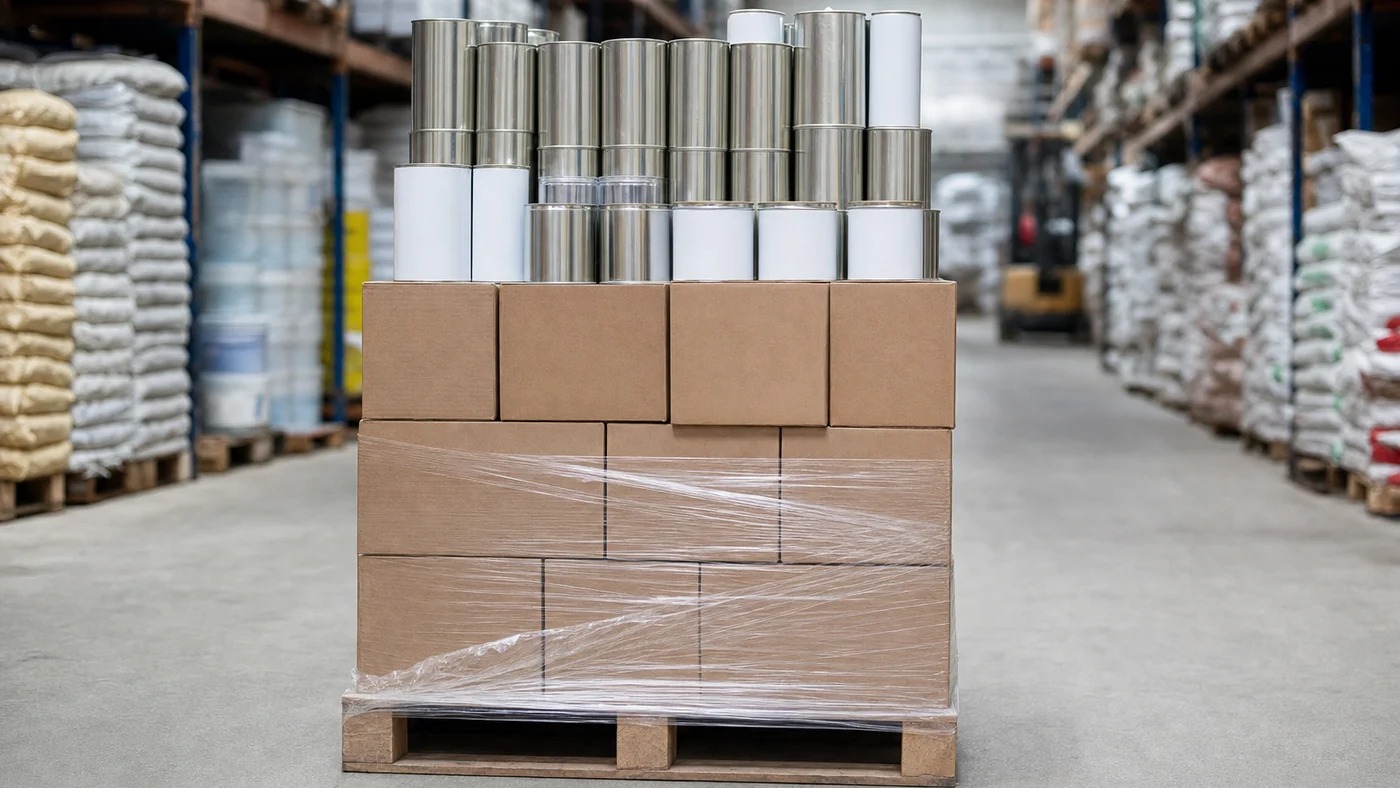
- Pack: can/pail size, carton count, OEM label languages, private-label artwork timeline.
- Docs: TDS (solids, open time, substrate list), SDS, COA — only print what is documented.
- Volume: sample → trial carton → pallet → container.
What GlueMFG Can Support Around This Topic
GlueMFG lists 93 SKUs across 13 categories. The Contact / Acrylic Adhesive category currently includes GLE-005 505 Strong Acrylic Adhesive, GLE-006 828 Elephant Acrylic Universal, GLE-007 Acrylic Adhesive Contact Glue, GLE-008 Acrylic Oil based Adhesive, GLE-009 Acrylic Original, GLE-010 Ceramic Repair Filler for Acrylic, and GLE-011 Formaldehyde free Acrylic Water. Public cards do not publish full open time, viscosity, or VOC class — confirm TDS and OEM packs by inquiry before you print claims or lock a BOM.
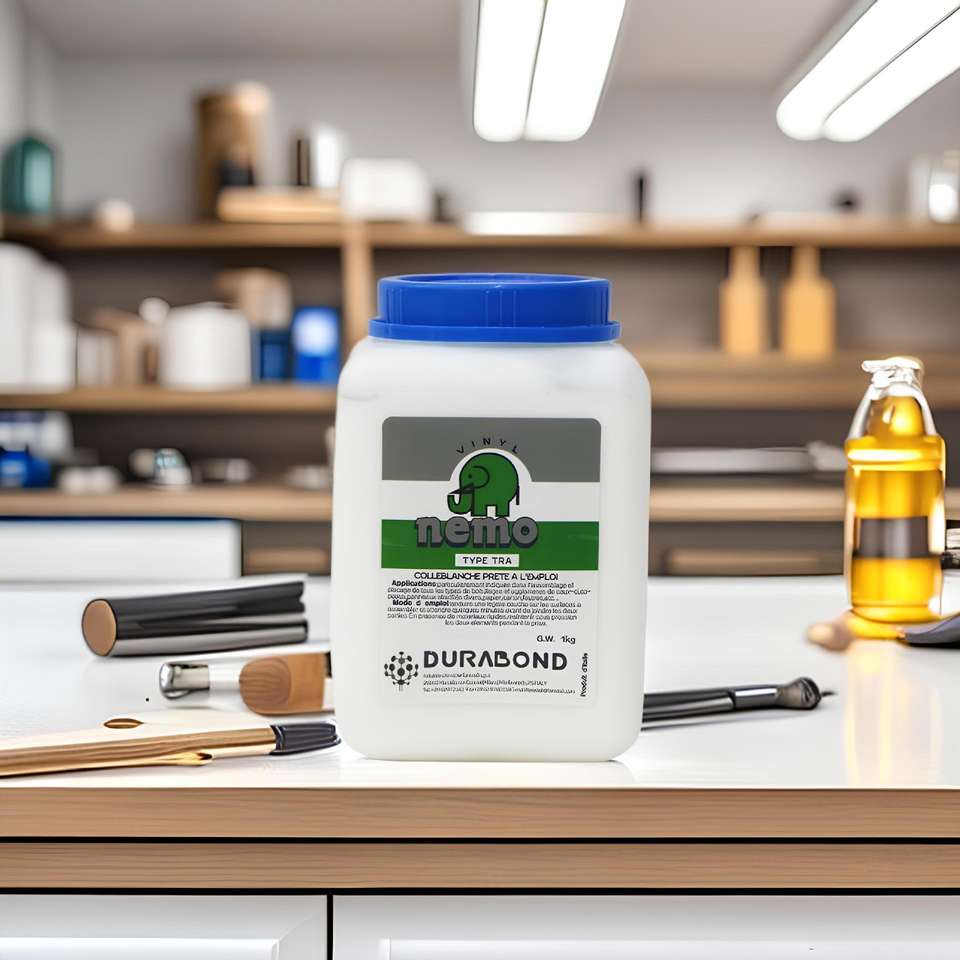
Water-based Acrylic (GLE-011)
Listed formaldehyde-free water acrylic. Confirm contact process fit and pack sizes on the TDS.

Contact Glue (GLE-007)
Listed contact/acrylic can. Verify substrate list and chemistry family by inquiry.
Related GlueMFG Resources
- Product catalog (93 SKUs)
- Contact cement vs spray adhesive guide
- Construction adhesive buying guide
- PVA wood glue D3/D4 for exporters
- Pressure sensitive adhesive sourcing guide
FAQ
What is contact adhesive for OEM buyers?
Contact adhesive (often called contact cement in trade) is applied to both surfaces, allowed to become tacky, then mated under pressure for an immediate bond. OEM buyers specify chemistry (solvent-based vs water-based acrylic), open time, solids, substrate list, and pack size — not only “strong glue.”
When should OEM buyers choose solvent-based contact adhesive?
Solvent-based grades often give faster grab and wider substrate tolerance for laminates, veneers, and some plastics when VOC and warehouse flammability rules allow them. Confirm open time, solids, and flammability/UN packaging on the TDS before you stock them for export.
When is water-based acrylic contact adhesive the better OEM pick?
Water-based acrylic grades are commonly preferred when indoor VOC limits, worker exposure, or non-flammable warehouse rules dominate. They may need longer open time or higher clamp pressure than solvent grades — confirm by TDS for your substrates and line speed.
Is this the same as spray adhesive?
No. Spray adhesive is an application format (aerosol or sprayable) often used for temporary hold or large-area coverage. Contact adhesive describes the two-coat, mate-when-tacky process. For spray vs contact cement production use, see GlueMFG’s contact cement vs spray adhesive guide.
Does GlueMFG list contact / acrylic adhesive SKUs?
Yes. The Contact / Acrylic Adhesive category lists GLE-005 through GLE-011, including oil-based acrylic (e.g. GLE-008 Acrylic Oil based Adhesive) and water-based options (e.g. GLE-011 Formaldehyde free Acrylic Water). Public cards do not publish full viscosity, open time, or VOC class — confirm TDS and OEM packs by inquiry.