For export furniture and joinery, specify PVA wood glue by water-resistance class (commonly EN 204 D2 / D3 / D4), not by bottle colour. Pair the class with open time / press time, solids/viscosity for your spreader, and OEM pack size (bottle vs pail vs drum). “White glue, lowest USD/kg” often returns an indoor D1/D2 grade that fails in humid container transit or outdoor-protected joinery.
Exporters get burned when a carton of white glue works in a dry sample room and then joints swell after a rainy season or a humid sea voyage. The fix is specification discipline: class, process window, and pack — then price.
This guide is for furniture OEMs, importers, and private-label brands. It is not a craft-glue shopping list.
Read Water-Resistance Class Before You Read Price
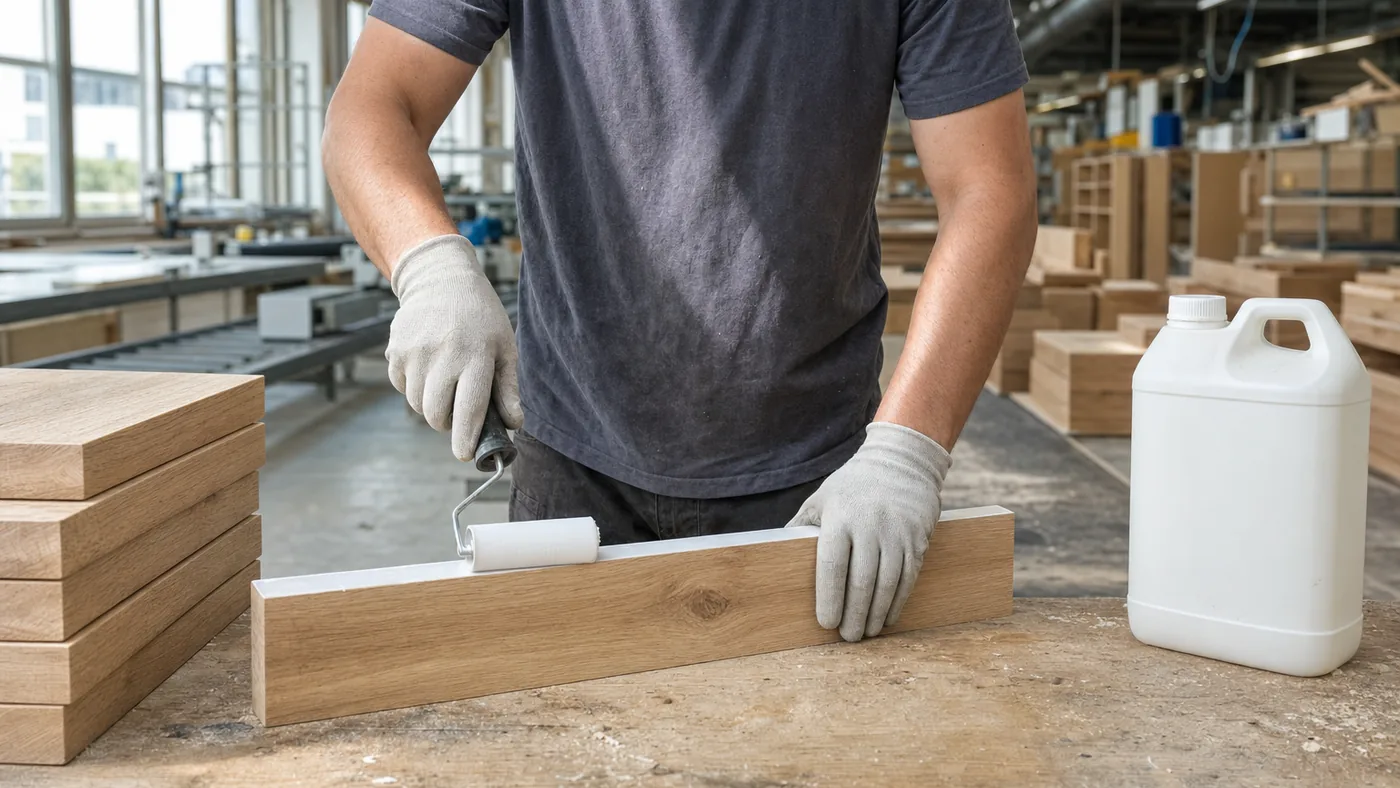
Many buyers use the EN 204 Durability classes when talking to European and Middle East customers:
- D1: indoor, dry — rare as an export claim for furniture.
- D2: indoor with occasional short-term water contact / high humidity.
- D3: indoor with frequent short-term exposure, or outdoor protected (e.g. under cover).
- D4: outdoor with frequent long-term exposure to water — often a crosslinked / two-component PVA or a specialty grade.
Other regions use different labels (for example ANSI/HPVA Type I/II language in some North American channels). If your customer names a standard, put that standard on the RFQ and ask the factory to document it for the exact batch formula.
| Class (EN 204 style) | Typical export use | Buyer watch-out |
|---|---|---|
| D2 | Indoor furniture, cabinets in normal climates | Not enough for wet rooms or outdoor-protected joinery |
| D3 | Kitchens/bath furniture (check brief), humid markets, covered outdoor | Still needs correct joint design and press time |
| D4 | Outdoor joinery, severe moisture exposure | Often higher cost; may need hardener / pot life control |
Do not print “D3” or “D4” on a private-label bottle unless the supplier can document that class for the exact formula and mix instructions. A white PVA that looks identical in the pail may only be D2. Also do not use standard PVA as a structural waterproof adhesive for continuously submerged joints — that is a different product family.
Open Time, Press Time, and Workshop Reality
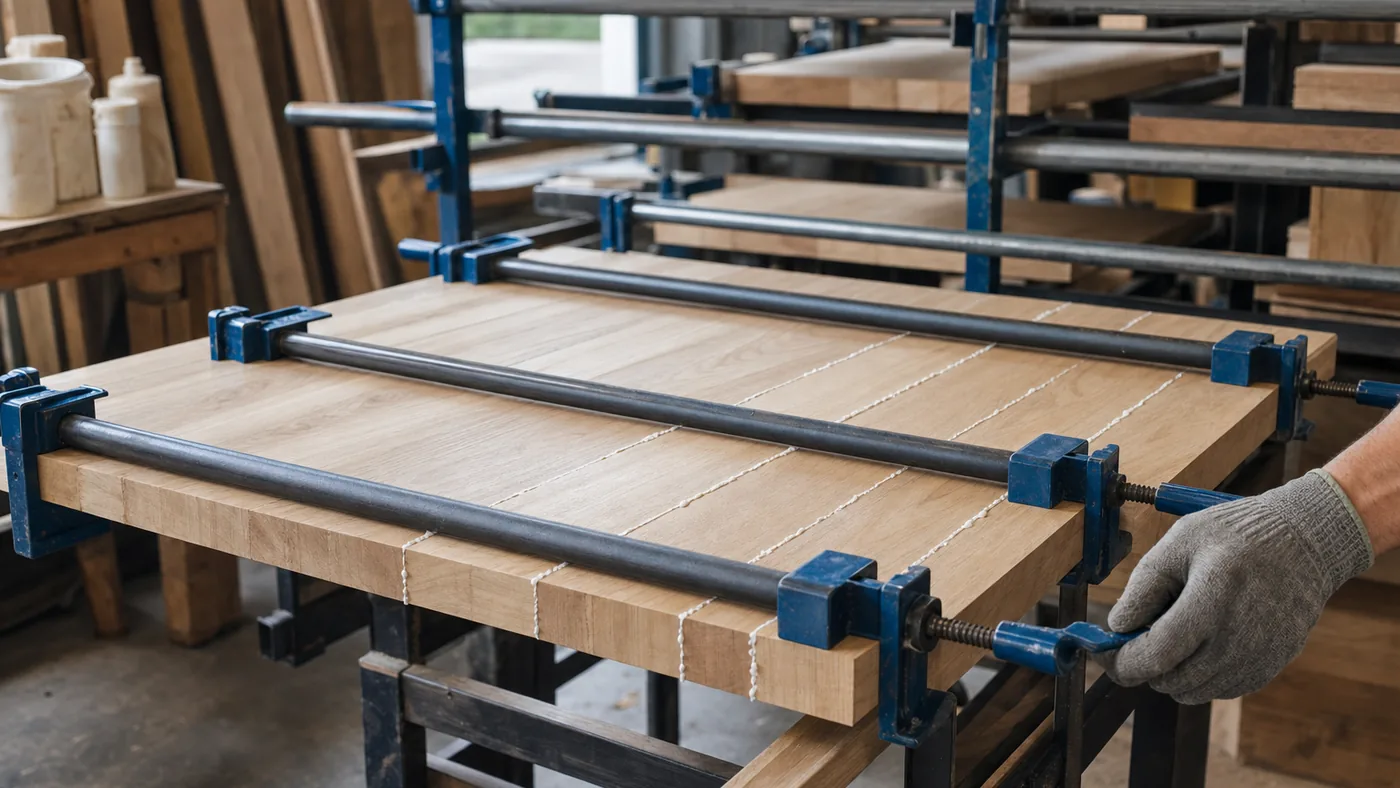
On a furniture line, timing fails more often than “weak glue” stories:
- Open time must cover glue spread + assembly of all parts in the clamp.
- Press / clamp time must fit your presses; cold shops lengthen it.
- Solids and viscosity decide whether the glue runs out of the joint or starves a porous hardwood.
- Wood moisture content outside the TDS window causes sunken joints and delayed failures.
Ask suppliers for recommended spread rate (g/m²), open time, and press time at a stated temperature — then validate on your species (oak, rubberwood, pine, engineered boards).
Humidity, Transit, and Why Exporters Over-Specify
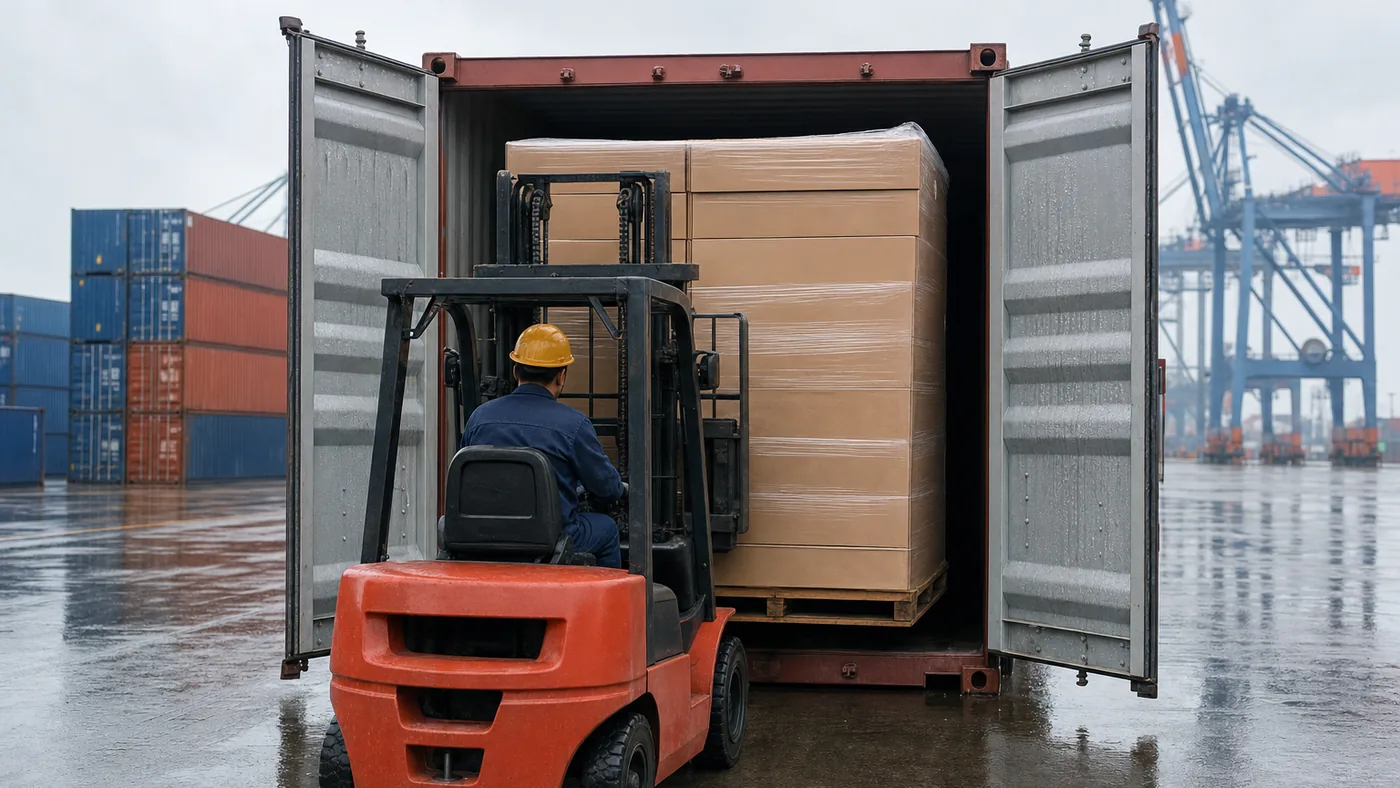
A joint that passes a dry factory QC can still creep or whiten after weeks in a humid container. That is why many exporters default to D3 for indoor furniture bound for tropical markets, and reserve D4 for true outdoor programs. Over-specifying D4 for dry indoor cabinets wastes money; under-specifying D2 for wet-room furniture creates claims.
GlueMFG Wood / Craft products include acrylic/PVA wood glues, but the public listing text may not state EN 204 D3 or D4. Treat class as a confirm-by-inquiry item. Do not assume GLE-089 or GLE-085 is D3/D4 until TDS says so.
RFQ Checklist for Exporters and Private Label
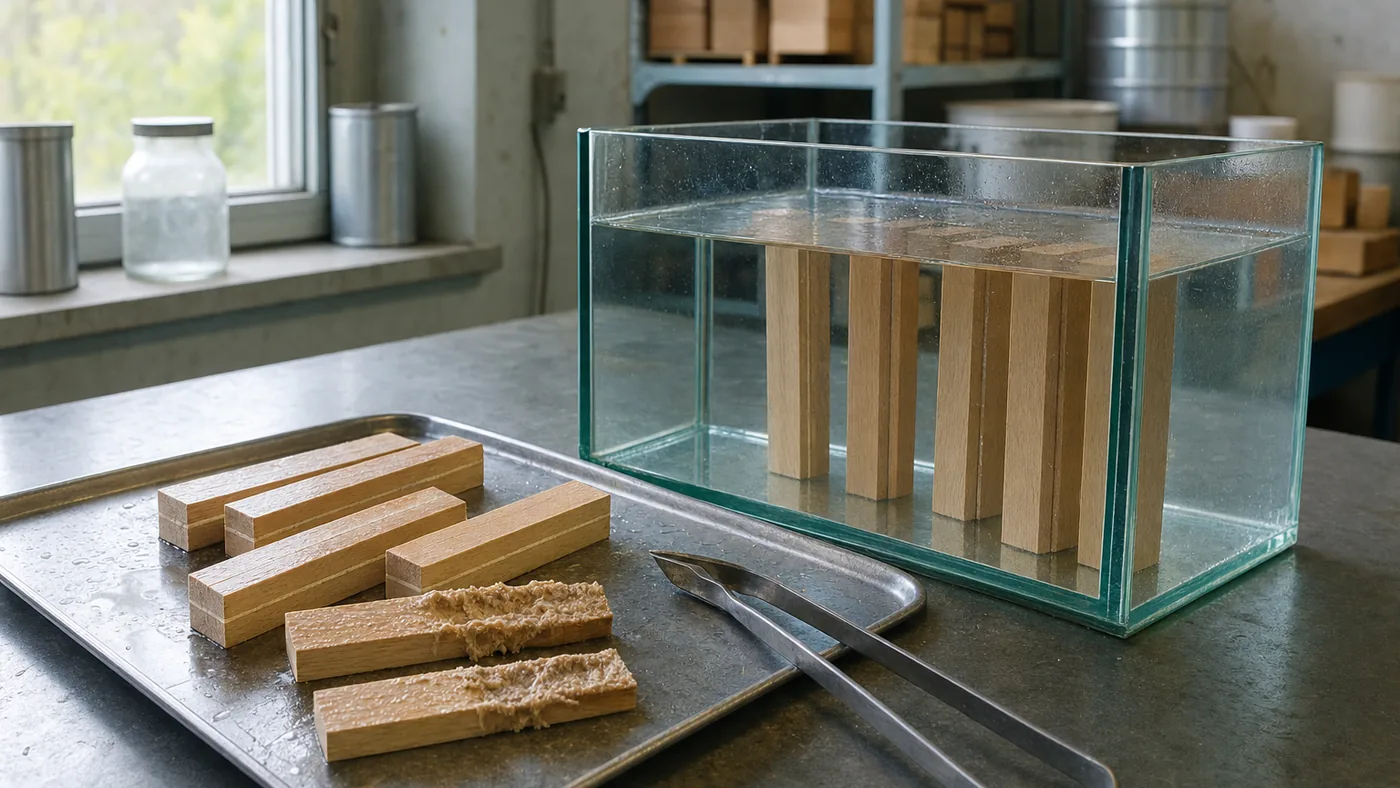
- Class claim: EN 204 D2 / D3 / D4 (or the standard your buyer names) — documented on TDS.
- Process: wood species; open time; press time; application (brush, roller, spreader).
- Performance extras: sandability, paintability, freeze/thaw needs, minimum use temperature.
- Packaging: bottle size for retail; 5–20 kg pails; drums/IBC; private-label language; carton/pallet pattern.
- Documents: TDS, SDS, COA; any class claim only if supported.
- Volume ladder: sample → trial → pallet → container.
What GlueMFG Can Support Around This Topic
GlueMFG lists 93 SKUs across 13 categories, with OEM packaging available. The Wood / Craft category includes White Acrylic Wood Glue (GLE-089), Latex Wood Bond Acrylic PVA (GLE-085), Acrylic Water based Woodworking adhesive (GLE-082), and related products. These are real catalog listings suitable as a starting point for wood assembly programs. EN 204 D3/D4 class is not assumed from the public page — confirm by inquiry and TDS before export artwork or customer specs.
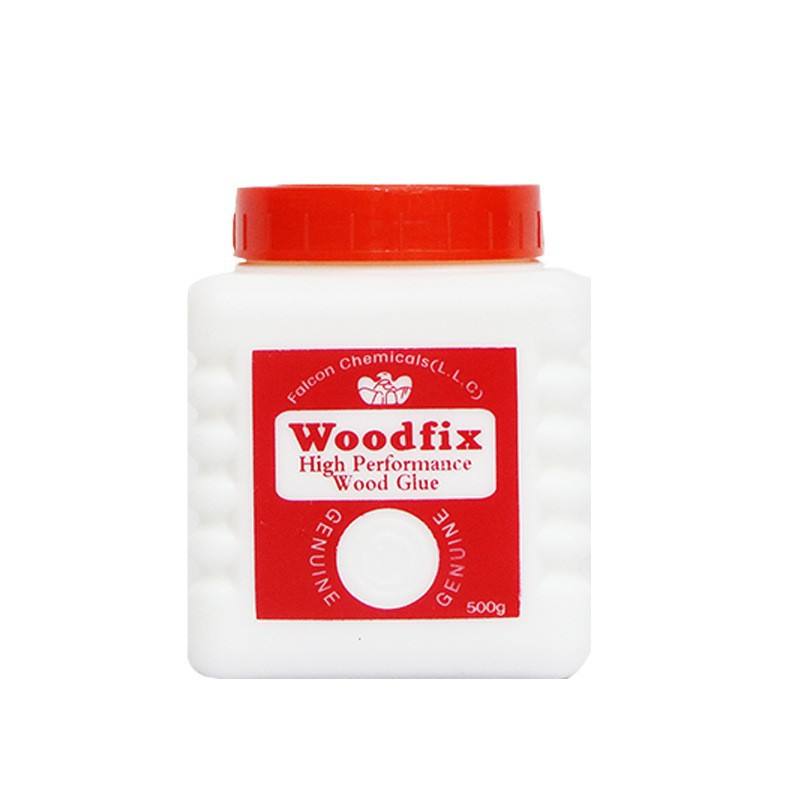
White Acrylic Wood Glue (GLE-089)
Wood / Craft listing. Ask for water-resistance class and OEM bottle or bulk packs. See catalog.
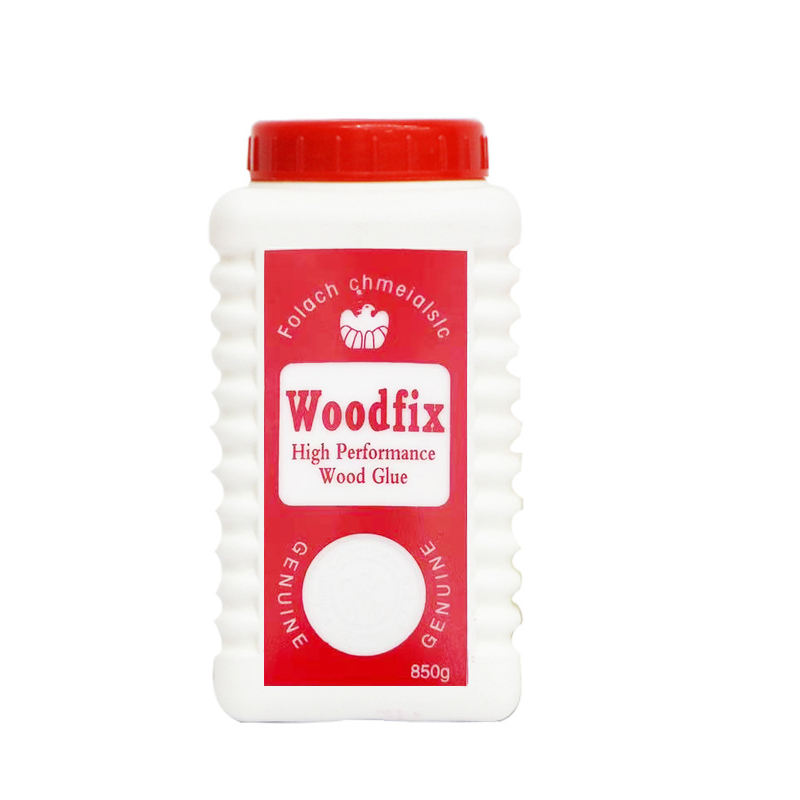
Latex Wood Bond Acrylic PVA (GLE-085)
Listed acrylic PVA wood bond. Confirm solids, open time, and class on TDS.
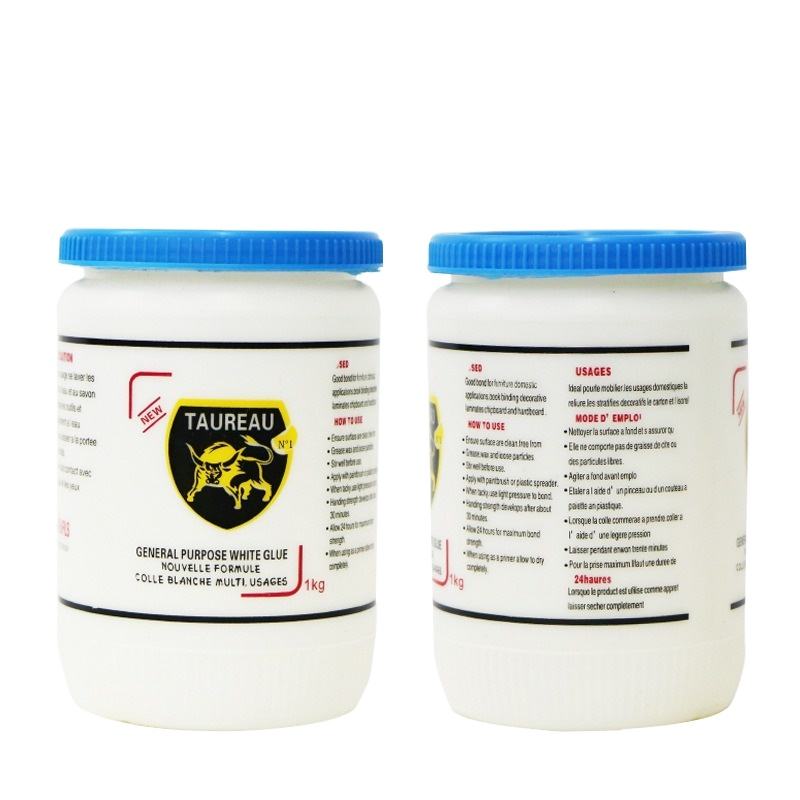
Acrylic Water based Woodworking (GLE-082)
Water-based woodworking adhesive listing. Match viscosity to your spreader before bulk order.
Related GlueMFG Resources
- Product catalog (93 SKUs)
- Contact cement vs spray adhesive guide
- Hot melt adhesive selection guide
- Construction adhesive buying guide
- Epoxy cure time and shelf life
FAQ
What does D3 or D4 mean for PVA wood glue?
In the EN 204 classification used widely in Europe and by many export buyers, D1–D4 describe moisture resistance of wood adhesives. D2 is for indoor joints with occasional short-term water contact; D3 is for indoor joints with frequent short-term exposure or outdoor protected use; D4 is for outdoor joints with frequent long-term exposure to water — always confirm the exact test method and claim on the supplier TDS.
Is white PVA wood glue always D3?
No. Many white PVA / aliphatic wood glues are D1 or D2 indoor grades. D3 and D4 usually need a specific formulation (and sometimes a crosslinker for D4). Colour alone does not indicate class — ask for the EN 204 class in writing.
What specs matter besides water-resistance class?
Solids content, viscosity, open time, press time, minimum film-forming temperature, sandability, and whether the glue is suitable for hardwood, softwood, or veneer. Exporters also care about freeze stability in transit and shelf life.
What pack sizes do furniture OEMs usually buy?
Retail bottles (e.g. 250 ml–1 kg) for DIY channels; 5–20 kg jerrycans or pails for workshops; and 200 kg drums or IBCs for large plants. Private-label exporters should quote bottle and bulk as separate SKUs.
Does GlueMFG list D3/D4 PVA wood glue?
GlueMFG Wood / Craft listings include White Acrylic Wood Glue (GLE-089), Latex Wood Bond Acrylic PVA (GLE-085), and related acrylic/PVA wood adhesives. Public listings may not state an EN 204 D3/D4 class — confirm class, TDS, and OEM packs by inquiry before you print export claims.