Build an industrial glue supplier shortlist around formula fit, repeatable packs, TDS/SDS readiness, and a clear sample-to-container ladder — not the lowest Alibaba unit price. Score factories on substrate evidence, OEM artwork control, and export paperwork. Use the public GlueMFG catalog as a SKU map, then confirm every grade by inquiry. This is a procurement shortlist guide, not a curiosity tour of “how glue is made.”
Importers, distributors, and private-label brands search “glue factory” and “industrial glue supplier” when they need a reorderable source. The useful filter is a shortlist criteria sheet you can reuse on every RFQ.
Score Capability Before You Score Price
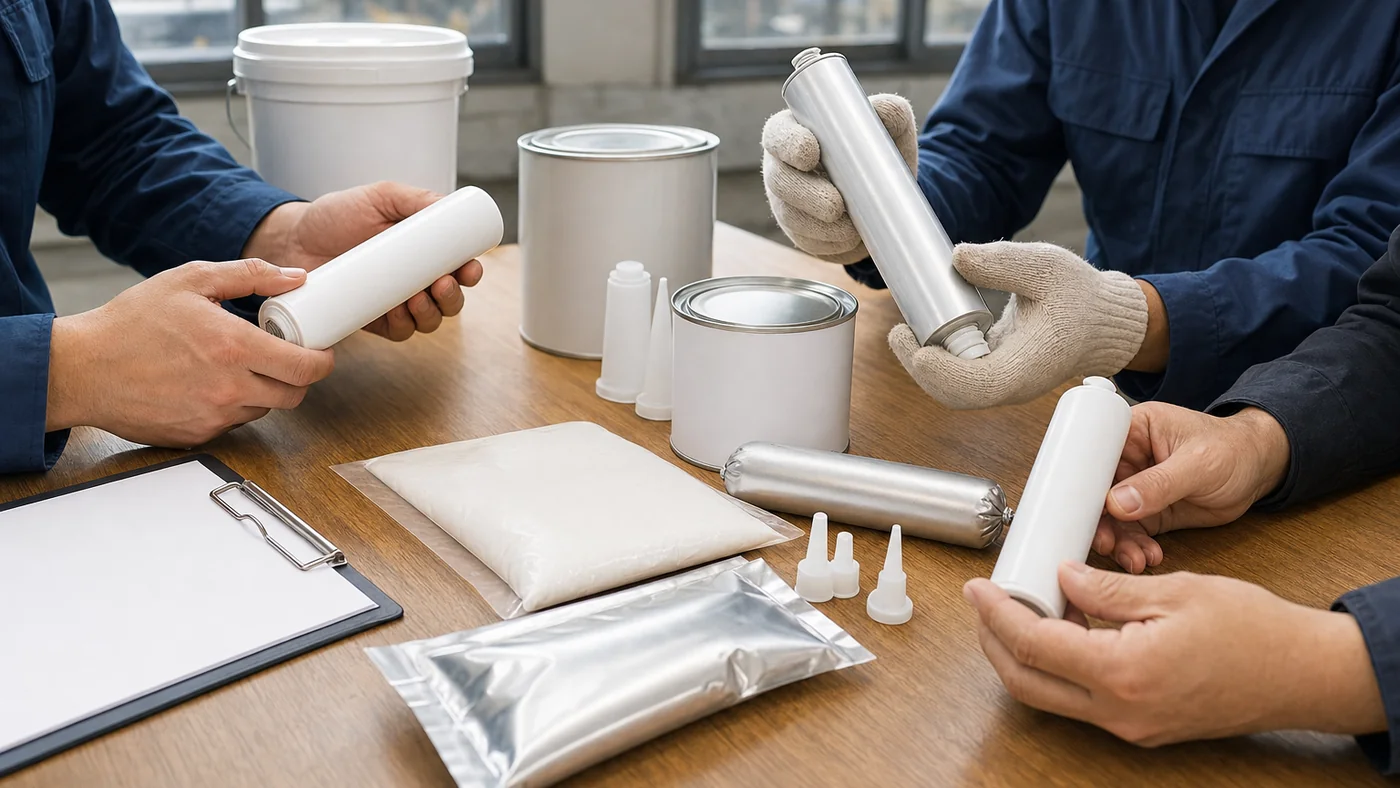
Put these gates on the first shortlist page:
- Substrate & chemistry fit: silicone, epoxy, CA, contact/acrylic, wood glue, PVC cement — match the job, not a “universal” promise.
- Document pack: TDS with the numbers you will print, SDS in needed languages, COA / packing list / invoice templates for export.
- MOQ ladder: sample → trial carton/pallet → container, with hazmat fees called out early.
- OEM control: who owns sleeve art, mix-ratio claims, and when formula changes require buyer approval.
Do not shortlist a supplier only because a retail-looking tube photo looks premium. And do not print certification logos or capacity claims on your brand until the factory supplies verifiable documents — GlueMFG does not invent ISO or plant-size claims on this site.
Factory Evidence That Actually Matters
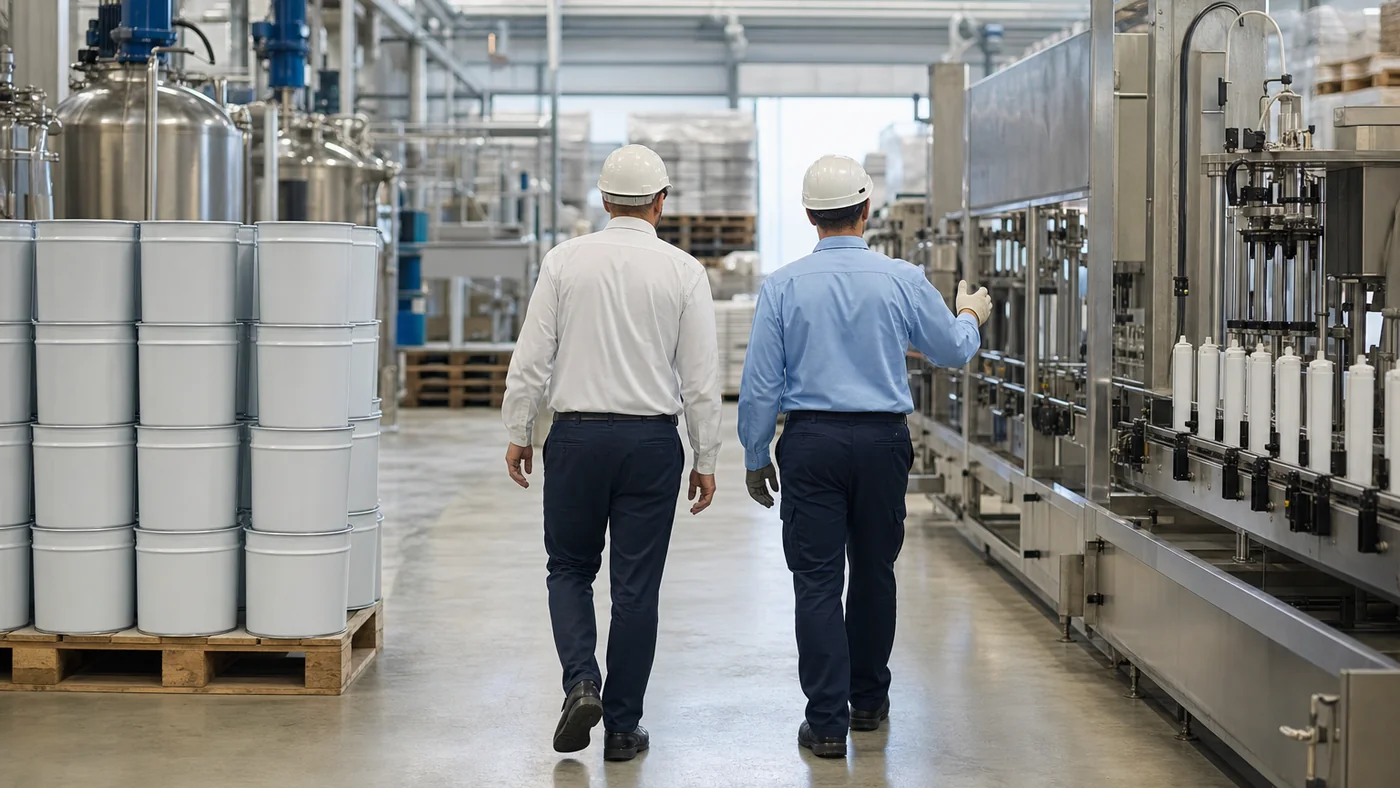
When you evaluate a glue factory, ask for evidence tied to your SKU:
| Shortlist criterion | What “good” looks like | Watch-out |
|---|---|---|
| Grade control | Batch ID, retained samples, change notice | Formula swaps without buyer OK |
| Filling & pack | Cartridge/sausage/can/drum options documented | Artwork that invents cure minutes |
| Export readiness | SDS, COA, packing list, invoice workflow | SDS that does not match the shipped grade |
| Commercial path | Clear sample / trial / container pricing logic | Hidden hazmat or small-order fees late |
QC and Documents Before the Trial Order
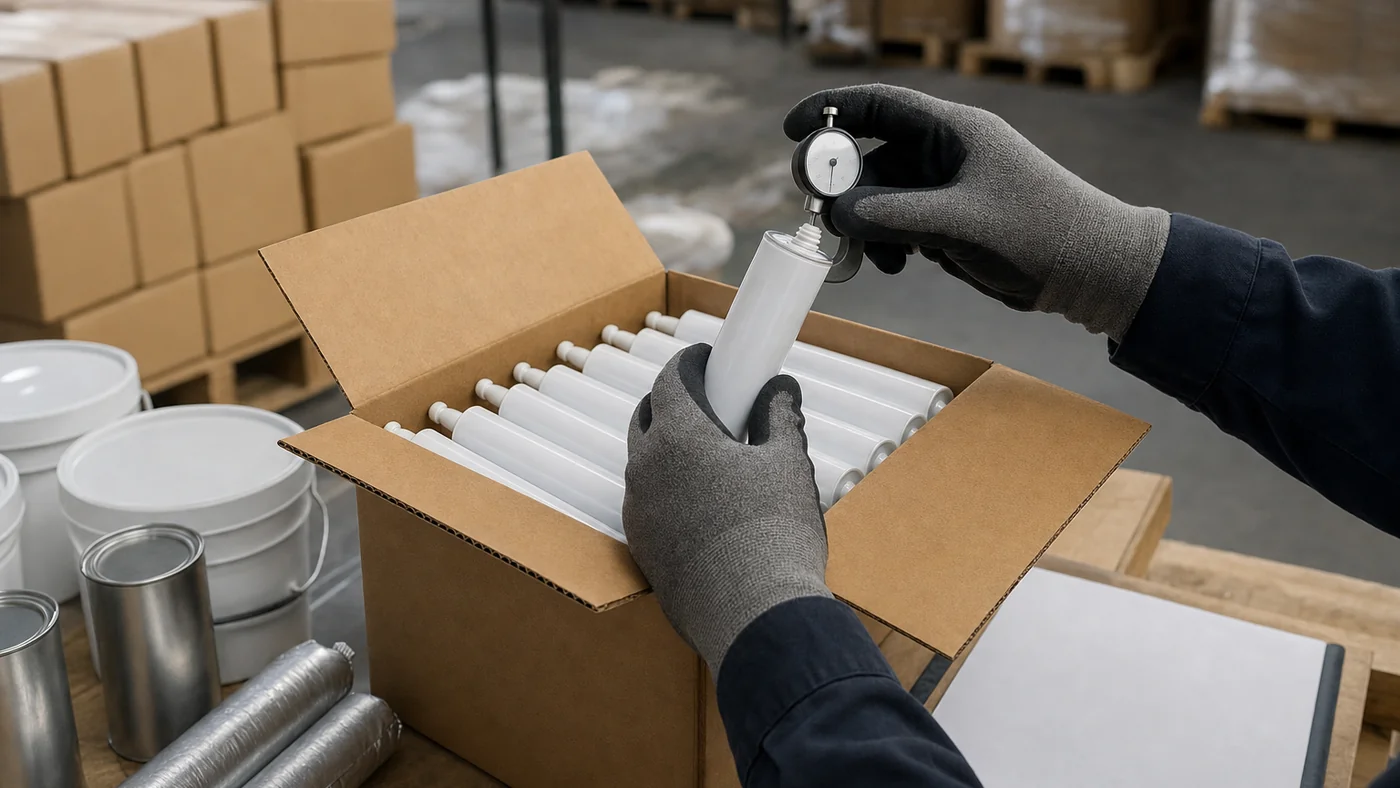
Before you approve private-label artwork:
- Receive a trial carton of the exact grade and pack.
- Match SDS section identifiers to the grade name you will brand.
- Confirm open time / cure / substrate notes on the TDS — confirm numbers by inquiry; do not invent them from catalog titles.
- Agree who pays for plate/print changes if the formula revision needs new claims.
If you need factory-direct OEM packs and change control, ask who mixes the batch and who only relabels. A shortlist that cannot answer that question is not ready for container volume.
RFQ Checklist for Supplier Shortlisting
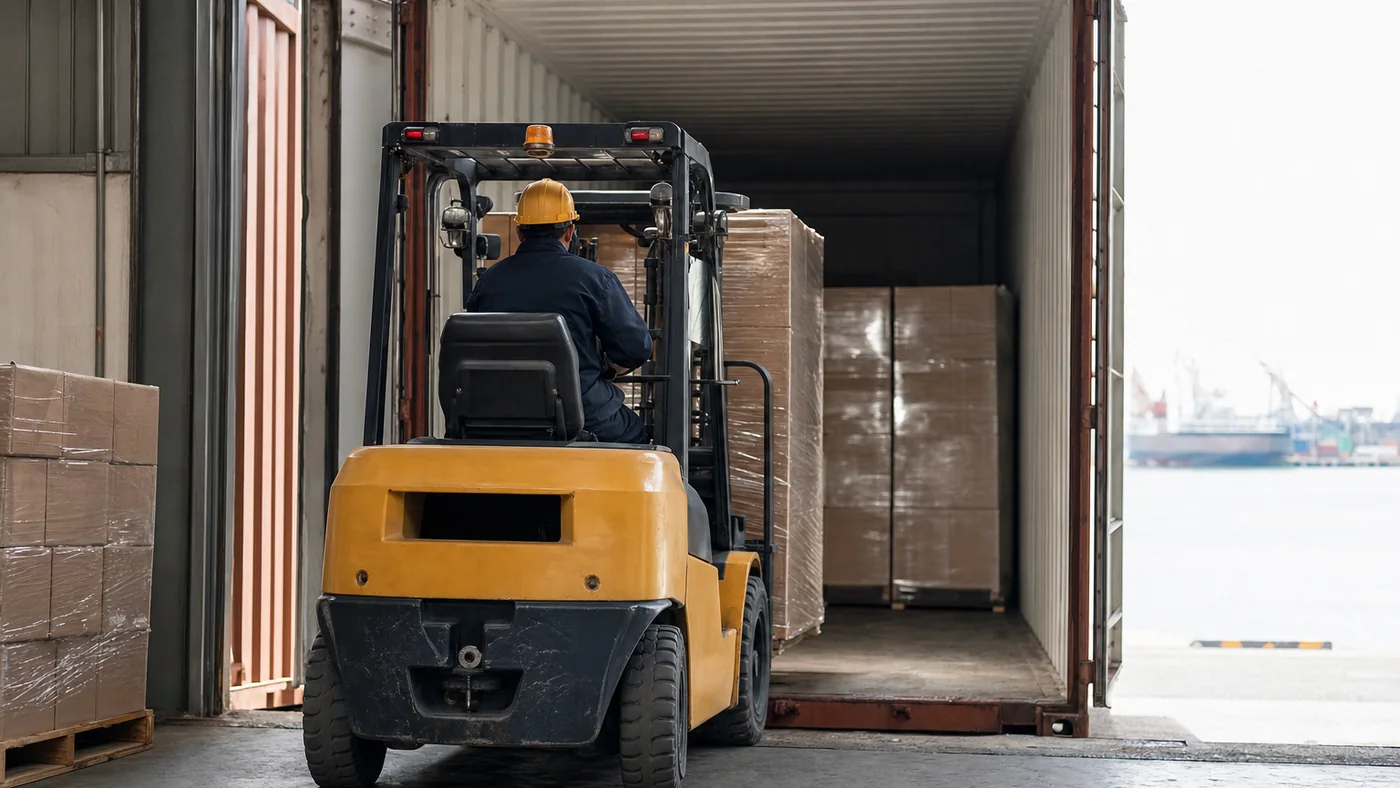
- Use case: substrates, indoor/outdoor, temperature, joint or bond type.
- Chemistry family: silicone, epoxy, CA, contact, PVA, PVC cement, etc.
- Pack: tube, cartridge, sausage, can, drum; colours; languages on sleeve.
- Docs: TDS, SDS languages, COA, packing list, invoice.
- Volume: sample → trial → pallet → container; target ship window.
- OEM: brand kit, claim approval process, hazmat if any.
What GlueMFG Can Support Around This Topic
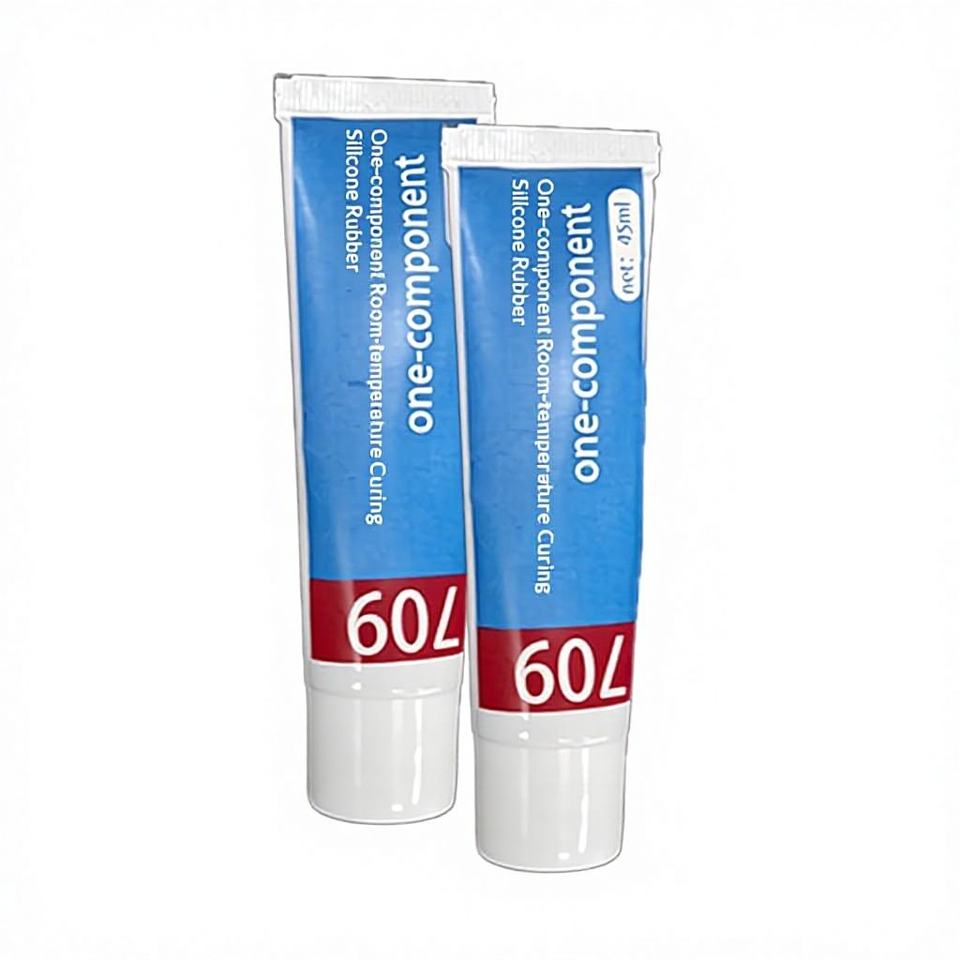
GlueMFG lists 93 SKUs across 13 categories for B2B buyers. Related starting points include silicone/PU (GLE-028 / GLE-029 / GLE-030), AB/epoxy (GLE-001..004), and contact/acrylic (GLE-005..011). Public cards do not replace a shortlist audit — confirm chemistry, packs, MOQ, and export documents by inquiry.
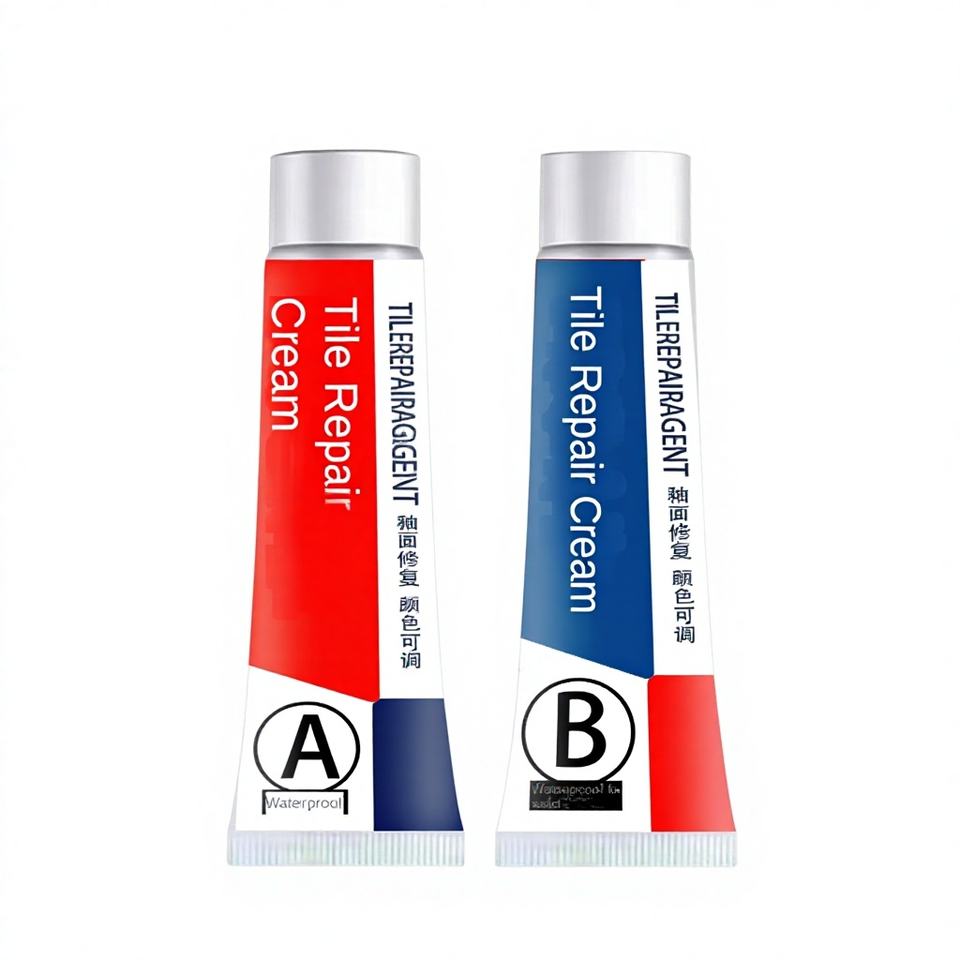
Direct Epoxy (GLE-001)
AB / epoxy listing. Confirm cure and pack by inquiry.
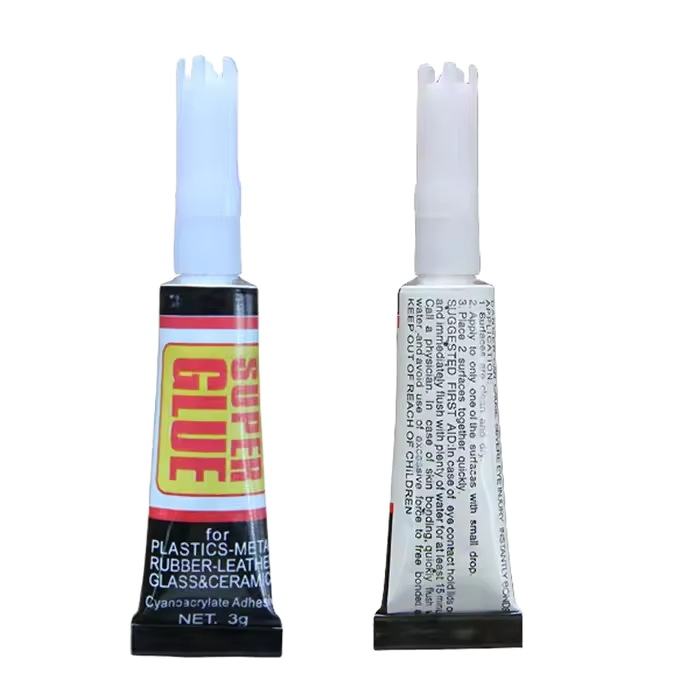
505 Acrylic (GLE-005)
Contact / acrylic listing. Confirm open time and VOC path by inquiry.
Related GlueMFG Resources
- Product catalog (93 SKUs)
- Industrial adhesive manufacturer landing
- Pressure sensitive adhesive sourcing guide
- Weatherproof / waterproof silicone procurement
FAQ
What should a B2B buyer put on an industrial glue supplier shortlist?
Start with formula capability for your substrates, documented TDS/SDS languages, stable MOQ ladder (sample → trial → pallet/container), OEM packaging control, and export document readiness. Price alone should not decide the shortlist. Confirm every claimed grade and pack by inquiry — do not invent certifications or capacity numbers.
How is a factory shortlist different from browsing a catalog?
A catalog shows SKUs. A shortlist scores whether the supplier can repeat the same grade, pack, and paperwork across reorders. Ask for process control, batch traceability, and who owns formula changes. GlueMFG lists 93 SKUs across 13 categories on the public catalog; treat listed names as starting points and confirm specs by inquiry.
Should buyers visit or audit a glue factory before the first container?
A plant visit or video tour helps when you need private-label consistency or hazmat-sensitive grades. If travel is not possible, request filling-line photos, batch records samples (redacted), and a trial pallet before container volume. Never skip SDS and TDS matching the exact grade you will brand.
What are honest red flags when shortlisting adhesive suppliers?
Vague answers on cure chemistry, refusal to share SDS before a deposit is clarified, inventing ISO or capacity claims without documents, and one SKU promised for every substrate. Also watch for trading-company opacity when you need factory-direct OEM packs.
Does GlueMFG support OEM and export documents for shortlisted grades?
GlueMFG can support OEM packaging and export document sets once a grade is agreed. Public catalog cards do not list every TDS number — confirm chemistry, packs, MOQ, and documents by inquiry before artwork or container booking.