Buy silicone adhesive when the job is a flexible bond that must hold two parts together through heat, weather or vibration — not when the job is only filling a construction joint. Ask for lap-shear or peel data on your substrates, cure (one-part moisture RTV vs two-part), and whether the grade is meant for bonding or sealing. GlueMFG lists silicone rubber and sealants; a dedicated bonding grade is confirmed by inquiry.
Buyers searching for silicone adhesive are often tired of soft sealant cartridges that never build useful bond strength, or of organic adhesives that fail when the part runs warm. This guide separates bonding silicone from joint sealant, lists the data to request, and shows when epoxy or acrylic is the better chemistry. For joint sealing chemistry choices, stay on the silicone sealant pages such as neutral vs acetoxy and window silicone for glazing.
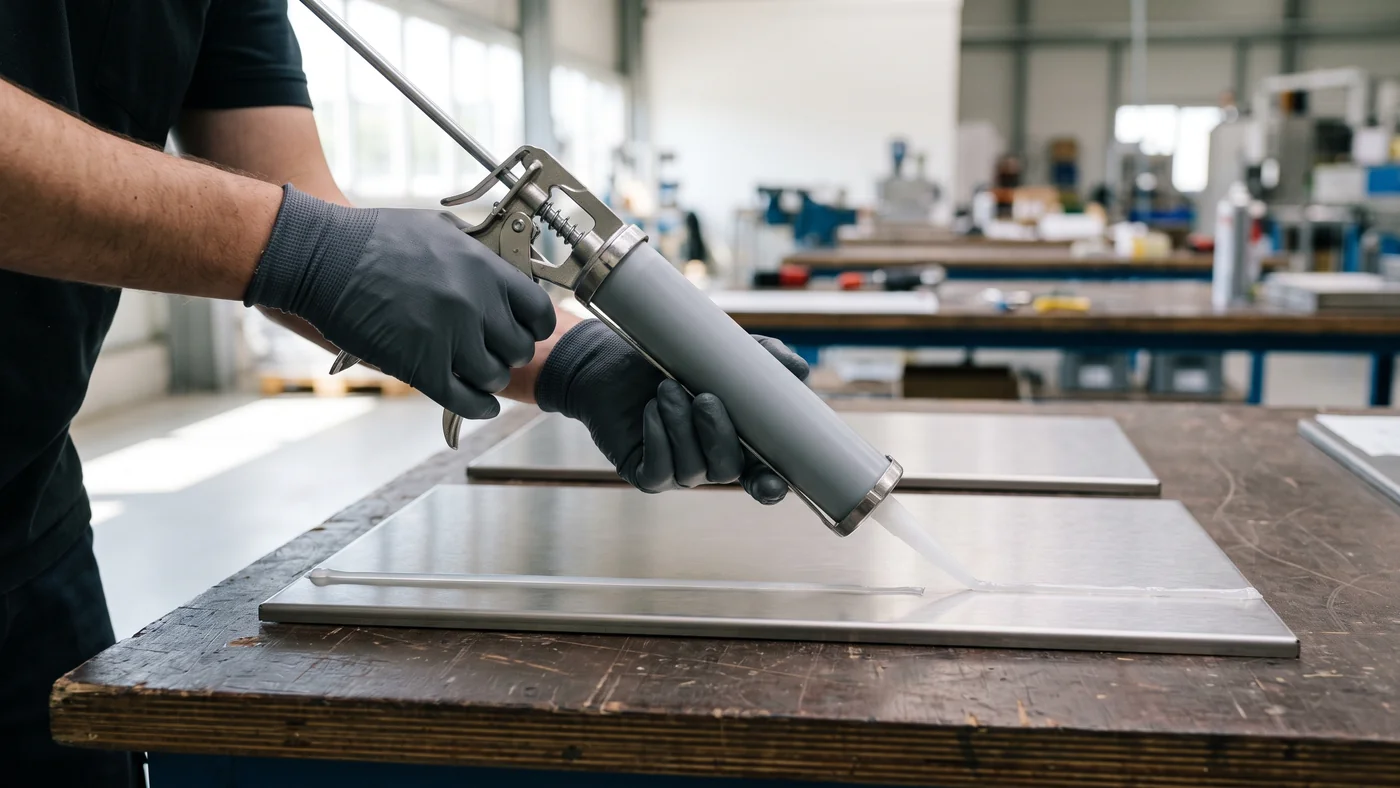
Bonding Job vs Sealing Job
| Intent | What success looks like | Usual product | Wrong substitute |
|---|---|---|---|
| Flexible bond | Parts stay together under peel/shear; joint may flex | Silicone adhesive / adhesive-sealant with strength data | Soft low-modulus facade sealant with no bond data |
| Joint sealing | Watertight or airtight joint that moves | Silicone joint sealant (neutral or acetoxy as required) | High-modulus bonding adhesive that tears the substrate |
| Gasket making in place | Flange seals against oil/coolant | RTV gasket maker | General clear “silicone glue” without fluid resistance data |
| Rigid structural bond | High load, little flex | Epoxy or structural acrylic | Silicone adhesive sold as “structural” without data |
Do not sell a general acetoxy bath sealant as an OEM silicone adhesive. Do not promise paintability over silicone. Do not use silicone adhesive where the next process step is painting or bonding with another chemistry that silicone will contaminate.
Substrates, Peel and Heat
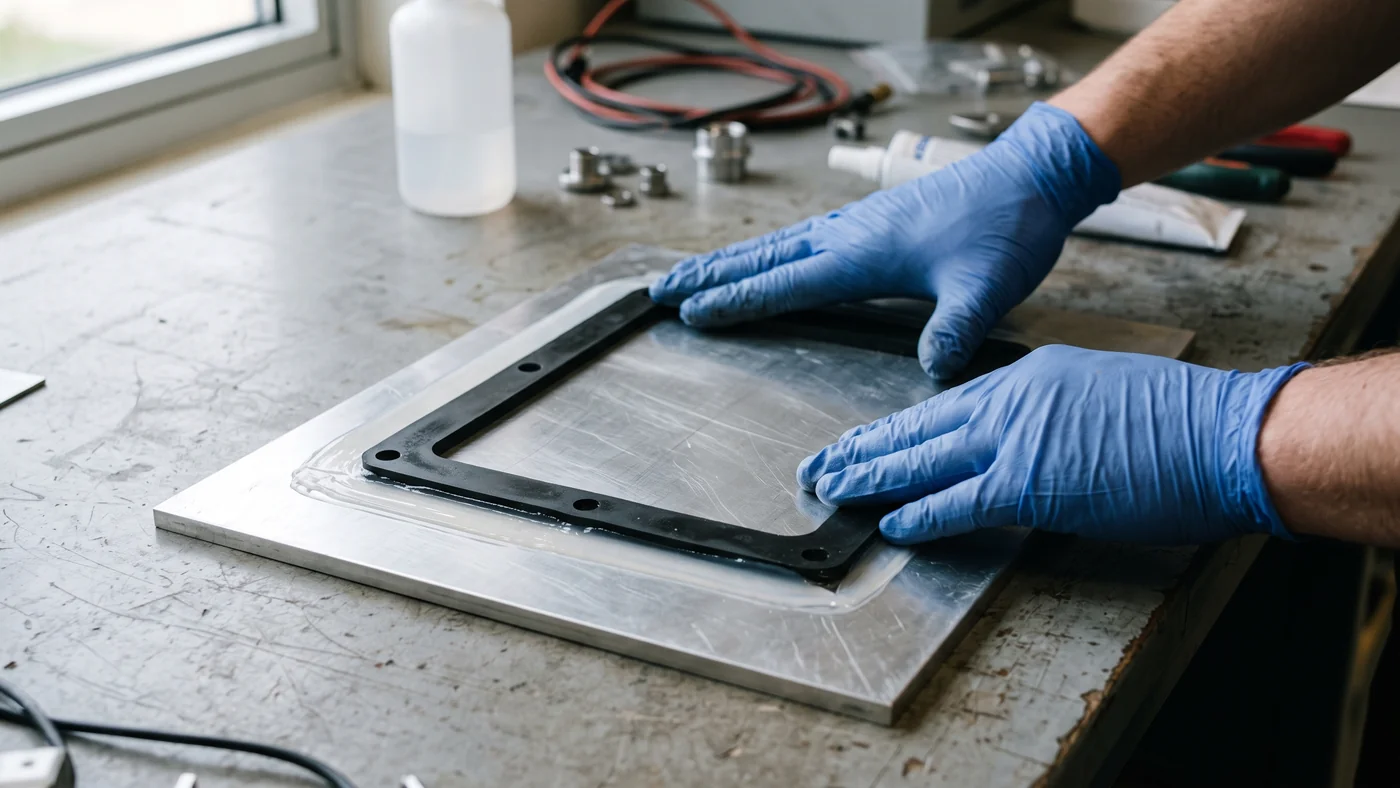
- Substrates: metals, glass, ceramics and many rubbers bond well with the right silicone; many plastics need a primer or a different chemistry. Name the exact materials in the RFQ.
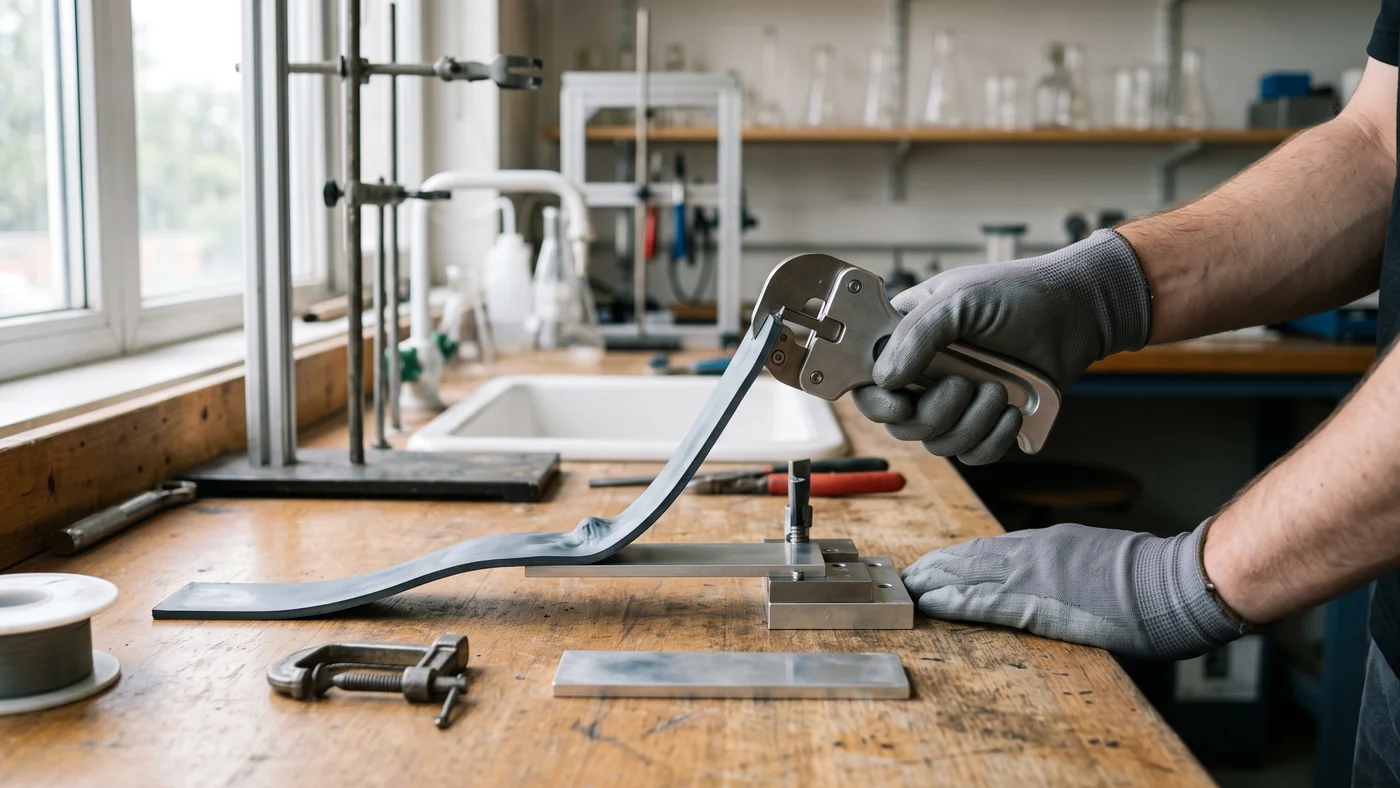
- Strength data: ask for lap shear and/or peel on coupons close to your parts, not only a hardness number. See adhesive strength testing for buyers.
- Heat: silicone often keeps flexibility at temperatures where organic adhesives soften. Still ask for the continuous service temperature in writing — see also high-temperature silicone sealant when the job is sealing, not bonding.
- Primer: some metals and plastics need a primer for durable adhesion. Ask which substrates were tested primerless.
One-Part RTV vs Two-Part Cure
- One-part moisture RTV: simple for field and low-volume assembly; cure depth is limited by moisture access. Ask for skin time and cure-through depth per day.
- Two-part silicone: better for deep sections and production takt time; mix ratio and pot life matter. Prefer dual cartridges with static mixers for MRO channels.
- Acetoxy vs neutral: acetoxy releases acetic acid and can corrode some metals and electronics; neutral systems are usual for sensitive substrates. The bonding vs sealing intent still comes first — see neutral vs acetoxy.
- Cure time vs sealant pages: compare stated skin and cure data with your sealant lines using silicone sealant cure time, but buy the bonding grade on strength data.
Packs, SDS and Line Contamination
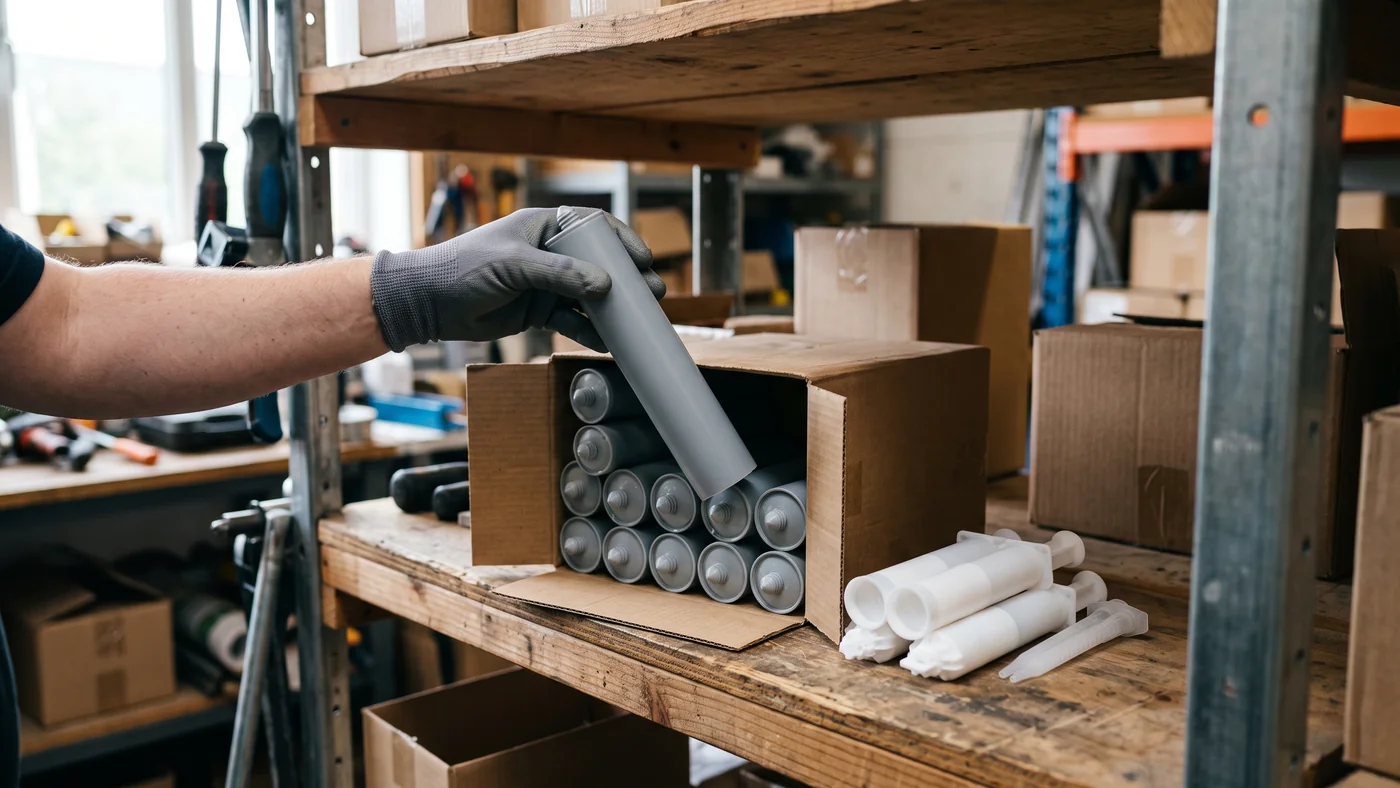
- Pack: cartridges for assembly lines and field service; dual syringes for two-part; sausages for high volume. See OEM adhesive packaging options.
- SDS: check Sections 2, 3 and 8; acetoxy grades have different exposure wording from neutral. Transport is often simpler than solvent sprays, but still read Section 14. See how to read an adhesive SDS.
- Contamination: silicone oils migrate. Separate silicone bonding stations from paint and organic-adhesive stations when the process requires it.
- Labels: print “adhesive / bonding” and the substrate list, not only “silicone”. This stops sealant cartridges being pulled for bonding jobs.
RFQ Checklist for Silicone Adhesive
- Bonding job description: parts, load (peel/shear), flexibility needed, environment (heat, UV, fluids).
- Substrates and surface preparation available on the line.
- Cure: one-part RTV or two-part; required handling strength time.
- Requested data: lap shear and/or peel on stated substrates, continuous service temperature, primer needs.
- Acetoxy vs neutral; electronics or metal corrosion constraints.
- Pack: cartridge, dual syringe or sausage; colours; label languages; carton count.
- SDS, quantity, destination and target price for sample and trial orders.
What GlueMFG Can Support Around This Topic
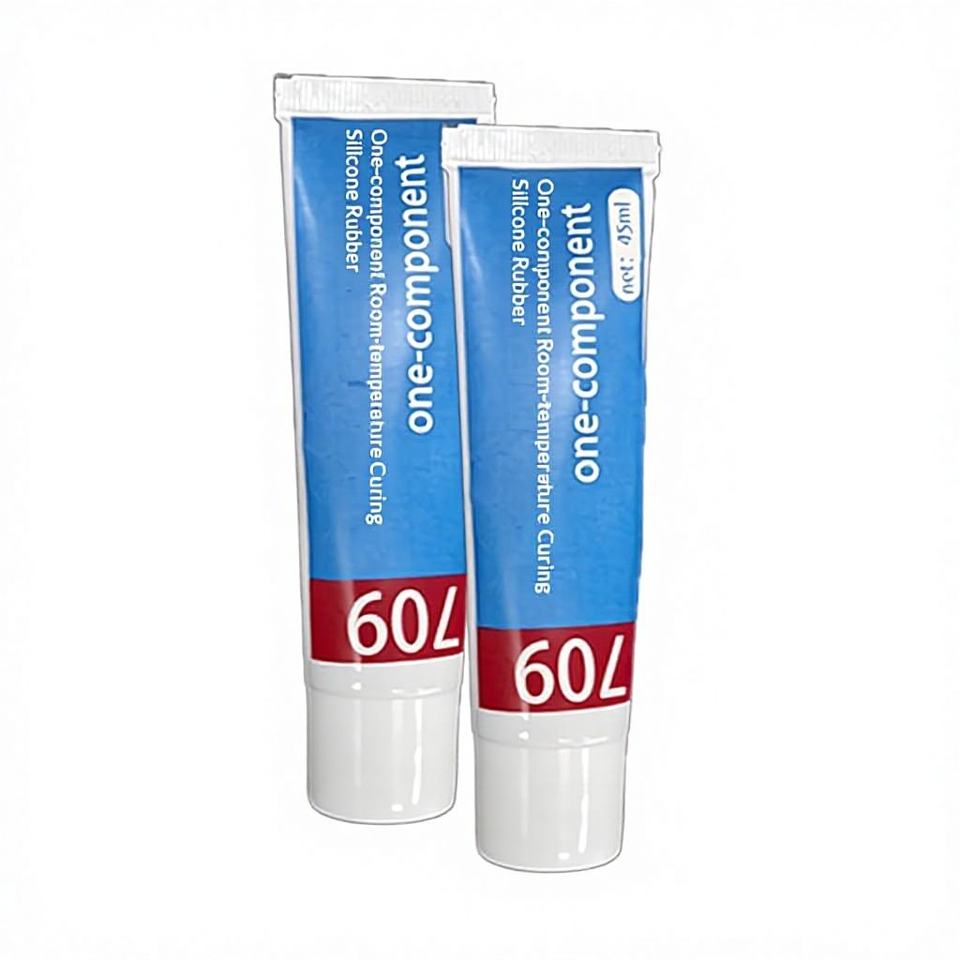
GLE-028 Silicone rubber
Listed silicone rubber product. Bonding-grade strength and substrate data for a given assembly are confirmed by inquiry.
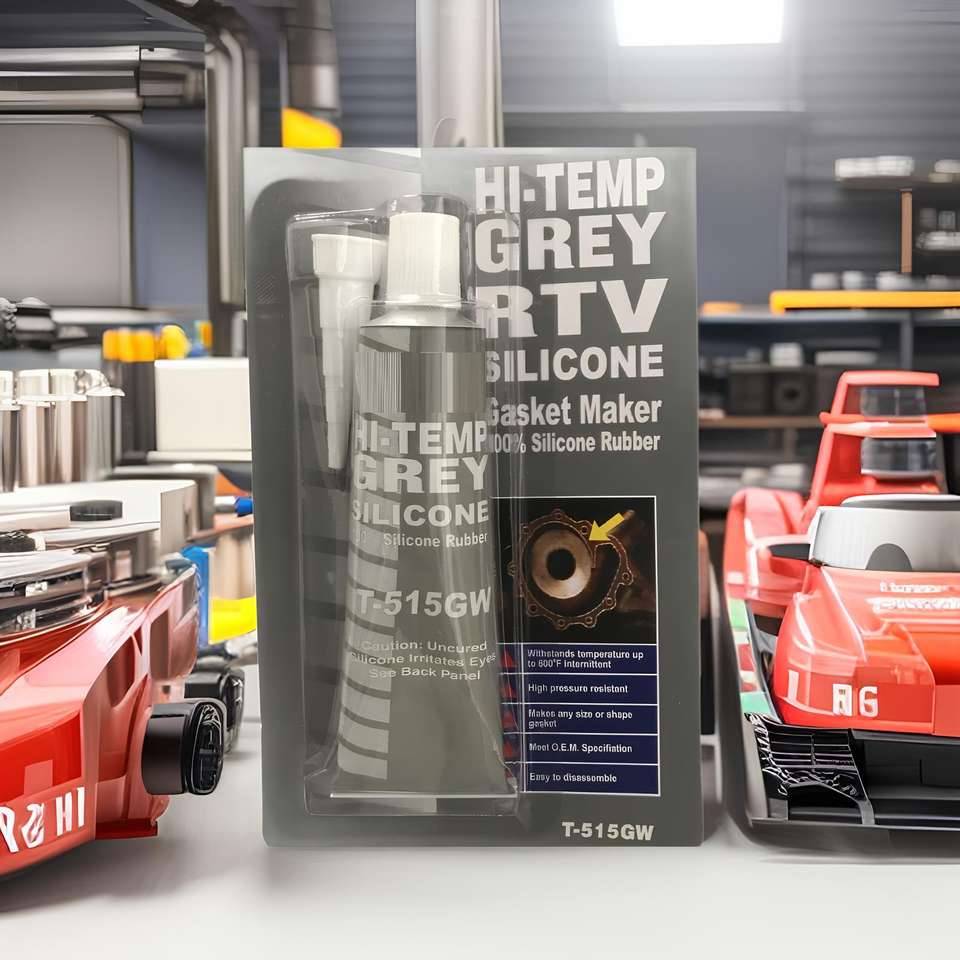
GLE-023 Engine silicone sealant
Listed silicone for sealing engine-area flanges — a gasket/sealant intent, not a general OEM structural bond.
Silicone bonding adhesive by inquiry
Dedicated high-strength silicone adhesives are not separate listed SKUs. Send substrates, cure, strength needs and pack size; availability, TDS, SDS and MOQ confirmed by inquiry.
Related GlueMFG Resources
- Neutral vs Acetoxy Silicone
- RTV Gasket Maker vs Silicone Sealant
- High-Temperature Silicone Sealant
- Metal and Plastic Epoxy Selection
- GlueMFG product catalog
FAQ
What is the difference between silicone adhesive and silicone sealant?
Silicone sealant is formulated mainly to fill and seal joints that move. Silicone adhesive is formulated mainly to bond two substrates and carry a shear or peel load. Some products claim both jobs, but packaging, modulus and test data differ. Stock and label them as separate intents so buyers do not use a soft joint sealant as a structural bond.
Where is silicone adhesive used in OEM work?
Common uses include bonding gaskets and pads, appliance panels, some electronics and lighting assemblies, glass-to-metal fixtures, and parts that need a flexible bond that survives heat and weathering better than many organic adhesives. Always confirm substrates, cure and strength data for the actual grade.
Is RTV silicone a sealant or an adhesive?
RTV describes the room-temperature vulcanising cure, not the job. The same chemistry family is sold as gasket makers, joint sealants and bonding adhesives. Read the intended use, modulus and strength data on the TDS rather than the RTV letters alone. See also the RTV gasket maker vs silicone sealant guide.
When should I not use silicone adhesive?
Avoid silicone adhesive when the bond must be painted, when you need a rigid structural epoxy-like joint, when substrates are oily and unprepared, or when the assembly will be overpainted with coatings that reject silicone. Silicone contamination also interferes with later painting and some bonding steps on the same line.
Does GlueMFG sell silicone adhesive?
GlueMFG lists silicone products such as GLE-028 silicone rubber and gasket/engine silicones (GLE-023, GLE-027). Dedicated high-strength silicone bonding adhesives for OEM assembly are confirmed by inquiry: send substrates, cure speed, strength needs and pack size, and availability, TDS, SDS and MOQ will be confirmed.