For RTV gasket maker vs silicone sealant, buy by job: formed-in-place metal flanges and engine/housing seals need a gasket-maker grade with documented fluid and temperature notes; building joints, windows, and general MRO sealing need a sealant grade matched to movement and weather. “RTV silicone” on a sleeve is not enough. This is the MRO stocking angle; for heat-duty detail see the high-temperature silicone buyer guide, for exterior rain/UV see weatherproof silicone procurement, for cure chemistry see neutral vs acetoxy, and for timing vocabulary see silicone cure time.
MRO buyers and distributors search RTV silicone sealant and gasket maker when one tube is expected to do every job. On the factory side those are often different RFQs — flange FIPG versus building joint — even when both cure at room temperature.
Start With the Job, Not the Acronym
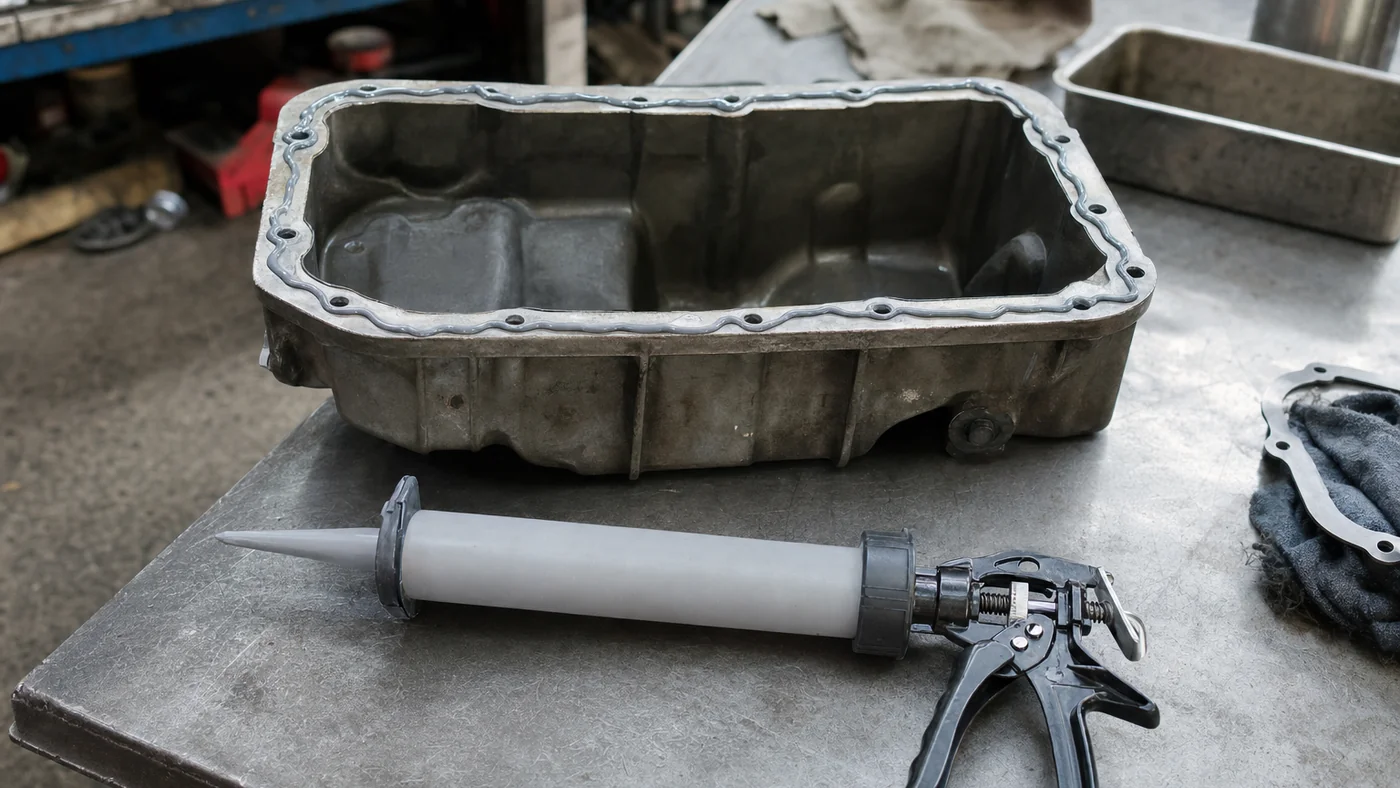
RTV means room-temperature vulcanizing. It does not tell you oil resistance, continuous temperature, or whether the grade is meant for an oil pan or a window frame. Ask for:
- Job type: formed-in-place gasket, housing seal, window/facade joint, or general repair.
- Fluids: oil, coolant, fuel vapour — yes/no for each on gasket-maker RFQs.
- Temperature: continuous and intermittent °C where heat matters.
- Cure: acetoxy vs neutral if metals or sensitive finishes matter.
Do not stock bathroom or general-purpose silicone as your only engine gasket-maker SKU. And do not print oil or high-temp claims on OEM sleeves unless the factory TDS documents those numbers for that exact grade.
Silicone Sealant for Joints and Weather
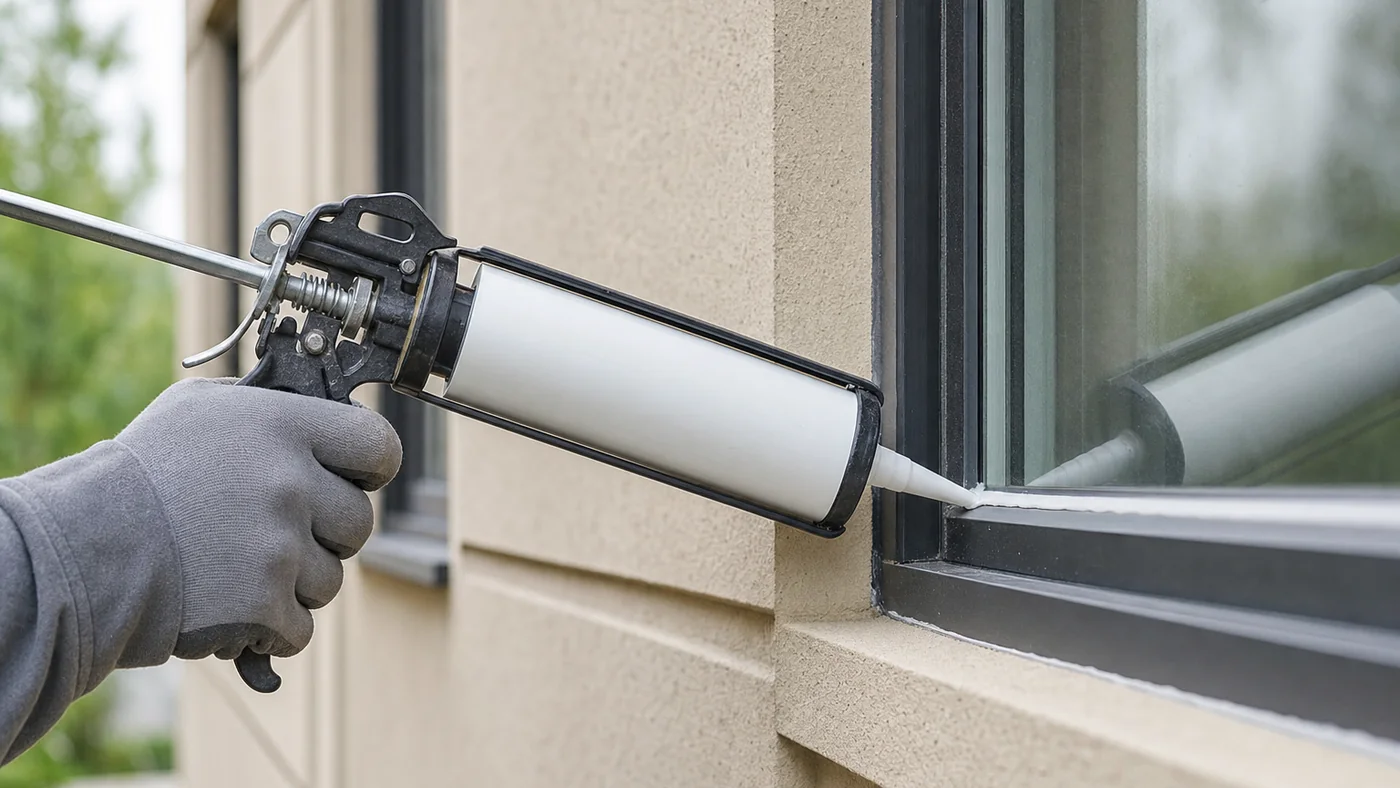
General silicone sealant RFQs focus on joint movement, UV/weather, substrates (glass, aluminium, masonry), and colour for inspection. That is a different stocking decision from FIPG gasket maker, even if both tubes say RTV.
| Use case | Lean toward | Watch-out |
|---|---|---|
| Engine / oil-pan FIPG | Gasket-maker grade + fluid notes | Bathroom silicone near oil/heat |
| Housing / cover seal | RTV gasket maker; cure-before-fill | Assembling before skin/cure window |
| Window / facade joint | Weather silicone (movement/UV) | Engine FIPG grade on a facade RFQ |
| OEM private label | Documented claims only; pack art | One “RTV” name for every channel |
Stocking Both Without Confusion
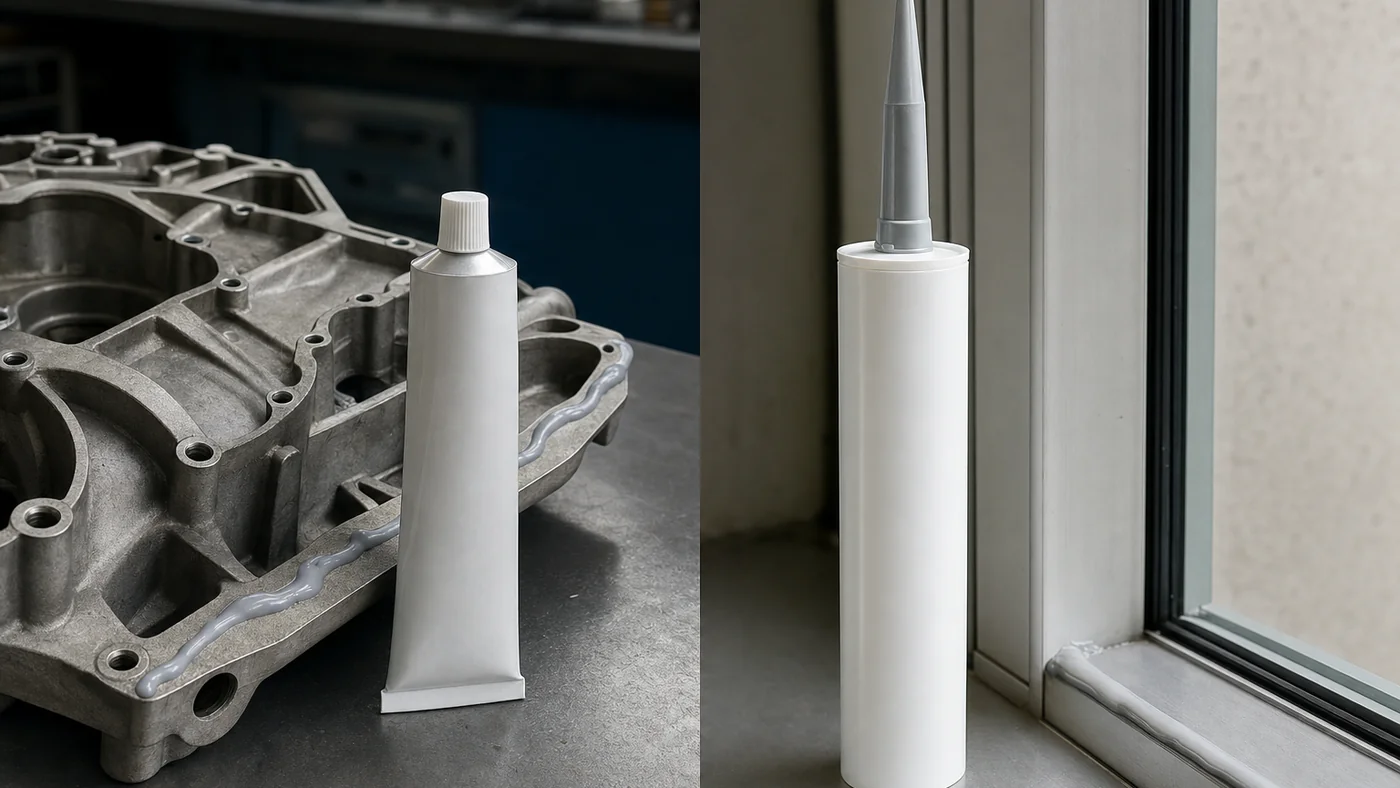
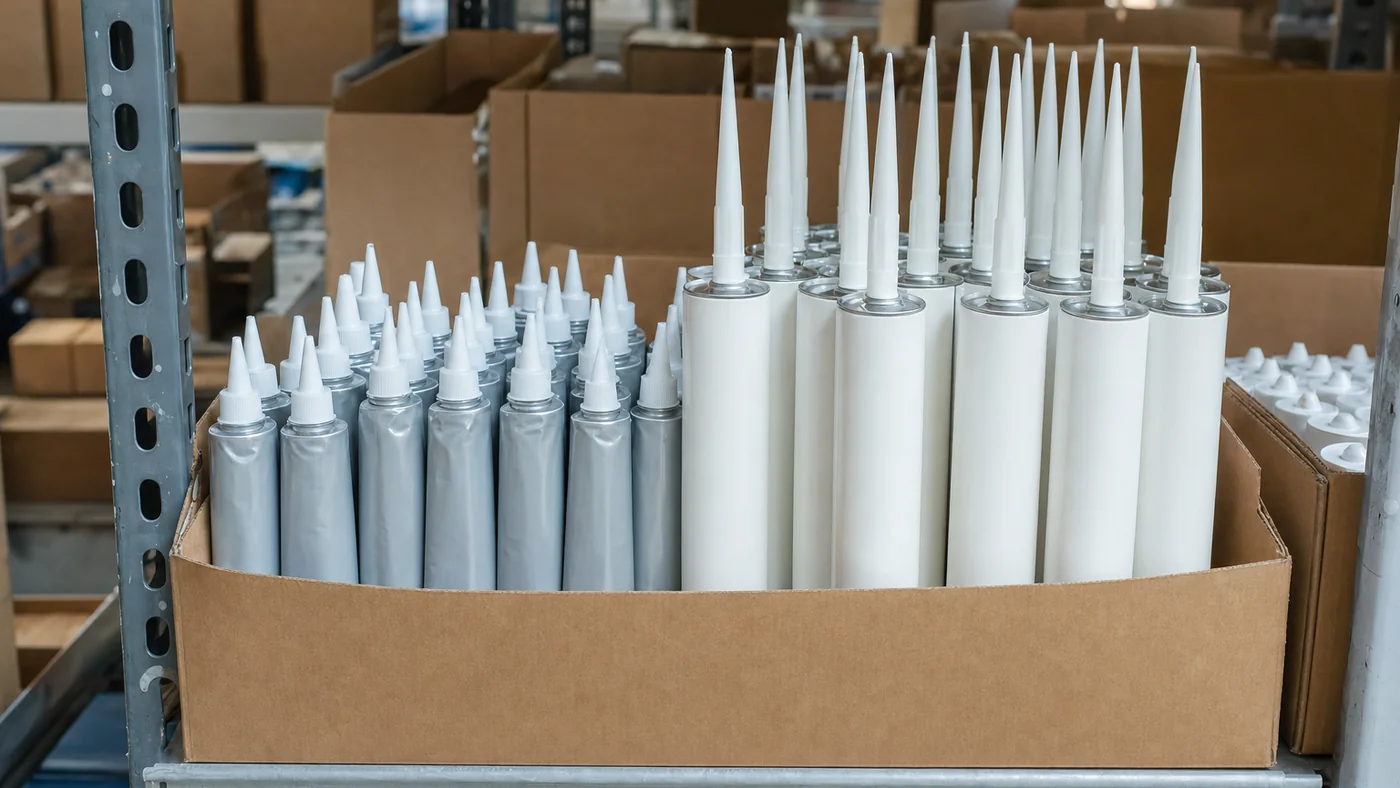
Distributors often need both SKUs: gasket maker for auto/industrial MRO and silicone sealant for building repair. Label shelves and OEM artwork by duty, not by the shared word RTV. If a grade claims both, still confirm each duty on the TDS.
High continuous temperature, exterior waterproofing, and acetoxy vs neutral each have their own GlueMFG guides. Use this page to choose gasket-maker vs general silicone stocking — then open the linked guides for those sub-specs.
RFQ Checklist for MRO Buyers
- Duty: FIPG flange / housing vs building joint / general seal.
- Substrates: steel, cast iron, aluminium, glass, coated metal.
- Fluids & temp: oil/coolant/fuel; continuous and intermittent °C.
- Chemistry: RTV silicone; neutral vs acetoxy if metal corrosion matters.
- Pack: tube/cartridge ml, colours, carton, private-label languages.
- Docs: TDS with compatibility notes, SDS, COA; no invented certifications.
- Volume: sample → trial → pallet → container.
What GlueMFG Can Support Around This Topic
GlueMFG lists 93 SKUs across 13 categories. Related sealant / gasket listings include GLE-023 Silicone Car Engine Sealant, GLE-027 gasket maker, GLE-020 Acrylic Gasket Free Adhesive, and GLE-028 Direct 709 Silicone Rubber. Public cards do not state every temperature or fluid compatibility class — confirm temp/fluid compatibility and OEM packs by inquiry.
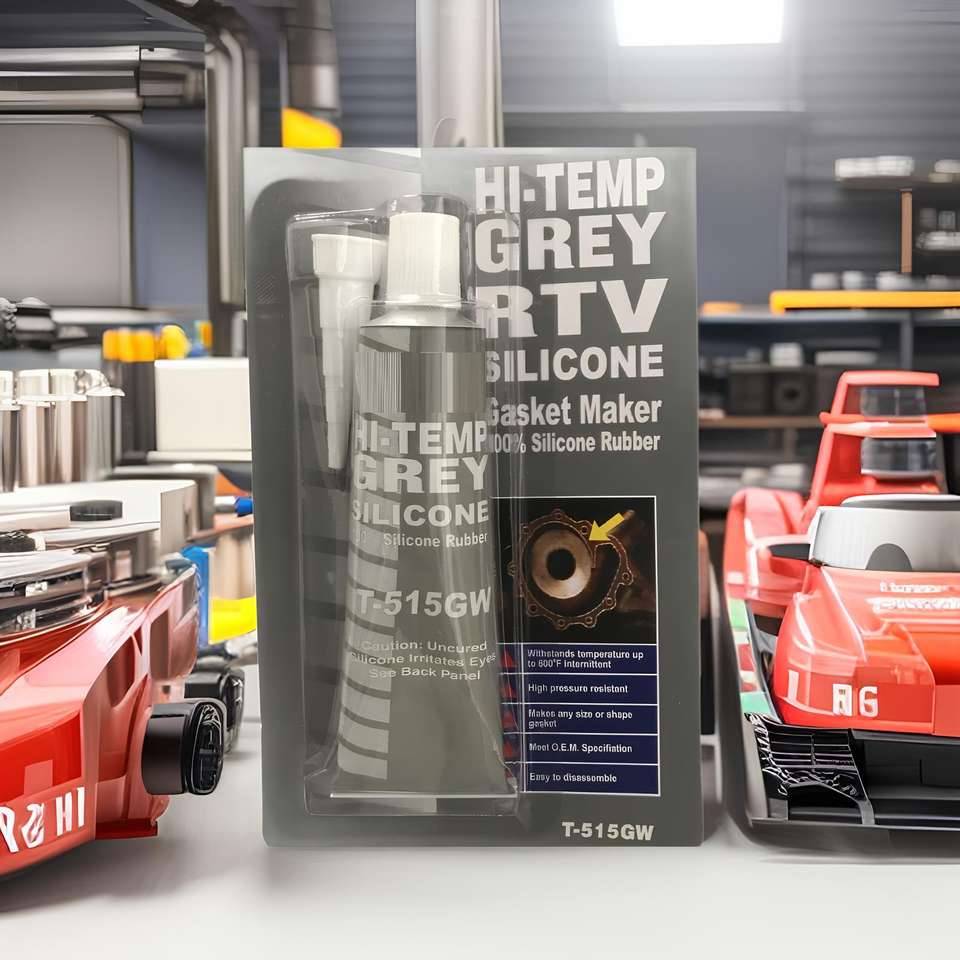
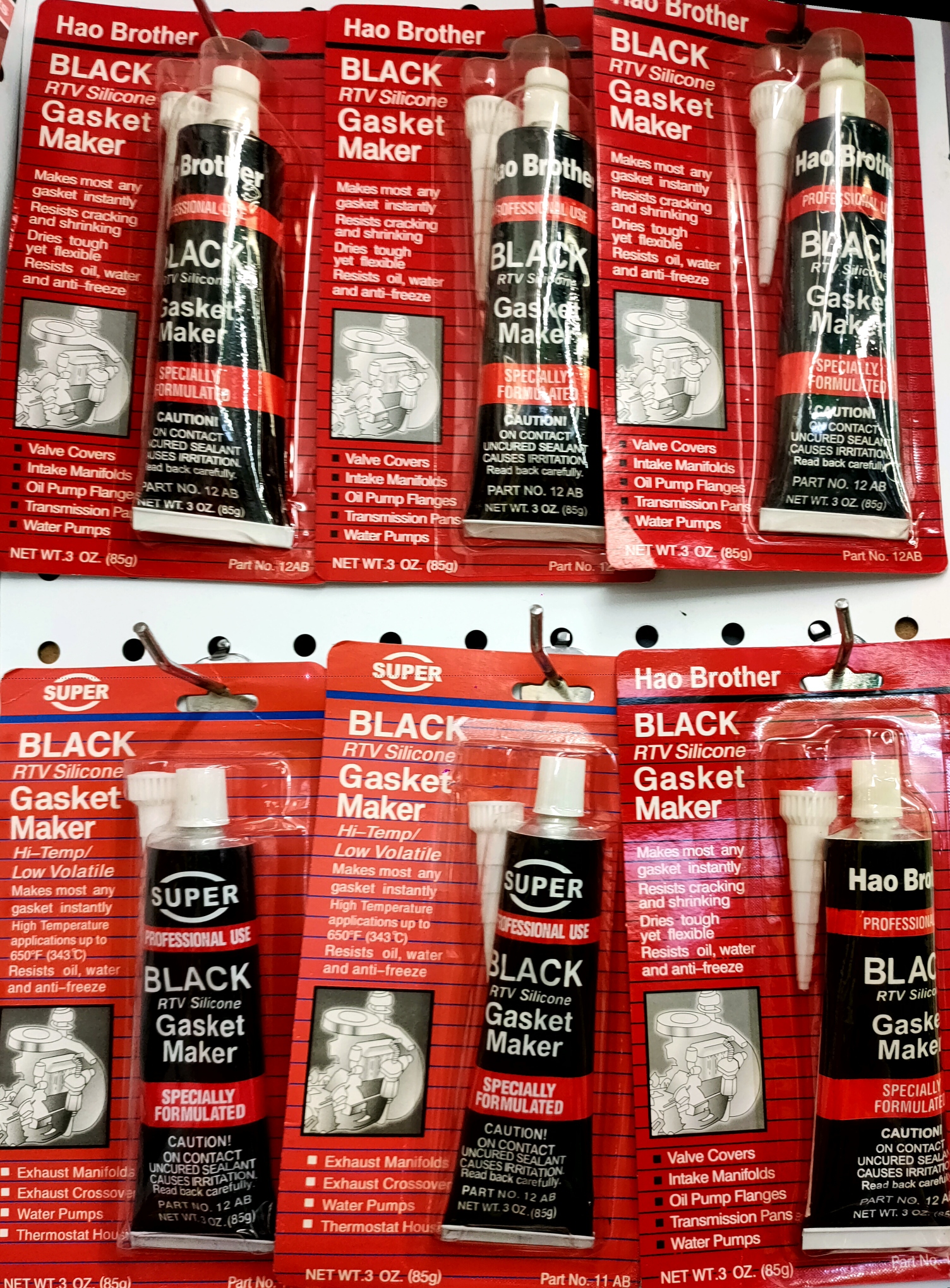
Gasket Maker (GLE-027)
Gasket maker listing. Verify FIPG use and pack by inquiry.
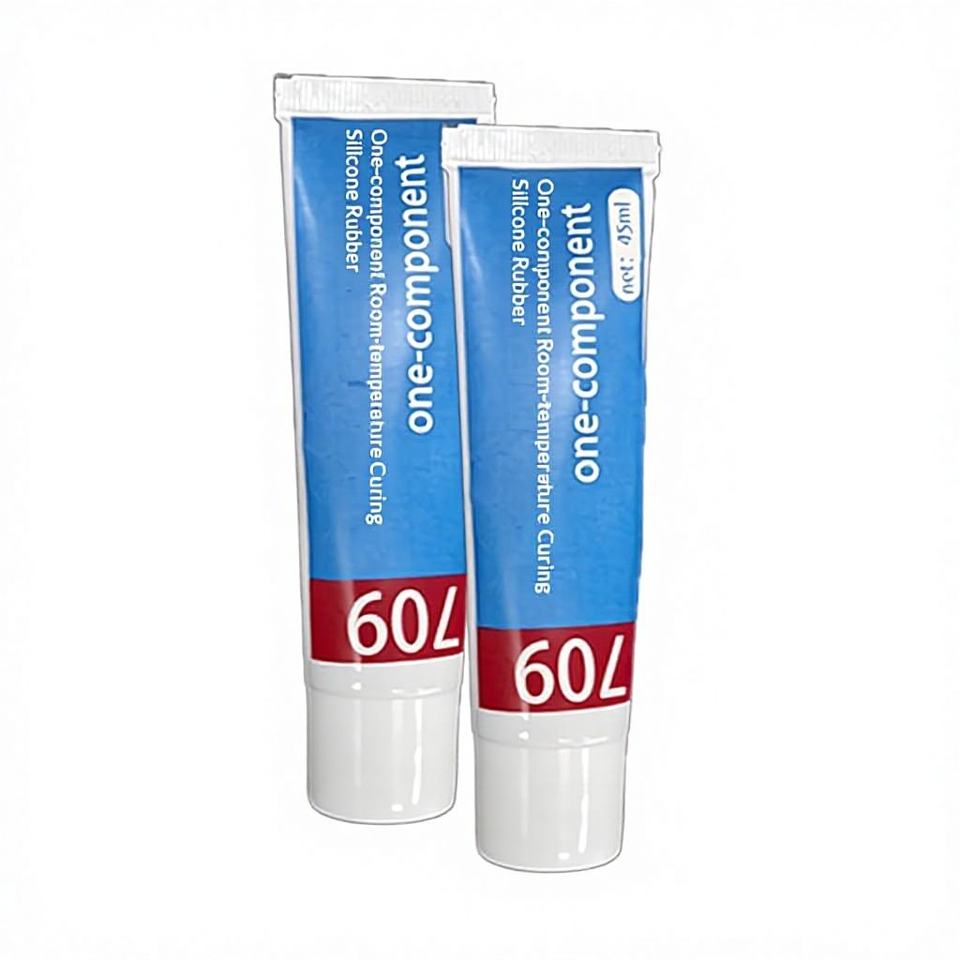
709 Silicone Rubber (GLE-028)
Silicone / PU listing. Confirm whether the grade fits your sealant or gasket duty on the TDS.
Related GlueMFG Resources
- Product catalog (93 SKUs)
- High-temperature silicone sealant buyer guide
- Weatherproof / waterproof silicone procurement
- Neutral-cure vs acetoxy silicone
- Silicone sealant cure time
FAQ
What is the difference between RTV gasket maker and silicone sealant?
Both are often silicone chemistries that cure at room temperature (RTV). “Gasket maker” usually means a formed-in-place gasket grade for metal flanges, engines, or housings, with fluid and temperature notes. “Silicone sealant” in building/MRO channels often means weather, window, or general joint sealing. Overlap exists, but procurement should not assume one tube covers both jobs.
Can I use bathroom silicone as an engine gasket maker?
Usually no. Bathroom grades are not specified for continuous oil, coolant, or exhaust-adjacent heat. Wrong chemistry leads to early leak or hardening. Use a grade whose TDS names the fluids and temperature you actually have.
Is RTV gasket maker the same as high-temperature silicone?
Not always. Some gasket makers are high-temp grades; others are standard RTV for oil pans or valve covers at moderate heat. High-temp buyer guides focus on continuous vs peak °C. This page is the MRO choice between gasket-maker duty and general silicone sealant stocking.
What should MRO buyers put in the RFQ?
Job type (FIPG flange vs building joint), substrates, oil/coolant/fuel exposure, continuous and intermittent temperature, colour, tube/cartridge pack, and document languages. Ask for TDS numbers — do not invent ratings from “RTV” on the sleeve.
Does GlueMFG list gasket maker and silicone SKUs?
Related listings include GLE-023 Silicone Car Engine Sealant, GLE-027 gasket maker, GLE-020 Acrylic Gasket Free Adhesive, and GLE-028 Direct 709 Silicone Rubber. Public cards do not state every temp or fluid class — confirm compatibility and OEM packs by inquiry.