Store adhesives sealed, cool, dry and out of the sun, inside the range on the supplier’s data sheet. The real risks differ by chemistry: moisture for instant glue and moisture-cure sealants, freezing for water-based glues, heat and fire rules for solvent-based products. Treat shelf life as a dated, unopened, stored-as-specified figure, and rotate stock by batch. Shelf life and storage data for each GlueMFG product are confirmed by inquiry.
Distributors and importers usually discover storage problems as customer complaints: super glue that has thickened in the bottle, cartridges that have skinned before sale, wood glue that arrived frozen, or a pallet that sat in a hot container for weeks. Most of these are avoidable with the right questions at purchase and a simple warehouse routine. This guide covers storage by chemistry, what shelf life really means, seasonal transit risks and stock rotation. For single families, see epoxy cure time and shelf life and silicone sealant cure time.
Storage Conditions by Adhesive Family

| Family | Main storage risk | Usual handling | Ask the supplier |
|---|---|---|---|
| Instant glue (cyanoacrylate) | Moisture and heat thicken or cure it in the pack | Sealed, cool; some grades kept refrigerated unopened | Storage temperature, shelf life, cold-storage advice |
| Silicone, PU and MS sealants | Moisture curing in the cartridge or nozzle | Sealed cartons, dry store, no damaged packs | Shelf life per pack type (cartridge, sausage) |
| Two-part epoxy | Cold can crystallise resin; mixed-up components | Room-temperature store, kits kept together | Crystallisation advice, shelf life per component |
| Water-based (PVA, acrylic, water contact) | Freezing; skinning in opened packs | Frost-free storage, closed lids | Freeze-thaw statement, minimum storage temperature |
| Solvent-based (contact, PVC cement) | Flammability, evaporation, thickening | Closed cans, ventilated area, local flammable-goods rules | SDS storage section, transport class |
| Anaerobic (threadlocker, thread sealant) | Needs air in the pack to stay liquid | Keep in original part-filled bottles; never decant into airtight packs | Shelf life and storage range |
Do not store adhesives under a warehouse roof, by a loading door in summer, or next to heaters just because the space is free. Heat shortens shelf life for most chemistries, and the damage often shows only when the customer opens the pack.
Instant Glue and Moisture-Cure Products: Keep Moisture Out
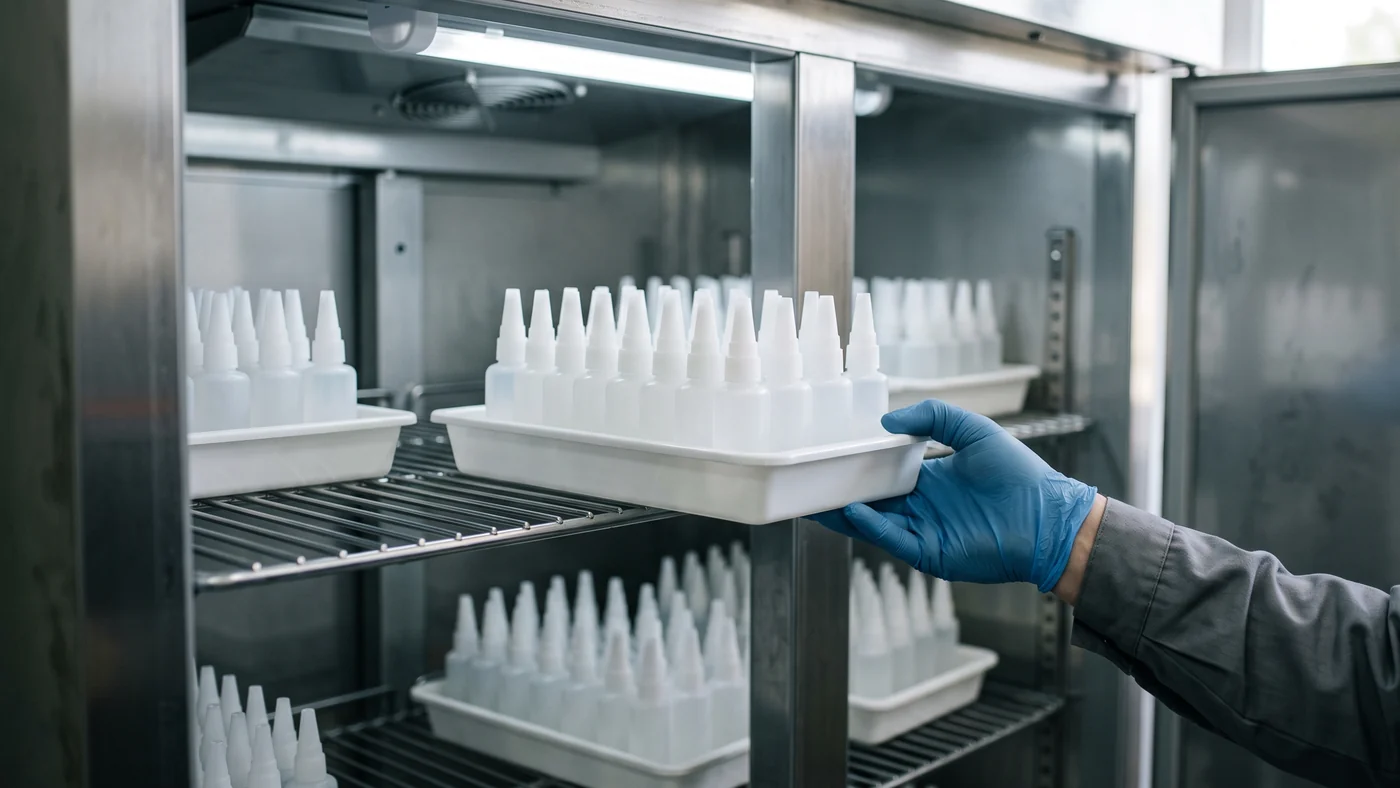
- Instant glue: follow the supplier’s storage statement for the grade. If unopened stock is kept cold, let it return to room temperature before opening to stop condensation getting inside.
- Sealant cartridges: moisture-cure silicone, PU and MS sealants start curing when moisture gets in. Reject crushed or split cartridges and keep cartons closed until picking.
- Opened packs: shelf life applies to unopened packs. Do not sell or return opened or resealed stock to the shelf.
- Hazard rules: bulk instant glue has its own transport and storage notes. See super glue sea freight hazard classification.
Water-Based Glues and Seasonal Transit
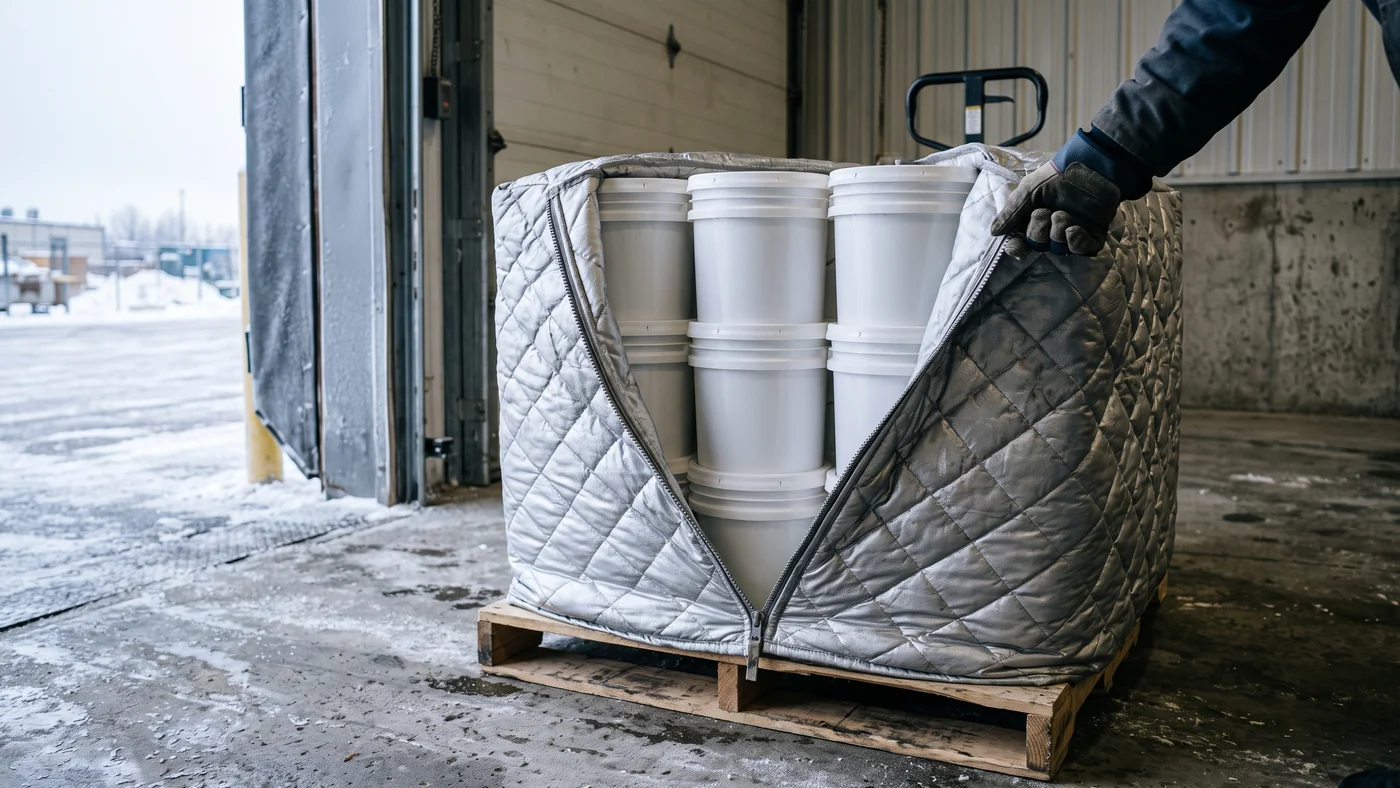
- Winter: freezing can ruin many PVA and acrylic emulsions. Ask for a freeze-thaw statement, book frost-protected transport where needed, and inspect texture on arrival. See PVA wood glue D3/D4.
- Summer: long sea transits and port dwell can heat containers well above warehouse temperature. Shorter routes, insulation or a cooler season matter most for instant glue and sealants.
- Pack choice: smaller packs reduce waste for slow-moving SKUs; large pails and IBCs suit fast movers only. See OEM adhesive packaging options.
- Receiving check: on arrival, record batch, manufacture date and condition, and open one pack per batch before release to stock.
Shelf Life, Batch Codes and Stock Rotation
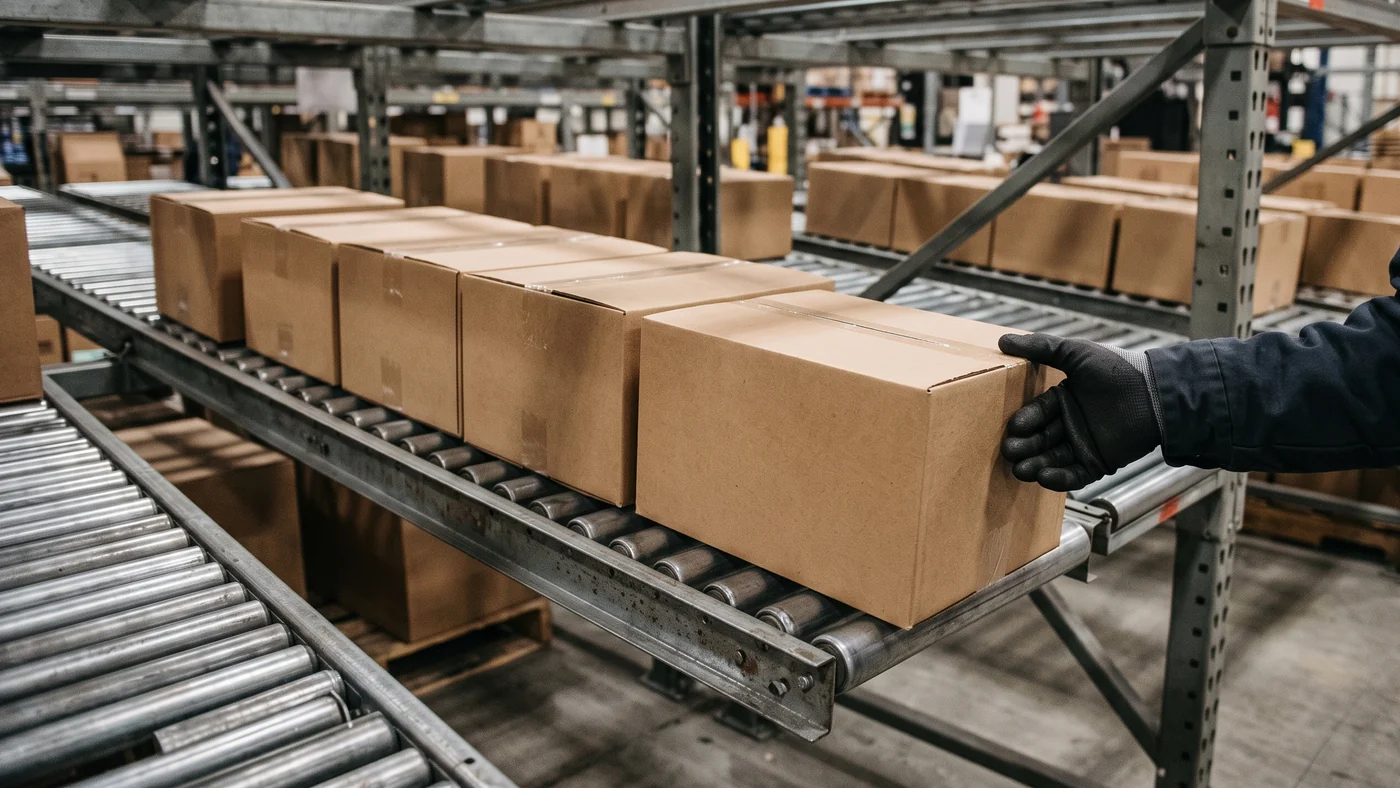
- What shelf life covers: usually months from manufacture date, unopened, stored as specified. Ask for the figure per product and pack type, in writing.
- Remaining shelf life on arrival: agree in the purchase order how much shelf life must remain when goods arrive, based on your transit time and sales speed.
- Readable coding: ask how the batch number and manufacture or expiry date are printed on each pack and carton, and in which format, so the warehouse can read them.
- First-expired, first-out: rotate by batch date, not by arrival date. Quarantine expired stock instead of discounting it into the market; ask the supplier before any re-test.
- SDS storage section: Section 7 of the SDS covers safe storage. See how to read an adhesive SDS.
Purchase Checklist for Storage and Shelf Life
- Shelf life per product and pack type, from manufacture date, with the storage conditions it assumes.
- Storage temperature range and any cold-storage or frost-protection advice.
- Batch and date coding format on pack and carton.
- Minimum remaining shelf life at arrival, written into the purchase order.
- Freeze-thaw statement for water-based products; flammable-goods notes for solvent-based ones.
- Transit plan by season: route, container type, insulation or frost protection.
- Order size matched to sales speed, so stock sells well inside its shelf life.
What GlueMFG Can Support Around This Topic
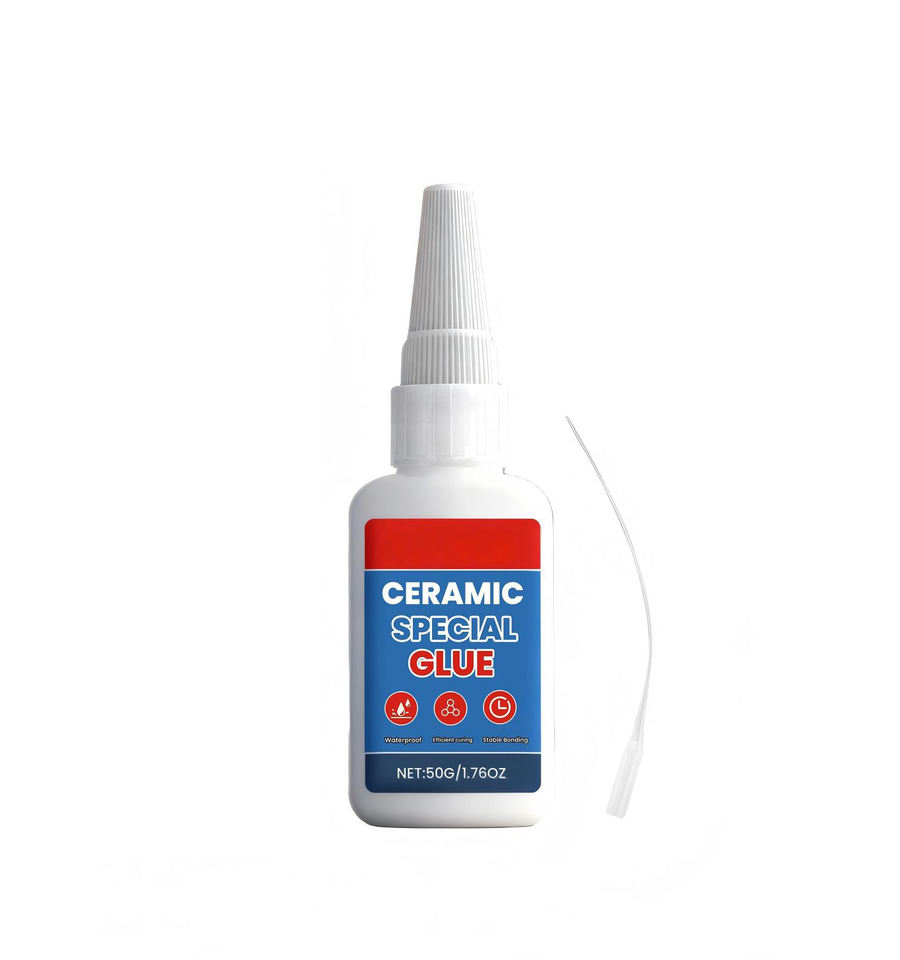
GLE-036 Instant glue
Listed instant glue. Shelf life, storage temperature and date coding are confirmed by inquiry.
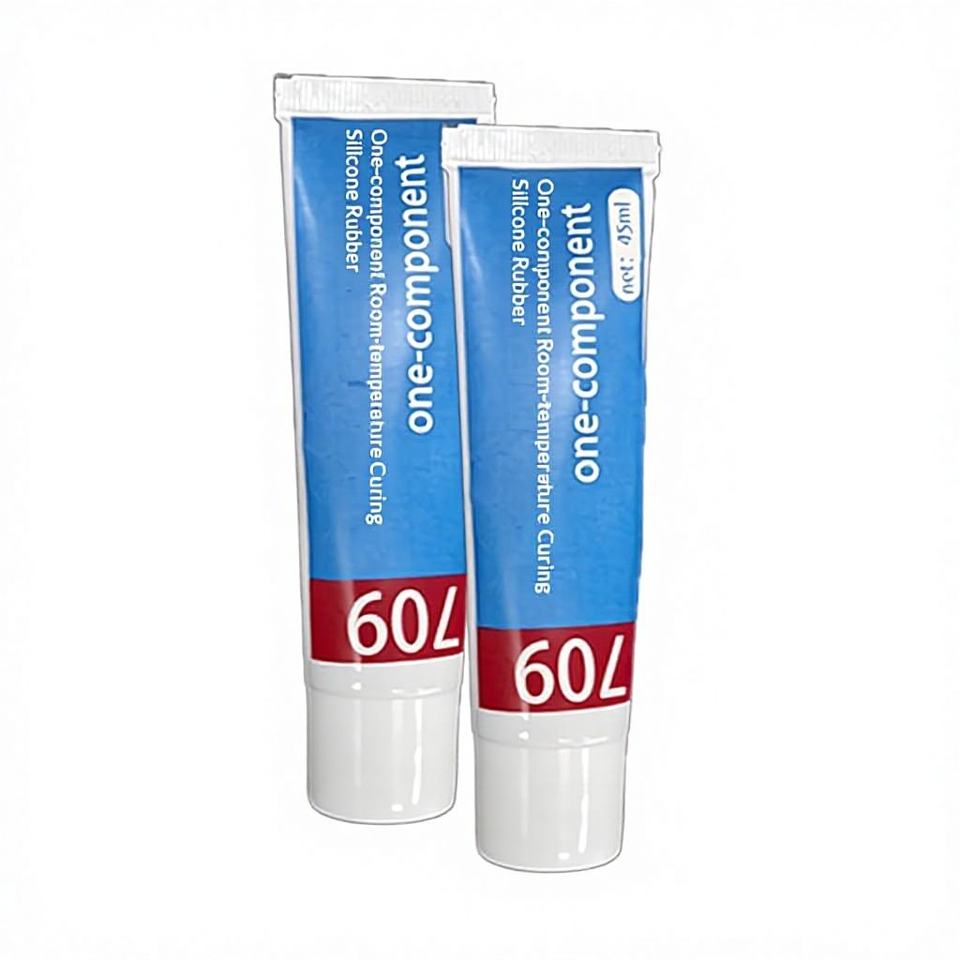
GLE-028 709 Silicone rubber
Listed silicone rubber in tubes. Shelf life per pack and storage advice are confirmed by inquiry.
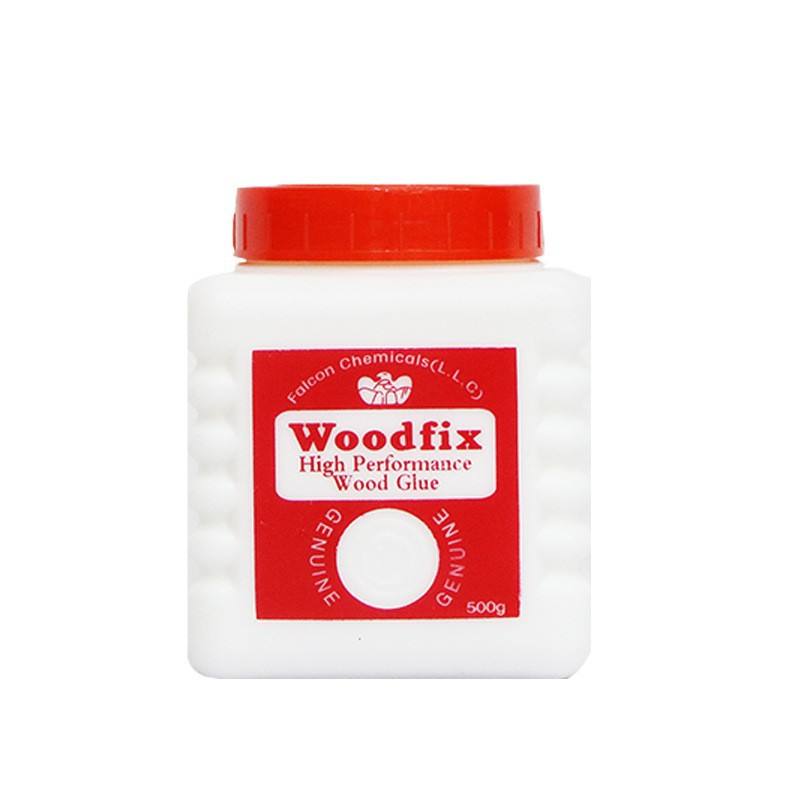
GLE-089 White acrylic wood glue
Listed water-based wood glue. Freeze-thaw behaviour and minimum storage temperature are confirmed by inquiry.
Related GlueMFG Resources
- Epoxy Cure Time and Shelf Life
- Silicone Sealant Cure Time
- How to Read an Adhesive SDS
- Super Glue Sea Freight Hazard Classification
- GlueMFG product catalog
FAQ
How should adhesives be stored in a warehouse?
Most adhesives and sealants keep best sealed in their original packs, in a cool, dry place out of direct sun and away from heat sources, within the storage range on the supplier's TDS or SDS. Water-based products also need protection from freezing, and solvent-based products need storage that meets local flammable-goods rules.
What does adhesive shelf life mean?
Shelf life is usually the period from the manufacture date during which an unopened product, stored as the supplier specifies, should perform to its data sheet. It is not a guarantee for opened packs or for stock kept hot, cold or damp. Ask for the shelf life in months, the storage conditions it assumes, and how the manufacture date or batch code is printed.
Should super glue be refrigerated?
Some suppliers recommend cool or refrigerated storage for unopened cyanoacrylate to slow thickening, while others specify room temperature. Follow the supplier's statement for the grade. If stock is kept cold, let it return to room temperature before opening so moisture does not condense inside the bottle.
What happens if water-based glue freezes?
Freezing can damage many water-based adhesives such as PVA and acrylic emulsions, leaving them lumpy, grainy or separated. Some grades are formulated to survive a limited number of freeze-thaw cycles. Ask the supplier for a freeze-thaw statement and use frost protection for winter shipments and unheated warehouses.
Can GlueMFG tell me the shelf life of a product before I order?
Yes. Shelf life, storage conditions and batch or date coding are confirmed per product by inquiry, together with the TDS and SDS. Tell GlueMFG your destination climate, expected warehouse time and sales speed so pack sizes and order quantities can be matched to the shelf life.