A threadlocker range for distributors and MRO buyers usually needs three or four grades, chosen by how the fastener will be removed: low strength for small adjustment screws, medium (removable) for general maintenance, high strength for permanent studs and bolts, and a wicking grade for parts already assembled. Buy and label by strength grade, thread size range and removal method, not by colour. GlueMFG does not list a threadlocker SKU today; grades, bottle sizes and documents are confirmed by inquiry.
Threadlocker is a small bottle with a large returns problem. Buyers who pick by colour, or who sell a permanent grade to a mechanic who expects to undo the bolt next month, get complaints that have nothing to do with product quality. This guide is for importers, MRO distributors and private-label brands deciding which grades to carry and what to ask the supplier before ordering.
Choose the Grade by How the Fastener Comes Apart
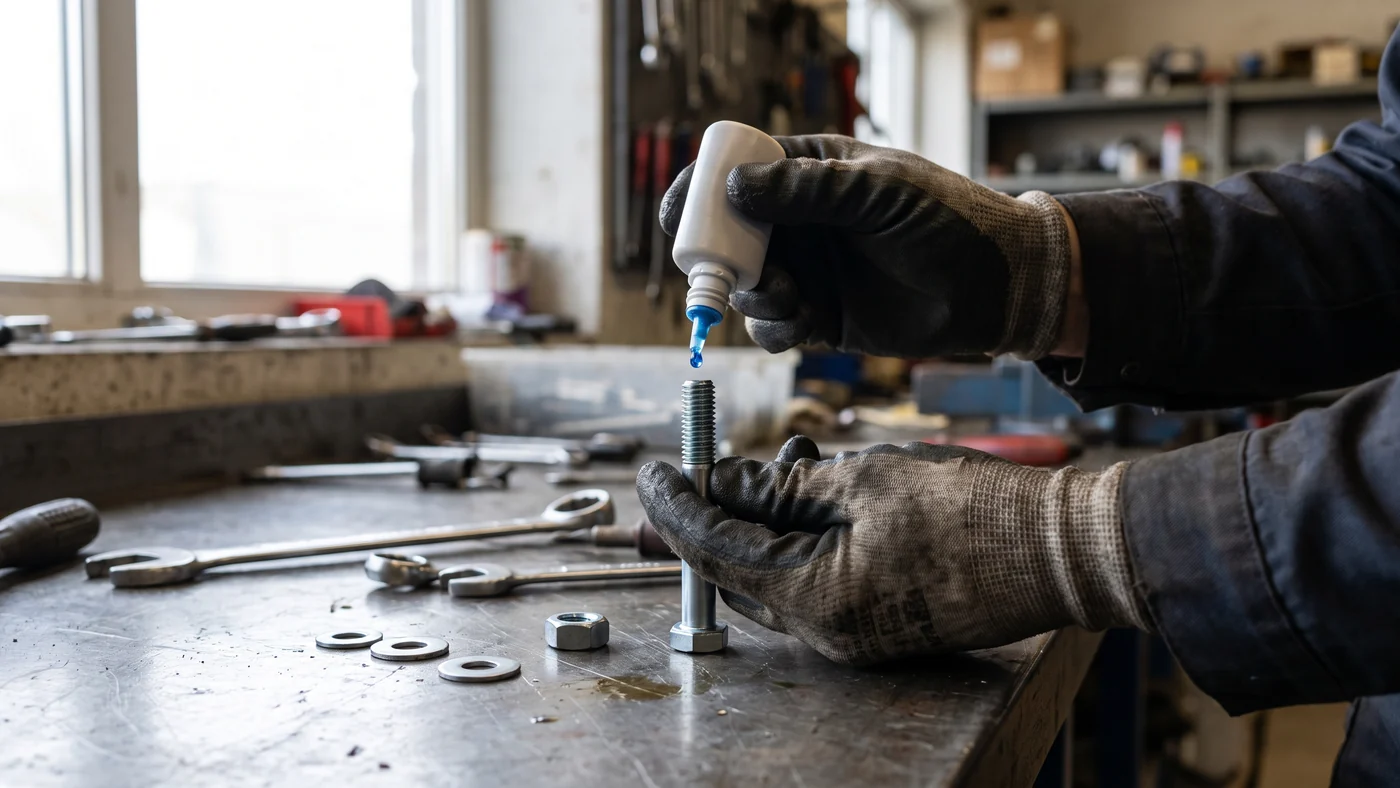
| Grade (common colour) | Typical job | Removal | Where it disappoints |
|---|---|---|---|
| Low strength (often purple) | Small adjustment and set screws, soft metals | Hand tools, low force | Larger bolts under heavy vibration |
| Medium, removable (often blue) | General maintenance: pumps, gearboxes, machine covers, vehicles | Standard hand tools | Permanent studs; badly oiled threads |
| High strength (often red) | Permanent studs, heavy equipment, parts rarely serviced | Usually local heat plus tools | Anything the customer will undo routinely |
| Wicking (often green) | Pre-assembled fasteners, electrical connectors, set screws | Depends on grade | Large gaps; parts that cannot be cleaned |
Colours above are common practice, not a standard; one supplier's blue may not match another's strength. Ask for the stated breakaway and prevailing torque for each grade, the thread size range, and the test method used, then print the grade name and size range on the pack.
Do not sell a high-strength grade as the default "strong" option for retail or general MRO. Customers who need to service the part later will strip bolts or apply heat where they should not, and the complaint lands on your brand. Lead with a medium removable grade and keep high strength clearly marked as permanent.
Production and Maintenance Use: Cure, Surfaces and Torque
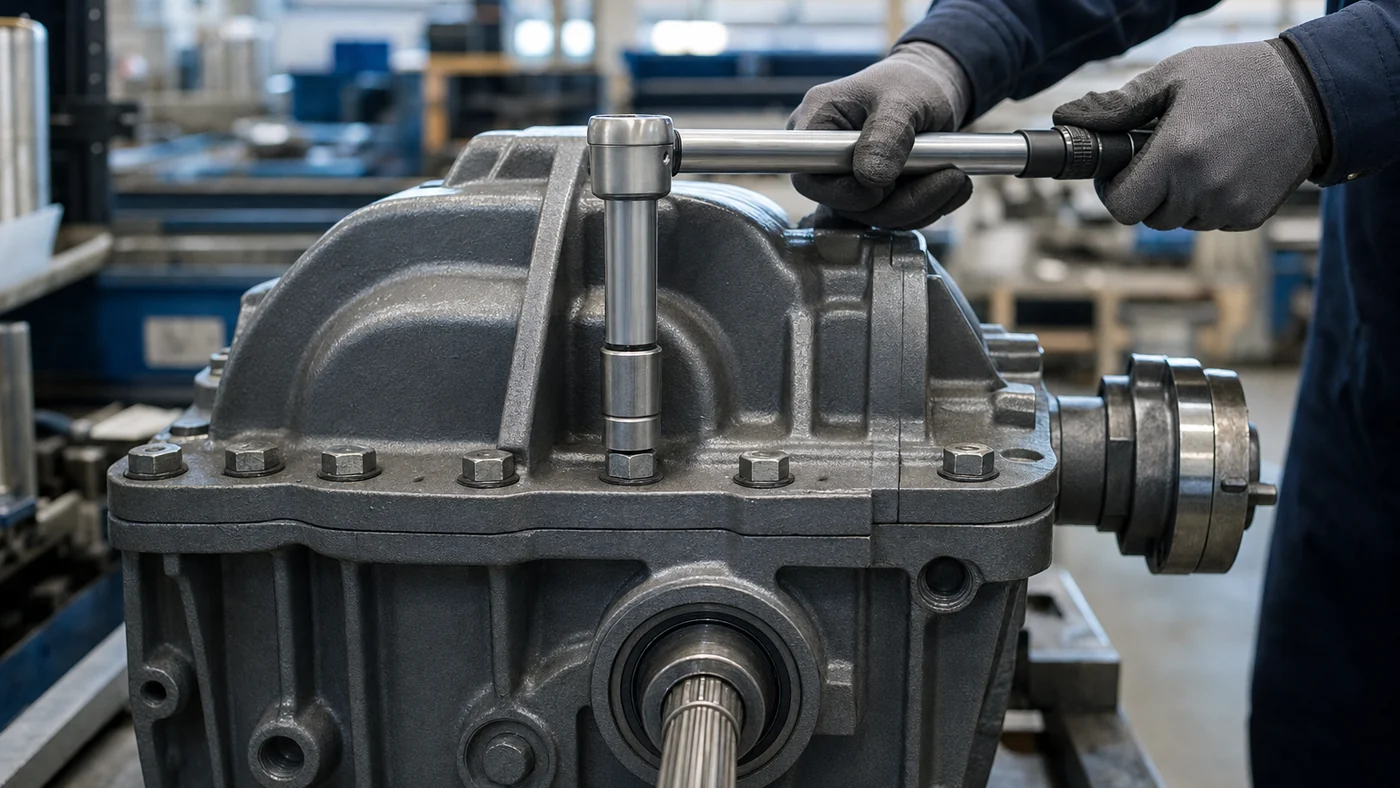
Threadlockers are anaerobic: they cure when air is excluded and the liquid touches metal. That makes the surface part of the specification. Before approving a grade, ask the supplier for:
- Fixture and full-cure time at room temperature, and how cold workshops slow it. Production buyers need this for when a part can move to the next station.
- Surfaces tested: plain steel cures readily; stainless steel, zinc and other plated finishes are slower. Ask whether a primer or activator is recommended and whether you should stock it alongside.
- Oil tolerance: some grades tolerate lightly oiled threads; most work best on clean, degreased parts. Say which on the label.
- Temperature and chemical resistance after cure, stated as the supplier's tested range for the grade. Do not print a figure you have not received in writing.
- Torque behaviour: liquid on the threads changes the torque-to-clamp relationship. Assembly lines with set torque values should check this during a trial. See adhesive strength testing for buyers for what test data to request.
Removal, Service and Plastics
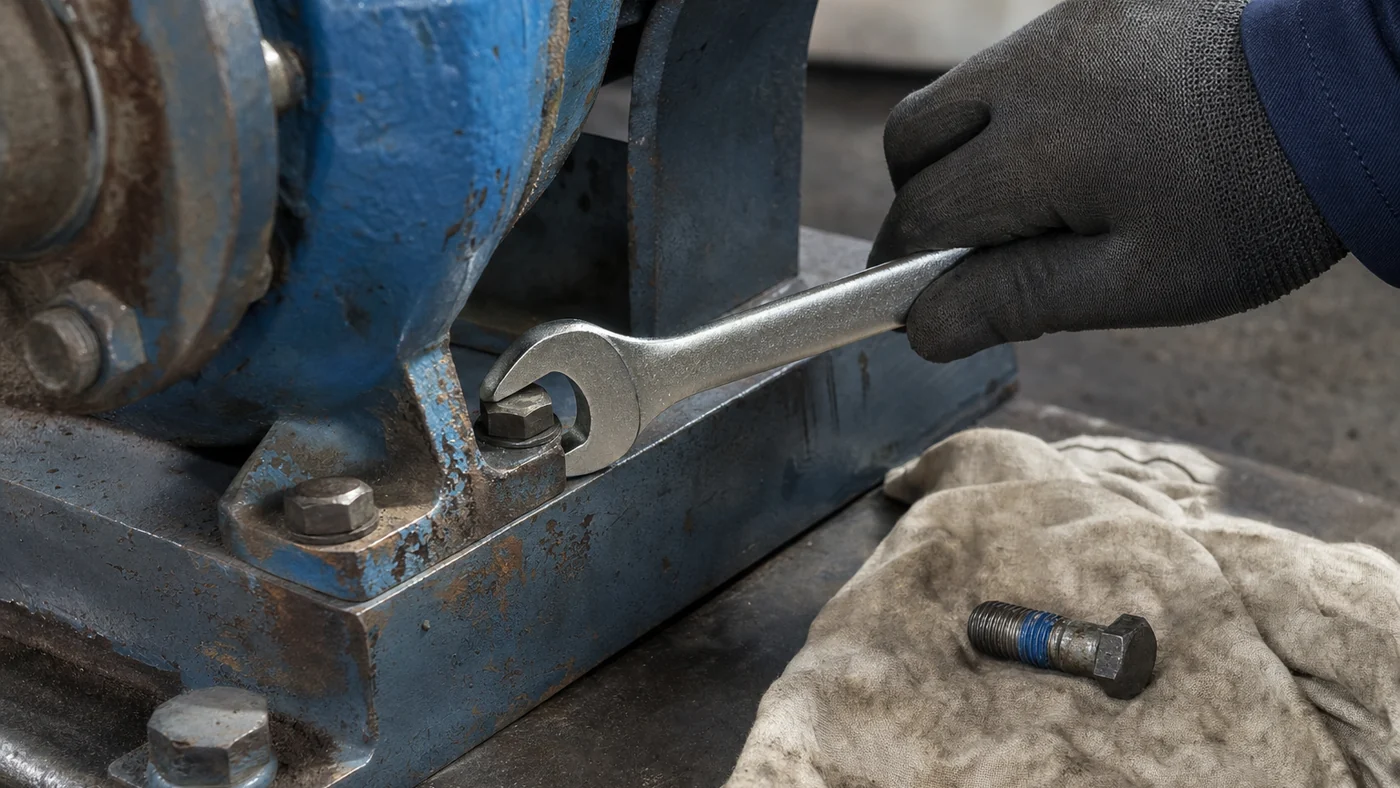
- Removal instructions belong on the pack: hand tools for low and medium grades, local heat for most high-strength grades. Ask the supplier for the recommended removal method for each grade.
- Reassembly: cured residue should be cleaned off the threads before new product is applied.
- Plastics: many anaerobic liquids can stress-crack some plastics. If your customers fasten into plastic parts, ask for plastic compatibility data or offer a different product for that job.
- Sealing vs locking: if the job is a leaking pipe thread, the customer needs a thread sealant, not a threadlocker. See thread sealant vs pipe sealant.
Packs, Labels and Shipping
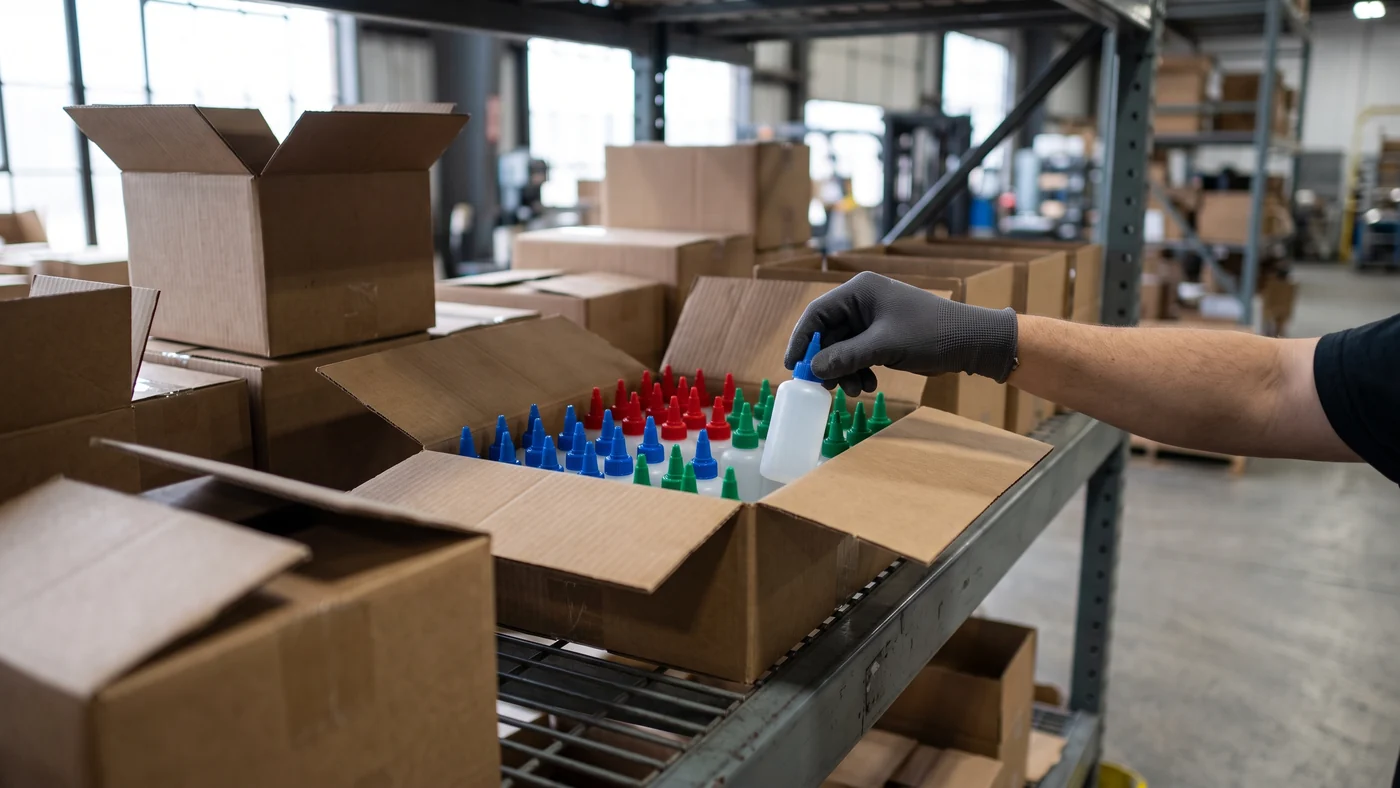
- Bottle and headspace: anaerobic liquids are normally packed in air-permeable bottles that are only partly filled. Say so on the listing to prevent short-fill complaints.
- Sizes by channel: small bottles and blister cards for retail and auto parts shops, larger bottles for maintenance teams and production lines. See OEM adhesive packaging options.
- Hazard labels: methacrylate-based anaerobics often carry skin or eye irritation or sensitisation statements. Check SDS Section 2 for the exact grade and label in the market language. See how to read an adhesive SDS.
- Transport: many threadlockers are not regulated as dangerous goods for transport, but SDS Section 14 for the exact grade decides. Confirm before booking air or express.
- Shelf life and storage: ask for the stated shelf life and storage temperature, and keep lots dated on the carton.
RFQ Checklist for Threadlocker
- Channel (MRO distribution, auto parts retail, production line, private label) and the jobs customers do most.
- Grades wanted: low, medium, high, wicking; and the colour you want for each.
- Thread size range, surfaces (plain steel, stainless, plated) and whether oiled parts are common.
- Requested data per grade: breakaway and prevailing torque, fixture and full cure, temperature range, removal method.
- Primer or activator needs for inactive metals.
- Pack: bottle size, cap colour, blister or box, label languages, carton count.
- SDS in your market format, transport classification and stated shelf life.
- Quantity per grade, destination, shipping mode and target price for sample and trial orders.
What GlueMFG Can Support Around This Topic
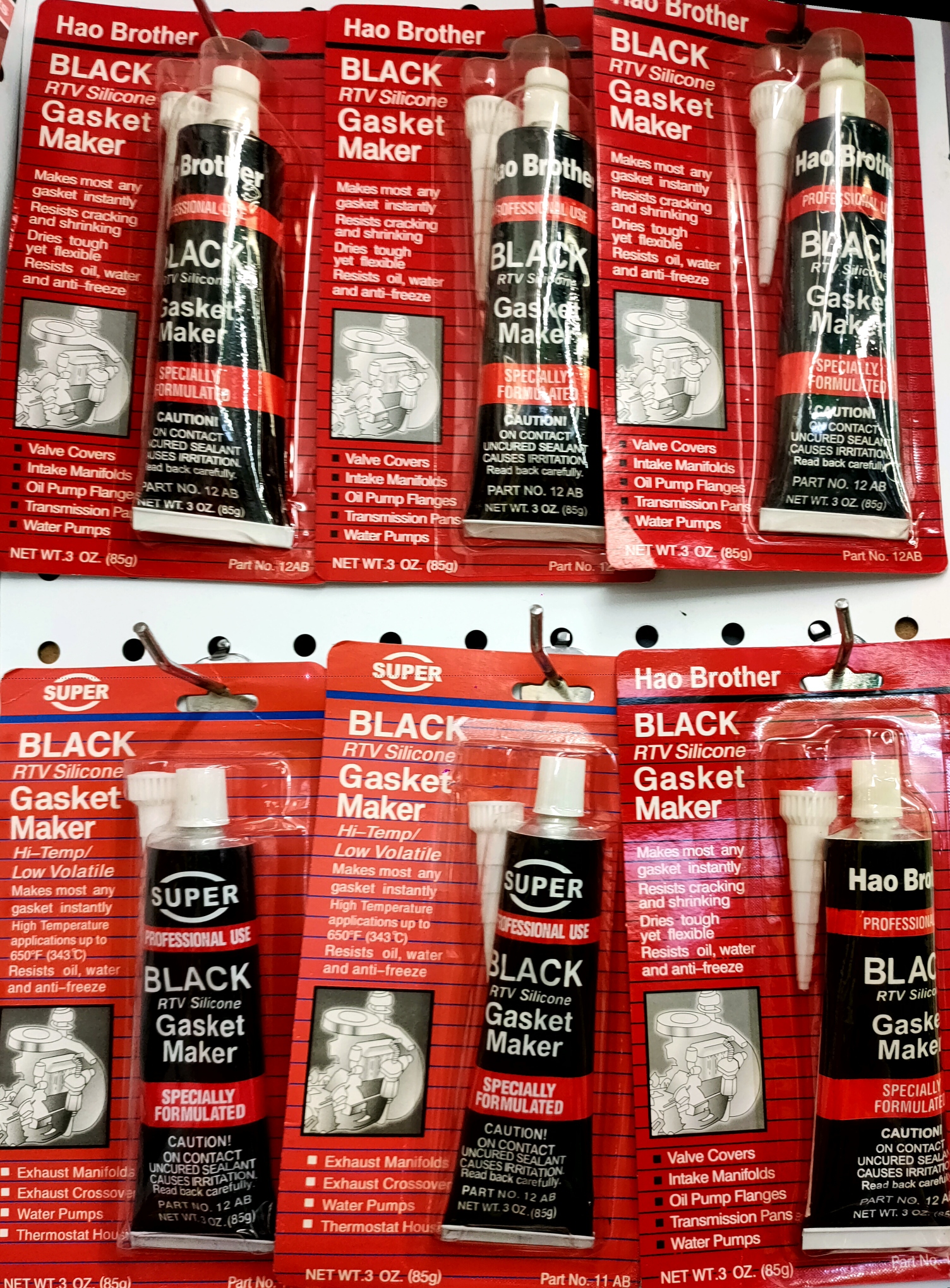
GLE-027 Gasket maker
Listed gasket maker for flange sealing in maintenance kits. Not a threadlocker; cure and temperature data confirmed by inquiry.
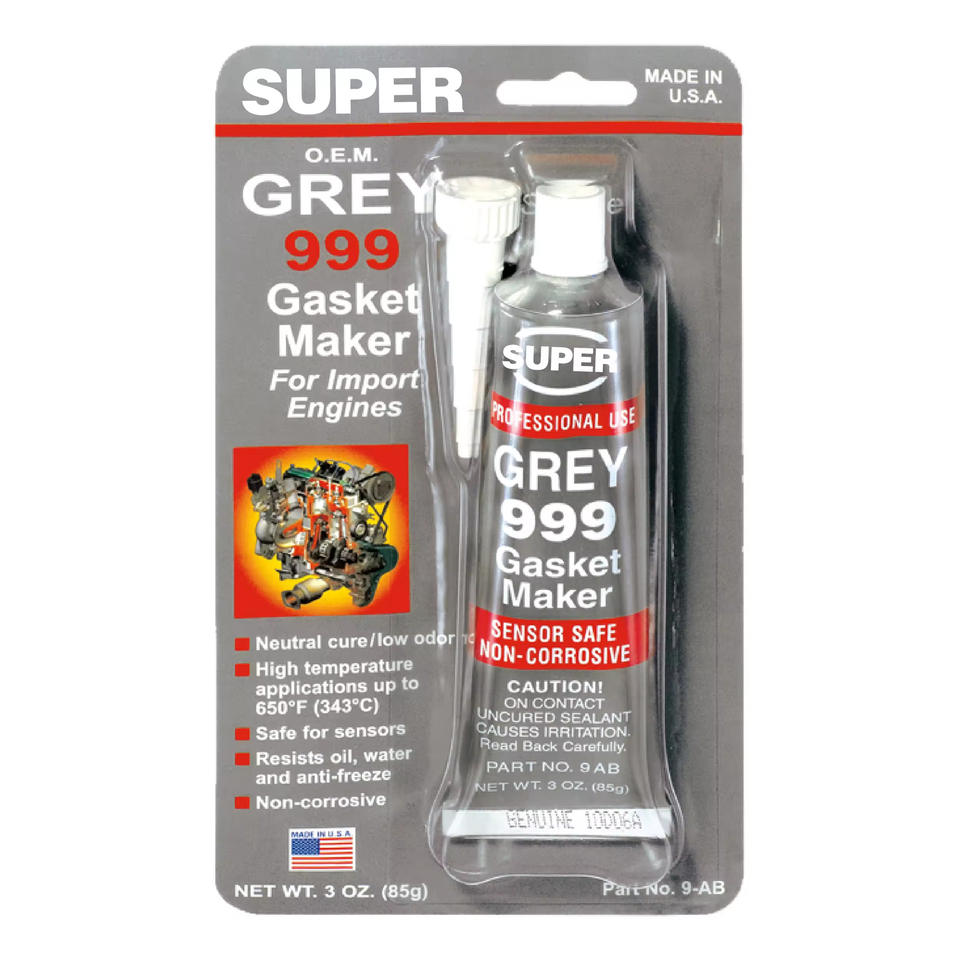
GLE-020 Gasket-free adhesive
Listed sealing adhesive for MRO ranges. Chemistry and suitability for your parts confirmed by inquiry.
Threadlocker grades by inquiry
Not a listed SKU. Send grades, colours, bottle sizes and markets; availability, SDS, TDS and MOQ confirmed by inquiry.
Related GlueMFG Resources
- Thread Sealant vs Pipe Sealant: Selection Guide
- RTV Gasket Maker vs Silicone Sealant for MRO Buyers
- Industrial Glue Supplier Shortlist
- How to Read an Adhesive SDS: A Checklist for Importers
- GlueMFG product catalog
FAQ
What is the difference between blue and red threadlocker?
In common industry practice, blue is a medium-strength, removable grade that can be taken apart with ordinary hand tools, and red is a high-strength grade meant for parts that are rarely or never disassembled, which usually needs local heat before removal. Colour is a convention, not a standard, so always buy and label by strength grade and the supplier's stated breakaway and removal data, not by colour alone.
Is threadlocker the same as thread sealant?
No. Both are often anaerobic liquids, but threadlocker is formulated to stop fasteners loosening under vibration, while thread sealant is formulated to seal threaded pipe and fitting joints against gas or liquid. Some products claim both jobs. Stock them as separate SKUs with clear wording and see the thread sealant vs pipe sealant guide for the sealing side.
Why does threadlocker sometimes not cure?
Anaerobic adhesives cure in the absence of air when in contact with metal ions. On less active surfaces such as stainless steel, zinc or other plated finishes, and in cold conditions, cure can be slow or incomplete, and oil on the threads also interferes. Suppliers usually recommend cleaning and, for inactive metals, a primer or activator. Ask which surfaces the grade was tested on.
Why are threadlocker bottles only partly filled?
Anaerobic products stay liquid while they are in contact with air. They are usually packed in air-permeable plastic bottles with headspace so oxygen keeps the liquid stable during storage. A half-full bottle is normal, and the pack and listing should say so to avoid short-fill complaints.
Does GlueMFG sell threadlocker?
Threadlocker is not a listed catalog SKU today. GlueMFG's current sealant listings are gasket makers and engine silicone (GLE-020, GLE-027, GLE-023). If you need threadlocker grades for a distributor or private-label range, send the strength grades, colours, bottle sizes and markets, and availability, documents and MOQ will be confirmed by inquiry.