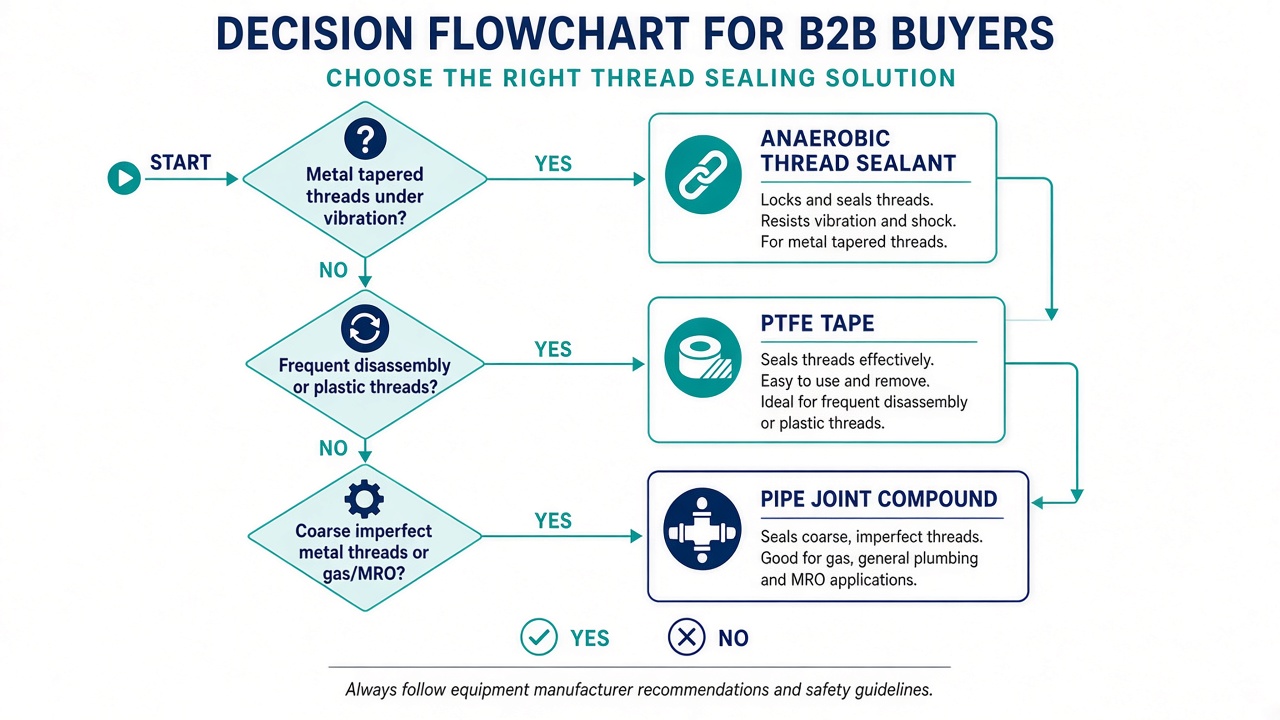
Treat thread sealant and pipe sealant as related but not identical buying terms. For clean metal tapered threads under vibration or higher integrity sealing, anaerobic thread sealant is usually the right starting point. For fast service, frequent disassembly, plastic or mixed-material threads, PTFE tape is usually simpler. For coarse or imperfect metal threads and many gas or industrial joints, pipe joint compound (pipe dope) can fill gaps better — if the formula matches the media and substrate. Do not pick by FOB price alone; pick by thread type, pipe material, media, pressure/temperature band, and whether the joint must come apart later.
On a catalog page, “thread sealant” and “pipe sealant” often sit in the same shelf conversation. In the field they solve different leak paths. Buyers who treat them as one SKU get wrong packaging claims, wrong channel advice, and returns that look like quality problems when the real issue was product-style mismatch.
This guide is written for B2B sourcing — not consumer DIY. The goal is a clean RFQ: name the product style, name the joint, and confirm documents before bulk production.
What Buyers Usually Mean by Each Term
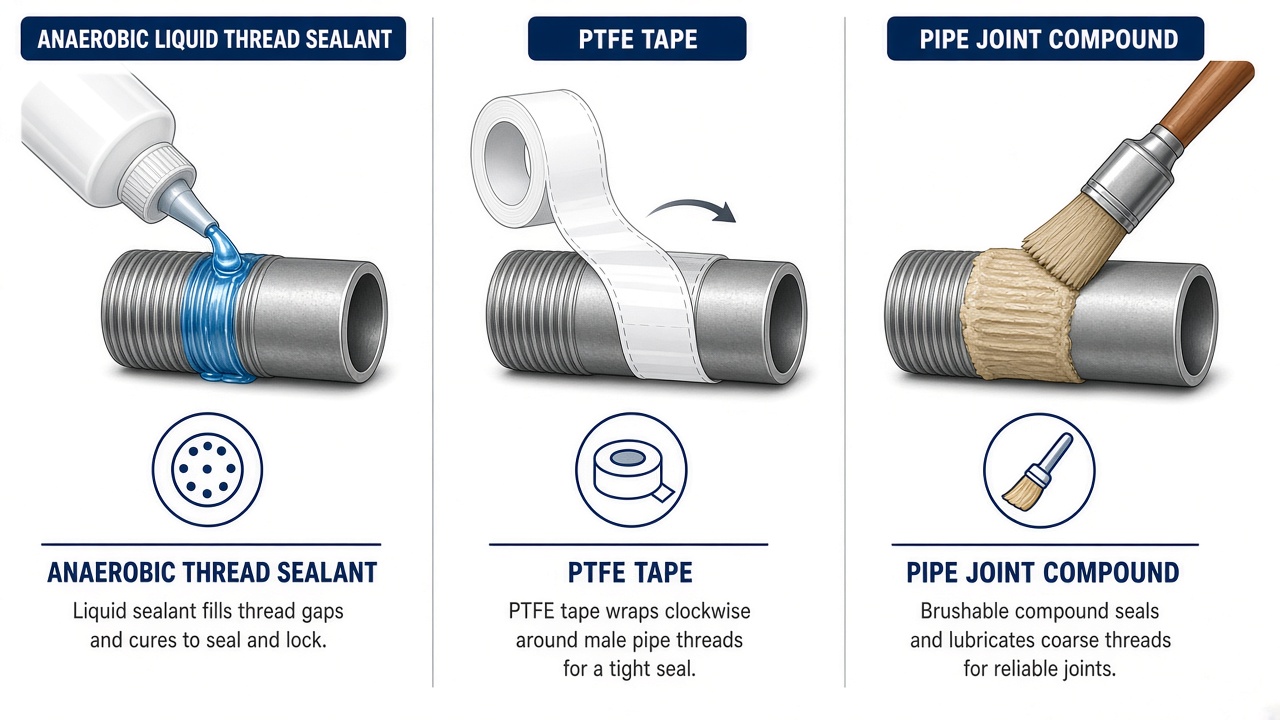
Thread sealant most often means a liquid or paste made to seal threaded metal joints. In industrial catalogs that usually points to anaerobic chemistry: a one-component product that cures when confined between metal surfaces in the absence of air.
Pipe sealant is a broader trade term. Depending on the channel, it can mean:
- PTFE tape (often called Teflon tape)
- Pipe joint compound / pipe dope (paste)
- Liquid PTFE paste
- Anaerobic thread sealant (sometimes sold under a “pipe thread sealant” label)
If your RFQ only says “pipe sealant,” factories and suppliers will quote different chemistries. State the product style explicitly.
This article covers tapered threaded pipe and fitting joints (for example NPT / BSPT style metal threads) and general B2B stocking decisions. It does not approve oxygen service, potable-water listings, gas-code compliance, or any pressure rating. Those require product-specific TDS/SDS and destination-market approvals.
Comparison Table: Anaerobic vs PTFE Tape vs Pipe Dope
| Buying factor | Anaerobic thread sealant | PTFE tape | Pipe joint compound (pipe dope) |
|---|---|---|---|
| How it seals | Cures in metal thread gaps when air is excluded; fills micro-clearances. | Non-curing film/lubricant compressed between threads. | Paste fills thread voids; some formulas dry or remain soft — formula-dependent. |
| Best-fit joints | Clean metal tapered threads; hydraulic / pneumatic / industrial metal fittings when TDS supports the service. | Smaller threads, frequent service, plastic or mixed-material connections when wrapping is controlled. | Coarser or imperfect metal threads; many gas and industrial joints where paste fill helps. |
| Vibration / shock | Generally stronger resistance once cured (grade-dependent). | Weaker; tape can loosen or shred under vibration. | Better than thin tape on coarse threads, but not equal to a cured anaerobic seal — check TDS. |
| Disassembly | Depends on strength grade; high-strength grades may need heat or more force. | Usually easy to remove and reapply. | Usually serviceable; messier cleanup than tape. |
| Contamination risk | Low shred risk when applied correctly; excess can squeeze out before cure. | Shredding can foul valves, filters, and instrumentation if over-wrapped. | Paste can migrate if over-applied; choose particle/filler profile for sensitive systems. |
| Plastic threads | Often a poor fit; anaerobic cure needs suitable metal contact. Review formula case by case. | Common choice when plastic compatibility matters. | Only if the formula states plastic compatibility; solvent carriers can attack some plastics. |
| Counter / MRO simplicity | Needs cure-time and substrate guidance. | Fast to demonstrate; easy retail SKU. | Familiar to pipefitters; brush-on paste format. |
None of the three is universally “better.” The joint and the media decide. Ask for the current TDS and SDS before you print channel claims.
When Anaerobic Thread Sealant Is the Better First Choice
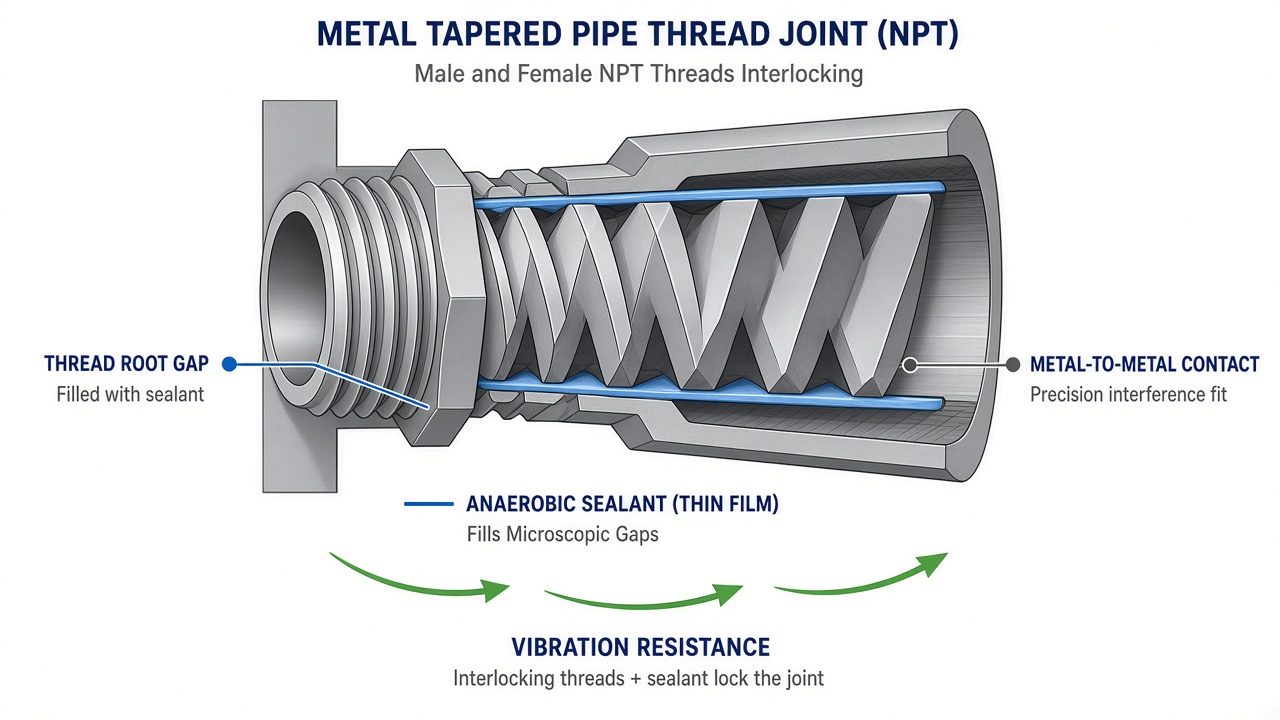
Choose anaerobic thread sealant when the joint is metal-to-metal, the threads are tapered, and the service needs a filled, cured seal rather than a temporary wrap.
Typical B2B fit:
- Metal pipe and fitting threads in industrial or MRO channels
- Joints exposed to vibration or dynamic load where tape alone has failed in the field
- Buyers who want controlled breakaway / service grades (low, medium, or high strength)
- Applications where shredding tape into valves or filters is a known complaint
Watch the substrate. Active metals such as brass or copper usually support cure more readily. Passive metals such as stainless or some plated finishes may need an activator and longer cure — confirm on the TDS, especially in cold warehouses or winter install conditions.
When PTFE Tape Still Wins
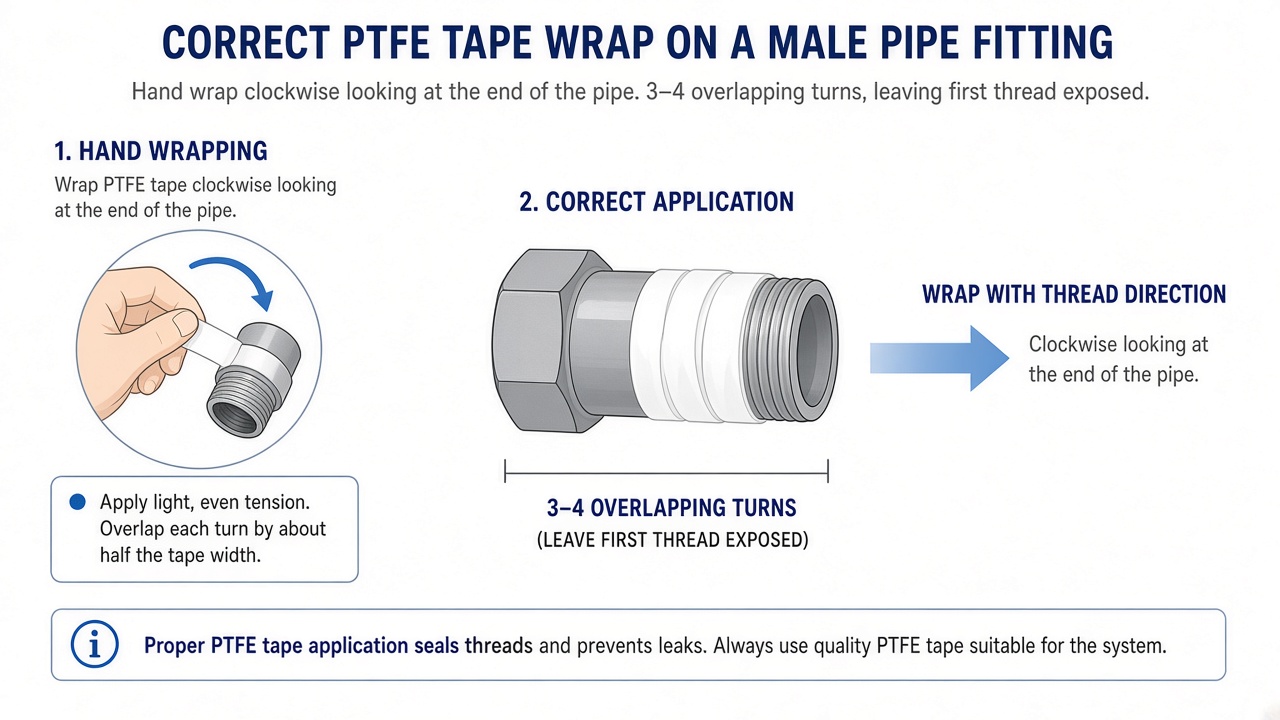
PTFE tape remains the practical SKU for many distributor counters. It is clean, familiar, and easy to stock in multiple densities and widths.
Prefer PTFE tape when:
- Joints are serviced often and must come apart cleanly
- Threads are plastic or mixed-material
- The channel needs a low-training, fast-apply product
- Contamination from paste squeeze-out is a bigger risk than tape shredding (or wrapping discipline is already strong)
Stock denser tape for gas or industrial counters only when your market already buys that grade. Do not upgrade every retail roll to “industrial” labeling without a matching product and channel need.
When Pipe Joint Compound Makes Sense
Pipe dope is a paste category, not one chemistry. Fillers, carriers, listings, and plastic compatibility vary widely. It is often preferred for coarser metal threads and for some gas or industrial metal joints where paste fills imperfect thread form better than a thin tape wrap.
Use pipe compound when the buyer can name the media (water, air, fuel, gas, etc.) and you can match a formula that lists that service. Do not treat “pipe dope” as interchangeable across brands on a private-label brief.
Do not use anaerobic thread sealant as a universal “pipe sealant” SKU for plastic threaded fittings, painted or heavily plated inactive metals without activator review, or any oxygen / special-gas service unless the exact product documentation supports it. Do not use ordinary solvent-based pipe dope on soft plastics unless plastic compatibility is stated. Do not replace PVC solvent cement with thread sealant on solvent-weld PVC socket joints — that is a different joining method. Wrong chemistry here creates leaks, soft fittings, and channel disputes that look like factory quality failures.
Choose by Channel, Not Only by Unit Cost
Hardware / plumbing distributor
Lead with PTFE tape for volume. Add one metal-thread paste or anaerobic SKU only when counters already get industrial or gas inquiries.
Industrial MRO / PVF
Lead with anaerobic or listed pipe compound matched to media. Tape becomes the secondary, fast-service SKU.
Private-label export line
Name the product style on the label. “Pipe sealant” alone is too vague for customs, channel training, and after-sales scripts.
RFQ Checklist Before You Confirm Production
- Product style: anaerobic thread sealant, PTFE tape, liquid PTFE paste, or pipe joint compound.
- Thread and material: tapered metal, plastic, stainless, brass, galvanized, mixed.
- Media and service: water, air, oil, fuel, gas, chemical — plus temperature/pressure band if known.
- Disassembly need: frequent service vs fit-and-forget; preferred strength grade.
- Documents: TDS, SDS/MSDS, COA route, packing list and invoice format for export.
- Packaging: tube, bottle, brush-top can, tape width/density, carton count, OEM label language.
GlueMFG can provide MSDS/COA, packing list, and invoice for confirmed orders. Approvals and listings (where required) must match the destination market and the exact formula — do not invent claims on the carton.
What GlueMFG Can Support Around This Topic
GlueMFG currently lists 93 SKUs across 13 categories, with OEM packaging available. The live catalog does not currently show dedicated anaerobic thread sealant or PTFE tape SKUs as named lines. Closest related categories for pipe and sealing buyers are:
- PVC Pipe Glue — for solvent-weld PVC pipe systems (not a substitute for threaded metal sealant)
- Sealant / Gasket Maker — flange, gasket, and general sealing tubes
- Silicone / PU — construction and joint sealing cartridges
If you need anaerobic thread sealant or PTFE tape as a private-label or export line, send the RFQ details above so the factory can confirm whether a matching formula and pack format can be sourced or developed — do not assume the current public catalog already stocks those exact chemistries.
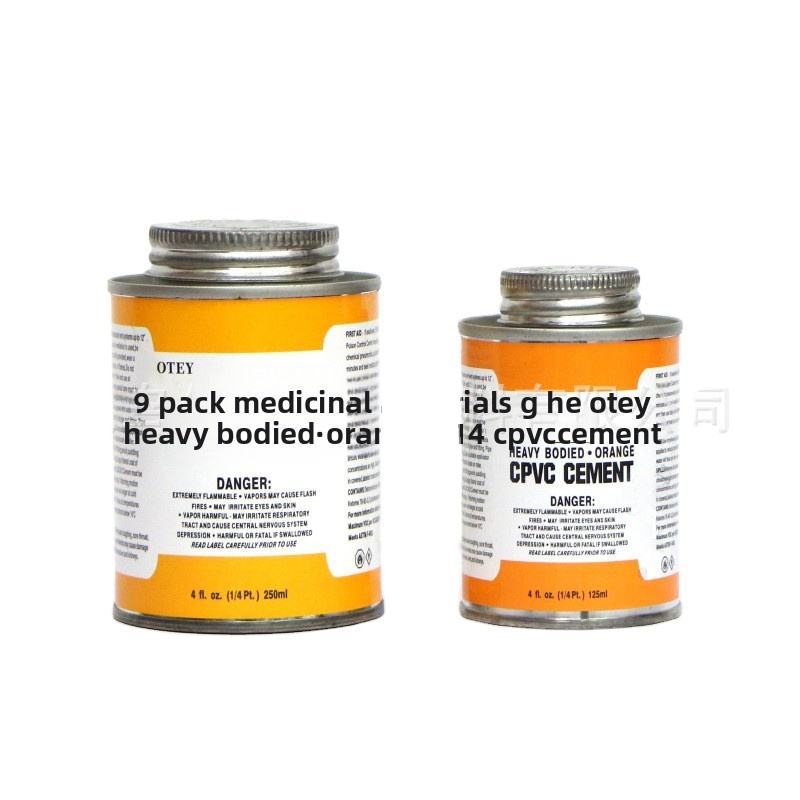
PVC Pipe Glue
For solvent-weld PVC pipe joints. Related to pipe work, but not a metal thread sealant. See catalog.
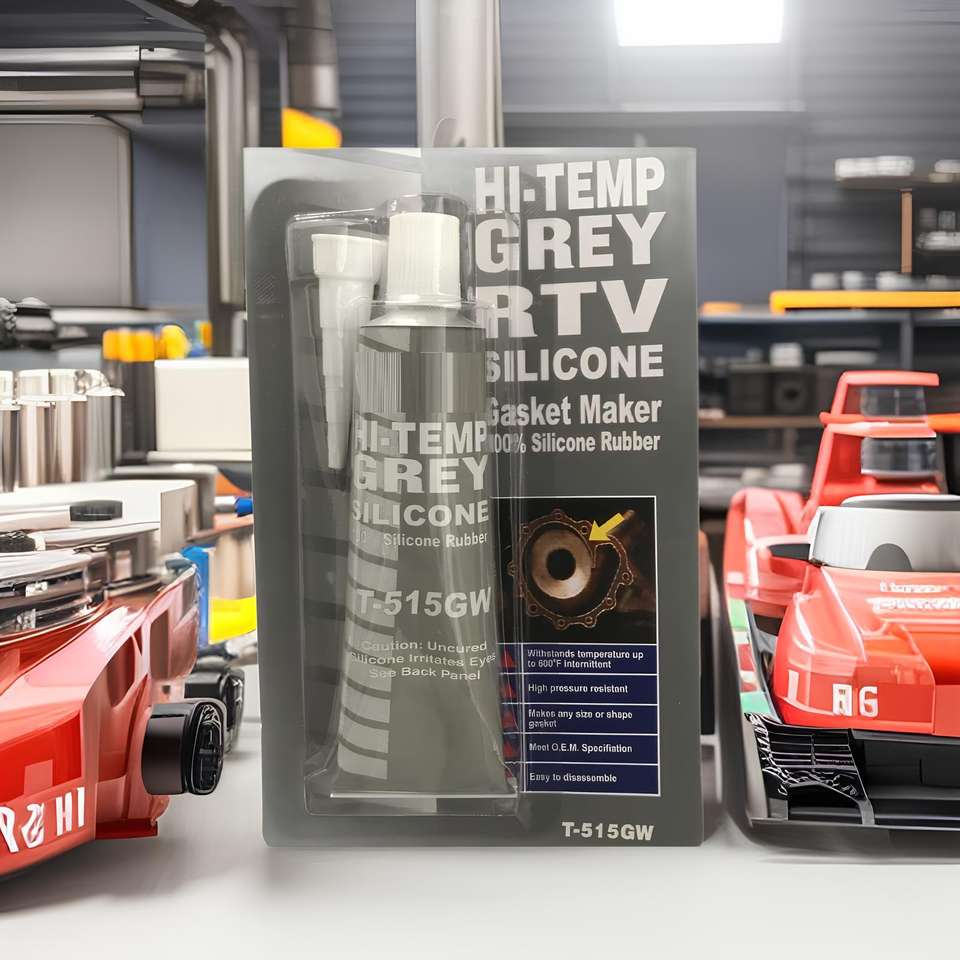
Sealant / Gasket Maker
Gasket and sealing tubes for engines and maintenance channels — different from pipe-thread sealant.
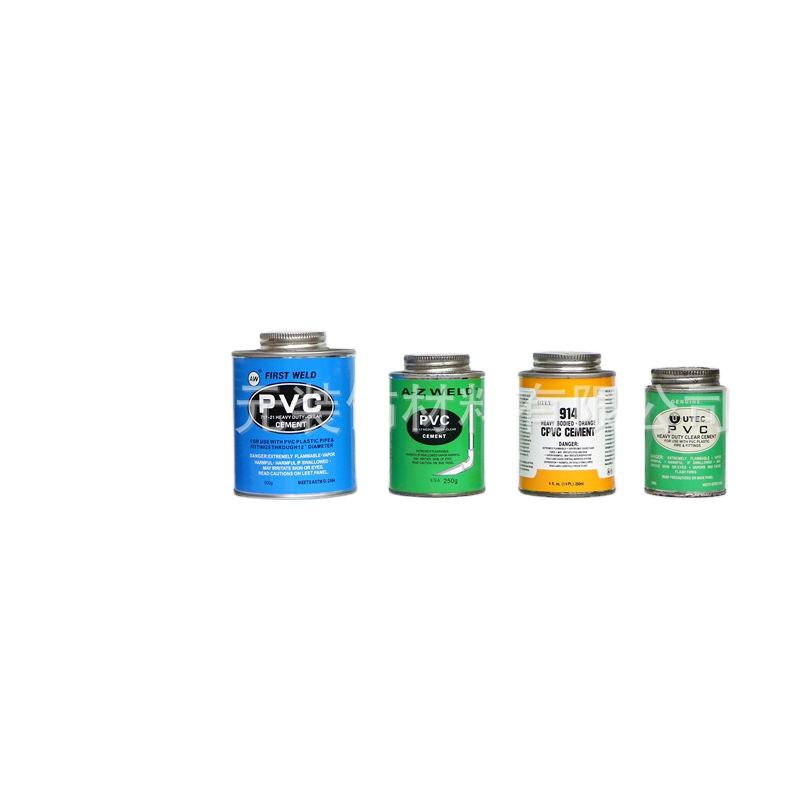
Silicone / PU Sealant
Construction joint sealing. For cure chemistry choices, see the neutral vs acetoxy guide.
Related GlueMFG Resources
- Product catalog (93 SKUs)
- Neutral-cure vs acetoxy silicone sourcing guide
- Silicone sealant cure time
FAQ
Is thread sealant the same as pipe sealant?
Not exactly. Thread sealant usually means a product made for threaded metal joints — often anaerobic liquid. Pipe sealant is a broader buying term that can cover PTFE tape, pipe joint compound (pipe dope), liquid PTFE paste, or anaerobic thread sealant. Always name the product style in the RFQ.
When should I use anaerobic thread sealant instead of PTFE tape?
Prefer anaerobic thread sealant for clean metal tapered threads where vibration, higher integrity sealing, and controlled disassembly strength matter. Prefer PTFE tape for fast service, frequent disassembly, plastic or mixed-material threads, and jobs where a curing liquid is a poor fit. Confirm media and substrate on the TDS.
Can I use pipe joint compound on plastic pipe threads?
Only if the specific formula lists plastic compatibility. Many solvent-based pipe dopes can swell or weaken some plastics. For plastic solvent-weld PVC systems, use PVC pipe cement — not thread sealant — on the socket joints.
Should distributors stock both thread sealant and pipe sealant?
Often yes, but as separate SKUs with clear labels. Stock one PTFE tape line for general plumbing service, then add anaerobic or pipe compound only when your channel has proven demand for metal tapered threads, gas, hydraulic, or industrial MRO work.
Does GlueMFG currently list dedicated anaerobic thread sealant SKUs?
The live catalog focuses on adhesives and sealants such as silicone, gasket maker, and PVC pipe glue. Dedicated anaerobic thread sealant or PTFE tape lines should be confirmed by inquiry before assuming stock. Closest current categories are Sealant / Gasket Maker and PVC Pipe Glue.