Waterproof glue is a claim, not a standard. Choose by material and water exposure: two-part epoxy and polyurethane for wet service on rigid parts, D3/D4 or PU wood glue for timber, and silicone or MS polymer sealant where the job is to keep water out of a joint. General instant glue handles splashes but not long immersion. Ask which water test stands behind the claim; for GlueMFG products this is confirmed by inquiry.
Distributors and OEM buyers are asked for “waterproof glue” for outdoor furniture, bathrooms, boats, garden products and repair kits. Without a defined exposure, two suppliers can both say waterproof and mean very different things. This guide explains how to define the water exposure, which adhesive families fit wood, rigid parts and joints, how to test, and what to ask in the RFQ. For sealant-only projects, see weatherproof and waterproof silicone.
Define the Water Exposure Before You Choose a Glue
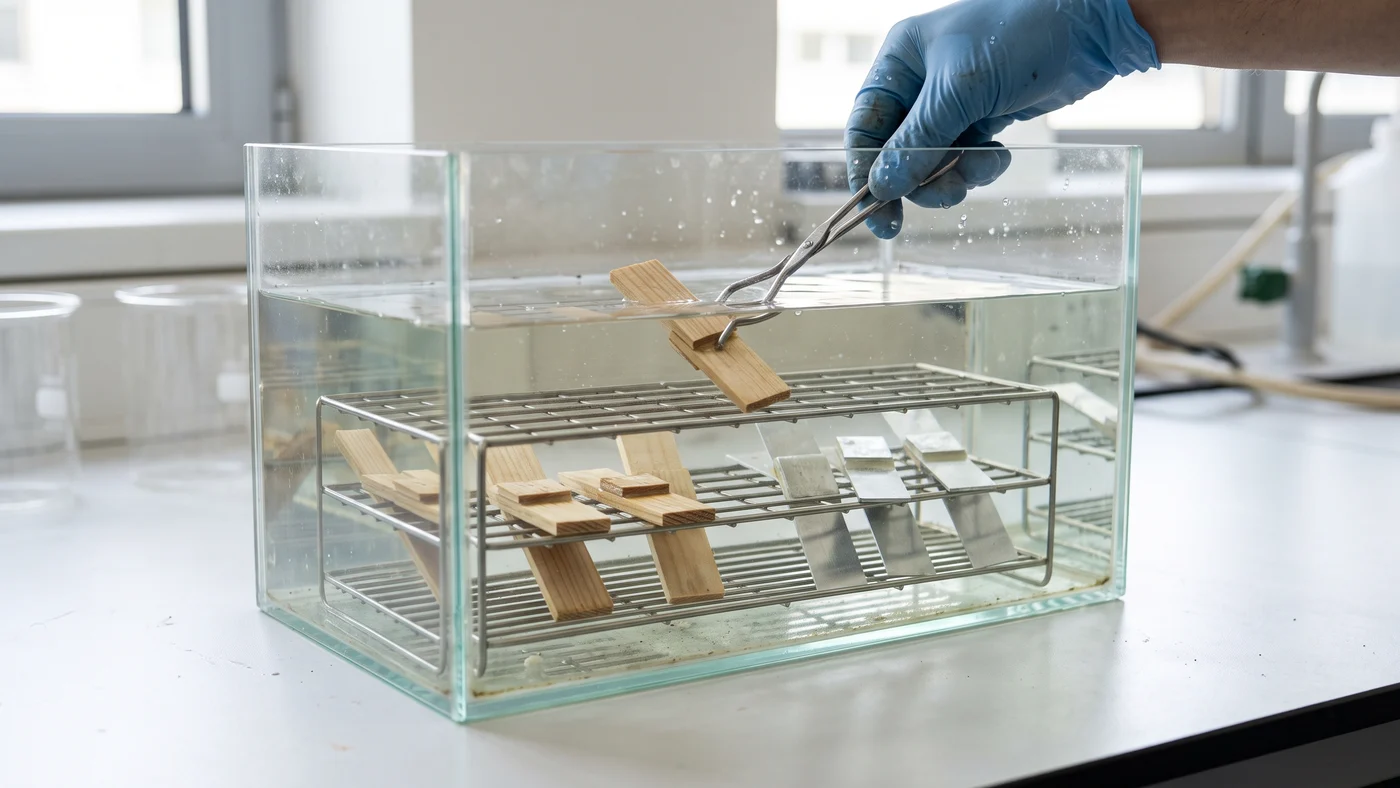
| Exposure | Examples | Adhesive families often used | What to confirm |
|---|---|---|---|
| Humidity and splashes | Indoor kitchens, bathrooms | Most PVA D2/D3, instant glue, epoxy | Water class or humidity aging |
| Outdoor weather | Garden furniture, doors, signs | D3/D4 wood glue, PU glue, epoxy | Class, UV exposure, temperature range |
| Long immersion | Boats, pools, tanks, fountains | Two-part epoxy, PU, specialist sealants | Immersion test, temperature of the water |
| Hot water and washing | Appliances, dishwashers, laundries | Test-led; heat-resistant epoxy or silicone | Hot-water and cycle tests |
| Drinking water and fish | Pipes, tanks, aquariums | Only certified products for that use | Certificate and its scope |
Do not accept “waterproof” on a quote without a test method. Ask which test, at what temperature and for how long, and what strength remained afterwards.
Waterproof Wood Glue: D3, D4 and Polyurethane
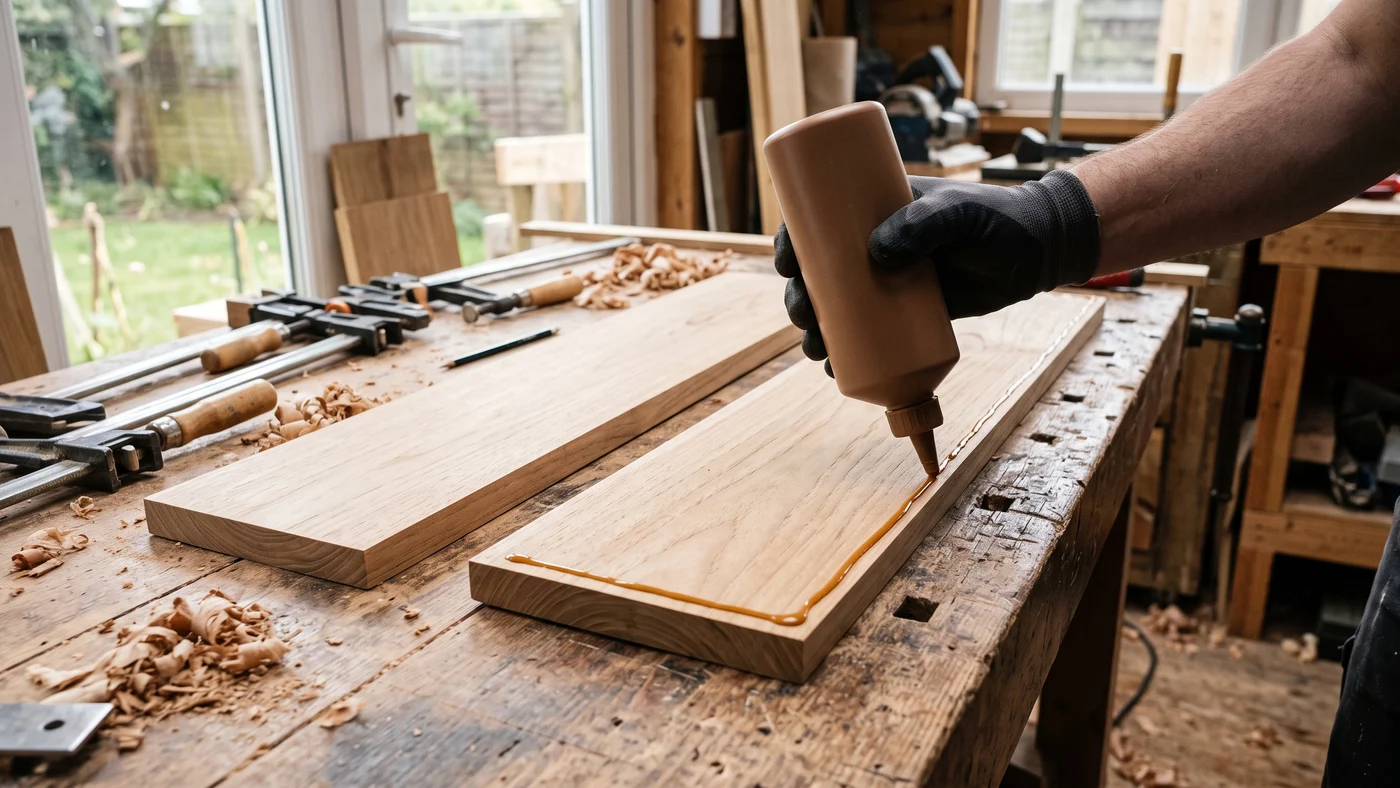
- Water-resistance classes: EN 204 classes D1 to D4 rate wood glue from dry interior use to severe exterior or frequent long water exposure. Ask which class was tested and by whom. See PVA wood glue D3/D4.
- Polyurethane wood glue: moisture-curing PU suits outdoor timber and mixed materials; many grades foam slightly while curing. See polyurethane glue.
- Oily timbers: teak and other oily woods can need cleaning or a specific grade. Test on the timber you use.
- Cure before exposure: waterproof performance is reached only after full cure; parts should not go outside or into water early. See adhesive drying and cure time.
Epoxy and Instant Glue in Wet Service
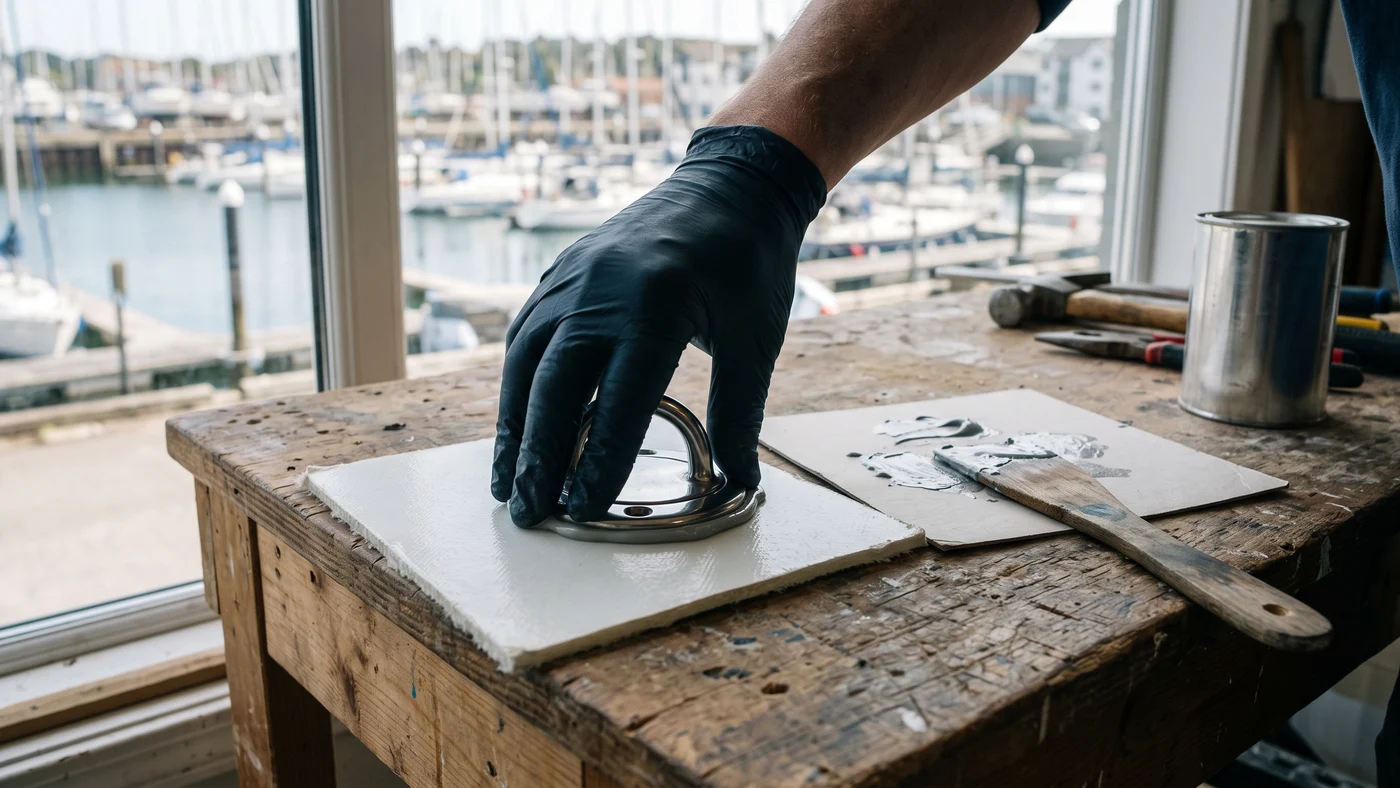
- Two-part epoxy: widely used for wet and outdoor service on metal, fibreglass, stone and rigid plastics. Abrade and clean surfaces; most bonds fail at the surface, not in the epoxy. See epoxy cure time.
- Instant glue: fine for small repairs that see splashes; general grades can lose strength with long immersion or hot water. Ask for water-aging data before marketing it as waterproof. See cyanoacrylate grades.
- Salt water and chemicals: marine and pool use add salt, chlorine and UV. Name them in the RFQ so the supplier answers for the real conditions.
- Plastics: water exposure makes weak plastic bonds fail sooner. See plastic bonding adhesives.
Sealants for Joints That Must Keep Water Out
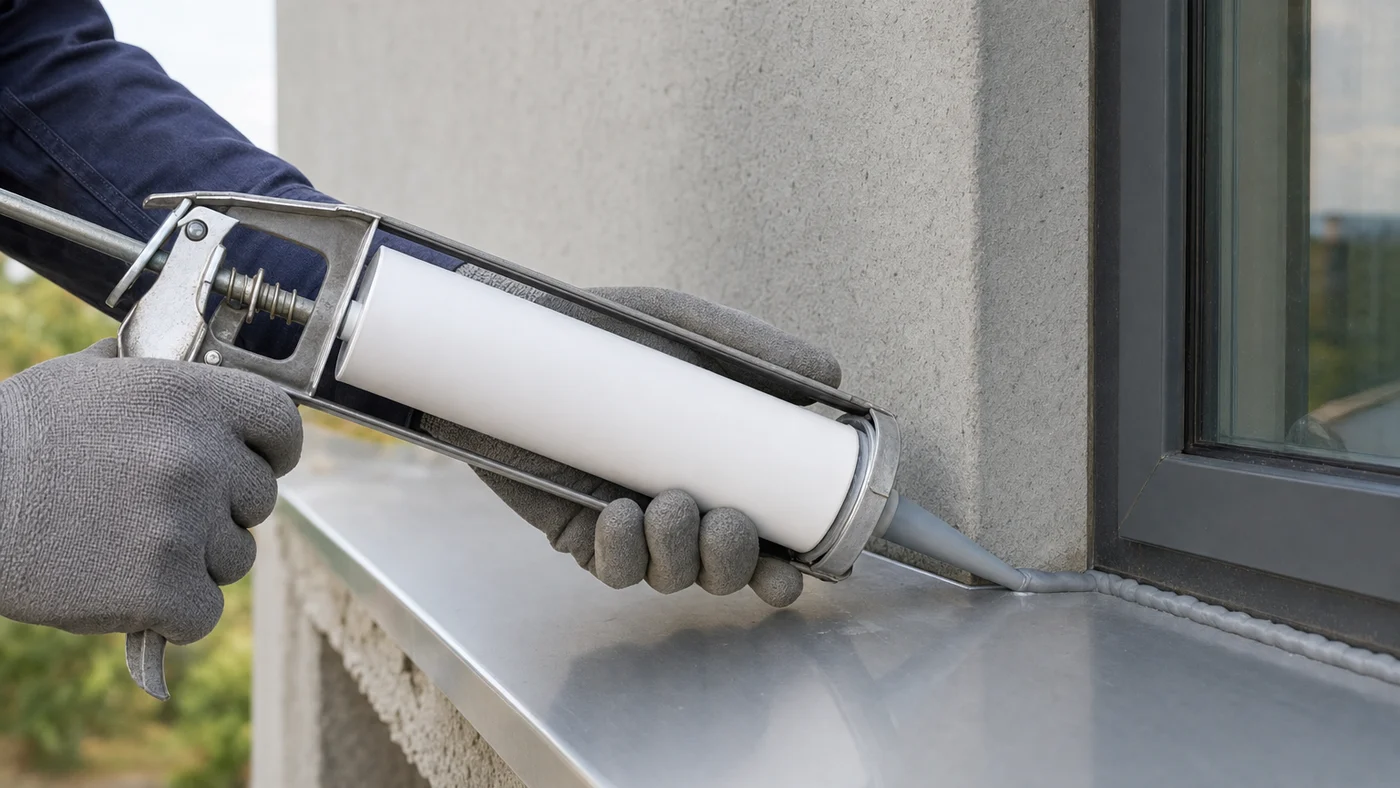
- Glue or sealant: rigid glues hold parts together; sealants stay flexible and seal joints that move with heat and wind. Many “waterproof glue” requests are really sealant jobs.
- Silicone and MS polymer: common for windows, bathrooms and exterior joints. See MS polymer and hybrid sealant and kitchen and bathroom silicone.
- Aquariums and tanks: use silicone made for that use. See aquarium silicone sealant.
- Mastics and roof sealants: for walls, roofs and gutters; confirm movement capability, paintability and UV resistance.
RFQ Checklist for Waterproof Adhesives
- Materials to bond or seal, and whether the joint is structural or a seal.
- Water exposure: splashes, outdoor weather, long immersion, hot water, salt or chlorine.
- Required class or test: for example EN 204 D3/D4 for wood glue, immersion or humidity aging, with the test report.
- Any drinking-water, food-contact or aquarium certificate needed, and for which market.
- Temperature range, UV exposure and the time before parts meet water.
- Pack format, label language, SDS and claims you plan to print on the pack.
- Quantity and destination for sample, trial and container orders.
What GlueMFG Can Support Around This Topic
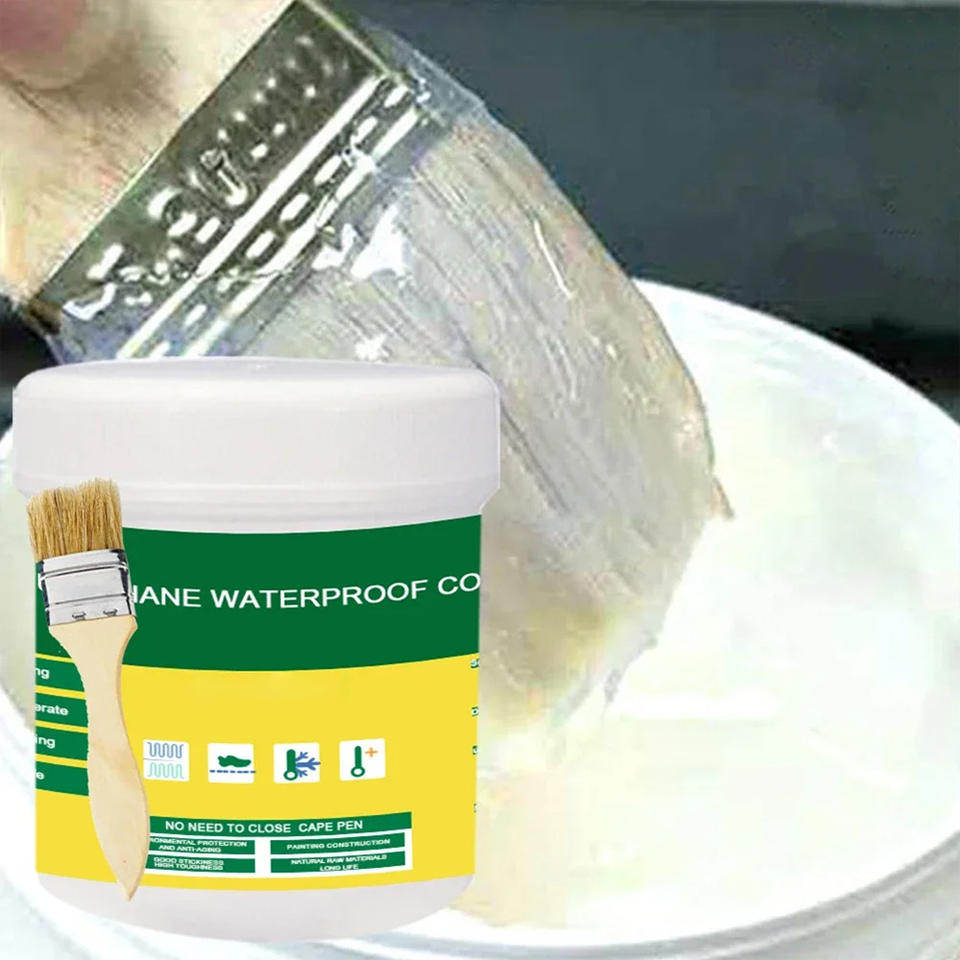
GLE-030 Transparent PU waterproof adhesive
Listed transparent polyurethane waterproof adhesive in tubes. Water-resistance data and substrates are confirmed by inquiry.
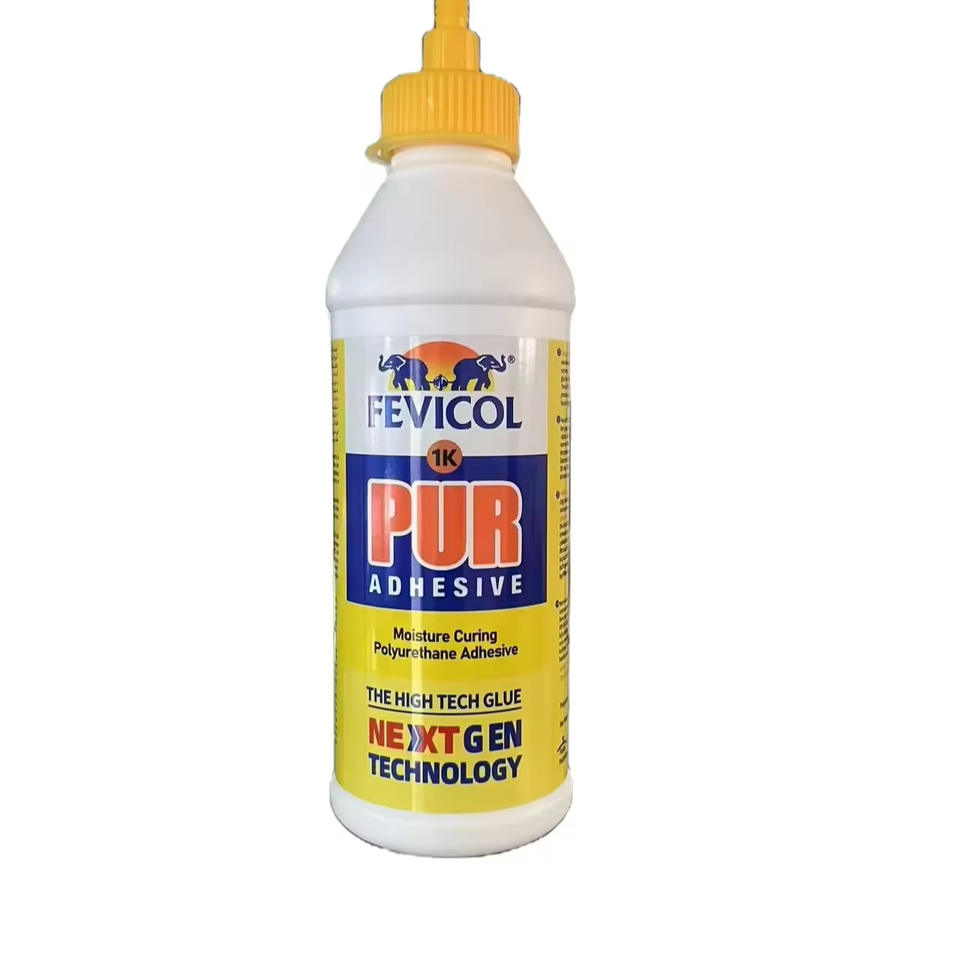
GLE-088 PUR wet wood splicing glue
Listed PUR wood glue for wet wood splicing. Water-resistance class and clamp time are confirmed by inquiry.
GLE-026 Waterproof sealant mastic
Listed waterproof wall sealant mastic in tubes. Movement, paintability and documents are confirmed by inquiry.
Related GlueMFG Resources
- Weatherproof / Waterproof Silicone Procurement Guide
- PVA Wood Glue D3/D4 for Exporters
- Polyurethane Glue for OEM and Distributor Buyers
- Adhesive Strength Testing for Buyers
- GlueMFG product catalog
FAQ
What is the best waterproof glue?
It depends on the materials and the kind of water exposure. Two-part epoxy and polyurethane adhesives are common for wet service on rigid parts, D3 or D4 wood glue or polyurethane glue for timber, and silicone or MS polymer sealants for joints that must keep water out. Ask the supplier which water test the product passed and test it on your own parts.
Is waterproof glue the same as water-resistant glue?
Not usually. Water-resistant often means the bond survives splashes, humidity or short soaking; waterproof is used for longer wet exposure but is not a single standard. For wood glue, classes such as EN 204 D3 and D4 describe the level. Ask for the test method behind any waterproof claim.
Is super glue waterproof?
Standard instant glue resists splashes and short wet contact, but bonds made with general grades can weaken with long immersion, hot water or repeated washing. Some toughened grades perform better. For permanent wet service, compare instant glue against epoxy or polyurethane on your own parts and ask for water-aging data.
Can waterproof glue be used for drinking water or aquariums?
Only products tested and certified for that use. Drinking-water contact normally needs a certificate to the relevant local standard, and aquariums use silicone made for aquariums. A general waterproof claim is not enough; ask for the certificate and its scope.
Which waterproof adhesives does GlueMFG list?
GlueMFG lists a transparent polyurethane waterproof adhesive (GLE-030), PUR wood glue for wet wood splicing (GLE-088), a waterproof sealant mastic (GLE-026) and two-part epoxy (GLE-001). Water-resistance class, test reports, SDS and MOQ are confirmed by inquiry.