For a window silicone sealant range, choose by the joint and the frame: glass-to-frame factory glazing, frame-to-wall perimeter on site, and only a documented grade when the job is an IGU secondary seal. Ask for adhesion on glass, aluminium, PVC or wood, movement capability, cure chemistry (often neutral on aluminium) and colour for visible joints. GlueMFG does not list a dedicated window silicone SKU today; it is confirmed by inquiry alongside its silicone range.
Searches for window silicone come from window OEMs, glazing contractors and distributors who stock cartridges next to frames and glass. A sanitary mould-resistant tube, an aquarium grade or a curtain-wall structural silicone will not automatically do that job. This guide is for importers, distributors and private-label buyers deciding which window and glazing silicones to stock and what to ask before ordering.
Match the Grade to the Window Joint

| Joint | What to specify | Common mistake |
|---|---|---|
| Glass-to-frame (factory glazing) | Adhesion on glass + frame (PVC, aluminium, wood); clean tooling; stated cure and handling time | Using a sanitary fungicide grade made for wet rooms |
| Frame-to-wall perimeter | Movement capability, weather exposure, substrate primer needs, colour match | Ignoring joint width and expected movement |
| IGU secondary seal | Documented IGU system grade with spacer/primary seal compatibility | Treating a general weatherproof cartridge as an IGU seal |
| Structural glazing / SSG | Documented structural silicone and project approvals | Assuming curtain-wall weather seal = structural grade |
For facade weather sealing in general, see weatherproof silicone procurement; for curtain-wall structural vs weather roles, see neutral silicone for curtain wall.
Do not sell kitchen/bathroom mould-resistant silicone or aquarium silicone as a window or IGU grade. Fungicide packages and aquarium non-toxicity claims do not prove glass-to-frame adhesion, movement class or IGU compatibility. Keep sanitary, aquarium, weatherproof, window and structural lines labelled as different jobs.
IGU Secondary Seal vs Perimeter Weather Seal
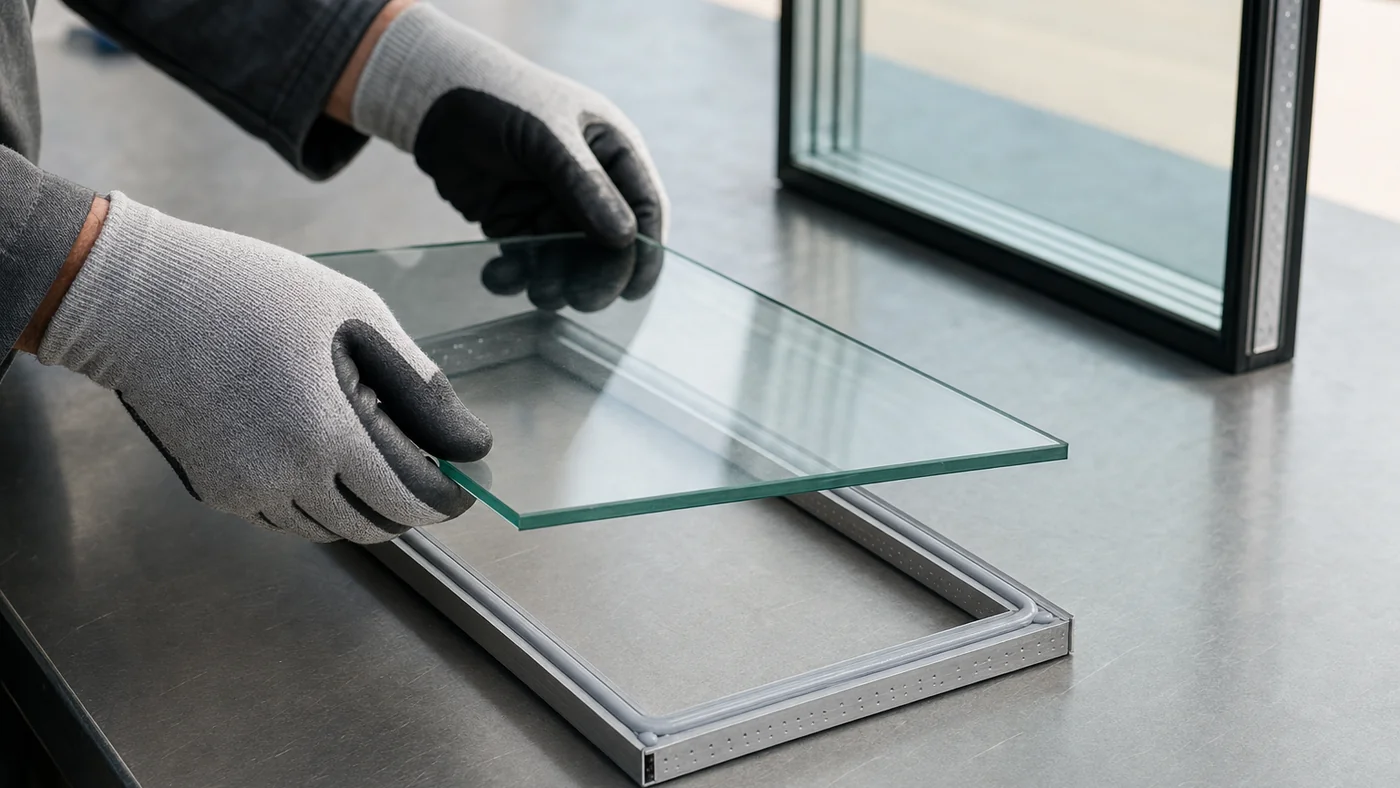
- Perimeter weather seal keeps water and air out around the installed window. Movement, UV and substrate adhesion matter most.
- IGU secondary seal is part of the insulating glass unit. It must be compatible with the spacer, desiccant and primary seal. Ask for the documented system grade and do not invent IGU ratings.
- Structural glazing carries load. Weatherproof marketing names are not structural approvals. Say so in the RFQ if the project needs structural silicone.
- Documents: ask for SDS, any technical data the supplier will put in writing for adhesion and movement, and packing suited to glazing lines or site cartridges. See how to read an adhesive SDS.
Frames, Chemistry and Colour
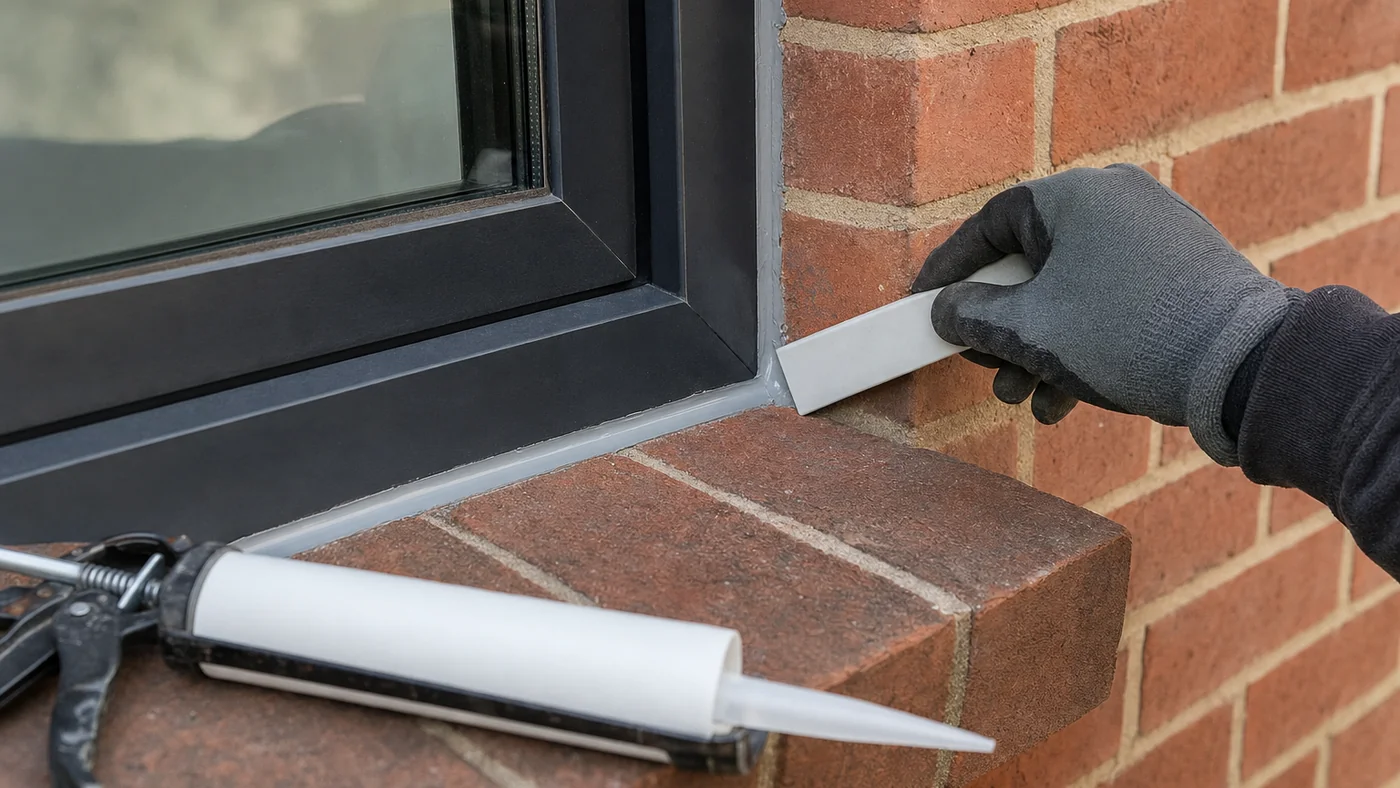
- Neutral vs acetoxy: aluminium and many coated frames often prefer neutral cure; acetoxy releases acetic acid that can corrode sensitive metals. Confirm on the exact profiles. See neutral vs acetoxy silicone.
- PVC and wood frames: ask for adhesion and stain results on the specific profiles and finishes your customers use.
- Movement class: perimeter joints move with temperature and wind. Ask what movement capability the supplier will state for that grade.
- Colour: white, clear, black and grey are common for visible window joints. Clear grades can yellow; ask what the supplier will put in writing for colour stability if the joint stays visible.
- Cure time: skin time and full cure decide when units can be handled or windows can be exposed to rain. See silicone sealant cure time.
Packs, Labels and Shipping
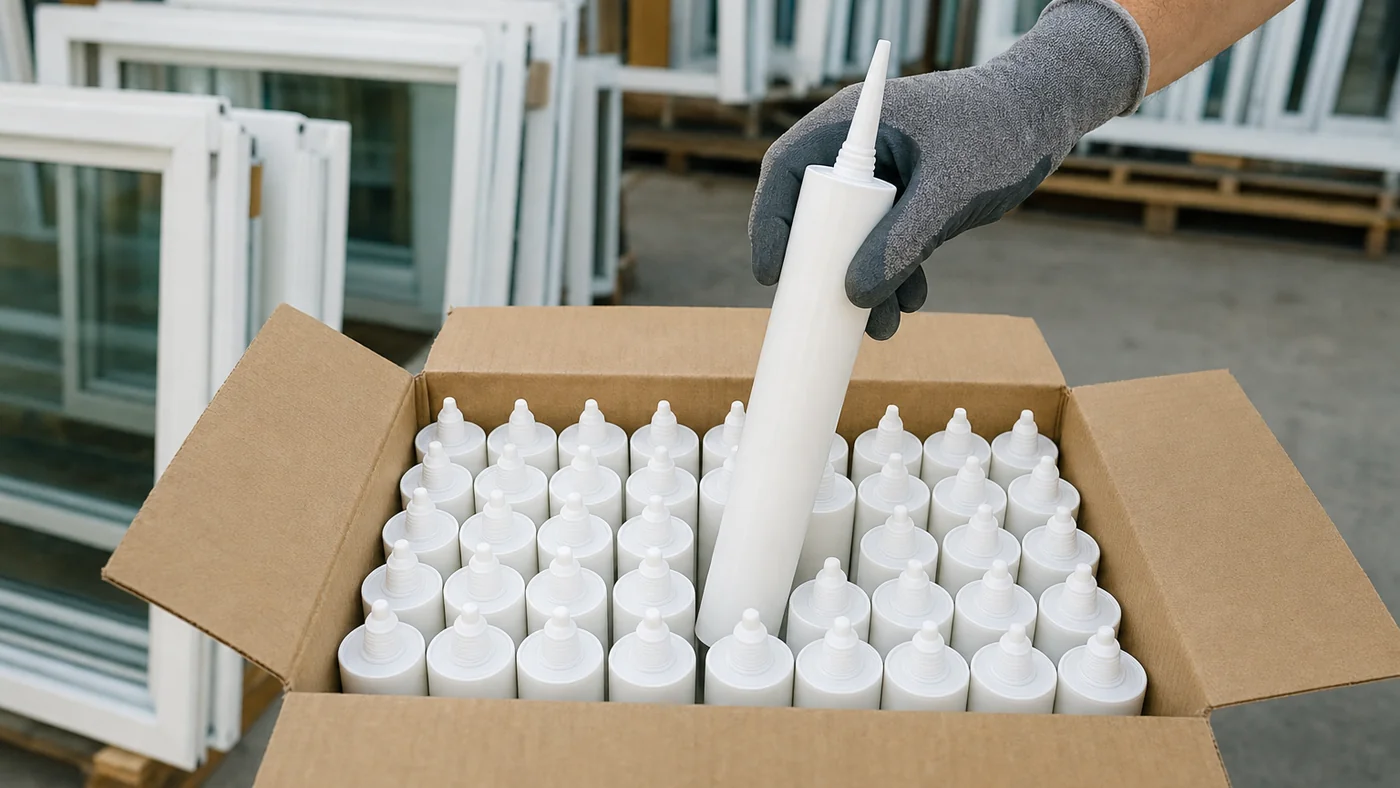
- Pack by channel: 300 ml cartridges for installers; sausages or pails for factory glazing lines. See OEM adhesive packaging options.
- Label language: name the job (window / glazing / perimeter) so distributors do not mix sanitary or aquarium stock into the window bay.
- Shelf life and storage: ask for the stated shelf life and keep cartridges sealed; partly used nozzles skin over.
- Related channels: sanitary wet-room grades stay on a different card — see kitchen and bathroom silicone; aquarium grades are separate — see aquarium silicone sealant.
RFQ Checklist for Window Silicone
- Channel (window OEM, glazing contractor, distributor, private label) and joint type (glass-to-frame, perimeter, IGU secondary, structural).
- Frame and wall substrates (PVC, aluminium, wood, masonry, coated metals).
- Cure chemistry preference (neutral / acetoxy) and colour.
- Requested data: adhesion results, movement capability, skin/full cure, colour stability if visible.
- Pack: cartridge, sausage or bulk; nozzle; label languages; carton count.
- SDS in your market format, transport classification, stated shelf life.
- Quantity, destination, shipping mode and target price for sample and trial orders.
What GlueMFG Can Support Around This Topic
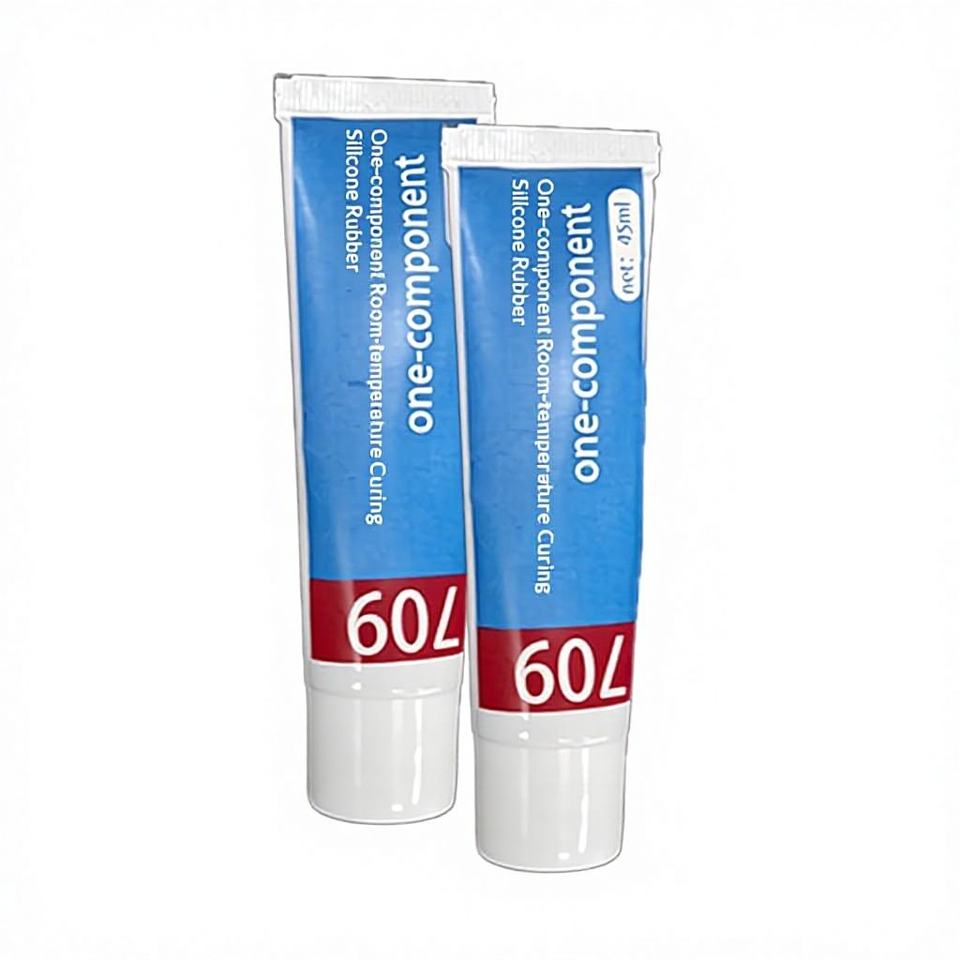
GLE-028 Silicone
Listed silicone in the catalog. Window or glazing suitability, movement class and colour confirmed by inquiry.
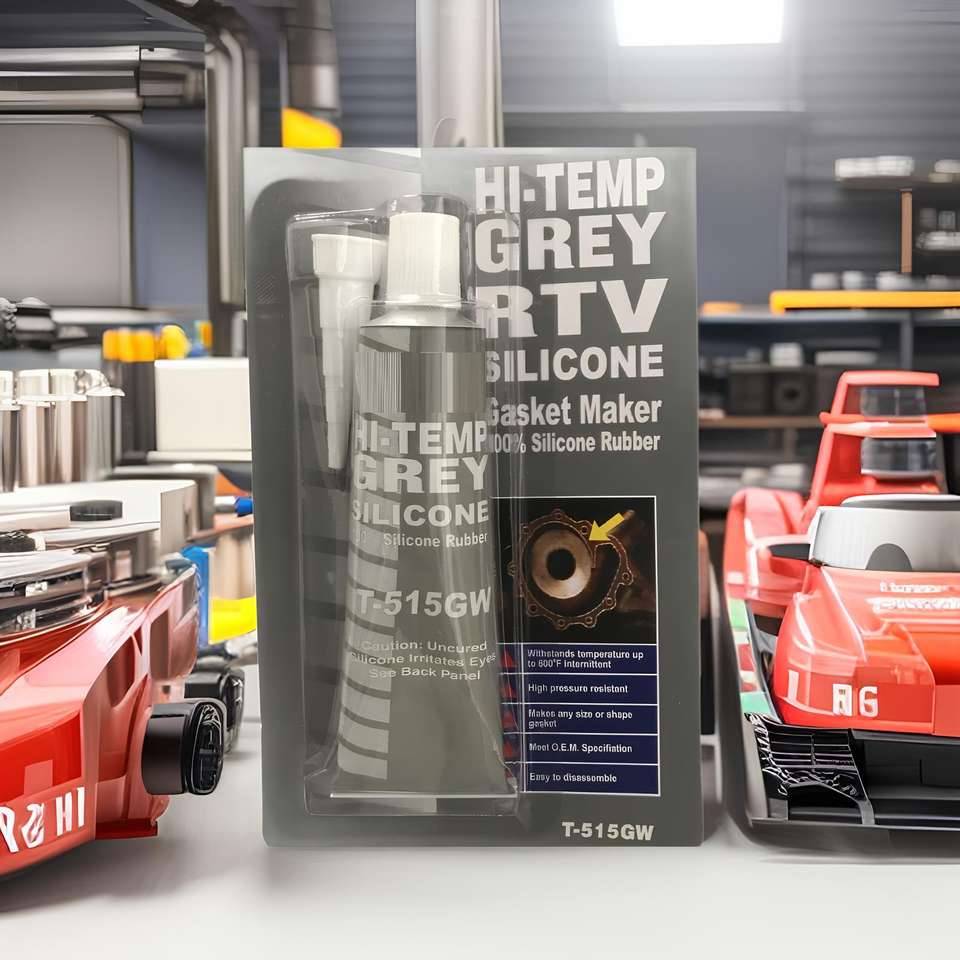
GLE-023 Engine silicone
Listed high-temperature engine sealant — not a window grade. Useful only as a related silicone family reference.
Window / glazing grades by inquiry
Not a listed SKU. Send substrates, joint type, colour, pack and markets; availability, SDS, movement data and MOQ confirmed by inquiry.
Related GlueMFG Resources
- Weatherproof / Waterproof Silicone Procurement
- Neutral Silicone for Curtain Wall
- Neutral vs Acetoxy Silicone
- Kitchen and Bathroom Silicone
- PU Sealant vs Silicone Sealant
- GlueMFG product catalog
FAQ
What is window silicone sealant used for?
Window silicone is used to seal glass-to-frame joints, frame-to-wall perimeters and related glazing details so water and air stay out while the joint can still move. Factory glazing lines, window installers and distributors usually need a grade chosen for adhesion to glass, aluminium, PVC or wood, for the stated movement capability, and for the right cure chemistry for the channel.
Is window silicone the same as bathroom or aquarium silicone?
No. Sanitary grades are built around mould resistance for wet rooms. Aquarium grades are built around non-toxicity to fish and tank bonding. Window and glazing grades are built around weather sealing, movement and substrate adhesion on frames and glass. Selling the wrong family causes leaks, staining or warranty problems.
Can I use ordinary weatherproof silicone as an IGU secondary seal?
Not automatically. Insulating glass secondary seals are a documented system with the spacer, desiccant and primary seal. A general exterior weatherproof cartridge is not the same product. If you need IGU secondary seal silicone, say so in the RFQ and ask for the documented grade — do not invent IGU ratings from a weatherproof marketing name.
Neutral or acetoxy for window frames?
Many aluminium and coated frames prefer a neutral-cure grade because acetoxy releases acetic acid that can corrode sensitive metals and attack some coatings. PVC and glass often accept either chemistry, but confirm adhesion and stain behaviour on the exact profiles. See the neutral vs acetoxy guide for the chemistry side.
Does GlueMFG sell window silicone sealant?
A dedicated window or glazing silicone is not a listed catalog SKU today. GlueMFG lists silicone such as GLE-028 and related sealants. If you need a window or glazing grade, send substrates, colour, pack size and markets, and availability, SDS, movement class and MOQ will be confirmed by inquiry.