Choose PU (polyurethane) sealant when the joint must be painted, is in concrete or masonry, or takes abrasion and traffic. Choose silicone sealant when the joint faces long-term UV, weather, or heat, or bonds glass, aluminium, or ceramic — typically windows, glazing, and sanitary work. If you need both paintability and UV resistance, ask about hybrid MS polymer. Whatever you choose, joint design and the movement class on the TDS decide the result more than the chemistry name.
Distributors often stock one cartridge of each and let the counter decide. That works until a painter's crew reports paint crawling off a silicone joint, or a facade contractor sees PU chalking on a south-facing elevation. Most sealant claims are specification errors, not product defects.
This comparison focuses on elastomeric joint sealants for construction and building-maintenance channels. For the neutral vs acetoxy decision inside silicone, see our neutral-cure vs acetoxy silicone sourcing guide.
How PU and Silicone Differ in Practice
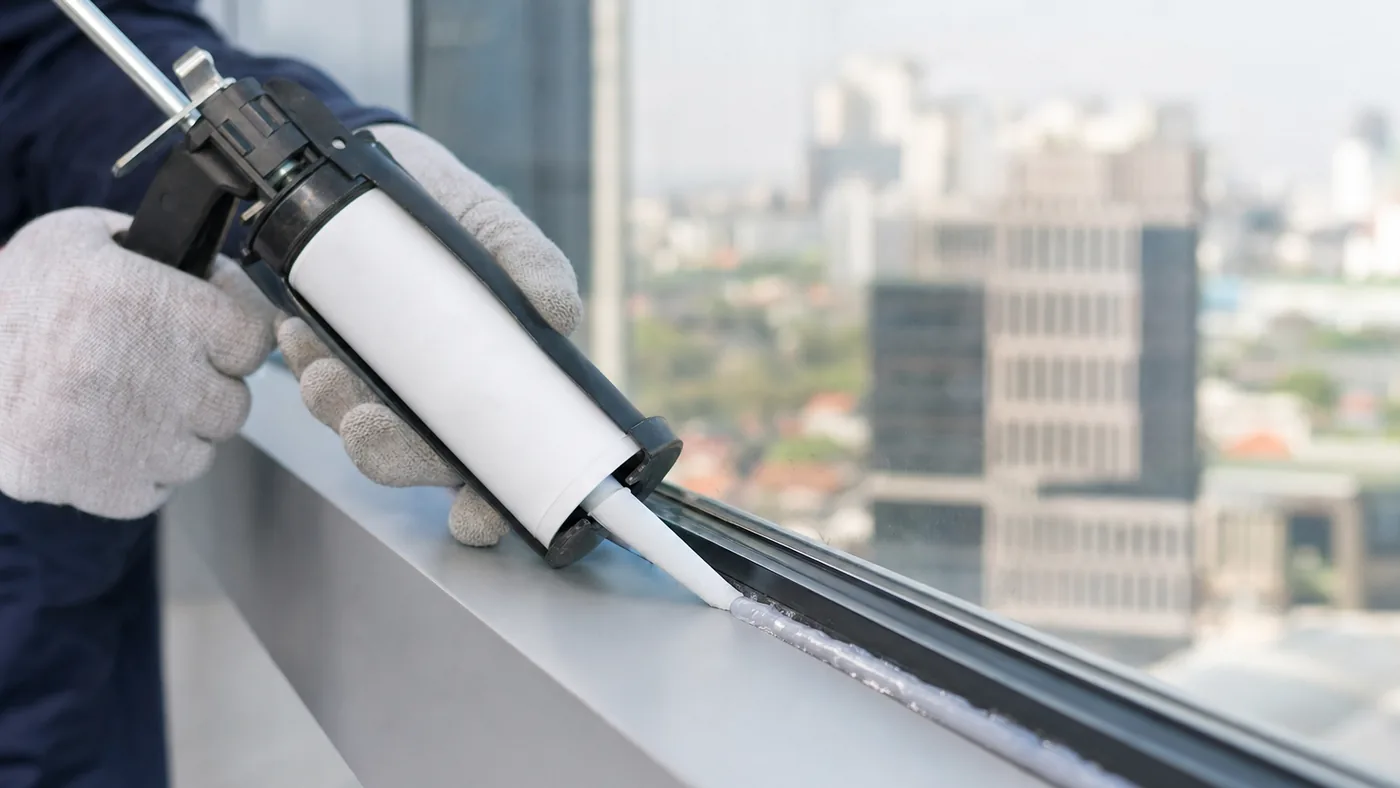
Paintability is the fastest filter. Most PU sealants accept paint after cure; standard silicone does not. If an architect or painter will coat the joint, silicone is out.
UV and weathering favour silicone. Silicone's backbone is highly resistant to UV and ozone, which is why it dominates glazing. Many PU sealants are UV-stabilised for facades, but prolonged direct sun can cause surface chalking or colour change — ask what the supplier claims and on which colours.
Substrates split roughly by material: PU is common on concrete, masonry, wood, and metal; silicone is common on glass, aluminium, glazed ceramic, and many coated profiles. Both may need primer on porous or difficult surfaces — the TDS primer table is part of the specification.
Toughness favours PU: better tear and abrasion resistance for floor joints and trafficked areas. Silicone is softer and tends to pick up dirt on some facades.
Cure and storage: both are typically one-component moisture-curing products in cartridges or sausages. PU packs are especially moisture-sensitive; a damaged foil sausage can cure in the carton. Ask for shelf life and storage temperature in writing.
Do not sell PU sealant for structural glazing, aquariums, or any bond that relies on long-term UV exposure through glass — those need purpose-made silicone systems with documented approvals. And do not sell standard silicone for joints that will be painted, or acetoxy silicone for concrete, metal, or mirror backs.
Which Sealant for Which Joint
| Joint / job | Usual first choice | Notes for the RFQ |
|---|---|---|
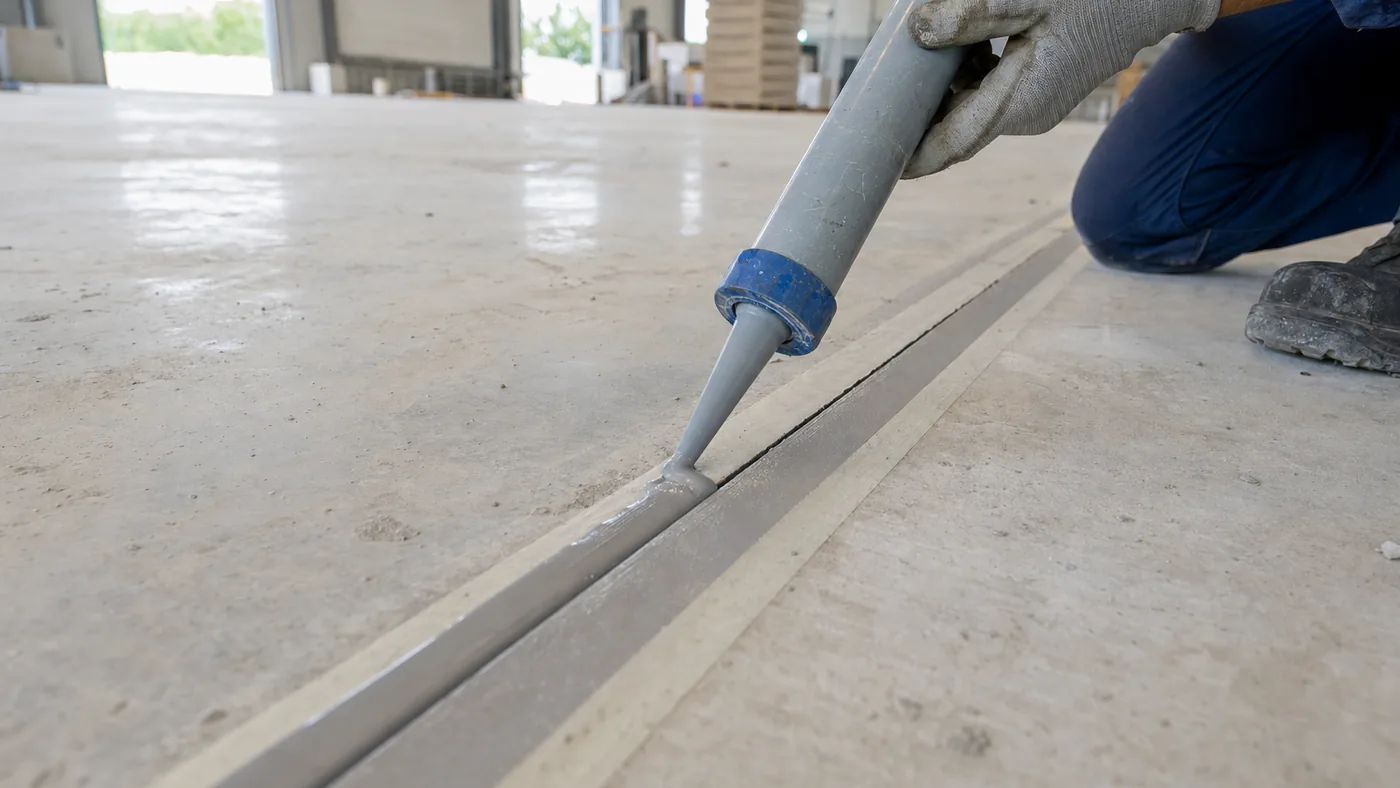
| Concrete expansion / floor joints | PU (or hybrid MS) | Movement class, traffic, self-levelling vs gun grade |
| Painted facades, precast panels | PU or hybrid MS | Paint compatibility, UV-stable colour |
| Window perimeters, glazing | Neutral-cure silicone | Substrates (glass, aluminium, PVC), movement class |
| Bathrooms, kitchens, sanitary | Sanitary silicone | Mould resistance claim must be documented |
| Natural stone | Stone-safe grade (either family) | Staining test on the actual stone |
| Roof metal, gutters | Depends on grade | Adhesion test; UV and temperature cycling |
Joint Design Decides Both
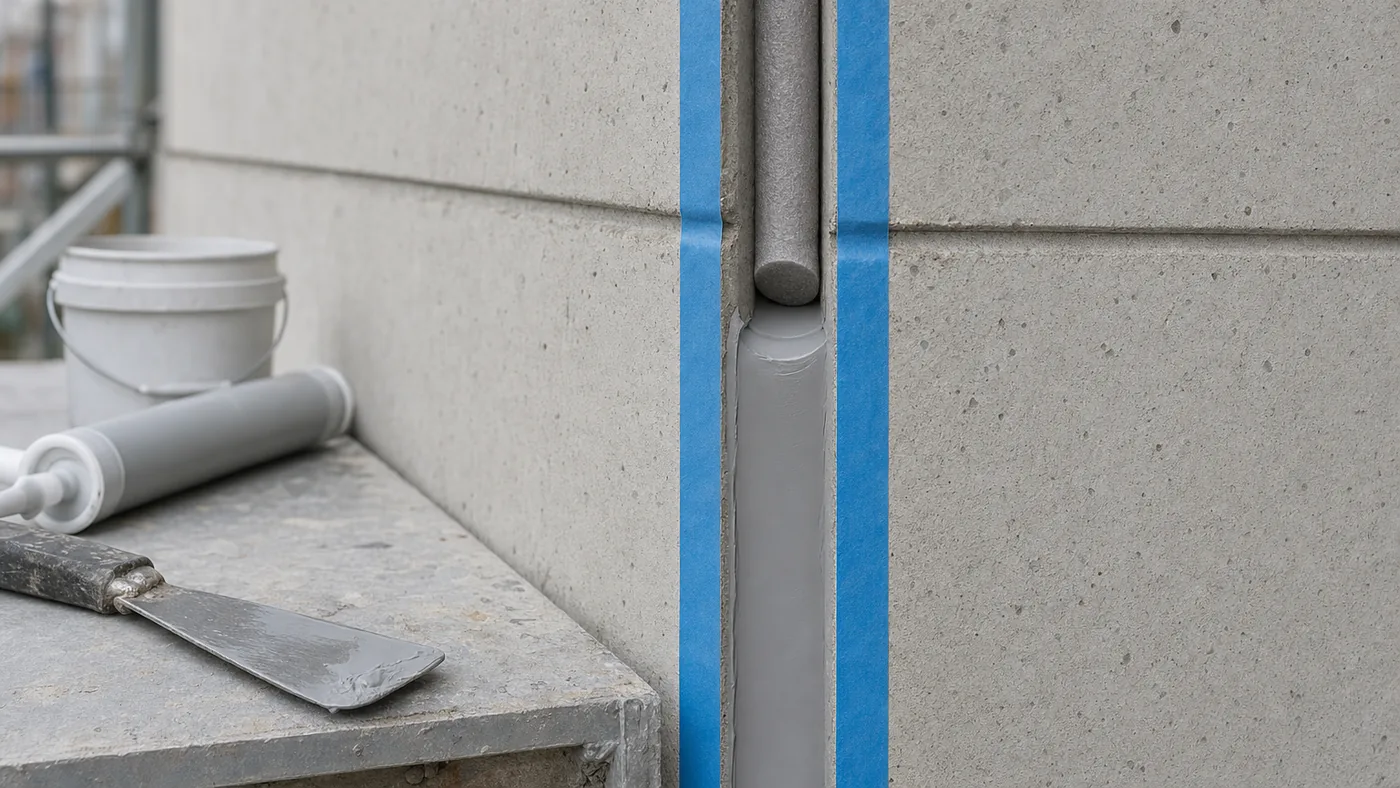
Elastomeric sealants accommodate movement by stretching. That only works if the bead bonds to two opposite faces and stays free at the back.
- Width-to-depth ratio: common guidance is roughly 2:1 within the width range the TDS allows; very deep beads cannot stretch.
- Backer rod or bond-breaker tape: sets depth and prevents three-sided adhesion.
- Surface prep: dry, sound, dust-free faces; primer where the TDS requires it; old silicone fully removed.
- Movement class: specifications often reference ASTM C920 (for example Class 25 or 50) or ISO 11600. Ask suppliers to state the class only if they can document it for that exact grade.
New sealant will not bond reliably to cured silicone. Silicone residue on tools or surfaces also causes paint and PU adhesion failures. Train counter staff to say this clearly when selling repair jobs.
RFQ Checklist for Distributors and Private Label
- Chemistry and cure: PU, neutral or acetoxy silicone, or hybrid MS; paintable required or not; UV exposure.
- Performance claim: movement class and test standard, primer requirements, service temperature — only documented claims go on the sleeve.
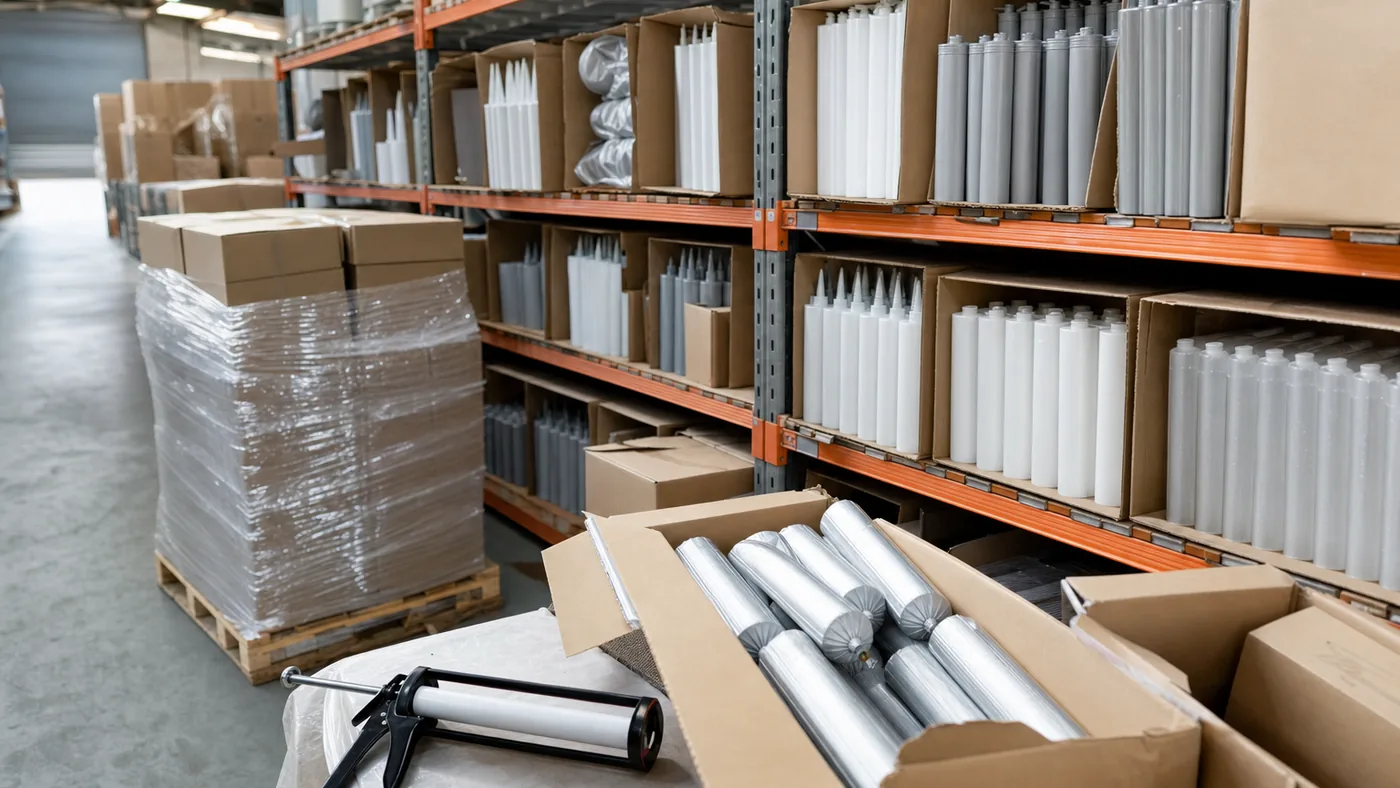
- Pack and colour: 280–310 ml cartridges, 600 ml sausages, or pails; colour list; nozzle; carton count; OEM sleeve language.
- Shelf life and storage: months from production, storage temperature, and how batch dates are printed.
- Documents: TDS, SDS in the destination language (PU grades usually carry isocyanate information), COA per batch.
- Order ladder: sample → trial carton → mixed pallet → container, with target monthly volume.
What GlueMFG Can Support Around This Topic
GlueMFG lists 93 SKUs across 13 categories, with OEM packaging available. The catalog's Silicone / PU Glue category includes polyurethane-type tube products and a silicone rubber tube, and the Sealant / Gasket Maker category adds silicone and acrylic sealant SKUs. These catalog listings do not state construction movement classes; for construction-joint programs, confirm the exact chemistry, movement class, colours, and cartridge or sausage packaging by inquiry and TDS before you specify or print claims.
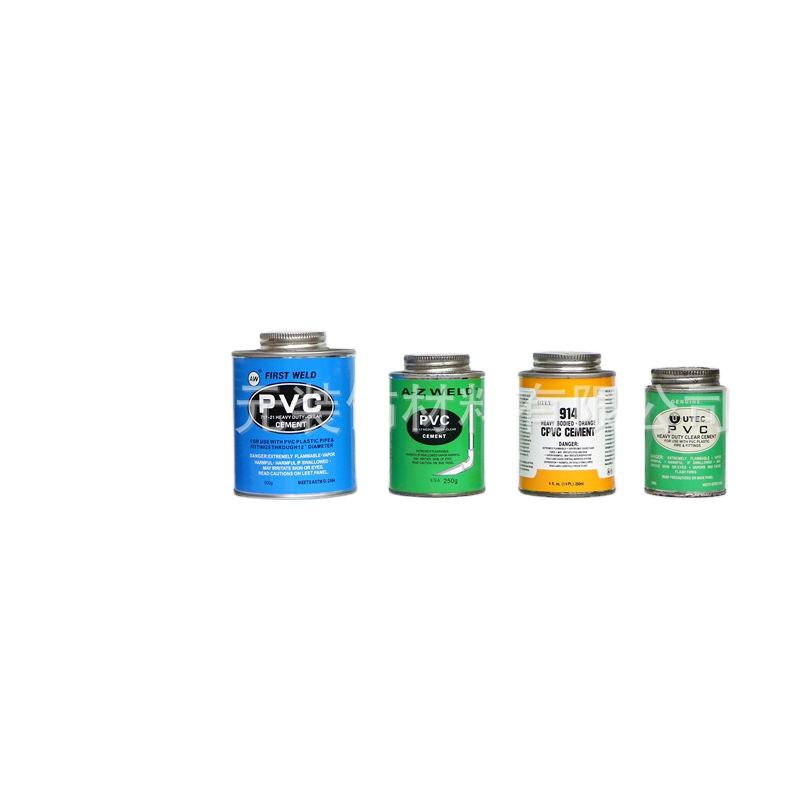
Polyurethane Tube (GLE-029)
Listed in Silicone / PU Glue. Confirm grade and TDS before construction use. See catalog.
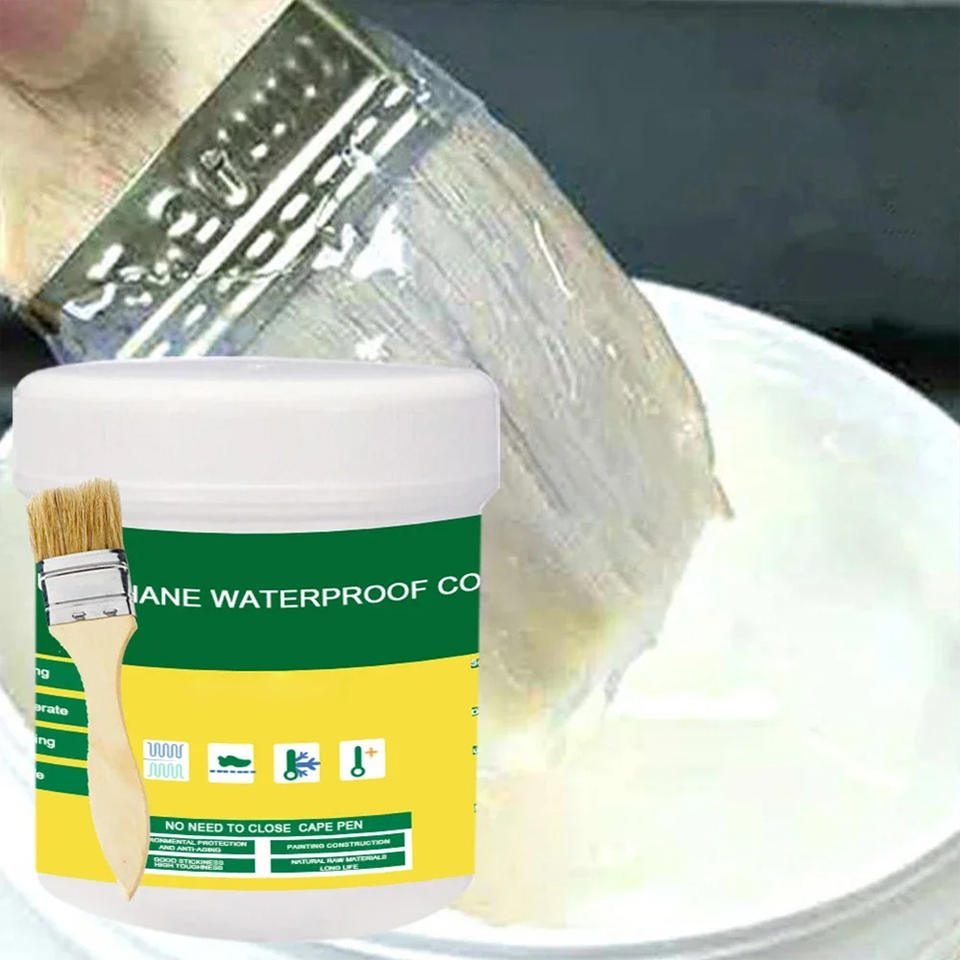
Transparent PU Waterproof (GLE-030)
Listed polyurethane-type waterproofing tube. Ask for movement and UV data for your joint.
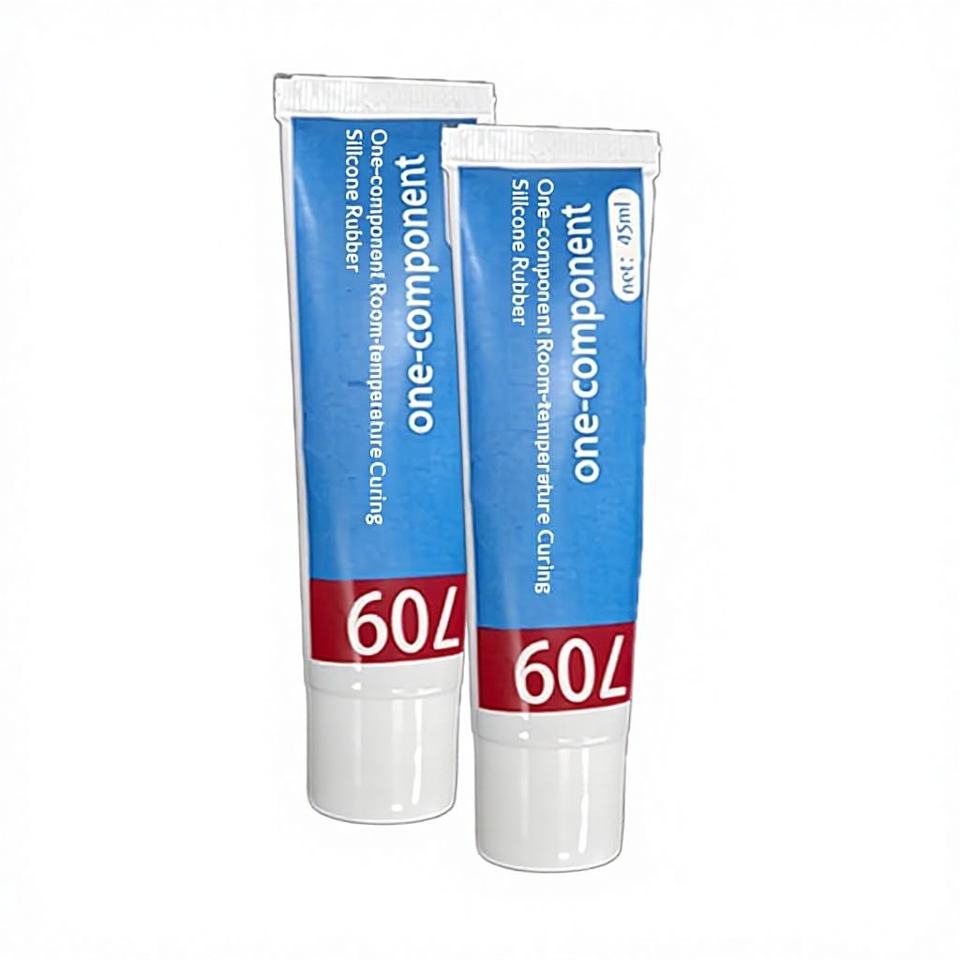
709 Silicone Rubber (GLE-028)
Silicone tube product. For cure type choice, read the neutral vs acetoxy guide.
Related GlueMFG Resources
- Product catalog (93 SKUs)
- Neutral-cure vs acetoxy silicone sourcing guide
- Silicone sealant cure time
- Construction adhesive buying guide
- Hot melt adhesive selection guide
FAQ
What is the main difference between PU sealant and silicone sealant?
Polyurethane (PU) sealant is usually paintable, tough, and abrasion resistant with good adhesion to concrete and masonry. Silicone sealant is usually not paintable but has stronger long-term UV and weather resistance and a wider service temperature range, and is common on glass, aluminium, and ceramic.
Can you paint over PU sealant or silicone sealant?
Most PU sealants can be painted once cured — confirm paint compatibility on the TDS. Standard silicone sealant generally cannot be painted because paint does not wet or adhere well to cured silicone.
Which is better for concrete expansion joints?
PU (or a hybrid MS polymer) is the usual choice for concrete expansion and floor joints because of its adhesion to concrete, toughness, and paintability. Joint width, depth, backer rod, and movement class still decide whether the joint lasts.
Which is better for windows and bathrooms?
Silicone is the usual choice for glazing and window perimeters (neutral-cure grades) and for sanitary joints (mould-resistant grades), because of UV stability and adhesion to glass, aluminium, and ceramic.
Can PU sealant be applied over old silicone?
No. Cured silicone residue prevents most sealants, including PU, from bonding. Remove the old silicone mechanically and clean the joint before applying a new sealant.
Does GlueMFG sell PU and silicone sealants?
The GlueMFG catalog lists a Silicone / PU Glue category with polyurethane-type and silicone tube products, plus sealant and gasket-maker SKUs. Exact chemistry, movement class, colors, and cartridge or sausage packaging for construction projects should be confirmed by inquiry and TDS before you specify them.