For neutral silicone on curtain wall, stone, and aluminum, specify cure chemistry (neutral vs acetoxy), substrates, joint movement, and primer need before you compare cartridge price. Facade and stone jobs usually lean neutral to reduce metal/stone risk; weatherproof marketing names are not the same as structural glazing approvals. Start from neutral vs acetoxy for chemistry basics, then use this page for the curtain-wall / stone RFQ. Confirm grade and packs by inquiry.
Project buyers and distributors search neutral cure silicone when aluminum frames, glass, or stone cladding cannot tolerate the wrong cure system. The RFQ must name substrates and joint duty — not only “neutral silicone sealant.”
Curtain Wall Joints Start With Substrate and Movement
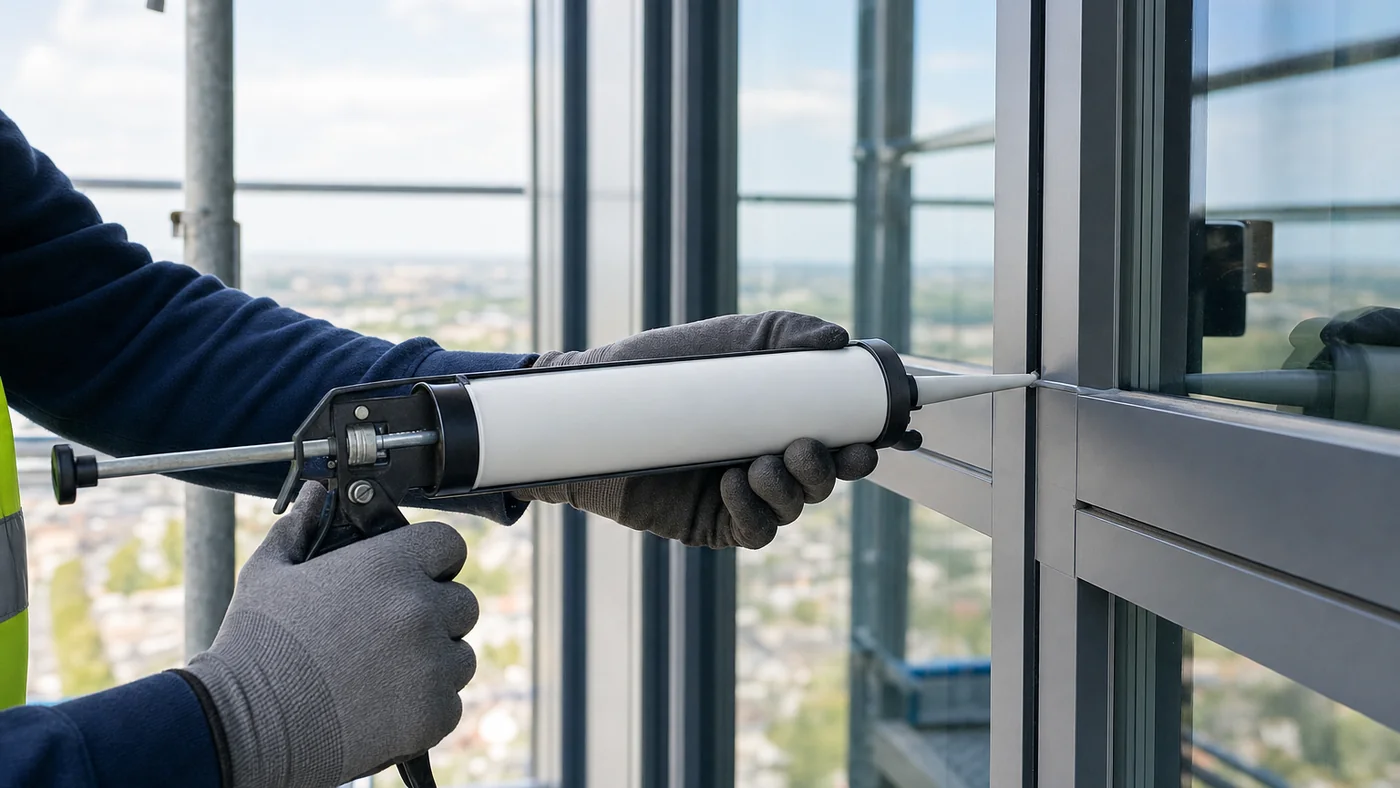
Ask for:
- Cure system: neutral vs acetoxy — see the neutral vs acetoxy sourcing guide.
- Substrates: glass, anodized or painted aluminum, coated metals, concrete, natural stone.
- Joint: width, expected movement, tooling method.
- Exposure: UV, rain, temperature cycle — related notes in the weatherproof silicone procurement guide.
Do not treat a general weatherproof silicone SKU as automatic structural glazing silicone. And do not put acetoxy on sensitive metals or some stones without a documented compatibility path — confirm by inquiry.
Stone and Cladding: Stain and Compatibility Risk
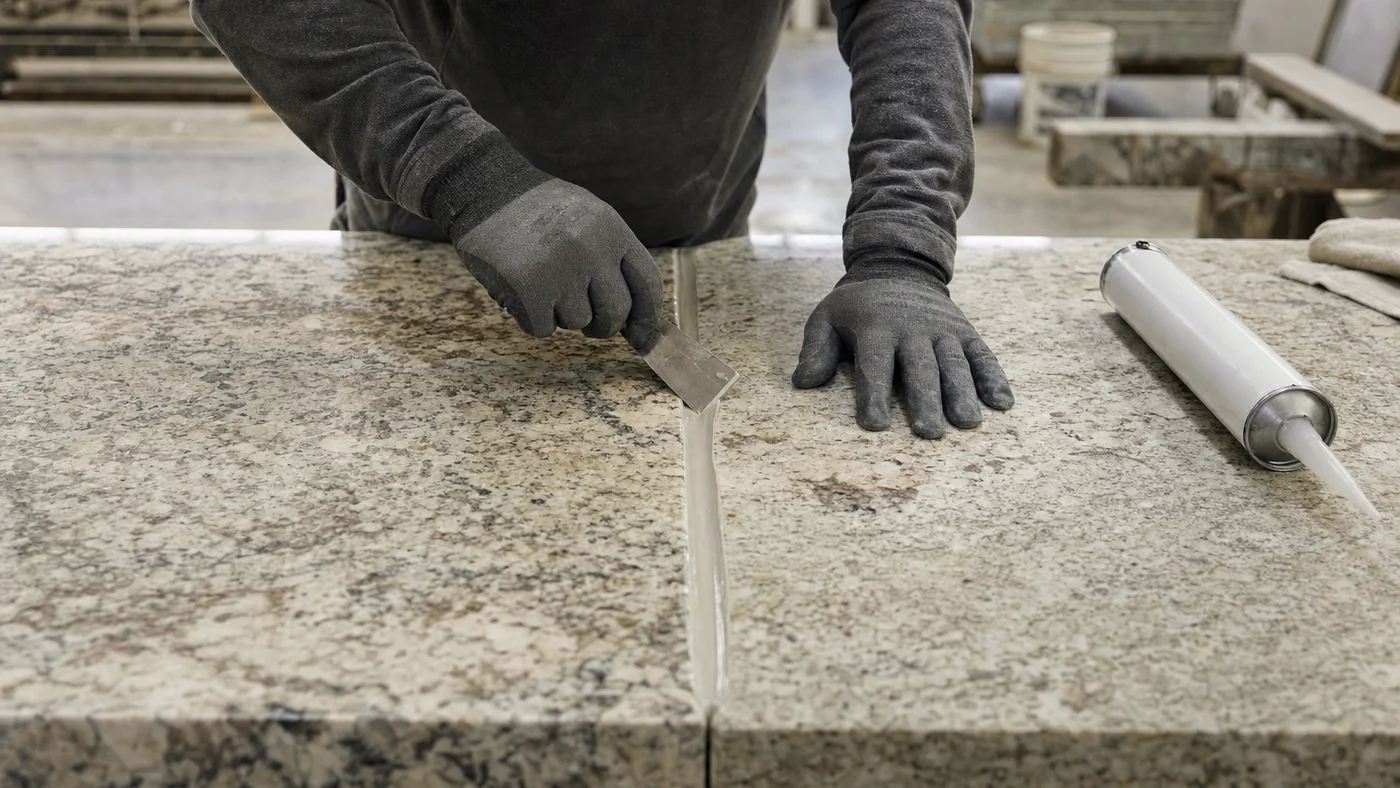
Natural stone can show staining or telegraphing if the wrong sealant or plasticizer package is used. Put stone type, finish, and whether a primer is required on the RFQ. Laboratory or on-site adhesion tests beat catalog adjectives.
| Facade need | Lean toward | Watch-out |
|---|---|---|
| Aluminum + glass weather seal | Neutral silicone with adhesion evidence | Acetoxy on sensitive metals |
| Stone cladding joints | Neutral grade; ask stain risk | Generic “marble safe” claims without test |
| Painted metal panels | Compatibility with coating | Assuming silicone sticks to every paint |
| Structural glazing | Documented structural grade | Substituting weather seal for structural |
Aluminum vs Coated Metals on the Same Elevation
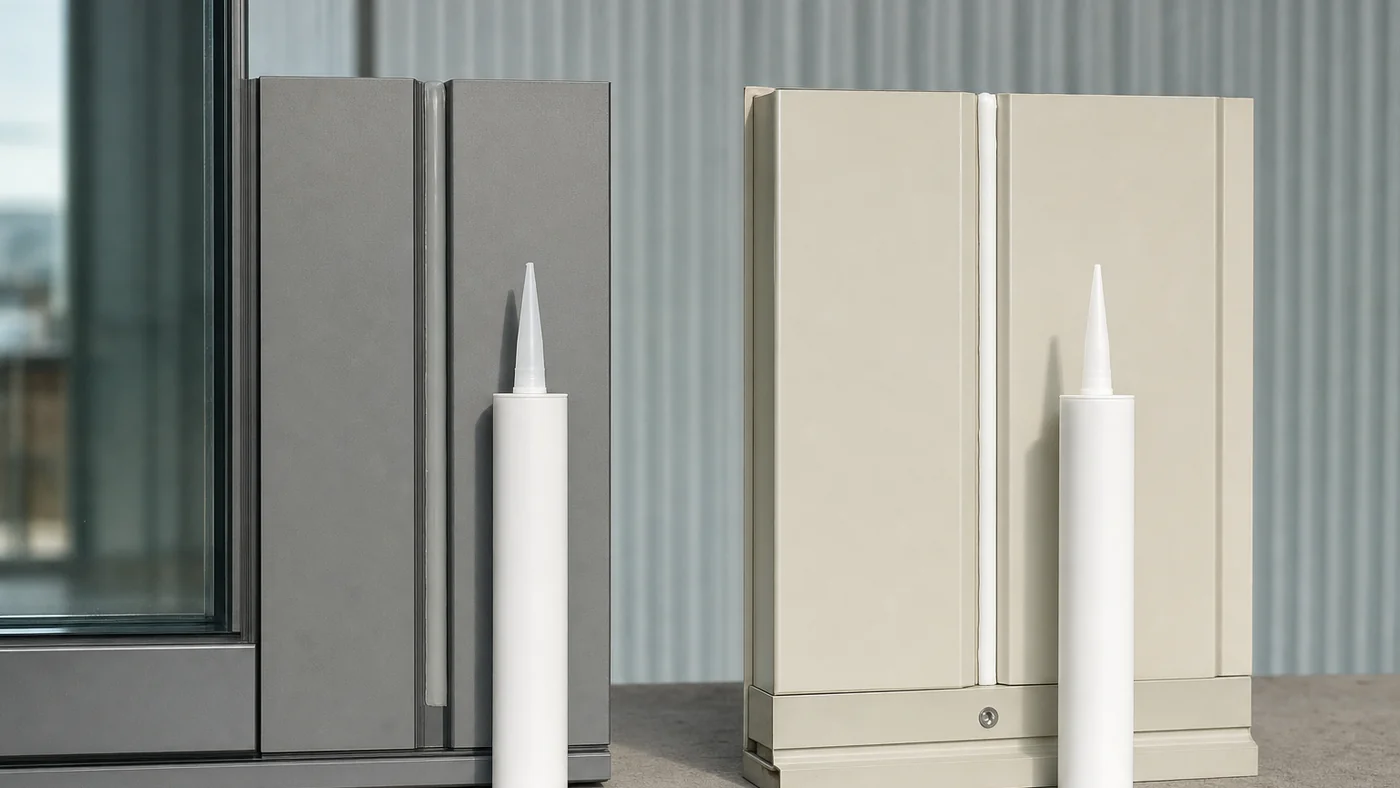
Many elevations mix anodized aluminum, painted panels, and glass. Do not force one cartridge into every joint. Separate RFQs by substrate family, then decide whether one dual-approved grade can cover both — after TDS review.
Skin time and full cure still depend on temperature, humidity, and joint depth. Use the silicone sealant cure time guide for vocabulary; put your site climate in the RFQ. Do not invent hours from a retail label.
RFQ Checklist for Curtain-Wall / Stone Silicone Buyers
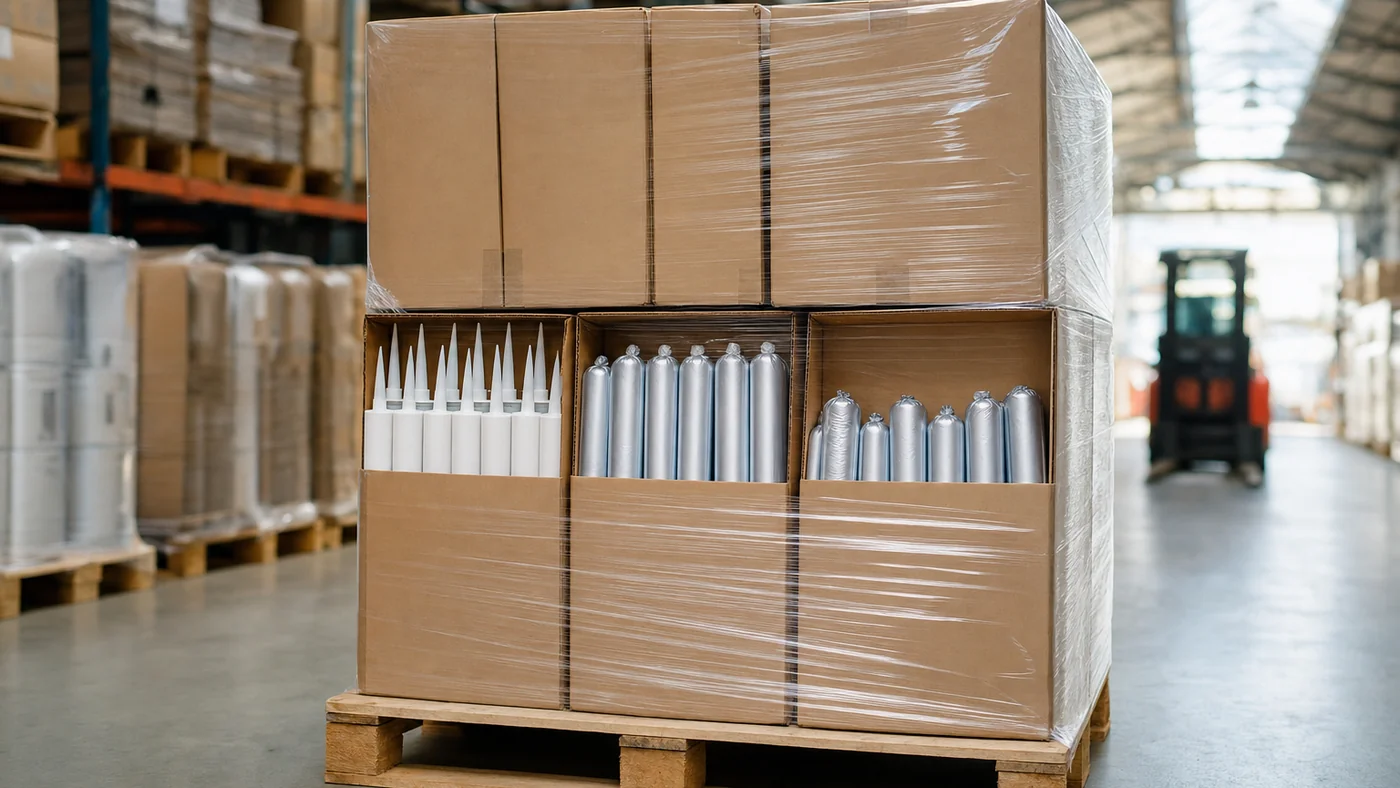
- Project duty: weather seal vs structural — say which.
- Substrates: glass, aluminum finish, stone type, coatings.
- Chemistry: neutral required? primer allowed?
- Joint: width, movement, tooling, colour.
- Pack: cartridge vs sausage; private-label languages.
- Docs: TDS adhesion notes, SDS, COA; no invented approvals.
- Volume: sample → trial → pallet → container.
What GlueMFG Can Support Around This Topic
GlueMFG lists Silicone / PU Glue SKUs including GLE-028 Direct 709 Silicone Rubber, GLE-029 Polyurethane Glue Green Pipe, and GLE-030 Transparent Polyurethane Waterproof. Related gasket/sealant listings include GLE-023 and GLE-027. Public cards do not state curtain-wall structural approvals or every adhesion substrate — confirm neutral/acetoxy type, packs, and TDS notes by inquiry.
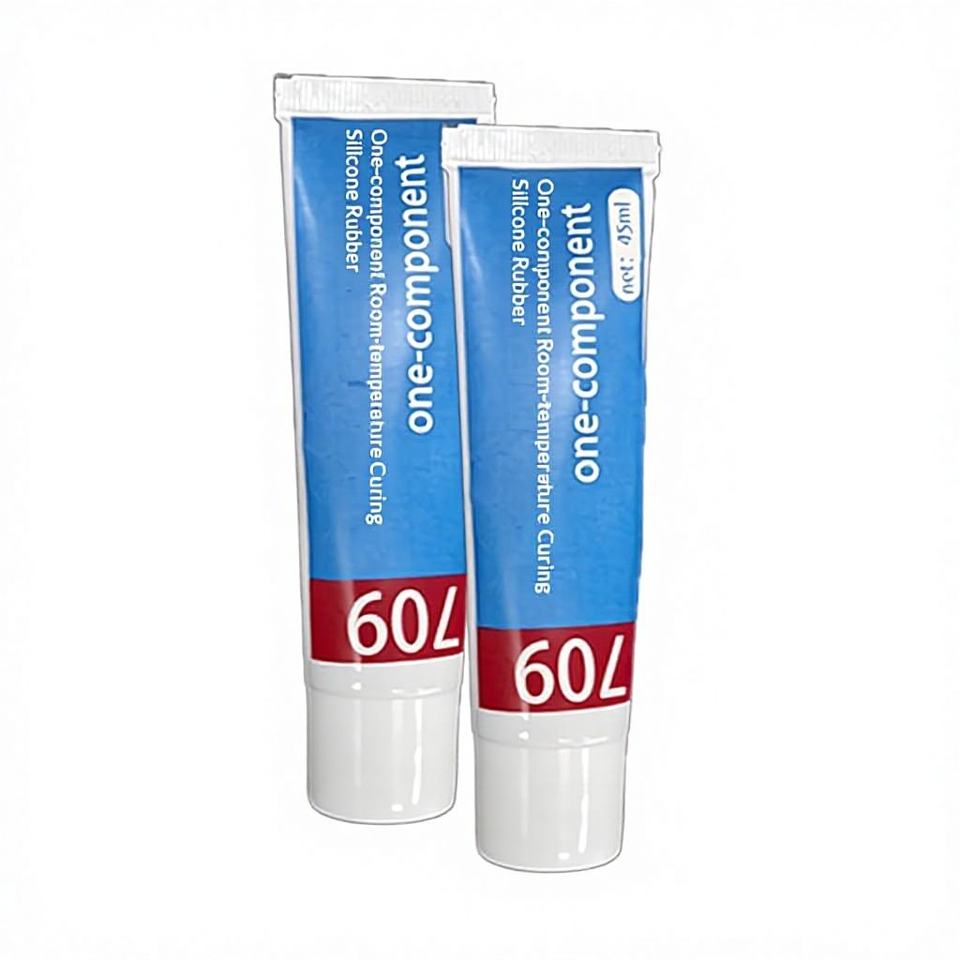
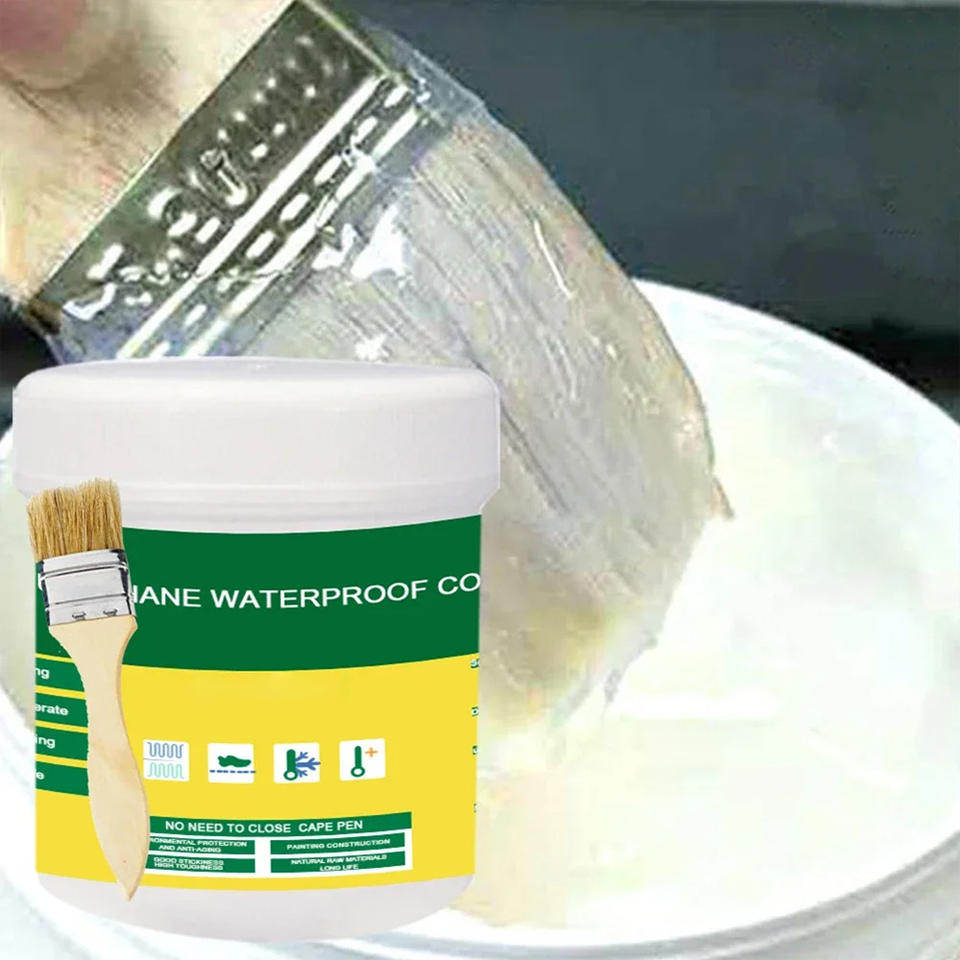
Transparent PU (GLE-030)
Silicone / PU listing. Confirm chemistry and weather duty by inquiry.
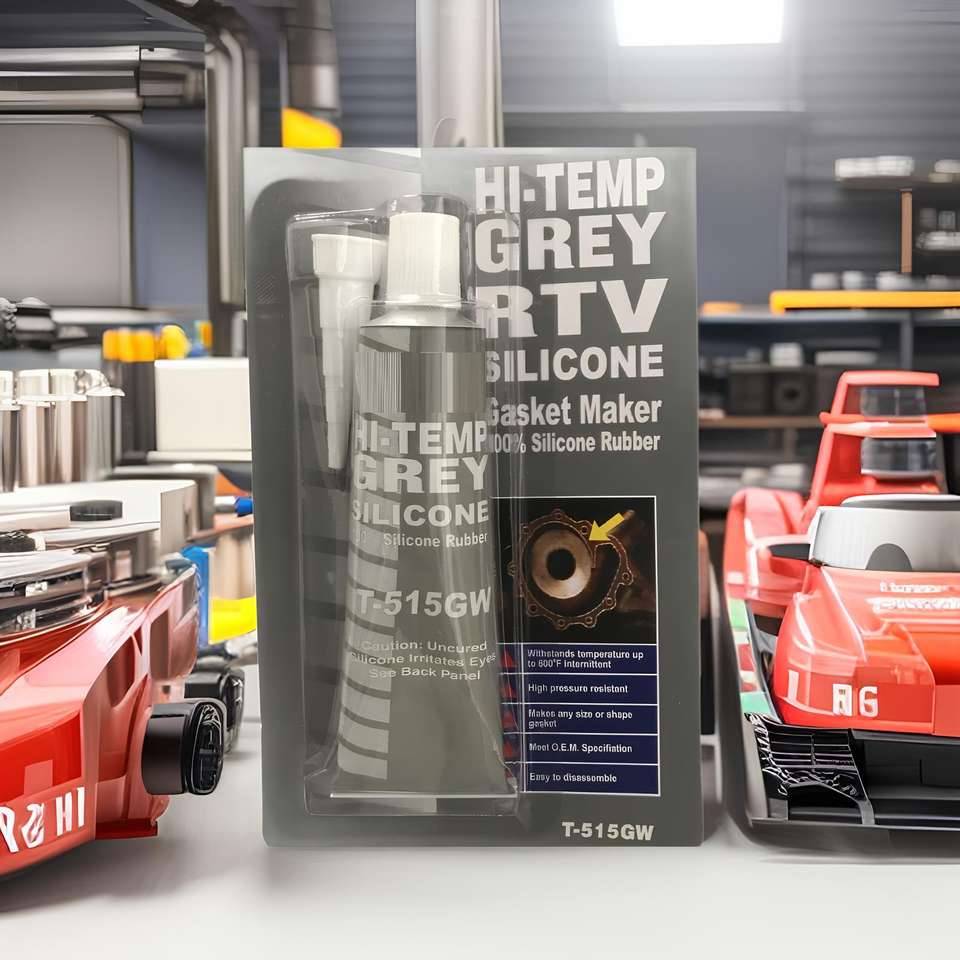
Engine Sealant (GLE-023)
Sealant / gasket listing. Different duty than facade weather seal — do not substitute without TDS.
Related GlueMFG Resources
- Product catalog (93 SKUs)
- Neutral-cure vs acetoxy silicone sourcing
- Weatherproof / waterproof silicone procurement
- Silicone sealant cure time
- High-temperature silicone sealant buyer guide
FAQ
Why specify neutral-cure silicone for curtain wall, stone, or aluminum?
Neutral-cure grades are typically preferred where acetoxy (acetic) cure can risk corrosion on sensitive metals or staining on some stones. Curtain-wall and stone fabricators usually ask for neutral chemistry plus adhesion primers when the TDS requires them. Confirm cure type, primer need, and movement capability by inquiry — do not assume from a retail tube name.
How is this different from a general neutral-vs-acetoxy guide?
The neutral-vs-acetoxy sourcing guide compares cure chemistries for channel assortment. This page is the facade / curtain-wall / stone / aluminum buying path: joint design, weather exposure, and OEM packs for project or distributor stock. Link both when buyers need chemistry basics plus project RFQ detail.
Can weatherproof silicone alone replace a curtain-wall structural grade?
Not automatically. Weather sealing and structural glazing have different movement, strength, and approval expectations. If your project needs structural silicone, say so in the RFQ and ask for the documented grade — do not invent structural ratings from a weatherproof marketing name.
What should a curtain-wall silicone RFQ include?
Substrates (glass, anodized/painted aluminum, stone type), joint width/movement, indoor vs outdoor exposure, colour, cartridge vs sausage, primer yes/no, target skin/cure notes from TDS, document languages, and sample-to-container volume. Confirm every number by inquiry.
Which GlueMFG SKUs relate to silicone / PU sourcing?
Catalog Silicone / PU Glue lists GLE-028 Direct 709 Silicone Rubber, GLE-029 Polyurethane Glue Green Pipe, and GLE-030 Transparent Polyurethane Waterproof. Public cards do not state curtain-wall structural approvals — confirm neutral/acetoxy type, adhesion, and packs by inquiry.