Stock polyurethane sealant by joint, not by brand: a low-modulus grade for moving facade and expansion joints, a high-modulus adhesive-sealant for bond-and-seal jobs, and a self-levelling grade for horizontal floor joints. Ask for modulus class, movement capability, primer needs, paintability, shelf life and the isocyanate wording on the SDS. Do not position PU for glass glazing or windshields. GlueMFG lists PU products such as GLE-030; dedicated construction PU sealant grades are confirmed by inquiry.
Distributors and contractors searching for polyurethane sealant usually already know they want PU rather than silicone. The harder question is which PU grades to carry, because one cartridge is rarely right for a facade joint, a warehouse floor and a bonding job at the same time. This guide covers grade selection, cure and storage, documents and packs. For the PU vs silicone decision itself, see PU sealant vs silicone sealant.
Pick the PU Sealant Grade by Joint
| Grade family | Typical joints | What to ask for | Common mistake |
|---|---|---|---|
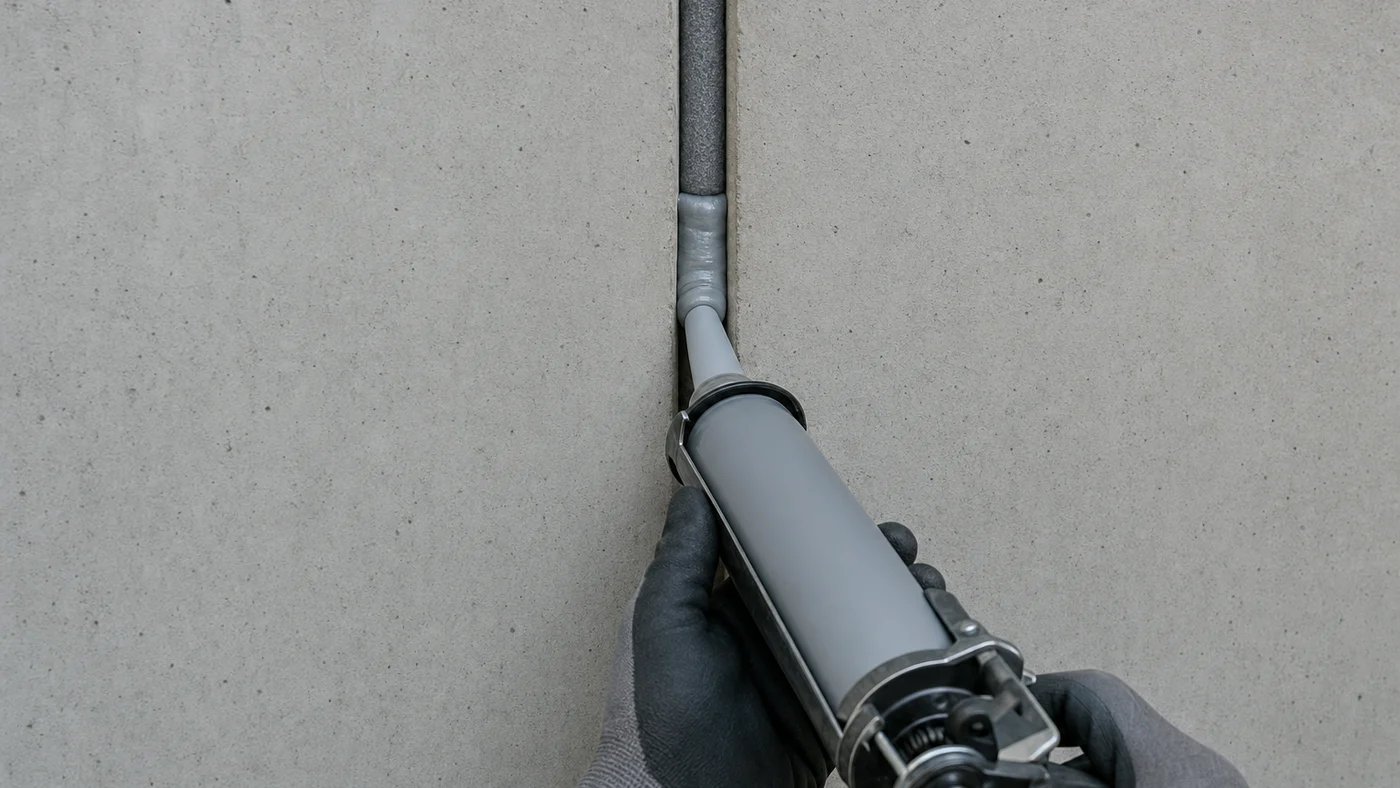
| Low-modulus joint sealant | Facade, precast panel, expansion joints, curtain-wall perimeter on concrete | Movement capability, modulus class, primer on concrete, paintability | Using a stiff adhesive-sealant in a joint that moves |
| High-modulus adhesive-sealant | Bond-and-seal jobs, metal and wood assemblies, joints exposed to abrasion | Bond strength on your substrates, skin and cure time, movement limits | Selling it as a facade movement joint sealant |
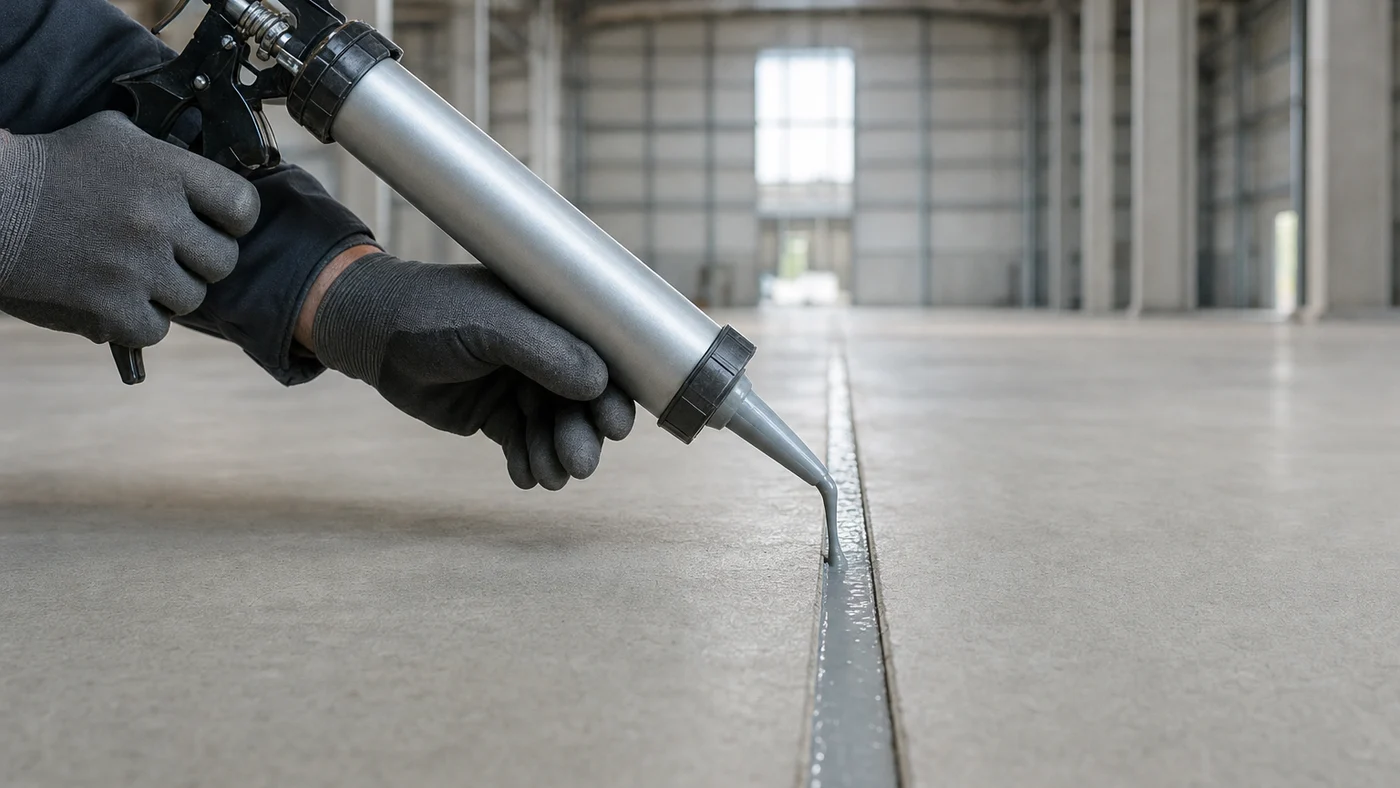
| Self-levelling floor grade | Horizontal saw-cut and expansion joints in concrete slabs, warehouses, parking decks | Flow, traffic and abrasion notes, primer, joint depth | Pouring a non-sag gun grade into floor joints |
| Auto glass / glazing | Windshields, structural glass | Specialised documented systems only | Treating construction PU as a glazing or windshield product |
Do not sell a general construction PU cartridge for glass-to-frame glazing, aquariums or windshields. Glazing usually calls for silicone (see window silicone sealant), and auto glass bonding is a safety-critical urethane system with its own documentation. Keep these jobs off the PU sealant card.
Modulus, Movement and Self-Levelling Grades
- Modulus: ask the supplier to state whether each grade is low or high modulus and what movement capability it will put in writing. Do not infer it from the colour or the word "elastic".
- Joint design: width, depth and a backer rod or bond-breaker matter as much as the grade. Three-sided adhesion in a moving joint causes early failure whatever the chemistry.
- Self-levelling vs non-sag: floor joints need a pourable grade; vertical joints need non-sag. Stock both if you sell to flooring and facade contractors.
- Paintability: many PU sealants accept paint after cure. Ask which paint systems were tested and after how long, and check for incompatibility with some alkyd paints.
- UV and colour: some PU sealants can chalk or change colour under long sun exposure. Ask what the supplier will state for exposed exterior joints and colour stability.
Moisture Cure, Primer and Shelf Life
- Cure: PU sealant cures with moisture from the air, from the outside in. Ask for skin time and cure rate per day at a stated temperature and humidity, and compare with your silicone lines (see silicone sealant cure time).
- Bubbling: damp substrates, heat and very deep beads can cause gas bubbles. Ask for the substrate moisture and temperature limits the supplier will state.
- Primer: porous concrete, stone and some metals often need a primer for durable adhesion. Ask which substrates were tested primerless and which need a primer, and stock the primer with the sealant.
- Shelf life and opened packs: moisture-cure products are sensitive to pack integrity. Ask for the stated unopened shelf life, storage temperature and what happens to a part-used cartridge, and rotate stock first-in, first-out.
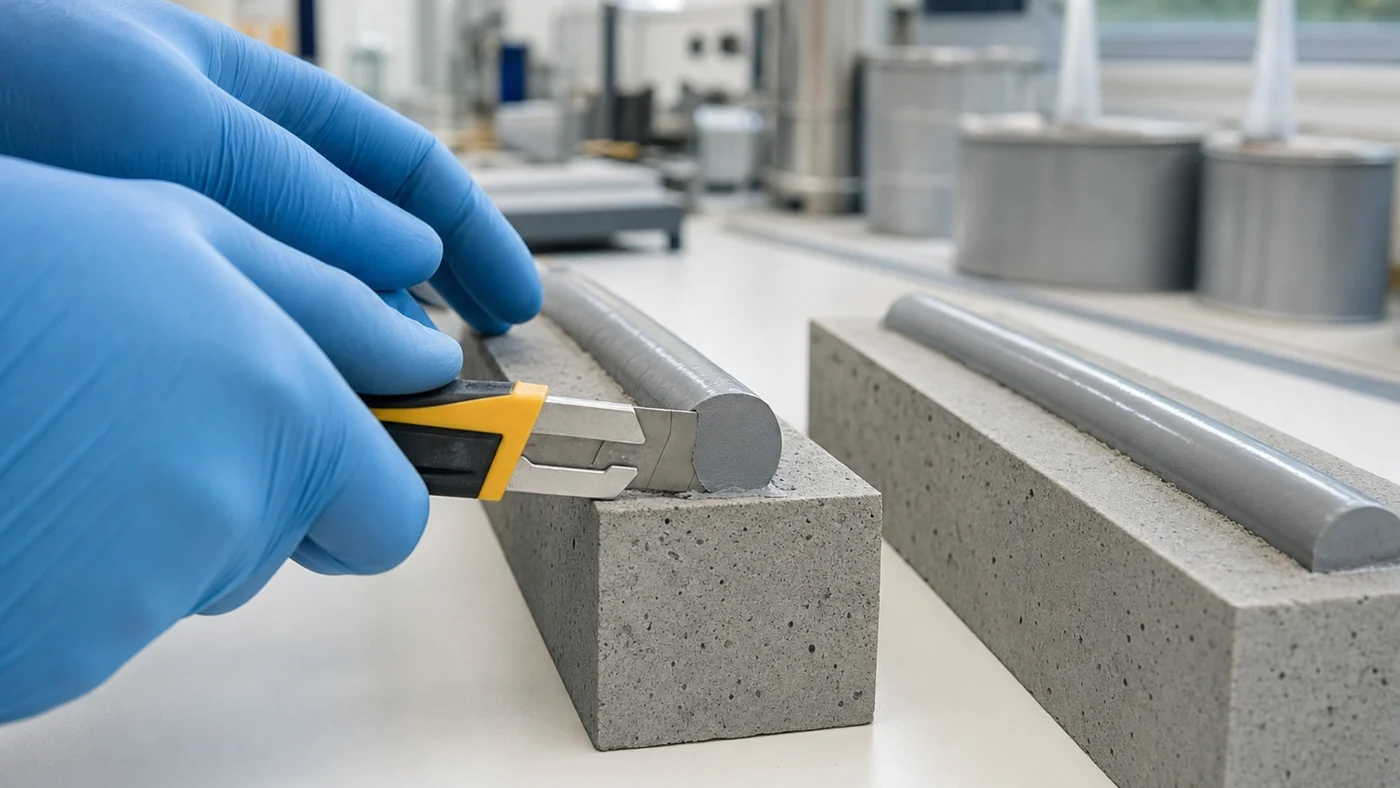
- Sample check: before a trial order, cure beads on your customers' substrates and run a simple peel. See adhesive strength testing for buyers.
SDS, Isocyanate Wording and Shipping
- Isocyanates: many one-component PU sealants are isocyanate-based. Read SDS Sections 2, 3 and 8 for hazard statements and exposure controls before you print label claims. In the EU, products above the REACH restriction threshold for diisocyanates carry a professional-user training requirement; ask the supplier how their grade is classified.
- Transport: check SDS Section 14 for each grade and pack rather than assuming all sealants ship the same way. See how to read an adhesive SDS.
- Lower-isocyanate alternative: if your channel wants paintable sealant with different labelling, compare an MS polymer / hybrid sealant on the actual SDS, not on marketing wording.
Packs and How to Position PU Sealant SKUs
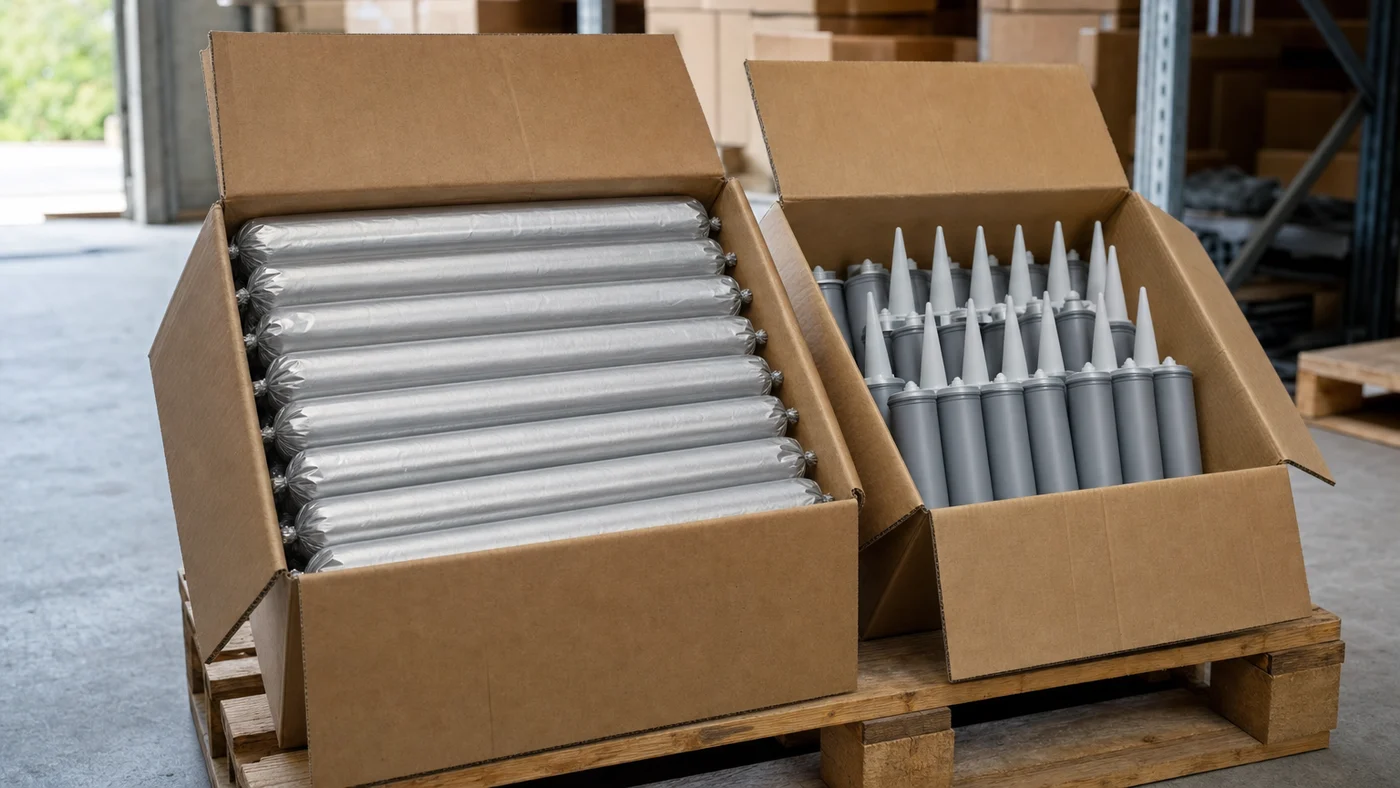
- Pack: cartridges (about 300 ml) for small jobs and retail; foil sausages (commonly 400–600 ml) for contractors and larger joints; ask what pail options exist for self-levelling grades. See OEM adhesive packaging options.
- Colours: grey, white and black cover most construction joints; concrete grey and custom colours for private label are confirmed by inquiry.
- Front-of-pack wording: name the job (facade joint, floor joint, bond-and-seal) and the modulus, not only "PU". This stops floor grades being sold into facades and vice versa.
- Adjacent lines: PU glue and PU sealant are different products. For structural or wood bonding with PU chemistry, see polyurethane glue for OEM buyers; for gap-filling panel bonding, see the construction adhesive buying guide.
RFQ Checklist for Polyurethane Sealant
- Channel (facade contractor, flooring contractor, building-materials distributor, private label) and joint types.
- Grade needed: low-modulus, high-modulus adhesive-sealant, self-levelling; non-sag or pourable.
- Substrates (concrete, precast, stone, aluminium, steel, wood) and primer expectations.
- Requested data: movement capability and modulus class in writing, skin time, cure rate, paintability, shelf life.
- Pack: cartridge, foil sausage or pail; colours; label languages; carton count.
- SDS in your market format with isocyanate classification, transport classification (Section 14).
- Quantity, destination, shipping mode and target price for sample and trial orders.
What GlueMFG Can Support Around This Topic
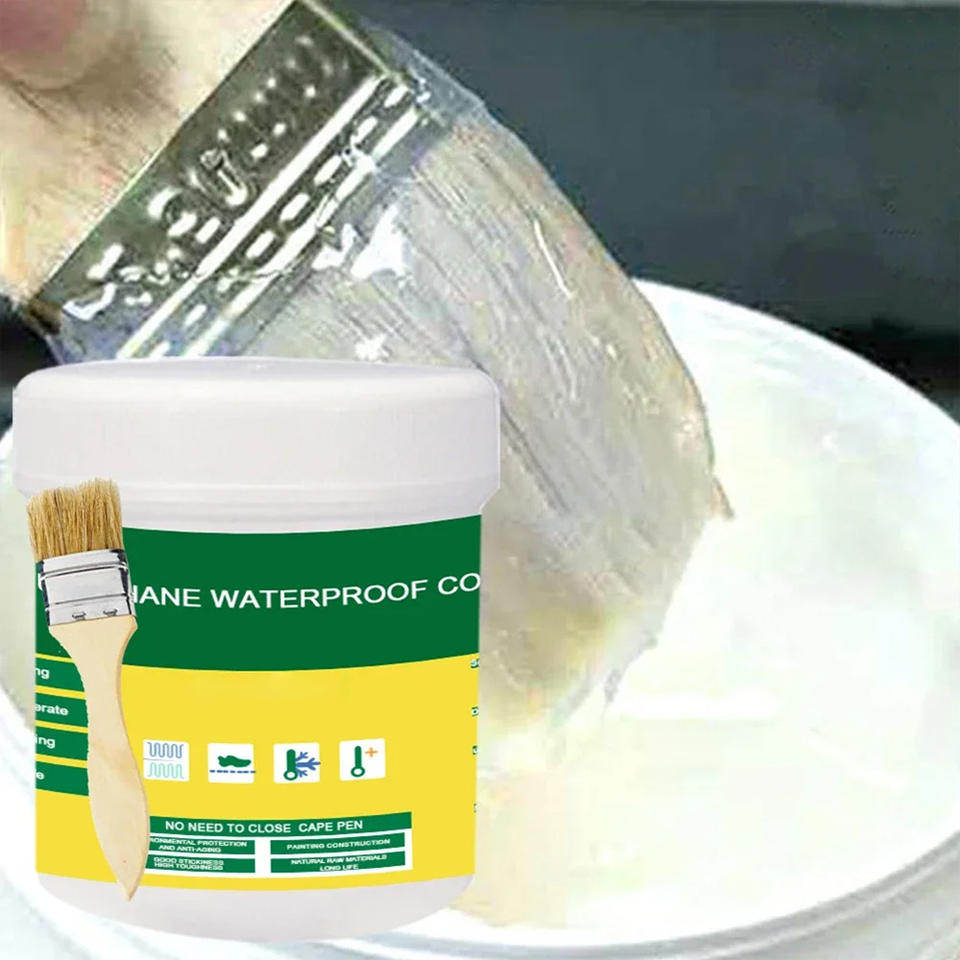
GLE-030 Transparent PU waterproof
Listed polyurethane waterproof product. Whether it fits a given joint, and its movement data, is confirmed by inquiry.
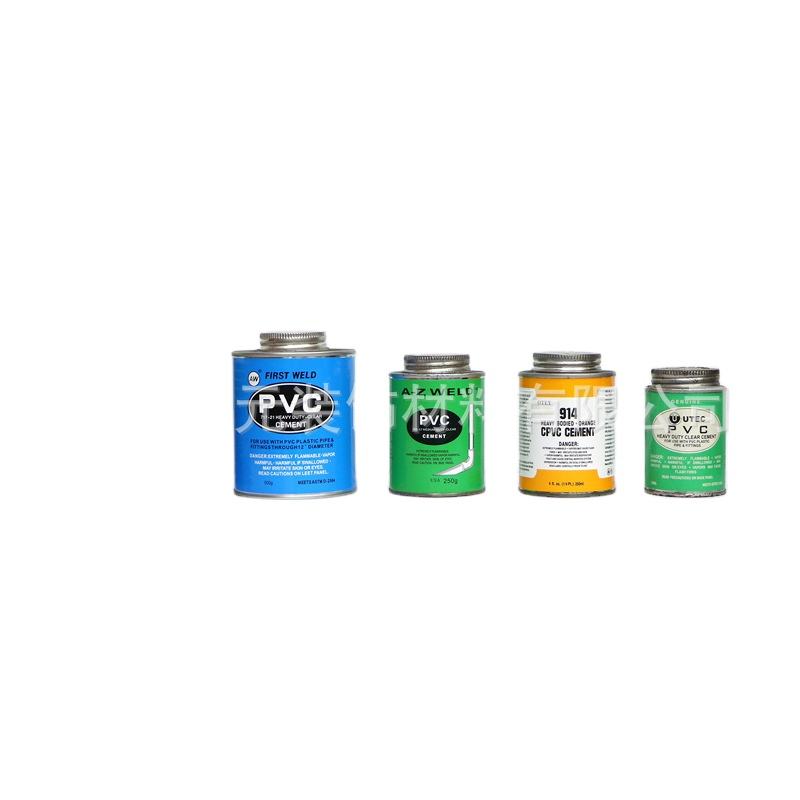
GLE-029 Polyurethane glue
Listed PU glue for bonding jobs. A glue, not a joint sealant; useful when the RFQ is really bond-and-seal.
Construction PU sealant by inquiry
Low-modulus, high-modulus and self-levelling grades are not separate listed SKUs. Send joints, colours, packs and markets; availability, SDS and MOQ confirmed by inquiry.
Related GlueMFG Resources
- PU Sealant vs Silicone Sealant
- MS Polymer and Hybrid Sealant
- Weatherproof Silicone Procurement
- Construction Adhesive Buying Guide
- GlueMFG product catalog
FAQ
What is polyurethane sealant used for?
Polyurethane (PU) sealant is a moisture-curing elastic sealant used mainly on construction joints: facade and precast panel joints, concrete expansion and control joints, floor joints, and general building and industrial sealing where the joint must move and is often painted. Buyers usually choose between low-modulus joint grades, higher-modulus adhesive-sealants and self-levelling floor grades.
What is the difference between low-modulus and high-modulus PU sealant?
Low-modulus grades stay soft and put less stress on the joint edges, so they suit moving facade and expansion joints. High-modulus grades are firmer and are often sold as adhesive-sealants for bonding and sealing in one step, or for joints that take abrasion. The supplier should state the modulus class and movement capability in writing for each grade.
Can PU sealant be used on glass or windows?
Generally not as a glass-to-frame glazing sealant. Many PU sealants are not designed for long-term UV exposure through glass, and silicone is the usual choice for glazing. Auto glass bonding uses specialised, safety-critical urethane systems that are a different product from construction PU sealant. Do not sell a construction PU cartridge for windshields or glazing.
Why does PU sealant sometimes bubble?
PU sealants cure by reacting with moisture, and the reaction can release gas. On damp substrates, in hot conditions or in very thick beads, bubbles can form inside the joint. Ask the supplier what substrate moisture, temperature and joint depth the grade tolerates, and whether a primer is required on porous concrete.
Does GlueMFG sell polyurethane sealant?
GlueMFG lists GLE-030, a transparent polyurethane waterproof product, and GLE-029 polyurethane glue. Dedicated construction PU sealant grades (low-modulus, high-modulus, self-levelling) are not separate listed SKUs today. Send joint types, colours, pack sizes and markets, and availability, SDS, modulus data and MOQ will be confirmed by inquiry.