For a shoe glue line aimed at repair shops, retail and marketplaces, stock by job, not by brand name: a solvent contact cement for soles and leather, a flexible repair adhesive for sneakers and gaps, and instant glue only for small rigid fixes. Then check the soles it must bond, the solvent and toluene content, the hazard label and the shipping class. GlueMFG lists contact cement in cans (GLE-007, GLE-006) and instant glue in tubes that name leather and rubber on the pack (GLE-005); footwear suitability, solvent system and pack sizes are confirmed by inquiry.
Shoe glue is one of the most searched adhesive products, and one of the most returned. The usual reason is not a weak glue. It is the wrong chemistry for the sole, a missing surface step, or a pack the customer cannot use. This guide is for distributors, cobbler-supply wholesalers and private-label brands deciding which shoe adhesives to carry.
Match the Chemistry to the Repair
| Type | Where it fits | Where it disappoints | Pack the channel expects |
|---|---|---|---|
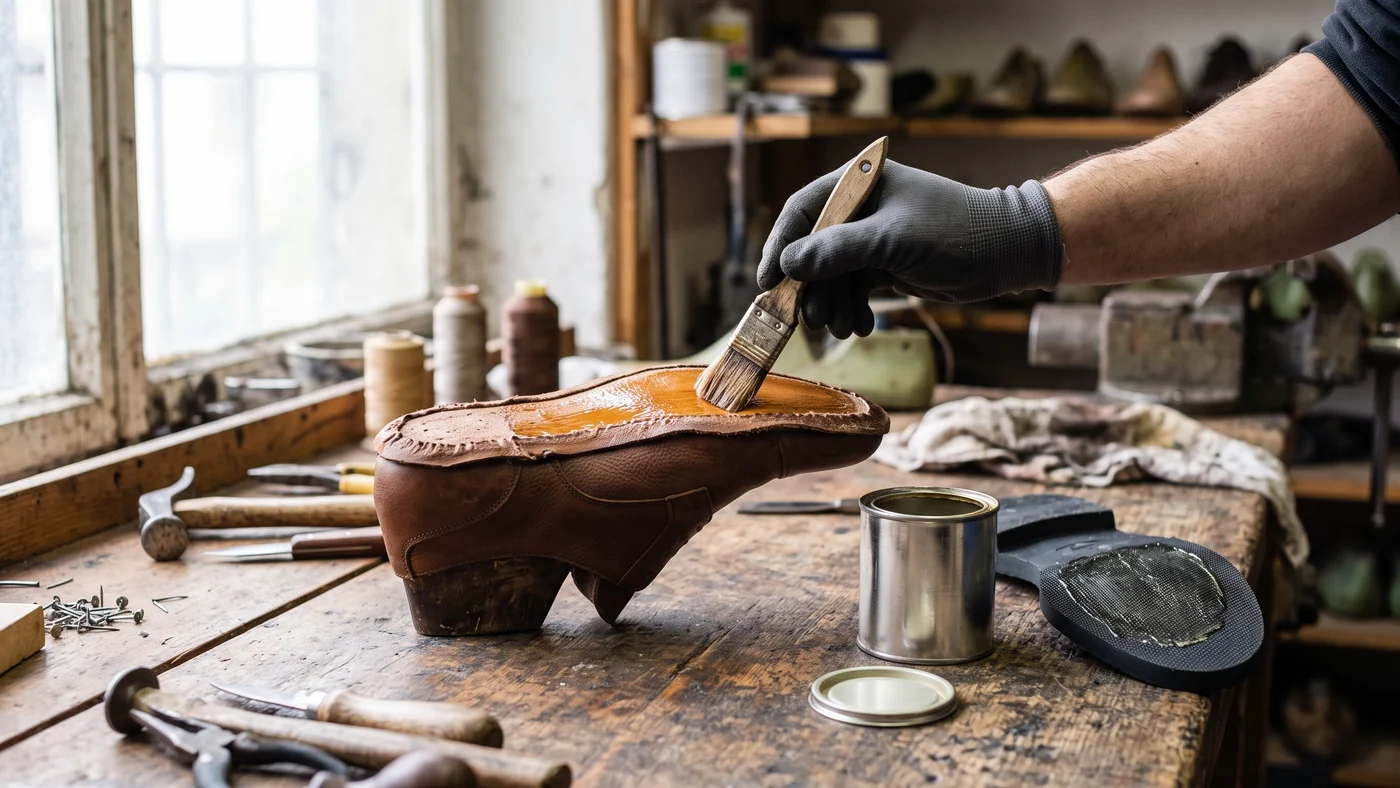
| Solvent contact cement (polychloroprene / neoprene) | Re-soling, leather to rubber, insoles, heel tips in repair shops | Some untreated rubber or TPR soles; customers who skip the open time | Cans with brush-in-lid or tins for shops; tubes for retail |
| PU (polyurethane) solvent or water-based adhesive | Footwear production lines, sole attaching with primer and heat reactivation | Retail DIY use; needs equipment and process control | Drums and pails for factories |
| Flexible shoe repair adhesive | Sneaker sole edges, gap filling, worn toes and heels | Clean structural re-soling; slow cure | Retail tubes and blister cards |
| Instant glue (cyanoacrylate) | Small rigid fixes: trims, decorations, short lifted edges | Full soles and flexing joints; can whiten on dark leather | Small tubes and cards |
Do not sell instant glue as a sole repair product. It bonds fast and then cracks where the shoe flexes, and the customer blames the brand on the pack. Keep it for small rigid fixes and say so on the card.
Contact Cement: The Repair-Shop Workhorse
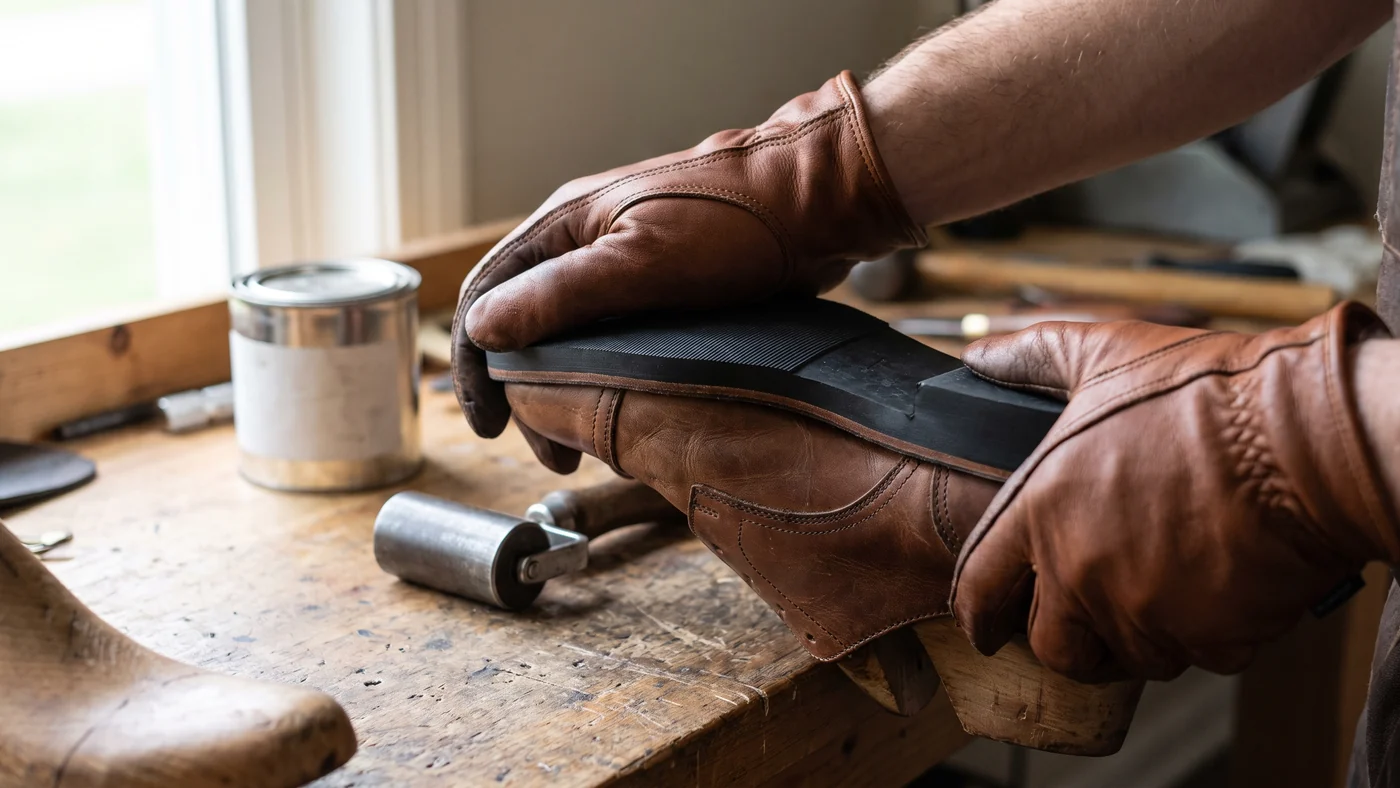
Contact cement bonds when both coated surfaces touch after the solvent has flashed off. That makes the instructions part of the product. Before you approve a grade, ask the supplier for:
- Open time and pressing: how long the coats must dry before joining, and how long the bond stays tacky. Print it on the can or tube.
- Substrates tested: leather, suede, EVA, PU soles, rubber and TPR are not the same. Ask which were tested and whether a primer or roughening step is needed.
- Heat resistance and flexibility: shoes in a hot car or on hot pavement expose weak bonds. Ask how the grade was aged, and see adhesive strength testing for buyers for which peel tests to request.
- Solvent system: ask for the solvents in Section 3 of the SDS. Toluene-free formulas are needed for consumer sales in the EU (REACH Annex XVII limits toluene in adhesives for the general public to below 0.1%).
- Viscosity and colour: thin grades brush easily; thicker grades fill rough leather. Amber is common; ask whether a clear or light grade exists for pale shoes.
For how solvent and water-based contact adhesives differ in general, see contact adhesive: solvent vs water-based.
Instant Glue and Flexible Repair Adhesives: Small Fixes Only
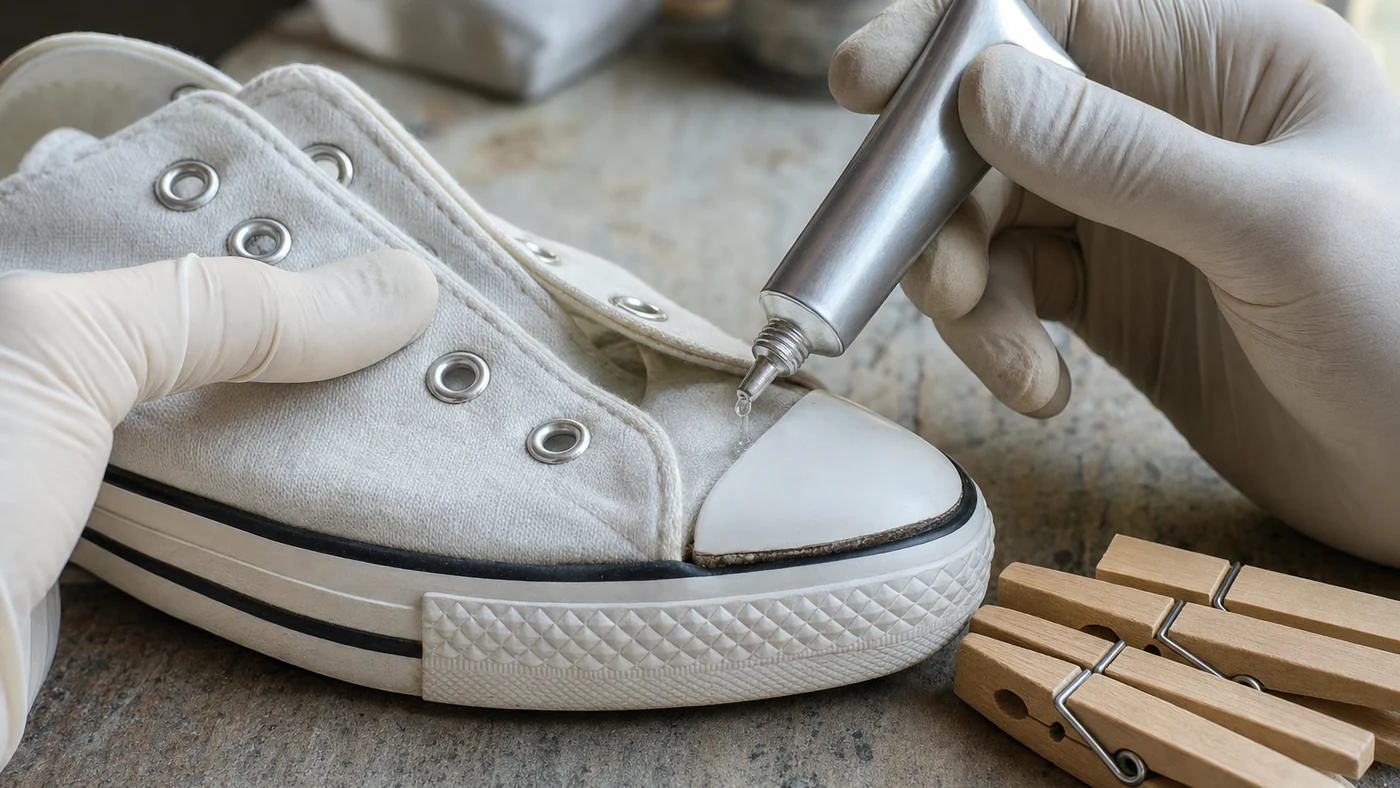
- Retail reality: most consumers repair one pair, once. A small tube or card with a fine nozzle sells better than a can, and less is wasted.
- Instant glue scope: GLE-005's listing names plastics, metal, rubber, leather, glass and ceramics on the tube. That is a general claim; footwear use should be limited to small rigid spots and tested on your target materials.
- Gel or liquid: gel grades stay on vertical edges and suit leather; thin grades wick into tight gaps. See cyanoacrylate viscosity grades.
- Leather colour repairs are a different product. Scuffed or torn leather needs a colour compound kit, covered in the home repair kit guide.
Labels, Solvent Rules and Shipping
- Hazard labels: solvent cements are typically flammable and may carry health hazards. In the EU the pack needs CLP pictograms and statements in the local language; check the classification in SDS Section 2. See how to read an adhesive SDS.
- Transport: flammable adhesives usually ship under UN 1133, Class 3. Small consumer packs may qualify as limited quantity; air and express are stricter than sea. Confirm from Section 14 of the exact grade.
- Child-resistant closures and tactile warnings can apply to some hazardous consumer packs in the EU. Ask your compliance advisor for your market.
- Private label: brush-in-cap cans, tubes and cards each have different MOQs and artwork lead times. See OEM adhesive packaging options.
RFQ Checklist for Shoe Glue
- Channel (repair shops, retail, marketplace, footwear factory) and the repairs customers do most.
- Sole and upper materials to bond: leather, suede, rubber, TPR, EVA, PU, canvas.
- Chemistry wanted per SKU and any primer or surface step you can accept.
- Solvent limits for your market (toluene-free, other restrictions) and the SDS language.
- Pack: can with brush cap, tube, card; size, nozzle, carton count, label languages.
- Test evidence: peel or bond results on your materials, heat ageing if available.
- Quantity per SKU, destination port, shipping mode and target price for sample, trial and container orders.
What GlueMFG Can Support Around This Topic

GLE-007 Contact cement
Solvent contact adhesive in cans. Footwear substrates, solvent system and can sizes confirmed by inquiry.
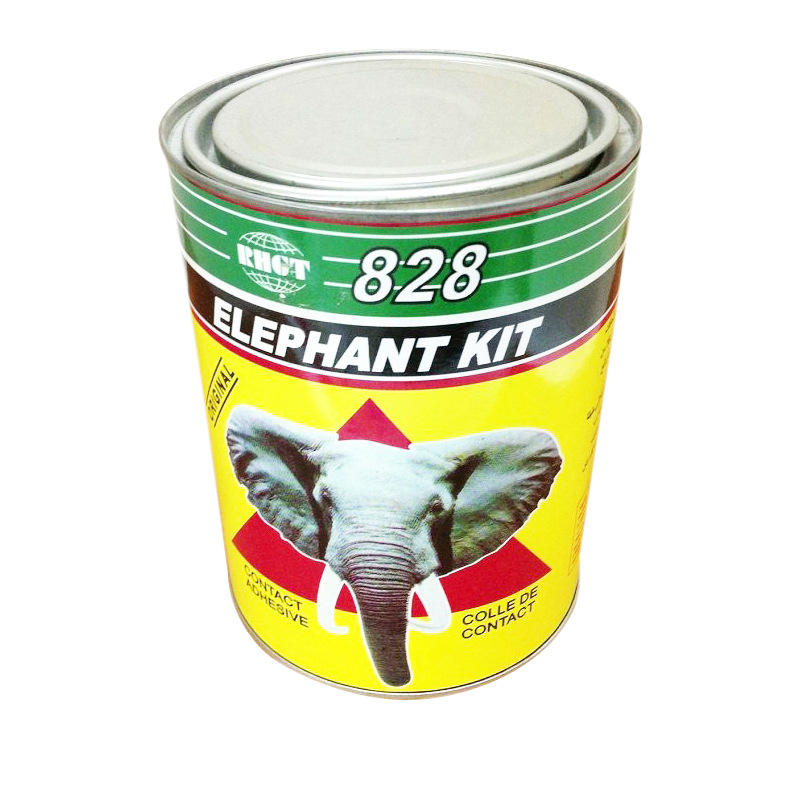
GLE-006 Universal contact adhesive
General-purpose contact adhesive in tins. Leather and rubber suitability and toluene content confirmed by inquiry.
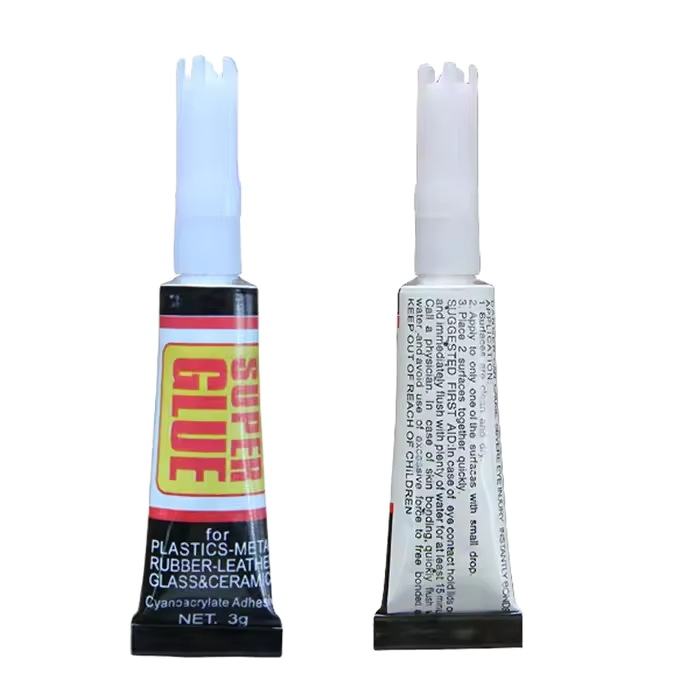
GLE-005 Instant glue tubes
Cyanoacrylate in small tubes for quick rigid fixes. Card and tube formats confirmed by inquiry.
Related GlueMFG Resources
- Contact Adhesive: Solvent-Based vs Water-Based for OEM Buyers
- Contact Cement vs Spray Adhesive: Production Use Guide
- Cyanoacrylate Glue Grades for Assembly Lines
- Super Glue Sea Freight Hazard Classification
- GlueMFG product catalog
FAQ
What type of glue is used for shoes?
Most shoe soles are bonded with a contact adhesive: a solvent-based polychloroprene (neoprene) cement in repair shops, or polyurethane (PU) adhesives on footwear production lines. Instant glue (cyanoacrylate) is used for small rigid fixes, and flexible repair adhesives fill gaps on sneakers. The right one depends on the sole material and how much the joint flexes.
Is super glue good for shoe soles?
Not for a full sole. Cyanoacrylate cures hard and can crack where the sole flexes at the ball of the foot. It suits small rigid spots, such as a lifted trim or a short gap on a toe cap. For re-soling or a long separated edge, stock a contact cement or a flexible shoe repair adhesive instead.
Why does shoe glue fail on some rubber soles?
Many soles, especially some rubber and TPR compounds, carry mould release or oils on the surface, and some materials are hard to wet. Footwear factories roughen the surface and use primers or halogenation before bonding. A repair glue that works on leather can still peel from an untreated rubber sole, so test on the soles your customers bring in and ask the supplier which substrates and primers the grade was tested with.
Can solvent-based shoe glue be sold to consumers in the EU?
It can, but the formula must meet REACH restrictions. Under REACH Annex XVII, toluene is restricted to below 0.1% by weight in adhesives supplied to the general public, so ask for a toluene-free statement and the full SDS. Solvent cements are usually flammable and need CLP hazard labels in the local language.
How is solvent shoe glue shipped?
Flammable solvent adhesives are normally regulated as dangerous goods for transport, typically under UN 1133 (adhesives, Class 3). Small retail cans and tubes can often move as limited quantity, but the SDS Section 14 for the exact grade decides. Air and express carriers are stricter than sea freight, so check before booking.