For a kitchen and bathroom silicone sealant line, specify four things before price: cure type (acetoxy or neutral) matched to the substrates your customers seal, a mould-resistance level backed by a test report, claim wording that is legal in your market, and the colour and pack range (white and clear first). GlueMFG lists a one-component silicone rubber in squeeze tubes (GLE-028); cure type, fungicide, colours and cartridge sizes are confirmed by inquiry.
Sanitary silicone is the sealant most retail and trade customers buy most often, and the one most likely to come back as a complaint: black spots in a shower joint after a few months, a bead that peels off an acrylic bath, or a yellow stain on a marble vanity. Most of those complaints trace back to the specification, not the bead. This guide is for distributors, hardware brands and importers choosing which kitchen and bath grades to stock or private label.
What "Sanitary" Should Mean on Your Cartridge
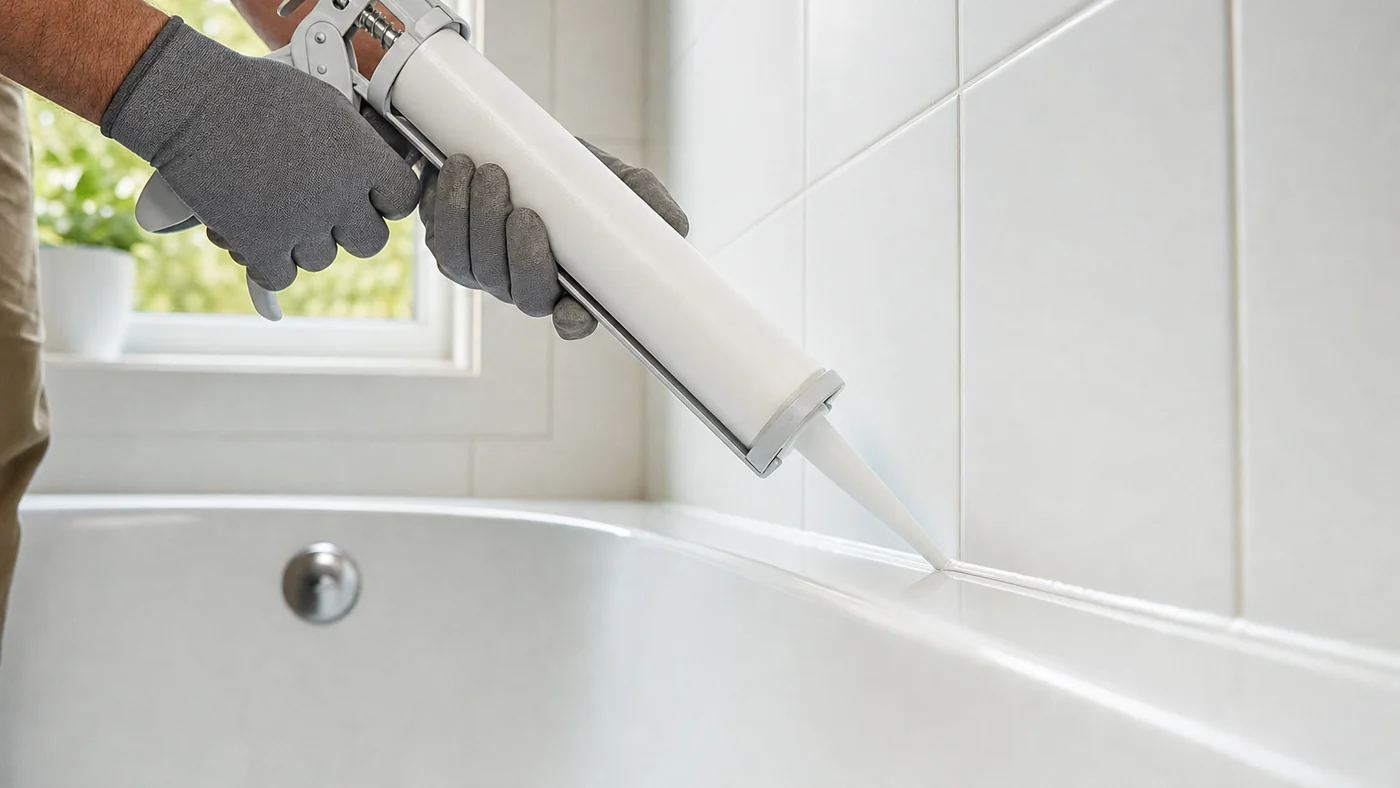
| Property | Why it matters in kitchens and baths | Ask the supplier for |
|---|---|---|
| Fungicide / mould resistance | Slows black spotting on shower and sink joints | Active substance named on the SDS and a mould-growth test report for the exact grade |
| Cure type | Acetoxy can attack metal, mirror backings and stone; neutral is safer on mixed surfaces | Cure type on the TDS and a substrate list |
| Elasticity / movement | Bath and shower-tray joints open and close with load and temperature | Movement capability and the standard it was tested to |
| Adhesion range | Glazed tile, enamel, acrylic baths, glass, stainless steel, PVC trims | Adhesion results or a written substrate list, plus primer advice |
| Colour stability | White beads that yellow or clear beads that cloud generate returns | Retained samples and any ageing data the supplier has |
Do not relabel a general-purpose or construction silicone as "kitchen and bath" to save a SKU. Without a fungicide and a substrate check, the first complaints arrive within one humid season, and they land on your brand, not the factory's.
Back Mould-Resistance Claims With a Report
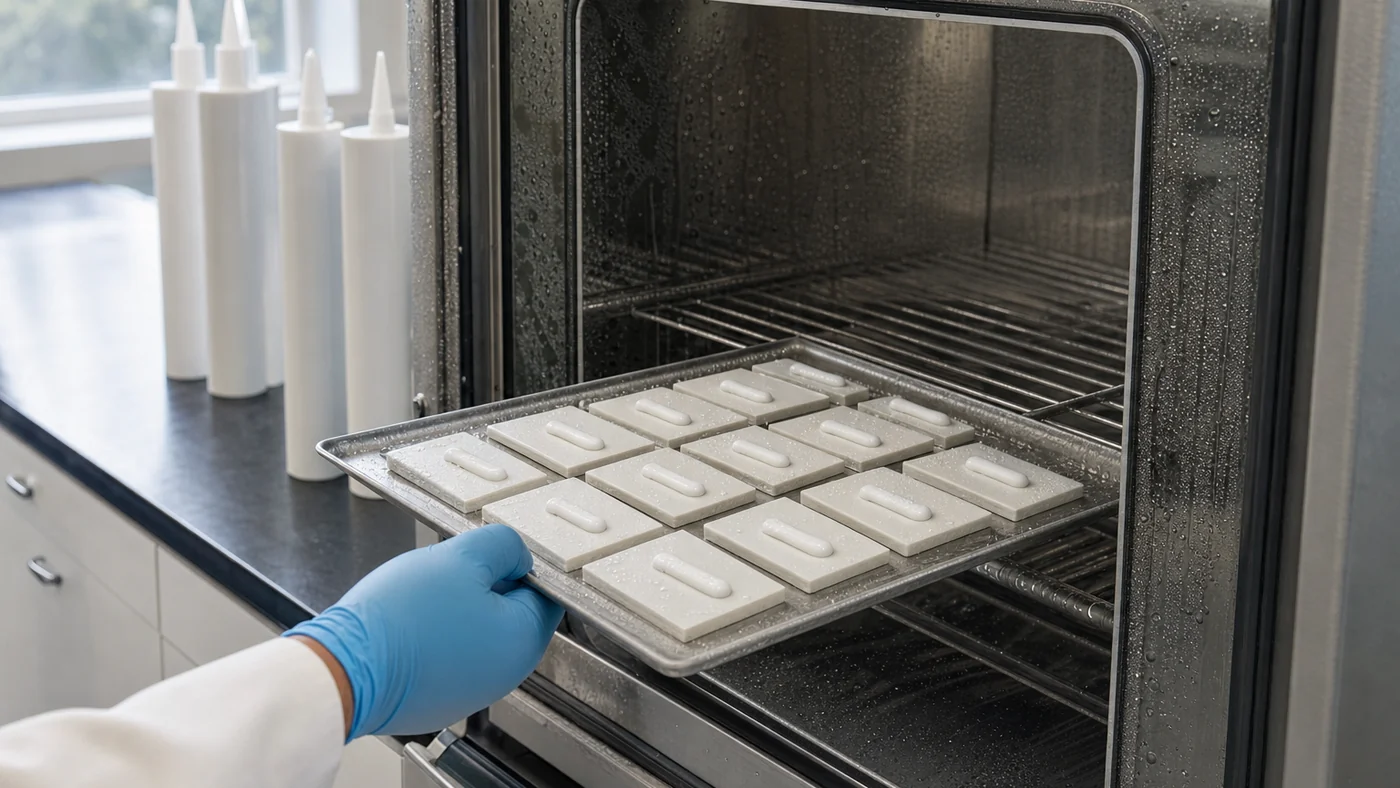
"Anti-mould" on a cartridge is a claim, and the brand owner carries it. Before approving a grade:
- Ask for the test report. Fungal-growth tests such as ISO 846 or ASTM G21 are commonly cited for sealants. Check that the report names the same formula and colour you are buying, not a different grade from the same factory.
- Read the SDS. The fungicide should appear in Section 3 if it is present at a level that must be declared. See how to read an adhesive SDS.
- EU: a sealant containing a fungicide is a treated article under the Biocidal Products Regulation (EU) 528/2012. The active substance must be allowed for that use, and making a claim about the biocidal property brings labelling duties. Confirm the label text with your compliance advisor.
- US: under the EPA treated-article exemption, claims should stay limited to protecting the sealant itself (for example, resisting mould growth on the bead). Health claims for people need registration.
- Avoid absolute words: "mould-proof", "lifetime" and "100% waterproof" invite disputes you cannot win.
Match Cure Type and Colour to the Surfaces
| Surface | Usual fit | Watch out for |
|---|---|---|
| Glazed tile, enamel, glass | Acetoxy or neutral; acetoxy is common in price-led ranges | Vinegar smell during cure; ventilation instructions on the pack |
| Acrylic baths, shower trays, PVC trims | Neutral or a grade with a stated plastics adhesion list | Ask for adhesion results on acrylic and PVC; some grades need primer |
| Stainless sinks, chrome fittings, mirrors | Neutral cure | Acetic acid from acetoxy grades can mark metal and damage mirror backings |
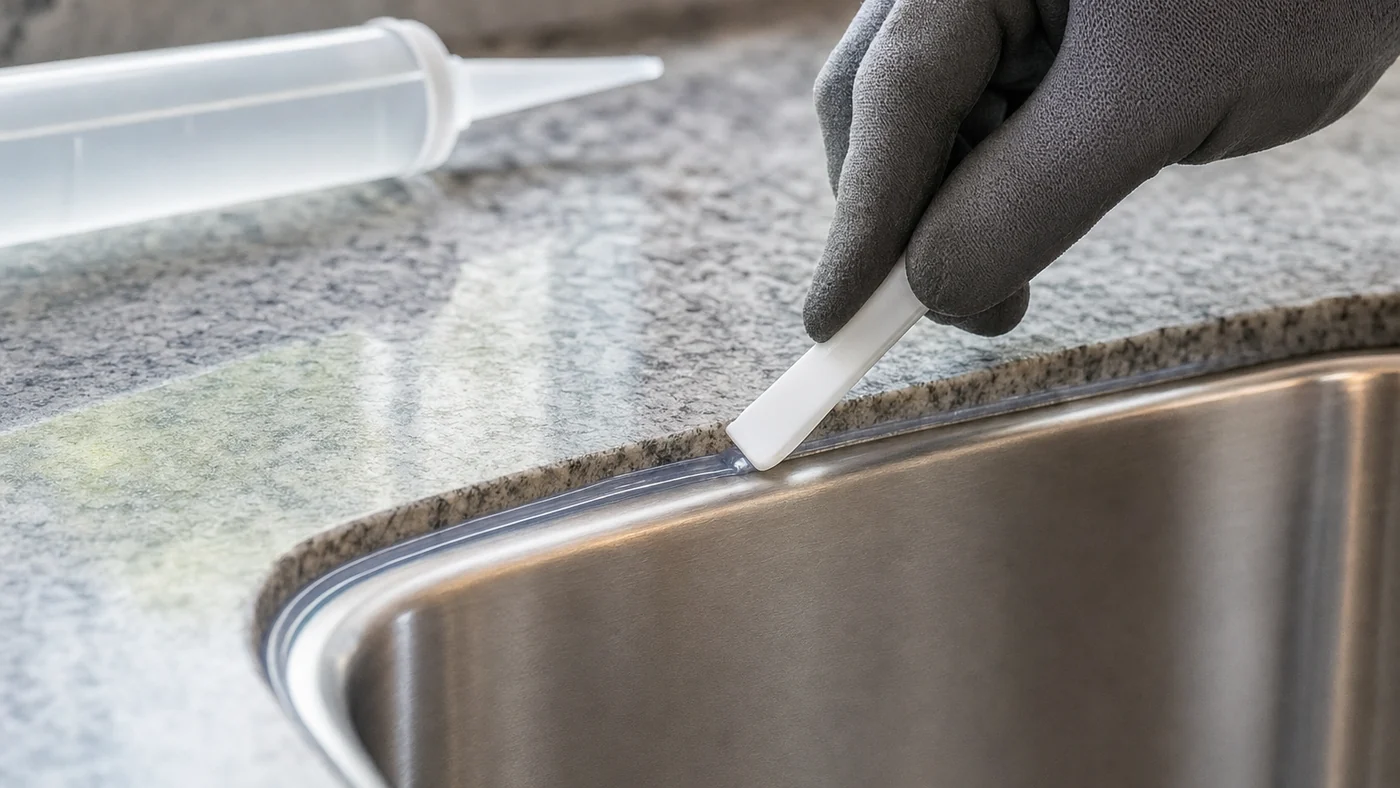
| Marble, granite, other natural stone | Neutral, stone-compatible grade | Edge staining from plasticiser migration; ask for a non-staining claim and test on the actual stone |
Colours: white and clear carry most kitchen and bath volume; grey, black and ivory help match grout. Start a private-label range with white and clear, add colours only where your channel asks for them. Silicone is not paintable, so colour choice is final for the customer. For the cure chemistry in depth, see neutral vs acetoxy silicone; for cure and service timing, silicone sealant cure time.
Pack, Shelf Life and Channel
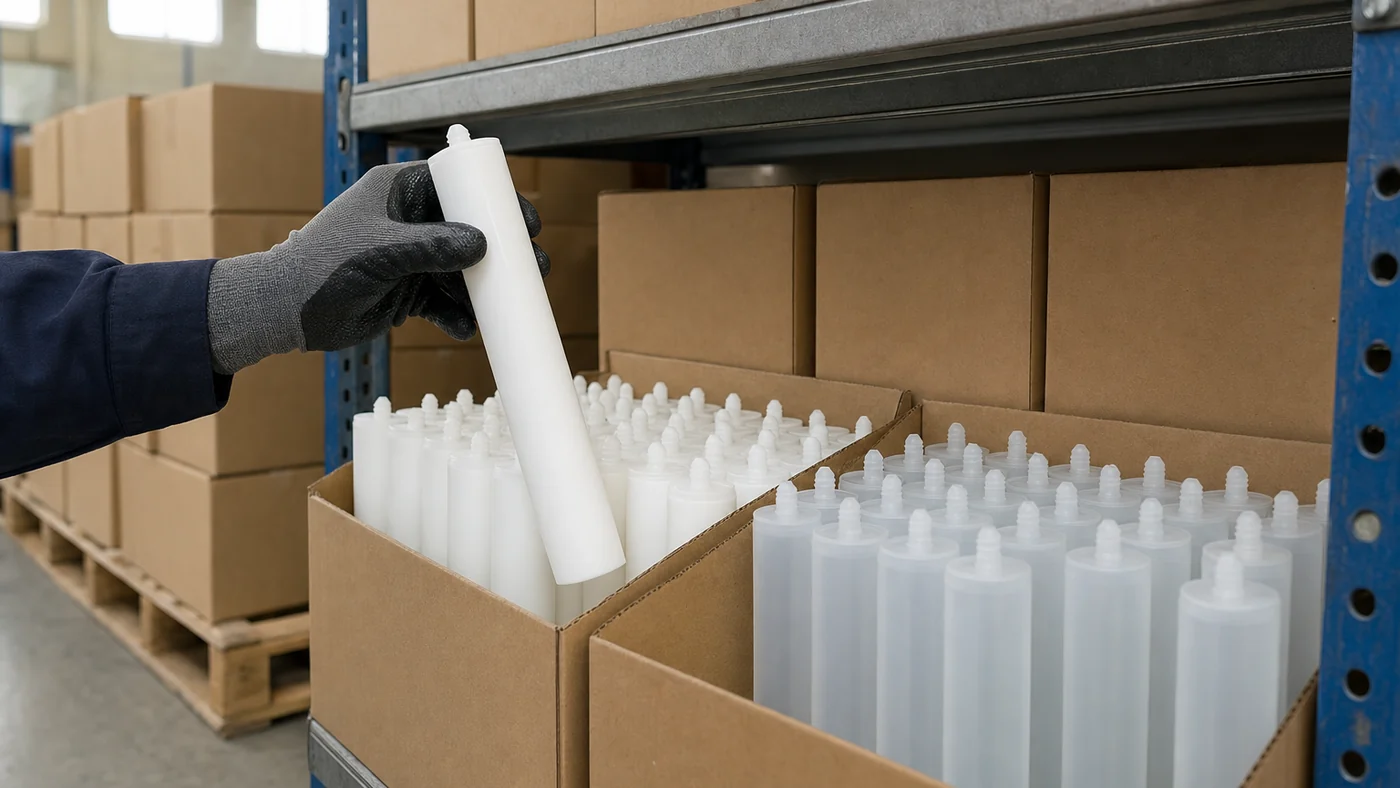
- Cartridges for trade, tubes for retail: trade customers expect gun cartridges; DIY shelves also sell small squeeze tubes, the format shown on GLE-028's listing. Confirm cartridge sizes, nozzle type and carton count by inquiry.
- Shelf life: one-component silicone cures with air moisture, so seal quality decides shelf life. Ask for unopened shelf life, storage conditions and the lot date format.
- Instructions on pack: surface cleaning, joint width, tooling, cure time before showering, and the tip to fill a bath with water before sealing so the joint is sealed at its widest. Clear instructions cut complaints more than formula changes.
- Private-label details: label languages, warning text, barcodes and display boxes. See OEM adhesive packaging options.
Chipped enamel, tile or sink edges are a different job from sealing joints. Customers asking for those need a two-part repair kit, covered in GlueMFG's repair kit sourcing guide.
RFQ Checklist for Kitchen and Bath Silicone
- Channel (trade, DIY retail, project) and the joints customers seal: baths, showers, basins, sinks, worktops.
- Substrates, including any natural stone, acrylic or metal fittings.
- Cure type, mould-resistance level and the test report you need.
- Claims you want on the label and the markets they are for.
- Colours, cartridge or tube sizes, nozzle, carton count, label languages and artwork.
- Documents: TDS, SDS for your market, test reports, COA per lot.
- Quantity per colour, destination port and target price for sample, trial and container orders.
What GlueMFG Can Support Around This Topic
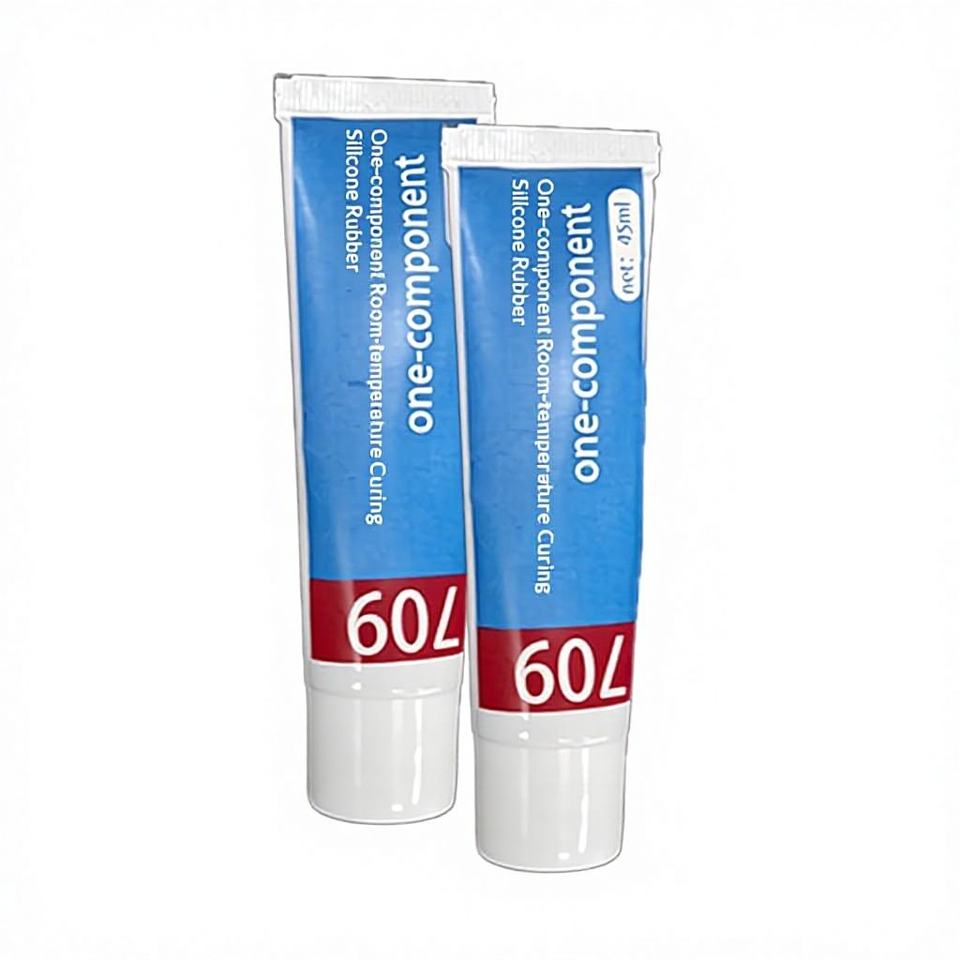
GLE-028 One-component silicone
709 silicone rubber in squeeze tubes. Cure type, fungicide, colours and cartridge versions confirmed by inquiry.
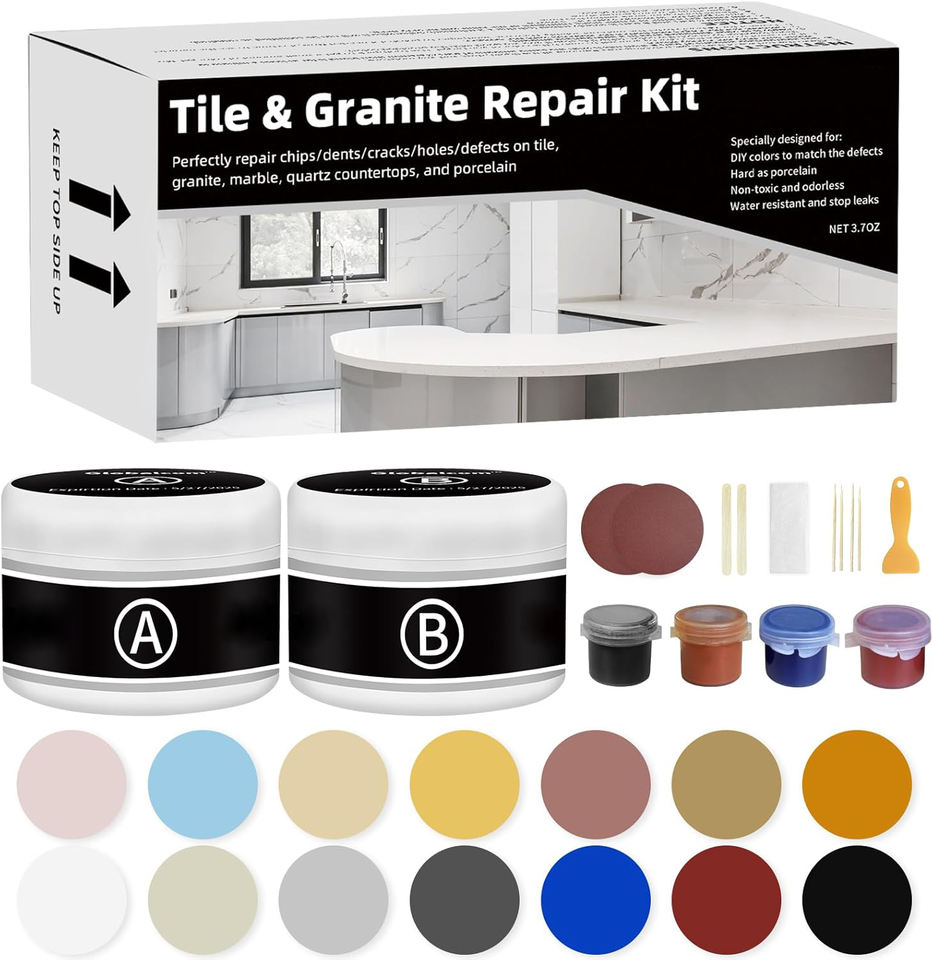
GLE-073 Tub and tile repair kit
For chips in enamel, tile and stone surfaces, the job sealant cannot do. Kit contents and MOQ confirmed by inquiry.
Silicone OEM program
Private-label silicone across sanitary, weatherproof and construction grades. See the silicone sealant manufacturer page.
Related GlueMFG Resources
- Neutral vs Acetoxy Silicone: Sourcing Guide
- Weatherproof / Waterproof Silicone Procurement Guide
- Silicone Sealant Cure Time
- High-Temperature Silicone Sealant Buyer Guide
- Silicone sealant manufacturer: OEM and private label
FAQ
What makes a silicone sealant suitable for kitchens and bathrooms?
A kitchen and bathroom (sanitary) silicone is usually a one-component silicone with a fungicide added to slow mould growth on the cured bead, good adhesion to glazed tile, enamel, acrylic baths, glass and stainless steel, and enough elasticity for joints that move when a bath or shower tray is loaded. The cure type, fungicide and substrate list should be stated on the supplier's TDS.
Is mould-resistant silicone mould-proof?
No. A fungicide slows mould growth on the surface of the sealant; it does not stop it forever, and it does not treat mould already behind the joint. Ventilation, cleaning and correct application decide how long a joint stays clean. Avoid selling the product with mould-proof or lifetime claims.
Can I claim the sealant is antibacterial or protects against mould?
Be careful. In the EU, a sealant containing a fungicide is a treated article under the Biocidal Products Regulation (EU) 528/2012, and claims about its biocidal properties bring labelling duties. In the US, the EPA treated-article exemption only covers claims that protect the product itself, such as resisting mould on the sealant, not health claims for people. Check claim wording with your compliance advisor before printing the cartridge.
Acetoxy or neutral cure for bathrooms?
Acetoxy silicone bonds well to glass and glazed tile and is common in price-led bathroom ranges, but it releases acetic acid while curing and can attack some metals, mirror backings and natural stone. Neutral cure costs more and is the safer choice around stone, metal fittings and mixed substrates. See GlueMFG's neutral vs acetoxy guide.
Can sanitary silicone be used for aquariums or food-contact surfaces?
Usually not. Most mould-resistant sanitary grades contain a fungicide and are not intended for aquariums or food contact. If a customer needs either, specify a dedicated grade and the standard it must meet, and ask for the report for that exact grade.