The best glue for plastic depends on which plastic it is. Rigid plastics such as ABS, rigid PVC and many housings bond well with instant glue on tight joints or two-part epoxy on larger or gap-filled joints. PVC and ABS pipe use a solvent cement made for that plastic. PP and PE are low-surface-energy plastics that usually need a primer or surface treatment. Identify the resin, test on real parts, and ask for data on your substrate; for GlueMFG products this is confirmed by inquiry.
Buyers who source glue for plastic assembly, repair kits or hardware retail meet the same problem: a glue that works on one plastic fails on the next. The cause is usually the plastic, not the glue. This guide explains how to identify the plastic family, when instant glue, solvent cement and epoxy fit, what to do with PP and PE, and how to test and write the RFQ. For epoxy grades on metal and plastic, see metal and plastic epoxy for production; for rubber parts, see rubber bonding adhesive.
Identify the Plastic Before You Choose the Glue
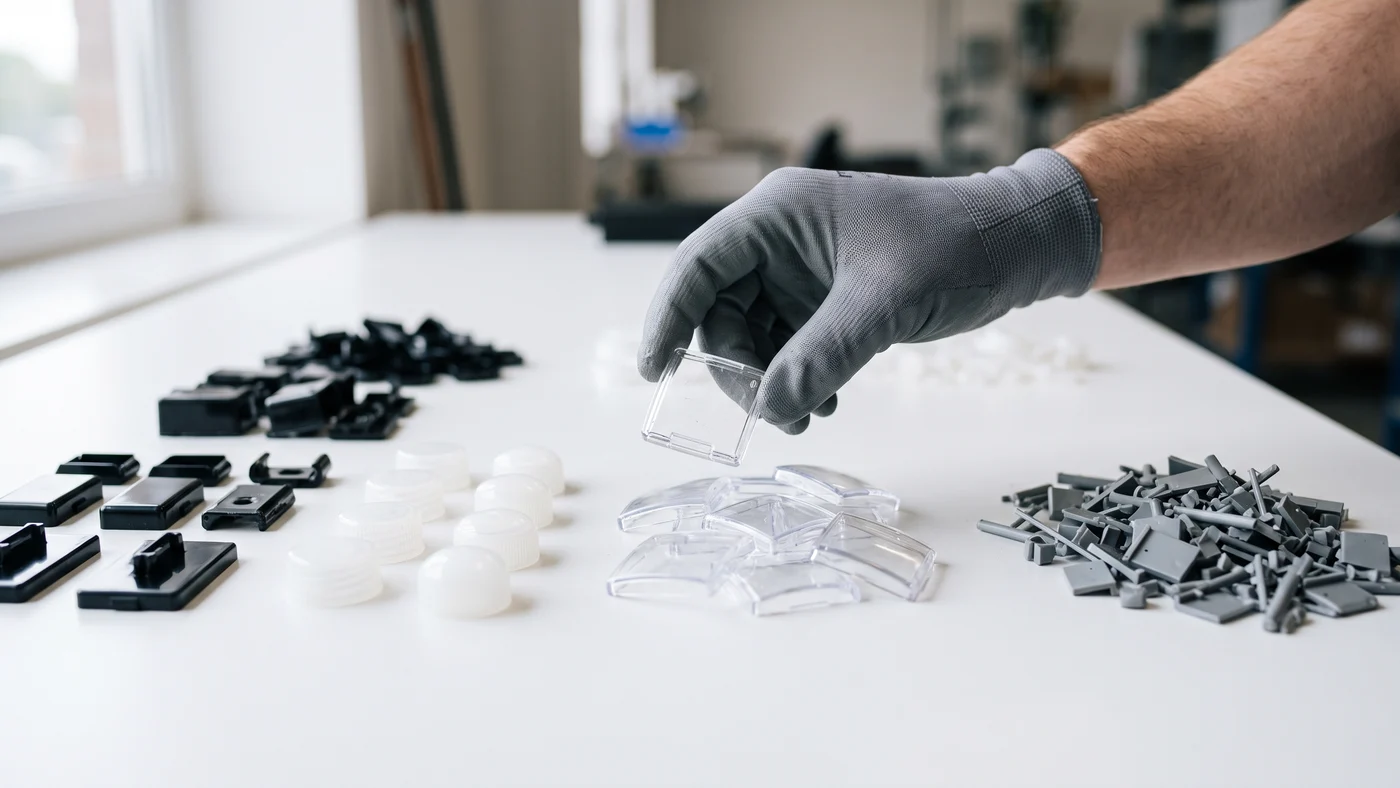
| Plastic family | Typical parts | Usual adhesive route | Watch out for |
|---|---|---|---|
| ABS, rigid PVC, PS | Housings, trims, fittings, toys | Instant glue, two-part epoxy; solvent cement for matching pipe systems | Joint gap, impact and peel load |
| PC and PMMA (acrylic) | Clear covers, lenses, displays | Grades tested for clear plastics; UV-curing adhesive in some designs | White haze (blooming) and stress cracking |
| PP and PE | Caps, containers, automotive trims | Primer plus instant glue, surface treatment, or special low-energy grades | Poor wetting; bonds peel off cleanly |
| Nylon (PA), POM | Gears, clips, technical parts | Test-led; often primer or surface preparation | Moisture in nylon, very low-energy POM |
| Soft PVC, TPE, silicone rubber | Hoses, seals, soft grips | Flexible grades; silicone needs silicone-compatible products | Plasticiser migration, flexing |
If the resin is not on the drawing, ask the part supplier. Recycling codes on parts help, and mixed or filled grades should be treated as unknown until tested.
Do not approve a plastic adhesive from a test on a different plastic. A bond that holds on ABS can peel straight off PP or crack a polycarbonate cover.
Instant Glue for Rigid Plastics and Small Parts
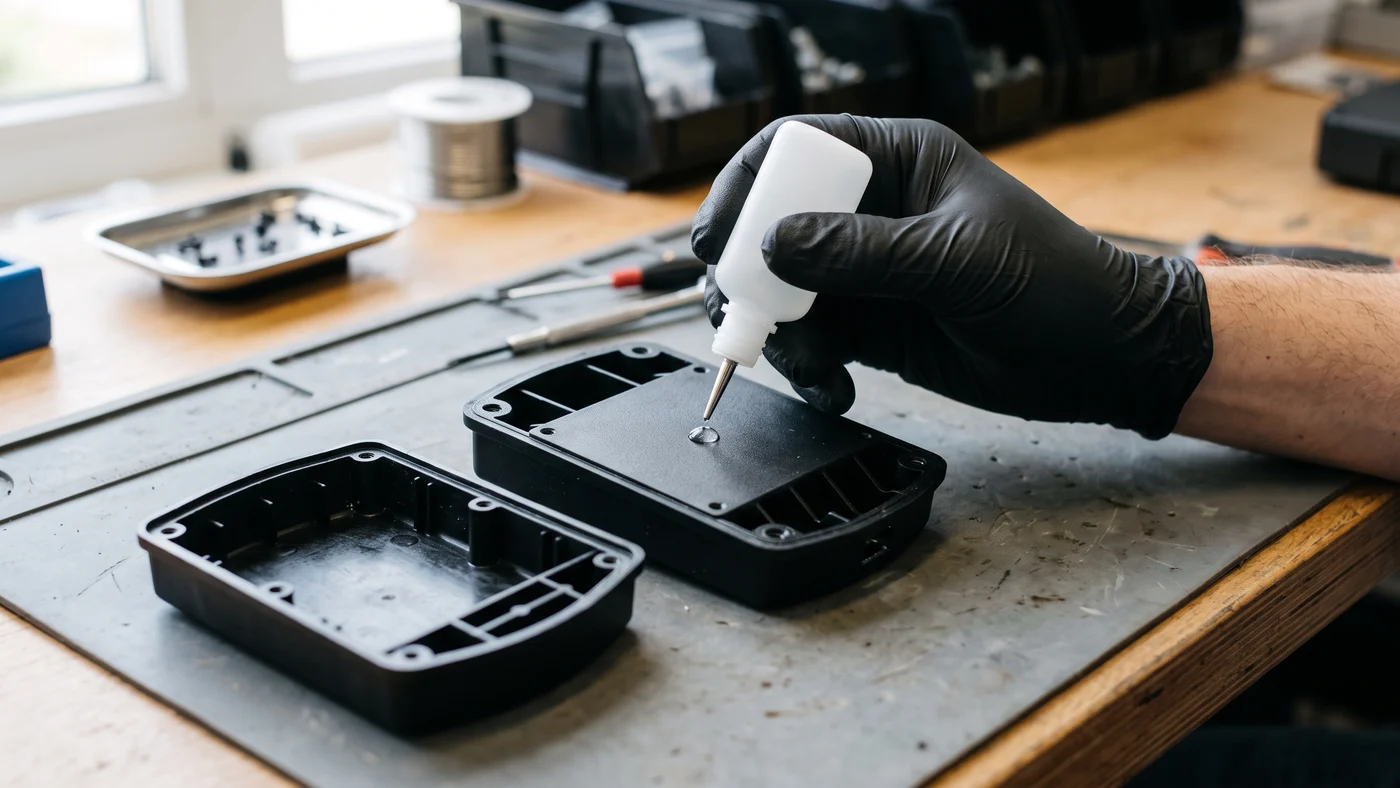
- Where it fits: small rigid parts with tight joints, fast fixture on assembly lines, and repair products for retail. See cyanoacrylate grades for assembly.
- Viscosity and gap: thin grades wick into tight joints; gel or thicker grades fill small gaps and stay on vertical faces.
- PP and PE: a polyolefin primer applied first can make instant glue usable on these plastics. Ask whether a primer is offered and how long the primed surface stays usable.
- Clear plastics: vapour from instant glue can leave a white haze on PC and acrylic, and the glue can trigger stress cracks in moulded parts. Ask about low-odour or low-bloom grades and test on finished parts.
- Accelerators: speed up fixture on wider gaps or cold lines, but test their effect on strength and appearance. See CA glue accelerator and activator.
Epoxy and Other Structural Options for Larger Plastic Joints
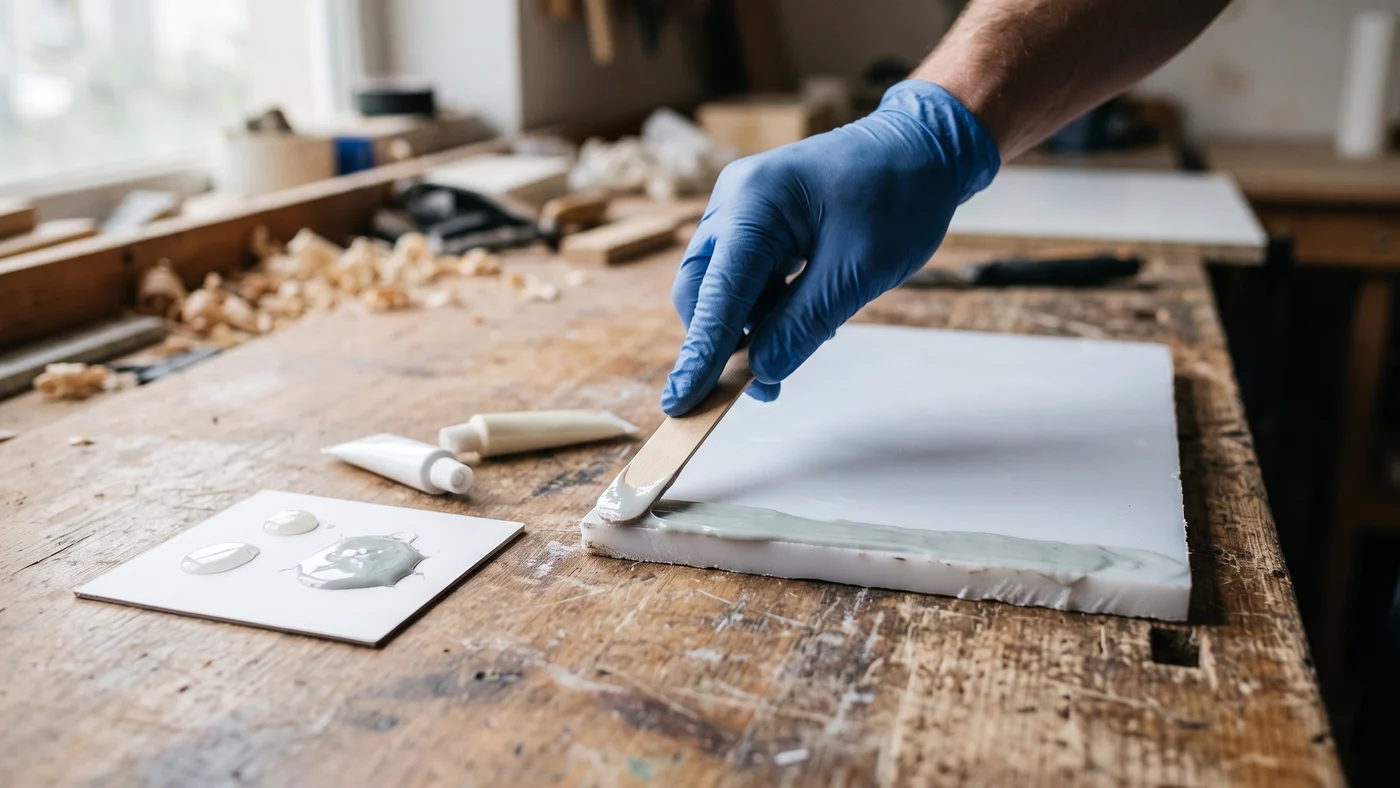
- Two-part epoxy: fills gaps and bonds many rigid plastics after light abrasion and cleaning. It is rigid, so check peel and impact on flexible parts.
- Solvent cement: for PVC, CPVC and ABS pipe systems, use the cement made for that plastic and follow its cure chart. See PVC pipe glue and solvent cement.
- UV-curing adhesives: used for clear plastic parts where light can reach the bond line. See UV curing adhesive.
- Polyurethane and flexible adhesives: used where plastic parts flex or meet other materials. See polyurethane glue.
- Surface treatment: for PP and PE in volume production, flame, corona or plasma treatment is often used before bonding. Confirm the method with the adhesive supplier.
Test on Your Own Parts Before You Order
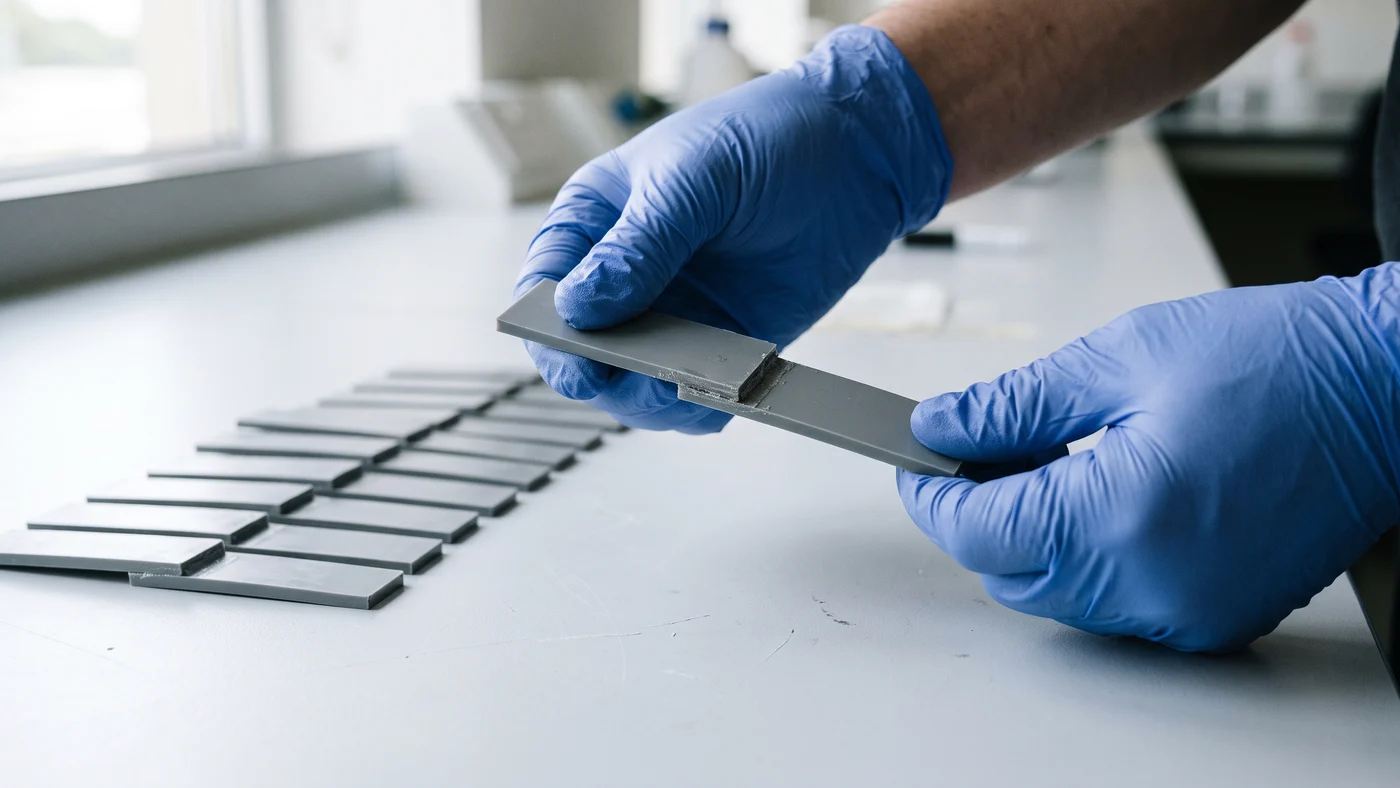
- Use production parts: moulded parts can carry release agents and differ from flat test sheets. Test on real parts from the current mould.
- Look at the failure: if the glue peels off one surface cleanly, the adhesive did not bond to that plastic. Tearing inside the plastic or glue is a better sign.
- Age the samples: repeat the check after heat, humidity or cold if the product will see them.
- Agree the method: lap shear, peel or a simple pull test should be written into the purchase terms. See adhesive strength testing for buyers.
RFQ Checklist for Plastic Bonding Adhesives
- Plastic type of each part (resin name, grade if known), and whether parts are filled, coated or clear.
- Joint design: overlap area, gap, and whether the joint sees peel, impact, flexing or load.
- Process: manual or dispensed, fixture time needed, and whether primers or surface treatment are acceptable.
- Environment: temperature range, humidity, water, cleaning chemicals or UV exposure.
- Appearance needs: clear parts, no haze, no visible squeeze-out.
- Pack format for line or retail, label language, SDS and test reports needed.
- Quantity and destination for sample, trial and container orders.
What GlueMFG Can Support Around This Topic
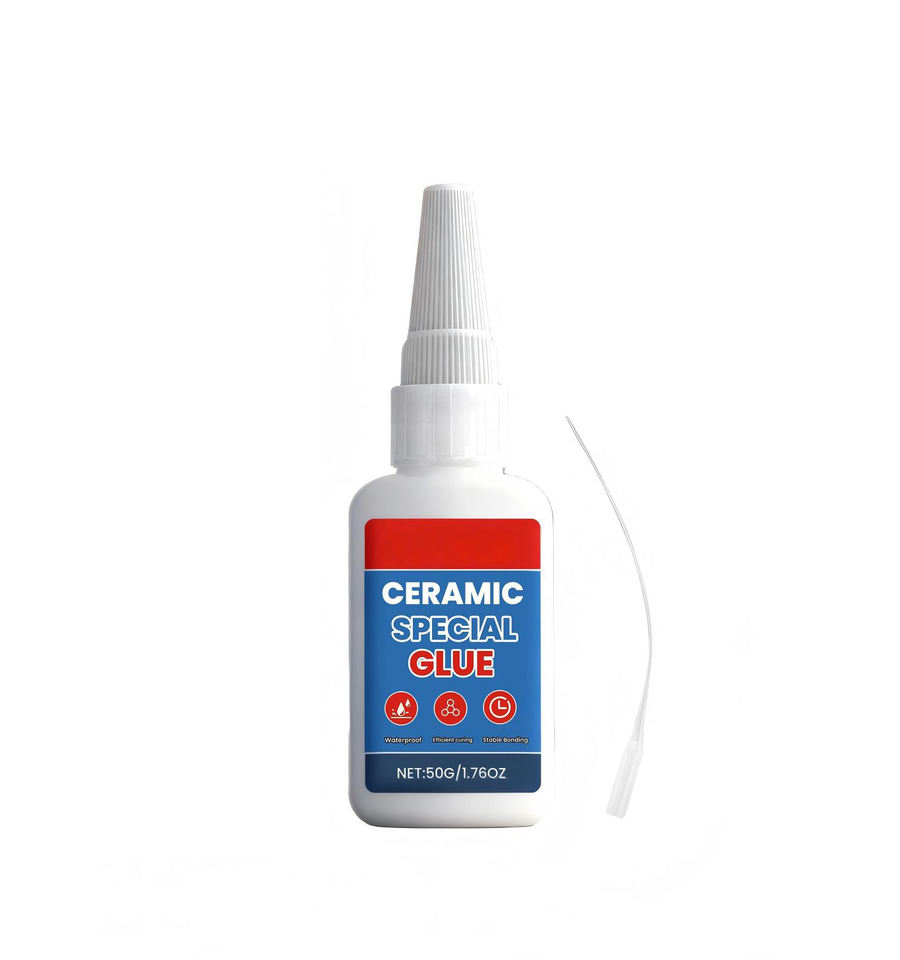
GLE-036 Instant glue
Listed instant glue for bonding between materials. Suitability for your plastic and primer options are confirmed by inquiry.
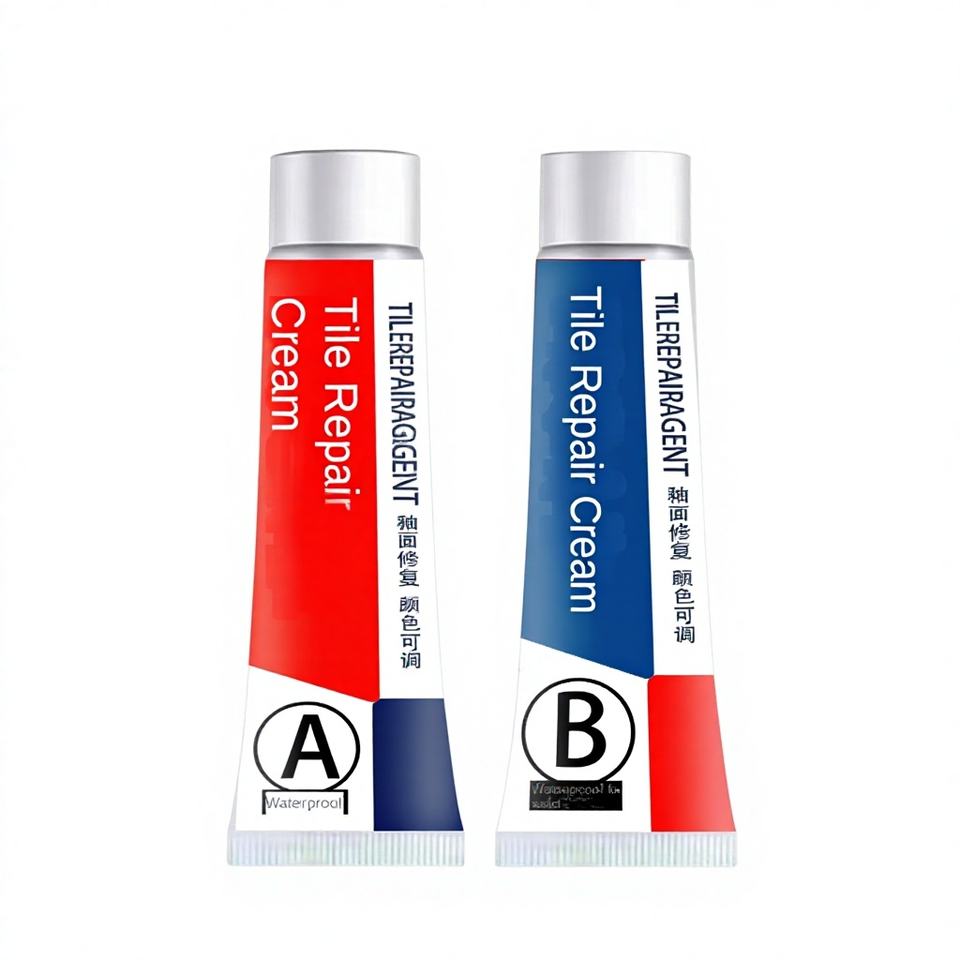
GLE-001 Epoxy resin adhesive
Listed two-part epoxy in sets. Plastic compatibility, cure time and strength data are confirmed by inquiry.
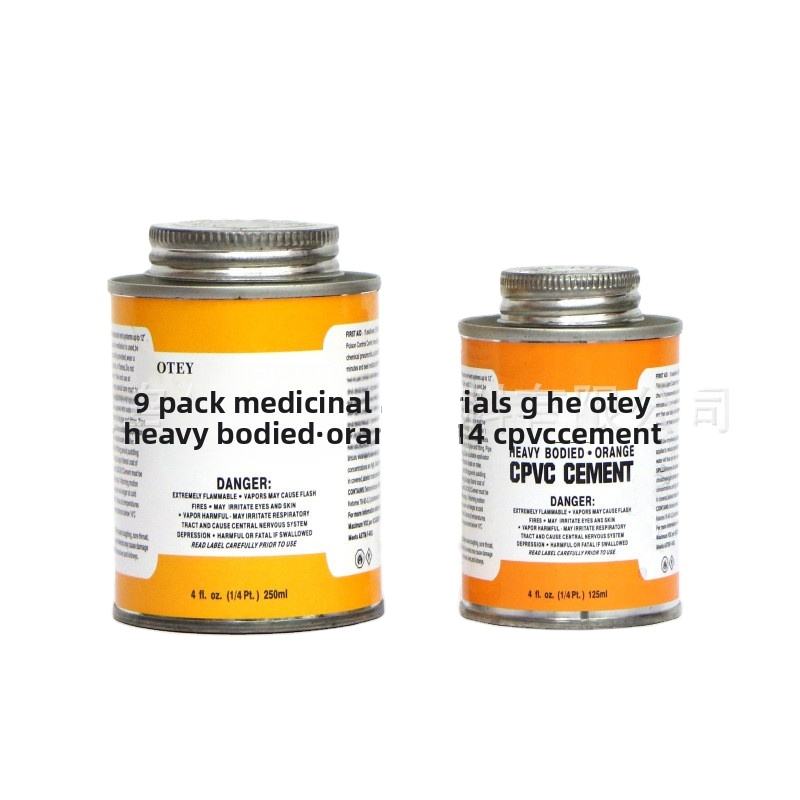
GLE-014 914 PVC pipe glue
Listed PVC pipe glue in cans for PVC systems. Pipe sizes, cure chart and documents are confirmed by inquiry.
Related GlueMFG Resources
- Metal & Plastic Epoxy for Production
- Cyanoacrylate Glue Grades for Assembly
- Rubber Bonding Adhesive Sourcing
- Adhesive Drying and Cure Time for B2B Buyers
- Super glue manufacturer
FAQ
What is the best glue for plastic?
There is no single best glue for every plastic. Rigid plastics such as ABS, PVC and many housings bond well with instant glue or two-part epoxy; PVC and ABS pipe systems use solvent cement made for that plastic; low-surface-energy plastics such as PP and PE usually need a primer, surface treatment or a specialist adhesive. Identify the plastic first, then test the shortlisted glue on your own parts.
Does super glue work on plastic?
Instant glue (cyanoacrylate) bonds many rigid plastics quickly on close-fitting parts. On PP, PE and some soft or plasticised plastics it holds poorly unless a polyolefin primer is used. On clear plastics such as polycarbonate and acrylic it can leave a white haze or cause stress cracking, so test on finished parts before approving a grade.
Why does glue not stick to PP and PE plastic?
Polypropylene and polyethylene have low surface energy, so most adhesives cannot wet the surface well enough to bond. Common fixes are a primer made for polyolefins, flame, corona or plasma treatment, or an adhesive grade sold specifically for low-surface-energy plastics. Confirm the method with the adhesive supplier and test it on production parts.
Can I use PVC cement on other plastics?
Solvent cement works by softening the surfaces of a matching plastic, so PVC cement is made for PVC, CPVC cement for CPVC and ABS cement for ABS. Joining different pipe plastics needs a cement made for that transition where local codes allow it. Solvent cement is not a general glue for PP, PE or mixed-material parts.
Which plastic adhesives can GlueMFG supply?
GlueMFG lists instant glue (for example GLE-036 and GLE-032), two-part epoxy (GLE-001) and PVC pipe glue (GLE-014). Suitability for a specific plastic, primers, test data, SDS and MOQ are confirmed by inquiry: send the plastic type, part photos, joint size and required strength or environment.