An MS polymer / hybrid sealant (SMP) range sits beside silicone and polyurethane for distributors who need paintable facade and construction joints, often with primerless claims on common substrates and a different hazard profile from classic PU. It does not automatically replace silicone on glass or sanitary lines. GlueMFG does not list an MS polymer SKU today; grades, colours and packs are confirmed by inquiry.
Buyers searching for hybrid sealant or MS polymer usually already stock silicone and are deciding whether to add a third chemistry. The returns risk is selling hybrid as “better silicone” into glazing or wet-room bays where customers expected a silicone grade. This guide is for importers, distributors and private-label brands deciding when hybrid belongs in the range and what to ask before ordering.
When Hybrid Helps, and When Silicone Still Wins
| Buyer need | Often choose | Why |
|---|---|---|
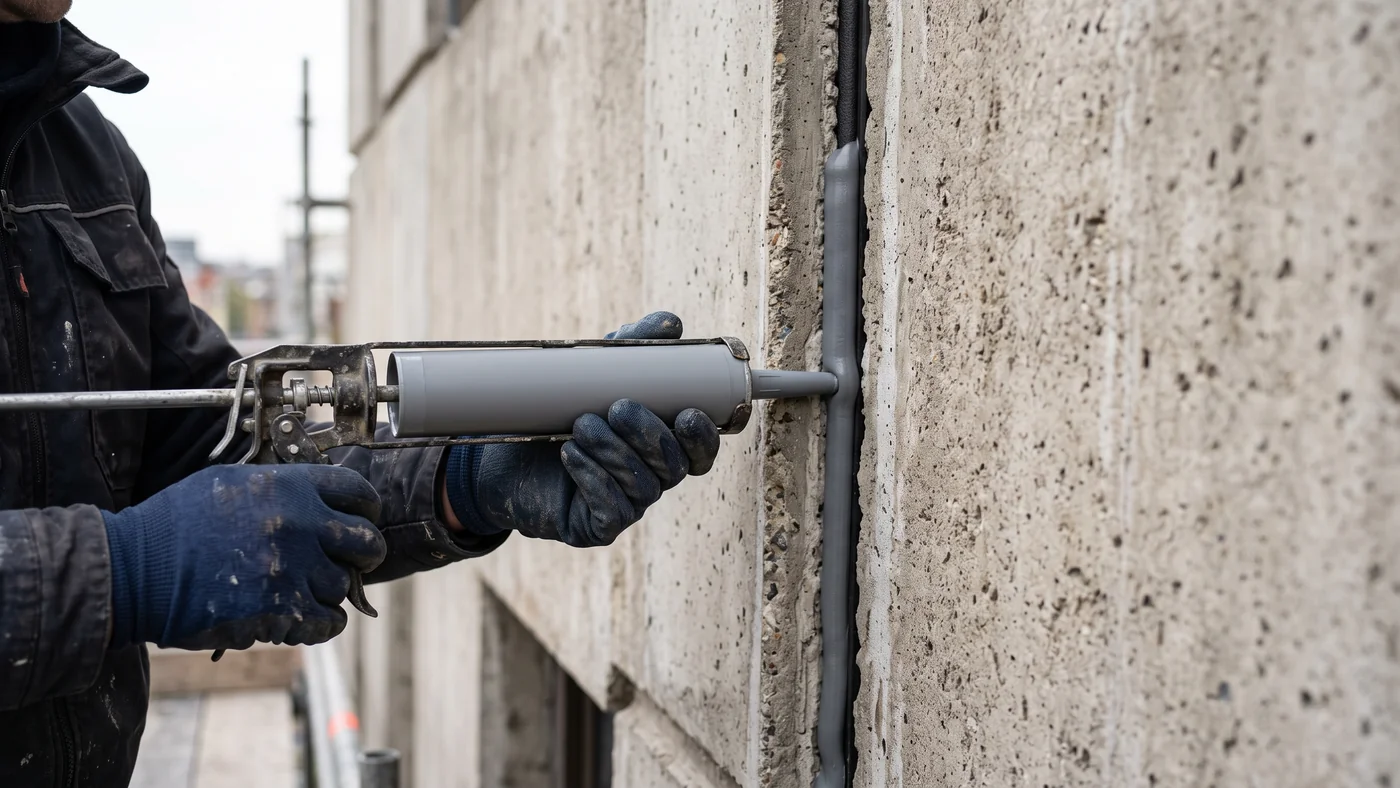
| Paintable facade / construction joints | MS / hybrid | Many hybrids are marketed as paintable after cure; most silicones are not |
| Glass-to-frame window glazing | Silicone | Proven silicone glazing grades; do not swap blindly to hybrid |
| Sanitary wet rooms | Sanitary silicone | Mould-resistant silicone packages; hybrid is a different claim set |
| PU-like joints with different labelling needs | Hybrid (confirm) | Ask for isocyanate and hazard statements on the exact SDS vs your PU line |
| High-movement pure silicone joints | Silicone | Keep the chemistry the customer and specifier already approved |
For silicone vs polyurethane sealant tradeoffs, see PU sealant vs silicone sealant. For window glazing silicone specifically, see window silicone sealant for glazing.
Do not relabel hybrid sealant as silicone, and do not empty the silicone bay because hybrid is paintable. Paintable facade joints and glass glazing joints are different reader jobs. Mixing them on one card causes the wrong cartridge to be sold into window and sanitary channels.
Paintability, Primer and Adhesion Claims
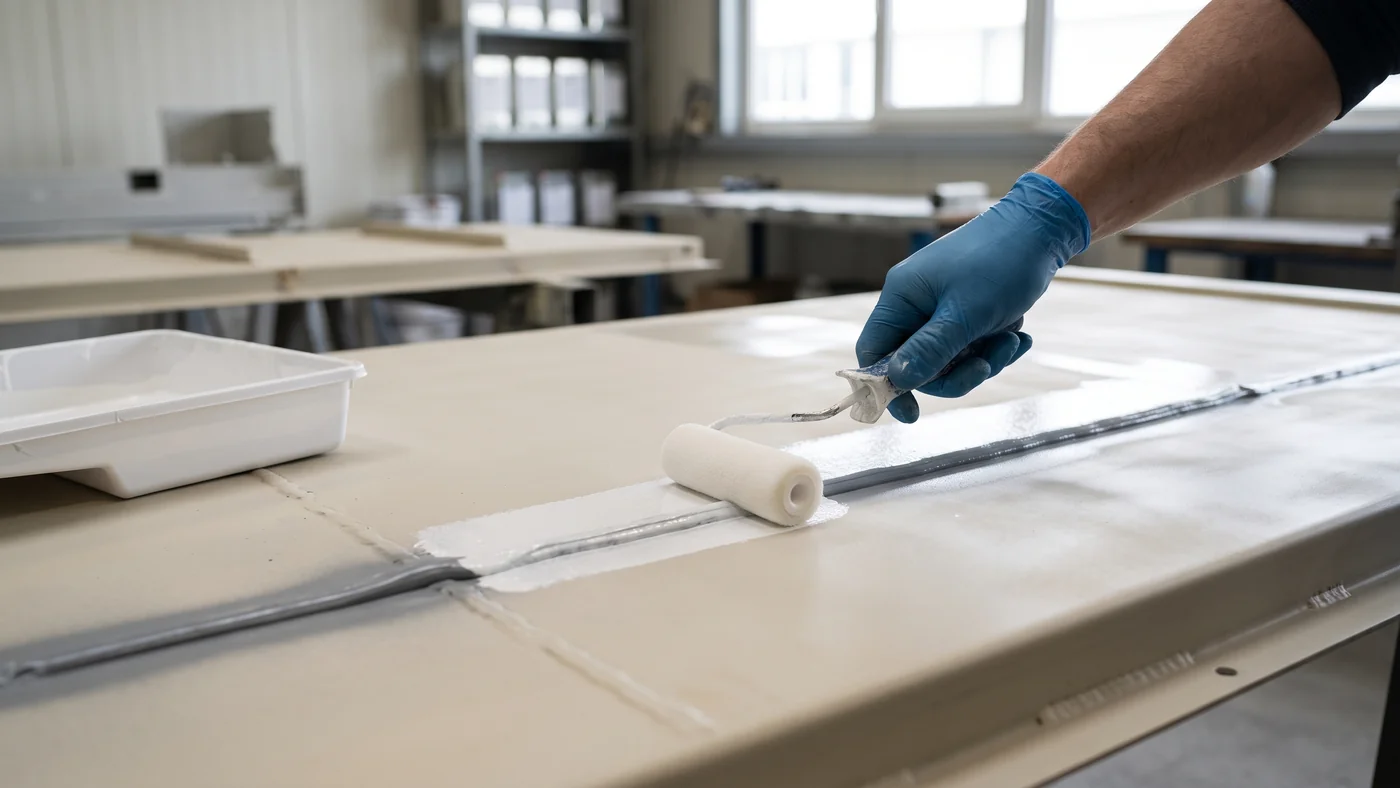
- Paint-over time: ask how long after tooling the supplier allows painting, and which paint systems were tested (water-based, solvent, industrial coatings).
- Primerless claims: many hybrids advertise primerless adhesion on concrete, brick, metals and plastics. Ask which substrates were tested and when a primer is still required (damp, porous, coated or low-energy surfaces).
- Movement capability: facade joints move. Ask what movement class or percentage the supplier will state for that grade.
- Staining and plasticiser: on natural stone and some coated metals, ask about staining risk before approving a grade for those channels.
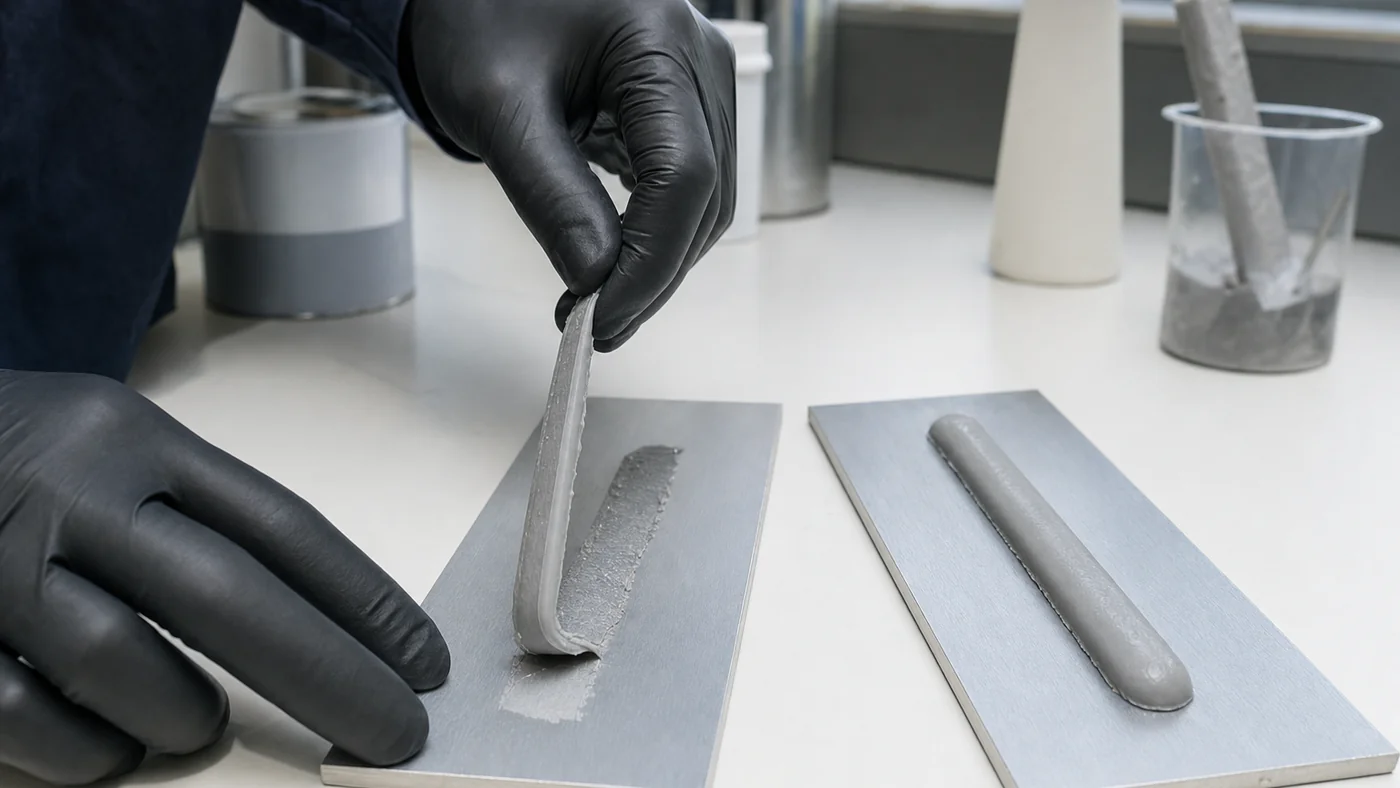
- Compare samples: run a simple peel on your customers' substrates before a container order. See adhesive strength testing for buyers.
Documents, Hazards and Shipping
- SDS Sections 2 and 14: compare hybrid hazard statements with your silicone and PU lines before promising easier shipping or labelling. See how to read an adhesive SDS.
- Isocyanates: classic PU sealants often carry isocyanate-related labelling; hybrids are often marketed as a lower-isocyanate alternative. Confirm on the exact SDS — do not invent a free-from claim.
- Cure and shelf life: ask for skin time, full cure and stated shelf life; moisture-cure packs must stay sealed.
- Colour range: white, grey and black cover most construction joints; custom colours for private label confirmed by inquiry.
Packs and How to Position the SKU
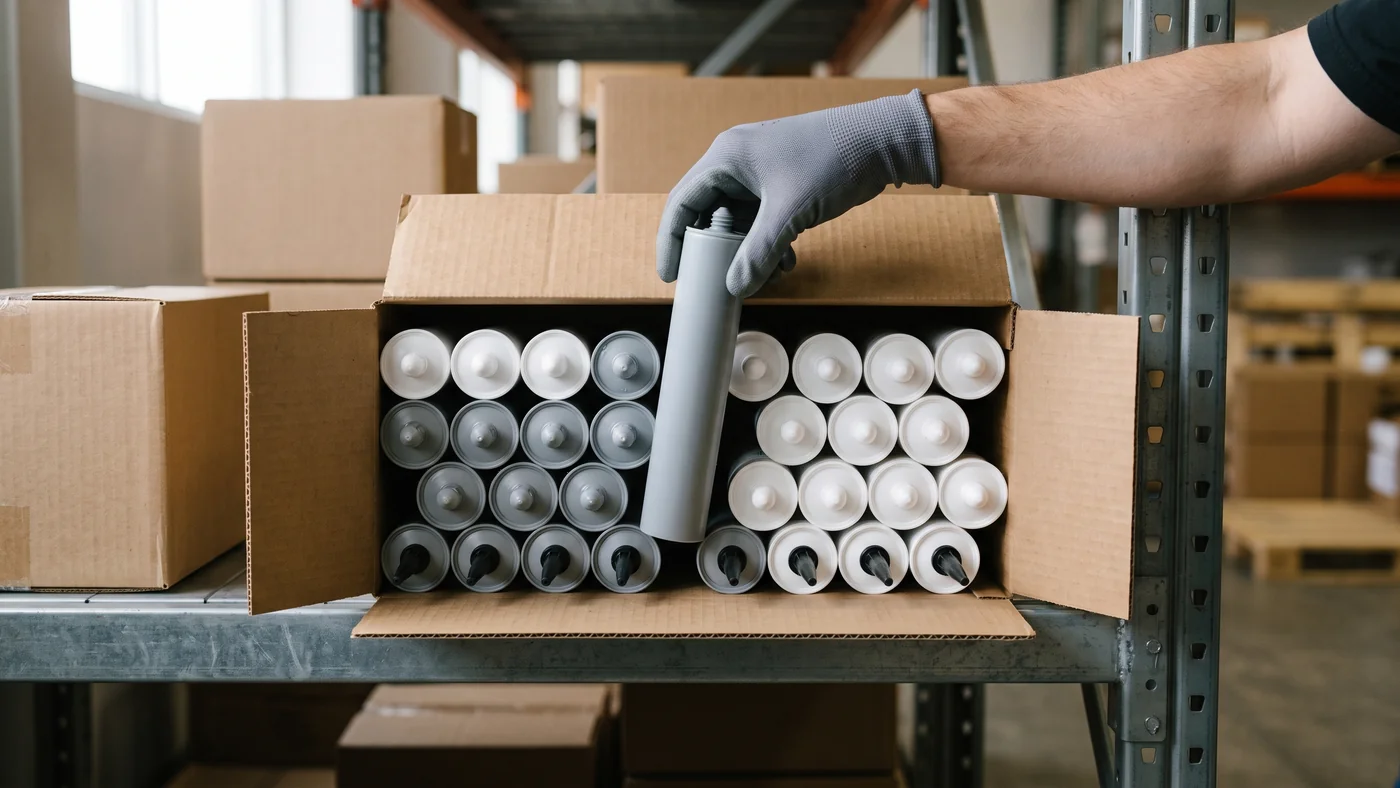
- Pack: 300 ml cartridges for site work; sausages for larger joints. See OEM adhesive packaging options.
- Front-of-pack wording: “hybrid sealant” or “MS polymer” plus the job (paintable facade joint), not only a chemistry code.
- Assortment: keep silicone (glazing, sanitary, weatherproof) and hybrid (paintable construction) as parallel lines with different cards.
- Adjacent PU glue vs PU sealant: structural PU adhesives are a different product family from joint sealants — see polyurethane glue for OEM buyers.
RFQ Checklist for MS Polymer / Hybrid Sealant
- Channel (facade contractor, general construction distributor, private label) and joint types.
- Substrates (concrete, brick, aluminium, steel, PVC, coated metals, stone).
- Must-have claims: paintable, primerless on which substrates, movement capability.
- Requested data: paint-over time and paint types tested, adhesion results, skin/full cure, staining notes.
- Pack: cartridge or sausage; colours; label languages; carton count.
- SDS in your market format, transport classification, stated shelf life.
- Quantity, destination, shipping mode and target price for sample and trial orders.
What GlueMFG Can Support Around This Topic
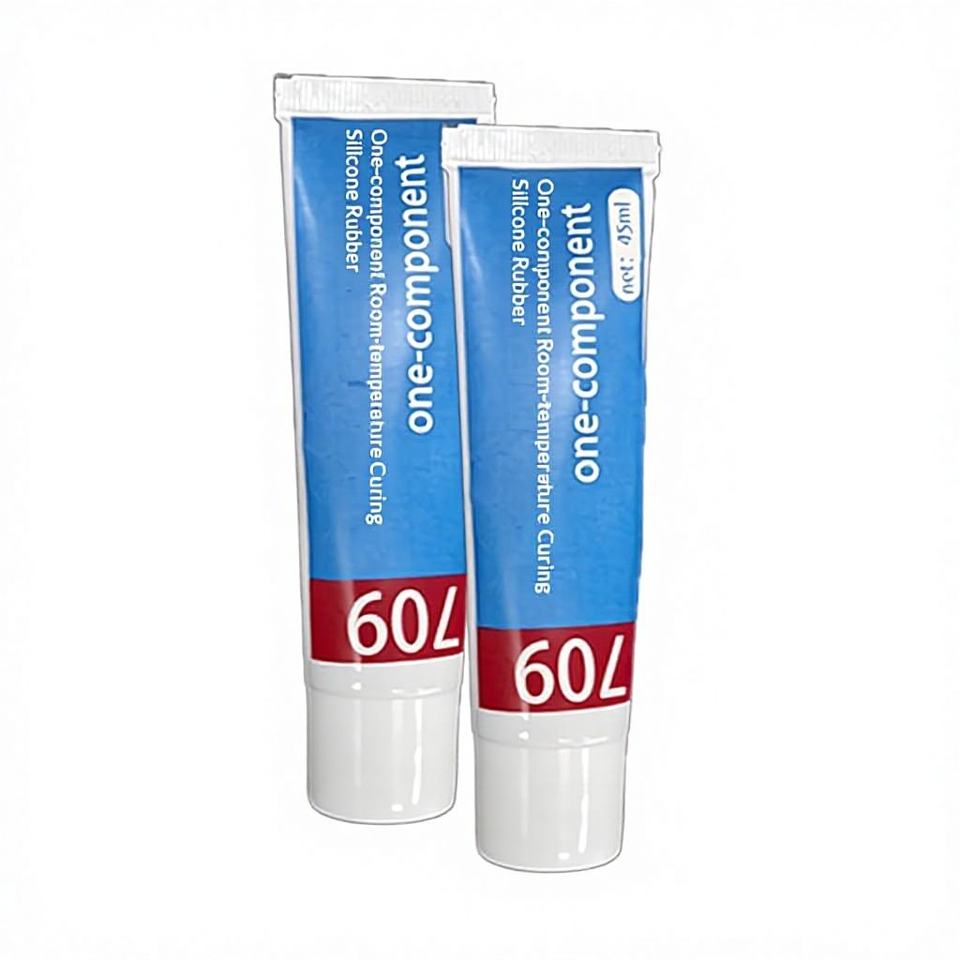
GLE-028 Silicone
Listed silicone for channels that still need a silicone grade (glazing, sanitary, weatherproof). Not an MS polymer.
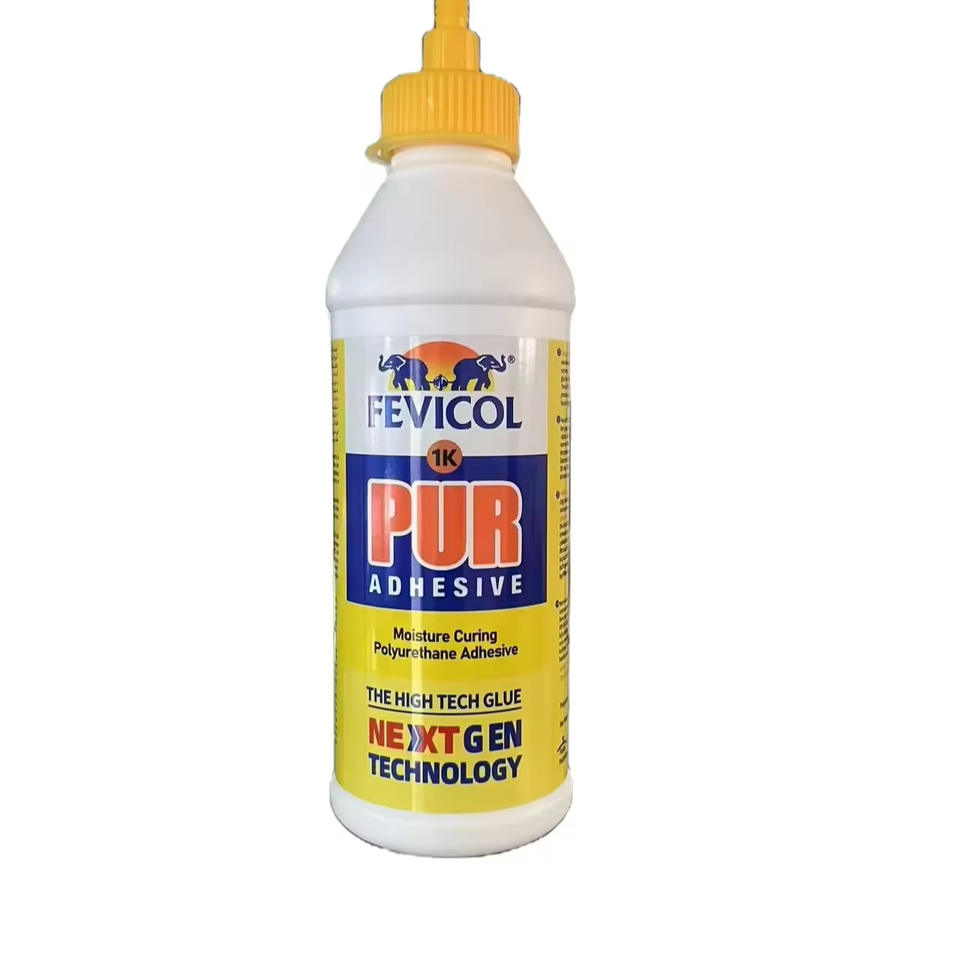
GLE-088 1K PUR glue
Listed moisture-cure PU adhesive — a glue, not a hybrid joint sealant. Useful only as a related PU-chemistry reference.
MS polymer / hybrid by inquiry
Not a listed SKU. Send joint types, colours, pack sizes and markets; availability, SDS, paintability data and MOQ confirmed by inquiry.
Related GlueMFG Resources
- PU Sealant vs Silicone Sealant
- Window Silicone Sealant for Glazing
- Weatherproof Silicone Procurement
- Construction Adhesive Buying Guide
- GlueMFG product catalog
FAQ
What is MS polymer sealant?
MS polymer sealant, also called hybrid or SMP sealant, is a silane-modified polymer joint sealant. Distributors often compare it with silicone and polyurethane because many hybrid grades are marketed as paintable, low-isocyanate relative to classic PU, and primerless on common construction substrates. Always confirm those claims for the exact grade in writing.
Is hybrid sealant the same as silicone?
No. Hybrid/MS polymer is a different chemistry. Silicone stays the default for many glass and high-movement pure-silicone joints; hybrids are often chosen where paintability, different adhesion profiles or PU-like behaviour without classic PU drawbacks matter. Stock and label them as separate SKUs.
Can I paint over MS polymer sealant?
Many hybrid grades are sold as paintable after cure, which is a common reason distributors add them next to silicone. Paintability still depends on the paint system and full cure. Ask for the stated paint-over time and which paint types were tested before printing a paintability claim.
Should hybrid sealant replace silicone in my range?
Not as a blanket swap. Keep silicone for jobs that need a proven silicone grade (many glazing and sanitary lines). Add hybrid where customers ask for paintable facade joints, mixed substrates or a PU alternative. Replacing every silicone SKU with hybrid creates the wrong product in the wrong bay.
Does GlueMFG sell MS polymer or hybrid sealant?
MS polymer / hybrid sealant is not a listed catalog SKU today. GlueMFG lists silicone (for example GLE-028) and PU-related products in other families. If you need hybrid grades, send joint types, colours, pack sizes and markets, and availability, SDS and MOQ will be confirmed by inquiry.