Treat low VOC adhesive as a claim you must be able to prove for one market and one rule. Ask whether it is a VOC content figure or a cured emissions result, which standard or scheme it follows, and get the test report for the exact grade. Water-based does not automatically mean compliant. GlueMFG lists water-based adhesives; VOC figures and reports are confirmed by inquiry.
Buyers in furniture, flooring, construction and retail channels are increasingly asked for “low VOC” proof. Many supplier quotes still say “eco-friendly” or “low odour” with no figure behind them, and the claim falls apart when a customer or inspector asks for the test report. This guide explains the two kinds of VOC claim, which documents to request, and how to keep claims on labels defensible. For water-based vs solvent contact adhesive choices, see contact adhesive solvent vs water-based.
VOC Content vs VOC Emissions

| Claim type | What is measured | Where it is usually asked for | What to request |
|---|---|---|---|
| VOC content | Volatile organic content of the wet product, often in g/L or % | Product rules such as SCAQMD Rule 1168 (parts of California) and China GB 33372 | Figure per grade, test method, the rule category it is compared against |
| VOC emissions | What the cured product releases into the air over time in a test chamber | Building interiors, flooring and furniture schemes such as EMICODE, French VOC labelling, CDPH chamber testing | Chamber test report, lab name, date, product and scheme class |
| Single-substance claims | One substance, such as formaldehyde or a named solvent | Furniture, toys, customer restricted-substance lists | Separate test or declaration for that substance |
| Marketing words | Nothing specific (“eco”, “green”, “low odour”) | Supplier catalogues | Ask for a figure and rule, or do not print the claim |
Do not print “low VOC”, “zero VOC” or a scheme logo on a private-label pack until you hold a test report for that exact grade and market. Some rules exclude water and exempt compounds (in parts of the US, for example, acetone is VOC-exempt), so the same product can show very different numbers under different methods.
Emissions Testing for Interiors, Flooring and Furniture

- Who asks: flooring, interior fit-out, furniture and some project specifiers, often through green-building programmes.
- Report details: lab name, test standard or scheme, product name matching your grade, test date and result class. A report for a “similar” product is not enough.
- Timing and cost: chamber tests take weeks and are paid per product. Agree up front who pays and whether the supplier already holds a report.
- Strength still matters: a compliant adhesive that fails the job is still a return. Keep bond tests in the approval. See adhesive strength testing for buyers.
Water-Based vs Solvent-Based Under VOC Rules
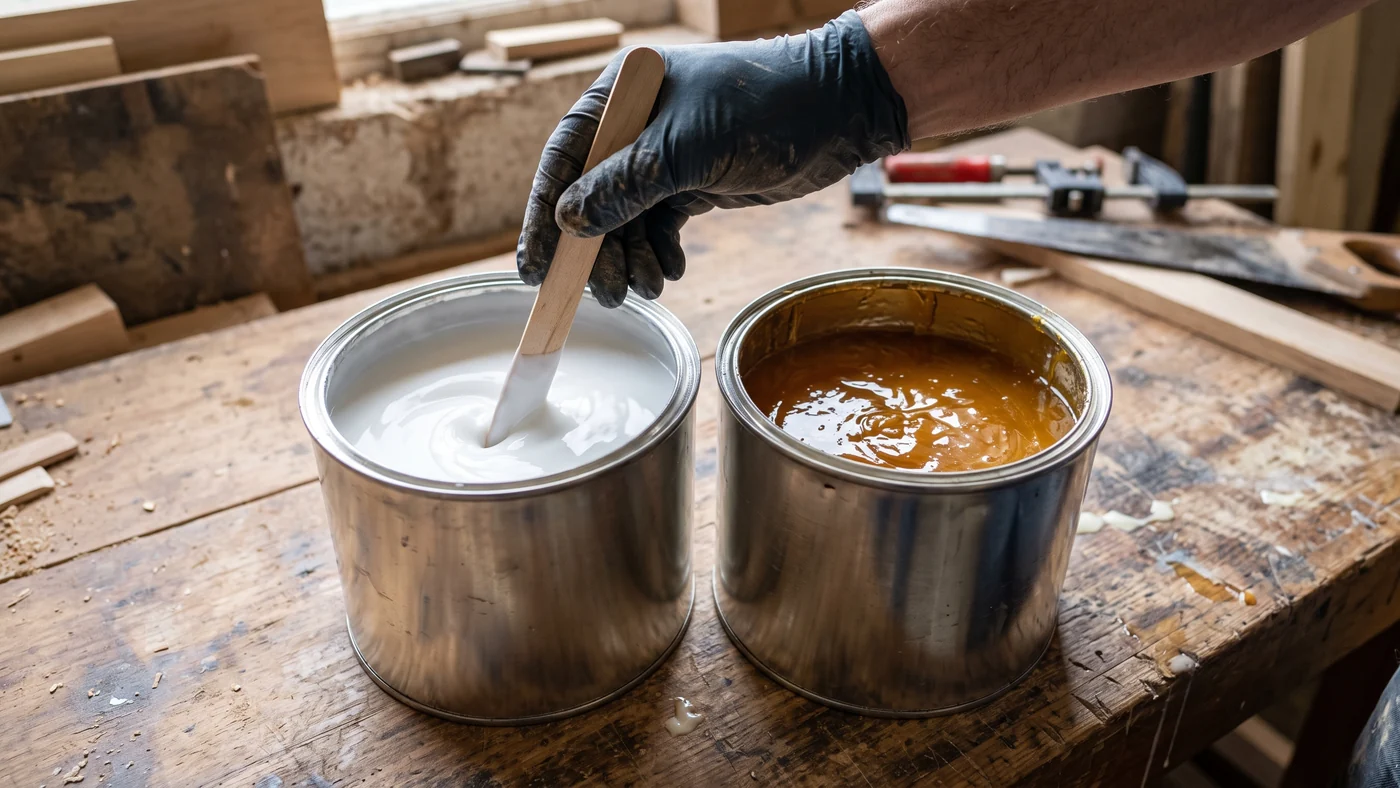
- Water-based: usually far lower VOC content, lower odour and simpler transport. Check freeze protection, drying time and water resistance for the job — see PVA D3/D4 wood glue for wood bonding.
- Solvent-based: fast grab and wide substrate range, but often restricted in tight-limit markets and usually dangerous goods for transport. Some jobs still need them.
- Switching: replacing a solvent contact adhesive with a water-based one changes open time, tack and process. Trial on the real line first. See contact cement vs spray adhesive.
- Hidden VOC: primers, cleaners and accelerators used with the adhesive can carry their own VOC limits. List them in the RFQ.
SDS, Labels and Shipping Documents
- SDS: check Sections 3 and 9 for composition and VOC-related data, and Section 14 for transport. See how to read an adhesive SDS.
- Label claims: print only what the report supports, in the market’s language, with the grade name matching the report.
- Batch changes: ask the supplier to notify you before any raw-material or formula change that could affect VOC results.
- Pack choice: water-based adhesives ship in bottles, pails and IBCs; confirm frost protection for winter shipments. See OEM adhesive packaging options.
RFQ Checklist for Low VOC Adhesive
- Market and channel (country or state, retail, flooring, furniture, project specification).
- Rule or scheme the claim must meet, and whether it is VOC content or emissions.
- Use, substrates and process (open time, drying, water and heat resistance).
- Requested documents: VOC test report per grade, emissions report if needed, SDS in market format, formaldehyde or other substance declarations.
- Change-notification commitment for formula or raw materials.
- Pack, labels and claim wording to be approved before printing.
- Quantity, destination, shipping mode and target price for sample and trial orders.
What GlueMFG Can Support Around This Topic
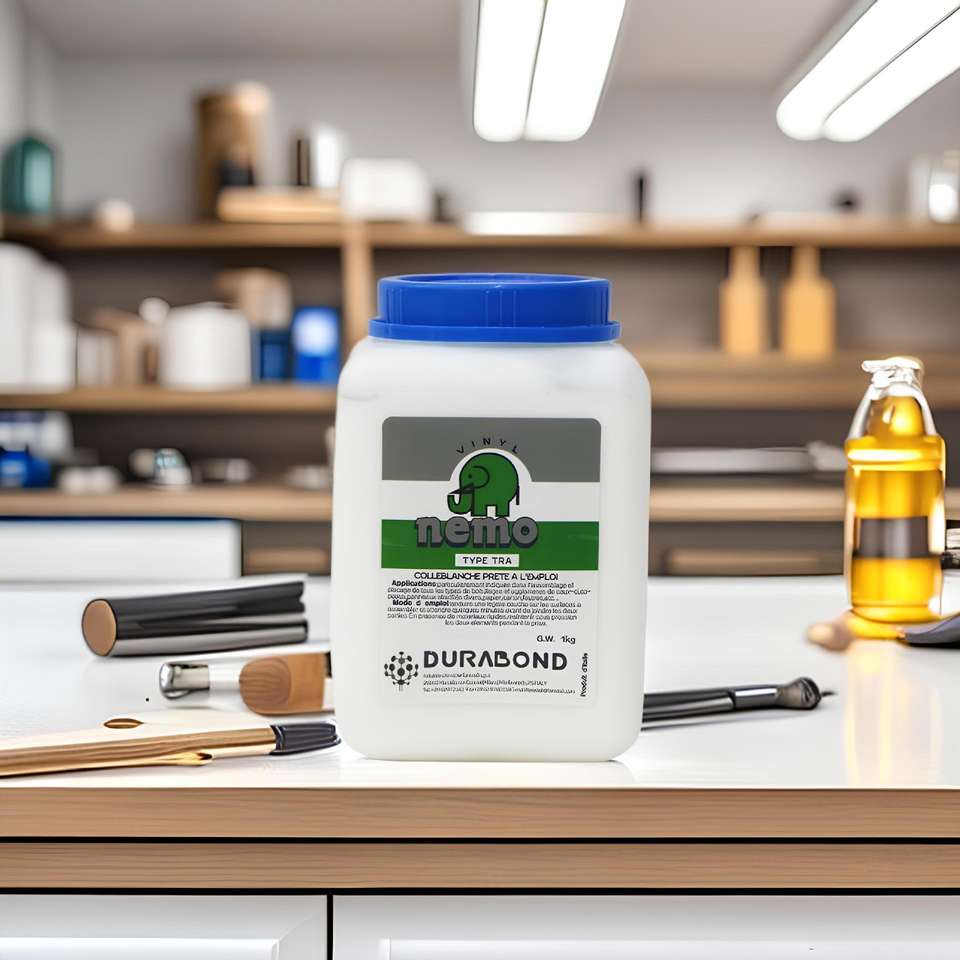
GLE-011 Formaldehyde-free acrylic water adhesive
Listed water-based acrylic adhesive. VOC content figure and any market test report are confirmed by inquiry.
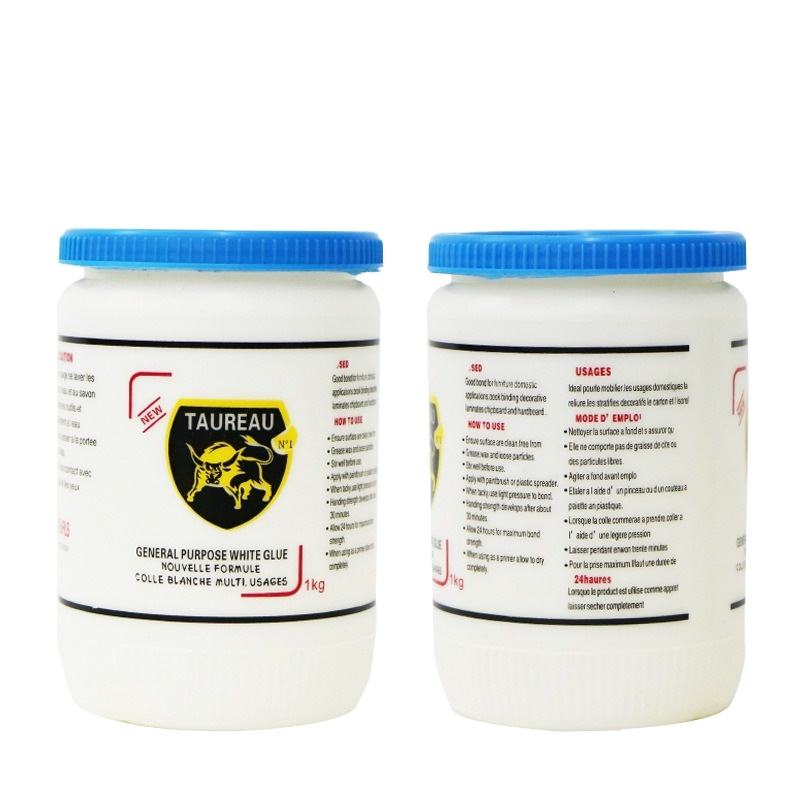
GLE-082 Water-based woodworking adhesive
Listed water-based woodworking glue. Ask for VOC data and water-resistance class for your market.
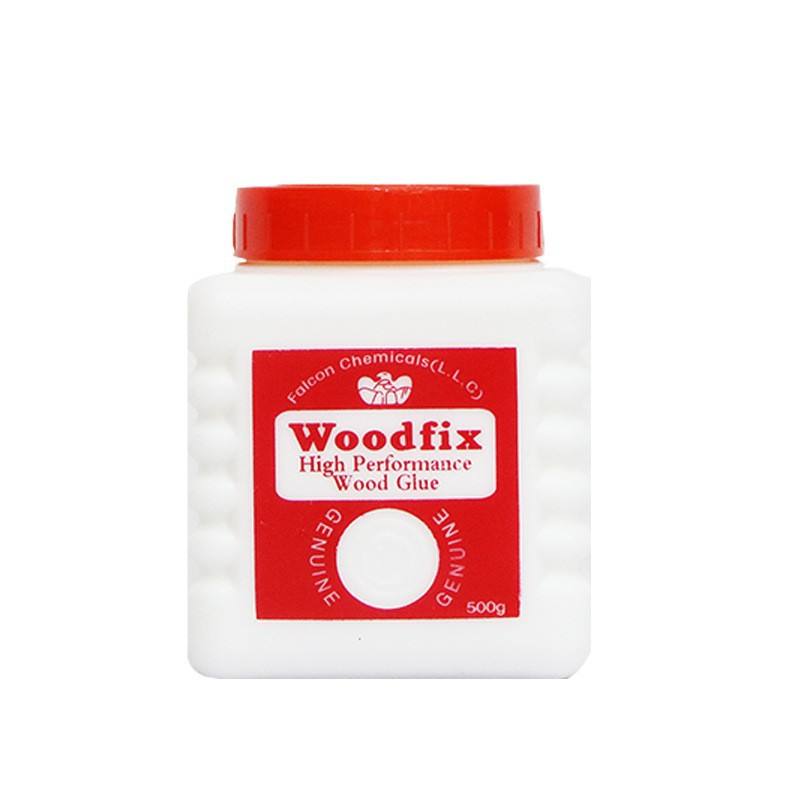
GLE-089 White acrylic wood glue
Listed white wood glue. Low VOC or emissions claims for a named scheme are confirmed by inquiry, not assumed.
Related GlueMFG Resources
- Contact Adhesive: Solvent vs Water-Based
- How to Read an Adhesive SDS
- PVA Wood Glue D3/D4
- Spray Adhesive for OEM and Private Label
- GlueMFG product catalog
FAQ
What does low VOC adhesive mean?
There is no single global definition. A low VOC claim should name the measure and the rule behind it: either VOC content of the product (usually grams per litre or a percentage, tested by a stated method) or VOC emissions from the cured product in a chamber test. Ask the supplier which one the claim refers to and for the test report.
Is water-based adhesive always low VOC?
No. Water-based adhesives usually have much lower VOC content than solvent-based ones, but coalescents, glycols and other additives still count in many methods. A water-based label is not proof; ask for the VOC figure for the exact grade and market.
Which regulations are commonly referenced for adhesive VOC?
Common references include South Coast AQMD Rule 1168 for VOC content of adhesives sold in parts of California, China's mandatory GB 33372 limits for adhesives, and emissions-based schemes for building interiors such as EMICODE, the French VOC emissions label and California CDPH chamber testing. Which one applies depends on the market and channel, so confirm it before quoting.
Is formaldehyde-free the same as low VOC?
No. Formaldehyde-free is a separate claim about one substance. A product can be formaldehyde-free and still exceed a VOC content limit, or meet a VOC limit and still need formaldehyde emissions data for furniture or flooring buyers. Ask for both claims separately if your customers need both.
Does GlueMFG have low VOC adhesives?
GlueMFG lists water-based products such as GLE-011 formaldehyde-free acrylic water adhesive, GLE-082 water-based woodworking adhesive and GLE-089 white acrylic wood glue. VOC figures, test reports and compliance for a named market are confirmed by inquiry: send the market, rule or label scheme, and the use.