A single “drying time” hides four different numbers: open time (how long you can still position the parts), fixture or clamp time (when the joint holds itself), handling time and full cure (when it reaches the data-sheet strength). Drying adhesives lose water or solvent; curing adhesives harden by reaction. Temperature, humidity, gap and substrate move every figure. Ask for each time on the TDS with its test conditions; for GlueMFG products these are confirmed by inquiry.
Buyers hear the same complaint from every channel: the glue “takes too long”, or a part failed because someone loaded it too early. Usually the product was fine and the times were misunderstood. This guide explains the time terms on a data sheet, how instant glue, epoxy, wood glue, contact adhesive, PVC cement and sealants differ, and what to put in the RFQ so the numbers you receive are usable. For single families, see epoxy cure time and silicone sealant cure time.
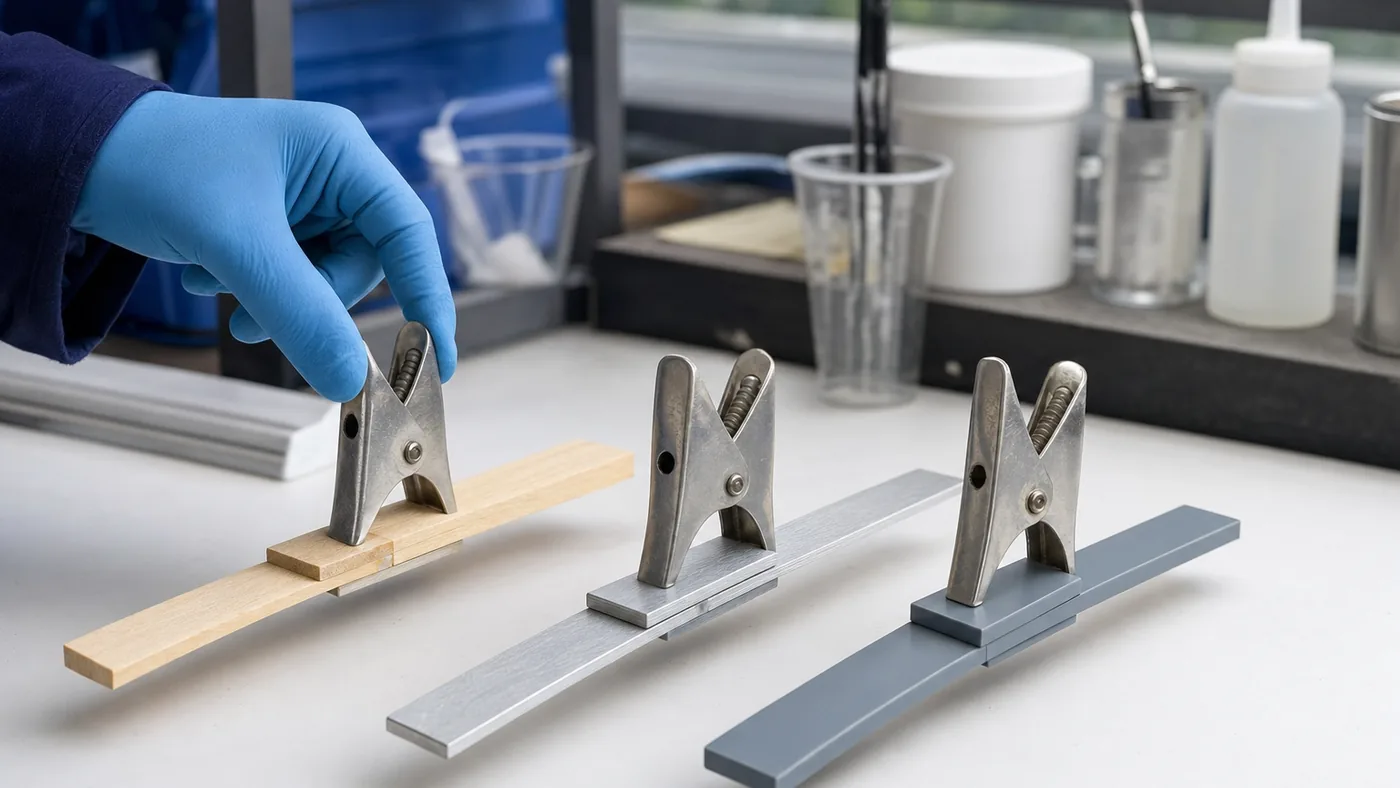
Open Time, Fixture Time and Full Cure: Read the TDS Correctly
| Term | What it means | Why buyers care |
|---|---|---|
| Open time / work life | How long after applying or mixing you can still join the parts | Sets how many parts an operator can glue per batch |
| Fixture / set time | When the joint holds itself without support | Decides line speed and jig or clamp count |
| Clamp time | How long clamps or pressure must stay on | Drives clamp stock and floor space |
| Handling time | When parts can be moved or lightly machined | Determines when the next process can start |
| Full cure | When the bond reaches the data-sheet strength | The earliest point for load, pressure or water testing |
| Family | How it hardens | Typical pattern | Main factors |
|---|---|---|---|
| Instant glue (CA) | Reacts with surface moisture | Fixtures in seconds; strength keeps building for hours | Gap, humidity, substrate, accelerator |
| Two-part epoxy | Resin and hardener react | Work life from minutes to hours by grade; full cure later | Temperature, mass mixed, grade speed |
| PVA wood glue | Water leaves into the wood and air | Clamp time first, full strength later | Temperature, humidity, wood moisture |
| Contact adhesive | Solvent or water evaporates before joining | Wait for tack, then instant grab on contact | Film thickness, airflow, temperature |
| PVC solvent cement | Solvent softens and fuses the pipe surfaces | Sets quickly; cure before pressure test takes longer | Pipe size, temperature, humidity |
| Silicone and moisture-cure sealants | React with air humidity from the surface inward | Skins first, cures through over time by depth | Bead depth, humidity, temperature |
Do not compare “drying times” between suppliers unless the test conditions match. A figure measured warm and humid on steel can be far faster than the same glue in a cold warehouse on plastic.
Instant Glue and Epoxy: Fast Fixture, Slower Full Strength
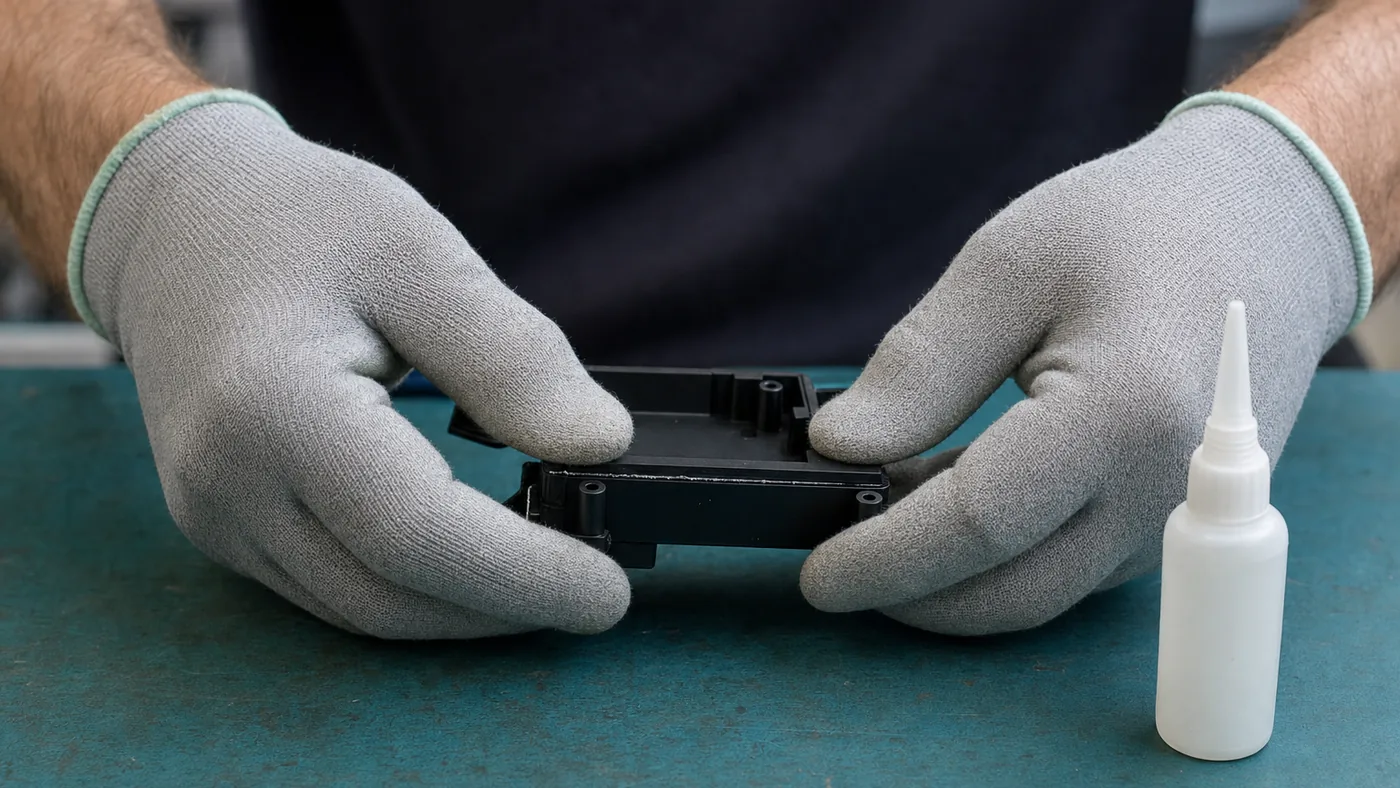
- Instant glue: fixture comes in seconds on tight joints. Gaps, dry winter air and some plastics slow it; accelerators speed it but can affect strength. See CA glue accelerator and activator.
- Epoxy: fast grades give short work life and quick handling; slow grades give time to assemble large parts. Heat speeds both. See fast vs slow cure epoxy.
- Line planning: ask for fixture time on your substrate, not only on steel test pieces.
Wood Glue and Water-Based Adhesives: Clamp Time Depends on the Shop
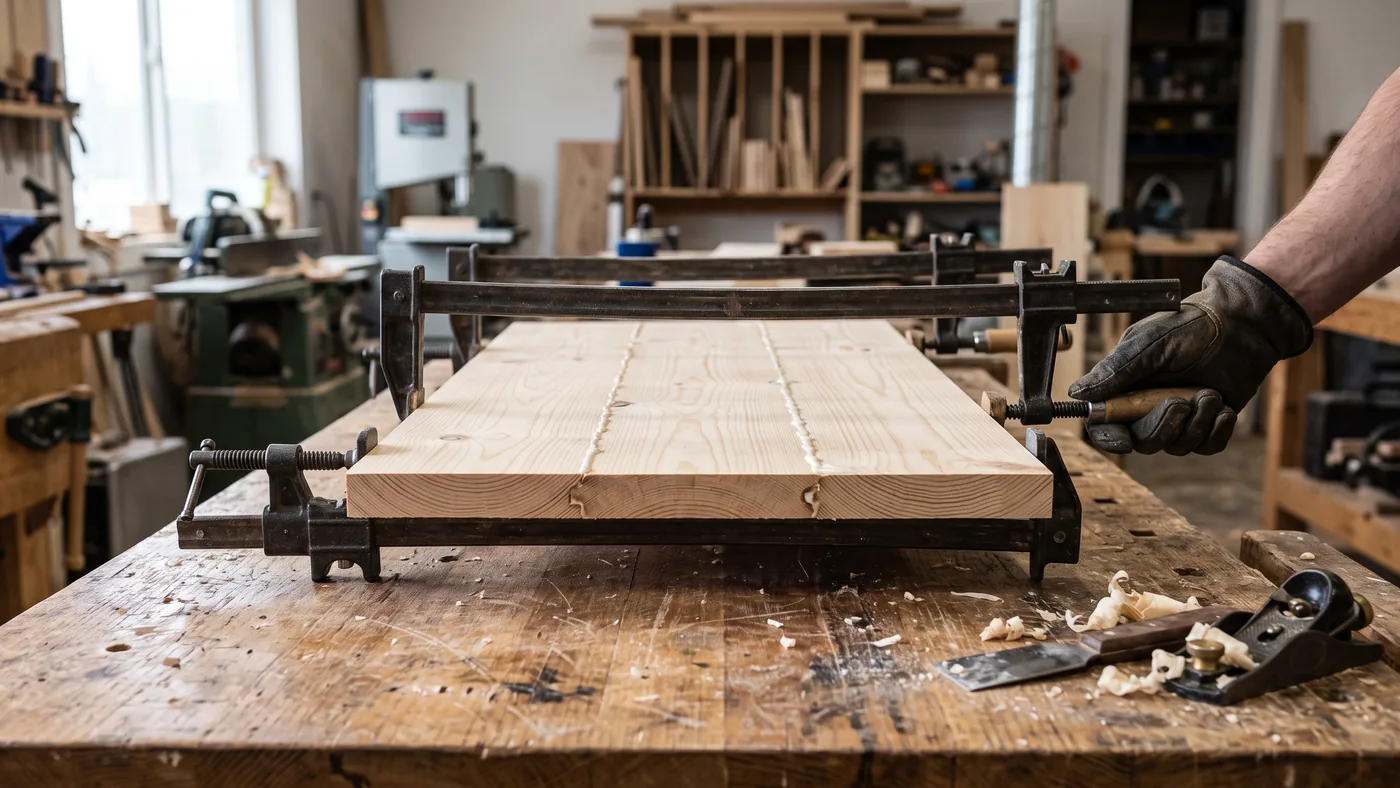
- Clamp time vs full strength: panels can often leave the clamps before they reach full strength. Machining or loading too early is a common cause of open joints.
- Cold and damp shops: low temperature and high humidity slow drying; below the product’s minimum film-forming temperature, the bond may not form properly. Ask for that minimum.
- Water resistance grades: D3 and D4 classes describe water resistance, not speed. See PVA wood glue D3/D4.
PVC Cement, Contact Adhesive and Sealants: Set Is Not Cure
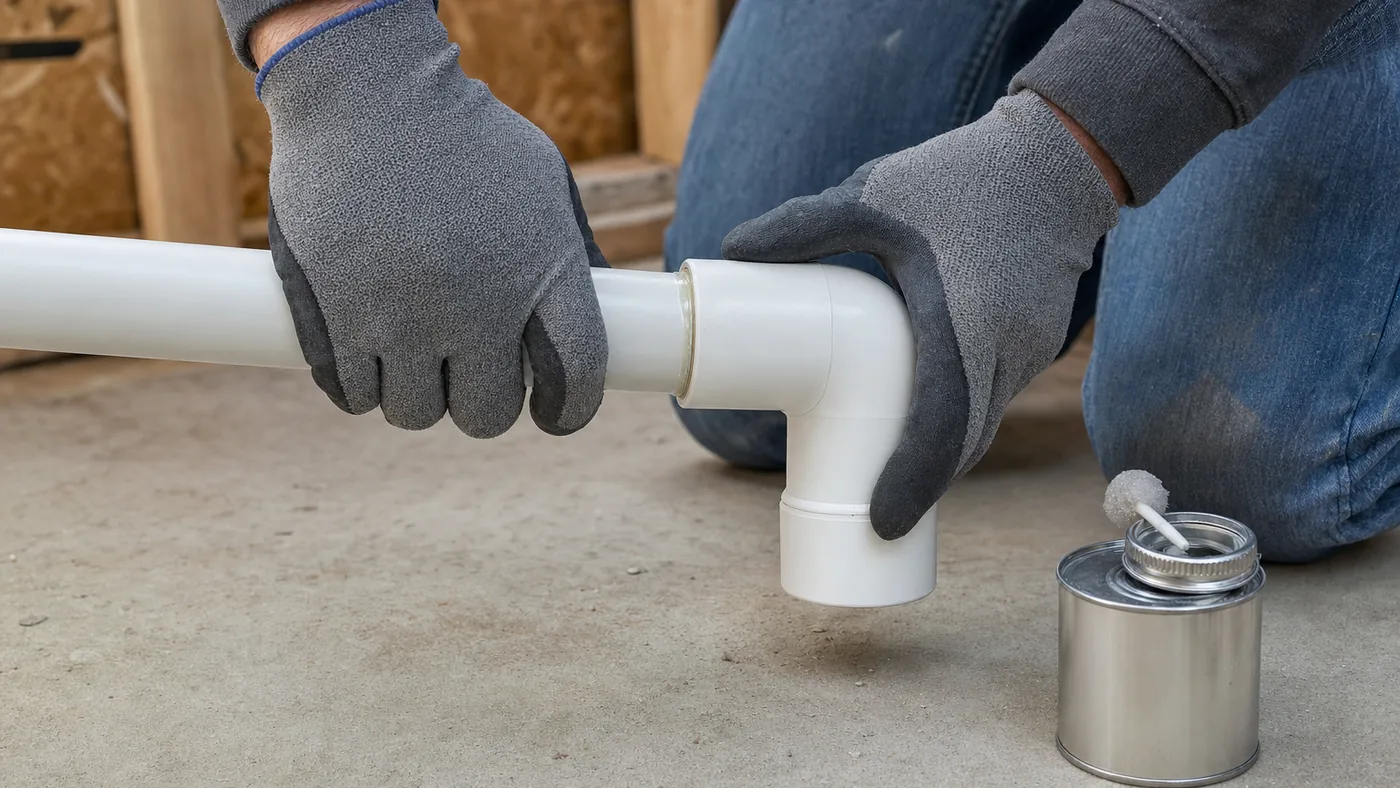
- PVC solvent cement: hold the joint briefly so it does not push back out, then follow the cement maker’s chart for cure time before pressure testing. Larger pipes and cold weather need longer. See PVC pipe glue and solvent cement.
- Contact adhesive: the wait comes before joining, until the film is touch-dry with tack. Joining too early traps solvent and weakens the bond. See contact cement vs spray adhesive.
- Sealants: skin time is not cure time. Deep beads cure much more slowly than thin ones, so ask for cure depth per day on the TDS.
RFQ Checklist: Times You Should Ask For
- Open time or work life, fixture or clamp time, handling time and full-cure time for each product.
- The test conditions behind each figure: temperature, humidity, substrate and gap or bead size.
- Your real conditions: substrates, shop or site temperature range and humidity.
- Minimum application temperature and any accelerator or heat-cure options.
- For pipe and pressure systems: the cure-time chart before pressure testing.
- For retail: the times printed on the pack, in the market language, matching the TDS.
What GlueMFG Can Support Around This Topic
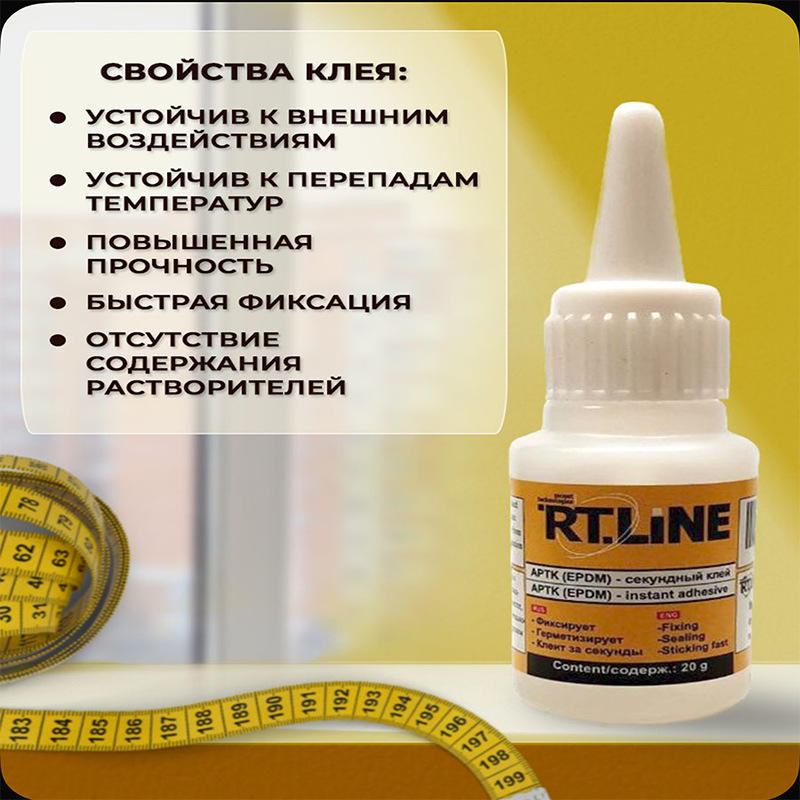
GLE-032 Quick drying super glue
Listed quick-drying instant glue. Fixture and full-cure times on your substrate are confirmed by inquiry.
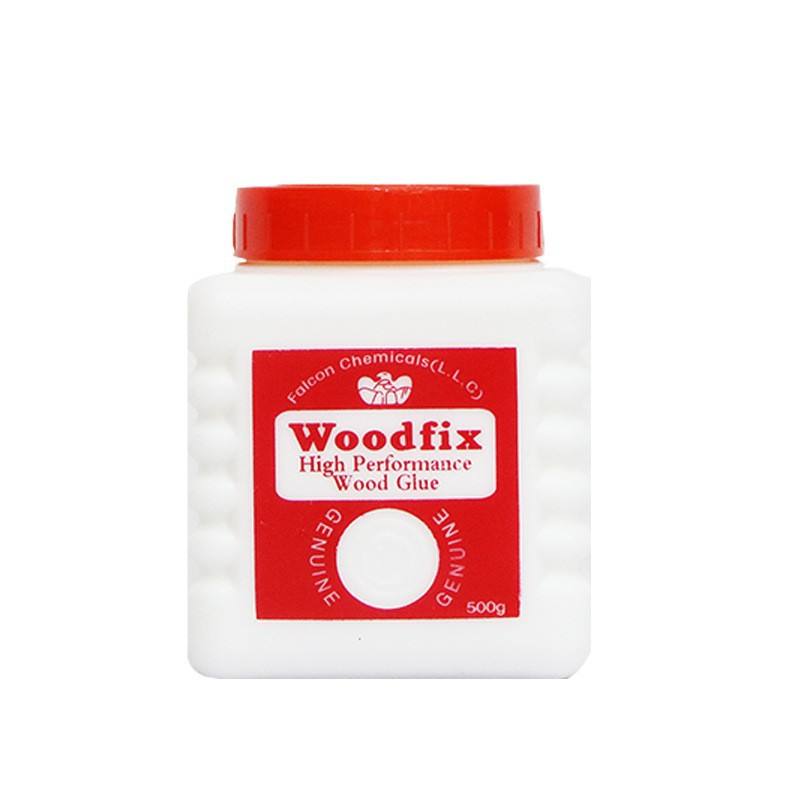
GLE-089 White acrylic wood glue
Listed water-based wood glue. Clamp time, full strength and minimum temperature are confirmed by inquiry.
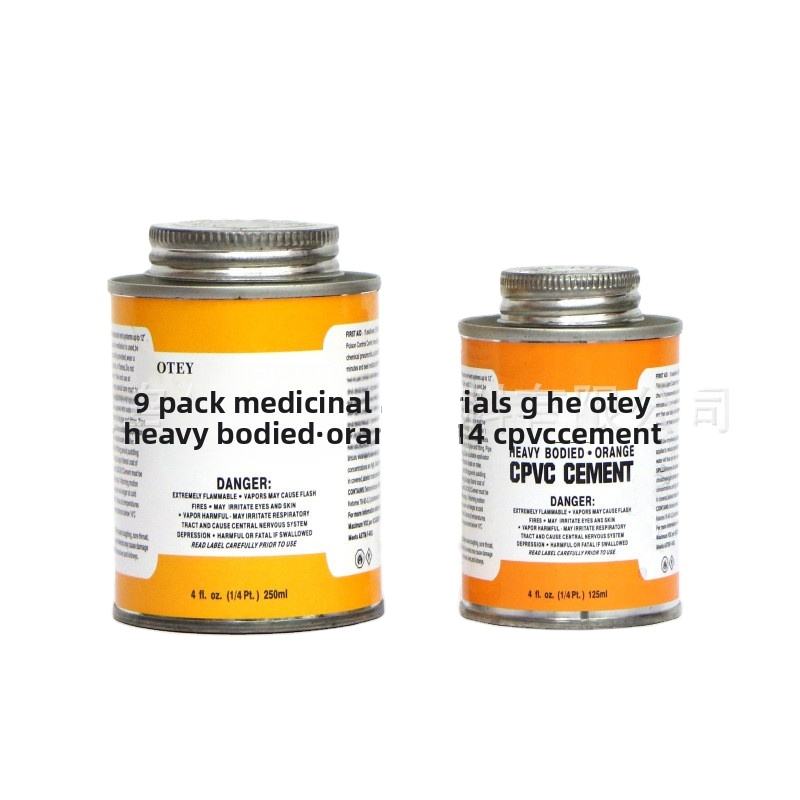
GLE-014 914 PVC pipe glue
Listed PVC pipe glue in cans. Set and cure times before pressure testing are confirmed by inquiry.
Related GlueMFG Resources
- Epoxy Cure Time and Shelf Life
- Silicone Sealant Cure Time
- Fast vs Slow Cure Epoxy for Production
- Adhesive Strength Testing for Buyers
- GlueMFG product catalog
FAQ
What is the difference between drying time and cure time?
Drying means water or solvent leaves the adhesive, as with PVA wood glue, water-based glues and solvent contact adhesive. Curing means a chemical reaction hardens it, as with instant glue, epoxy and silicone. Many products do a bit of both. Data sheets also give separate figures for open time, fixture or clamp time and full cure.
How long does super glue take to dry?
Instant glue usually fixtures in seconds to a minute on close-fitting parts and keeps gaining strength for hours afterwards. Wider gaps, dry air, cold and some plastics slow it down; accelerators speed it up. Use the supplier's TDS for the grade, and test full strength after the stated full-cure time.
How long should wood glue be clamped?
Clamp time for PVA wood glue is usually stated on the TDS and depends on temperature, humidity, wood moisture and joint type. Joints can often leave the clamps well before they reach full strength, so do not machine or load them until the full-cure time has passed.
How long does PVC cement take to cure before pressure testing?
PVC solvent cement sets quickly, but the time before a pressure test depends on pipe size, temperature, humidity and test pressure. Follow the cement maker's cure-time chart for the specific product and system rather than a single number.
Can GlueMFG provide cure and drying times for its products?
Yes. Open time, fixture or clamp time and full-cure time are confirmed per product by inquiry, with the TDS and the test conditions behind each figure. Tell GlueMFG your substrates, temperature and humidity range so the data matches your use.