Build a spray adhesive range by spray pattern (mist vs web), chemistry (solvent vs water-based), VOC and transport class, and can size — not by a single “multipurpose” label. Use spray adhesive for large-area foam, fabric and temporary hold jobs; keep brushed contact cement as a separate SKU for laminate bonding. GlueMFG lists contact adhesives and a sealer spray; a dedicated spray-adhesive grade is confirmed by inquiry.
Search volume for spray adhesive is high, and most of it is buying intent. Distributors and private-label brands still get returns when a mist can is sold into a foam job that needed web spray, or when VOC and aerosol shipping were never priced. This guide is the OEM and private-label sourcing path. For whether to use spray or brushed contact cement on a given line, see contact cement vs spray adhesive.
Stock Spray Adhesive by Pattern and Job

| Pattern / pack | Typical jobs | What to ask for | Common mistake |
|---|---|---|---|
| Mist / fine spray | Thin fabrics, close-fitting foam wraps, light temporary hold | Coverage per can, open time, reposition window | Using mist on deep porous foam that needs strands |
| Web / lace spray | Upholstery foam, insulation boards, porous substrates | Strand weight, grab, heat resistance if relevant | Selling web spray for thin decorative laminates |
| Bulk spray system | High-volume furniture and foam plants | Hose gun, pressure, solids, cleanup solvent | Assuming an aerosol formula transfers 1:1 to bulk |
| Brushed contact cement | High-pressure laminate, edge banding, permanent contact bonds | Open time, solids, solvent system | Substituting aerosol spray for a true contact-cement laminate job |
Do not print “replaces contact cement” on a general spray can unless the supplier’s data and your own laminate peel tests support it. Permanent high-pressure laminate bonds usually stay on brushed or rolled contact cement (see contact adhesive solvent vs water-based).
Mist vs Web, Coverage and Open Time
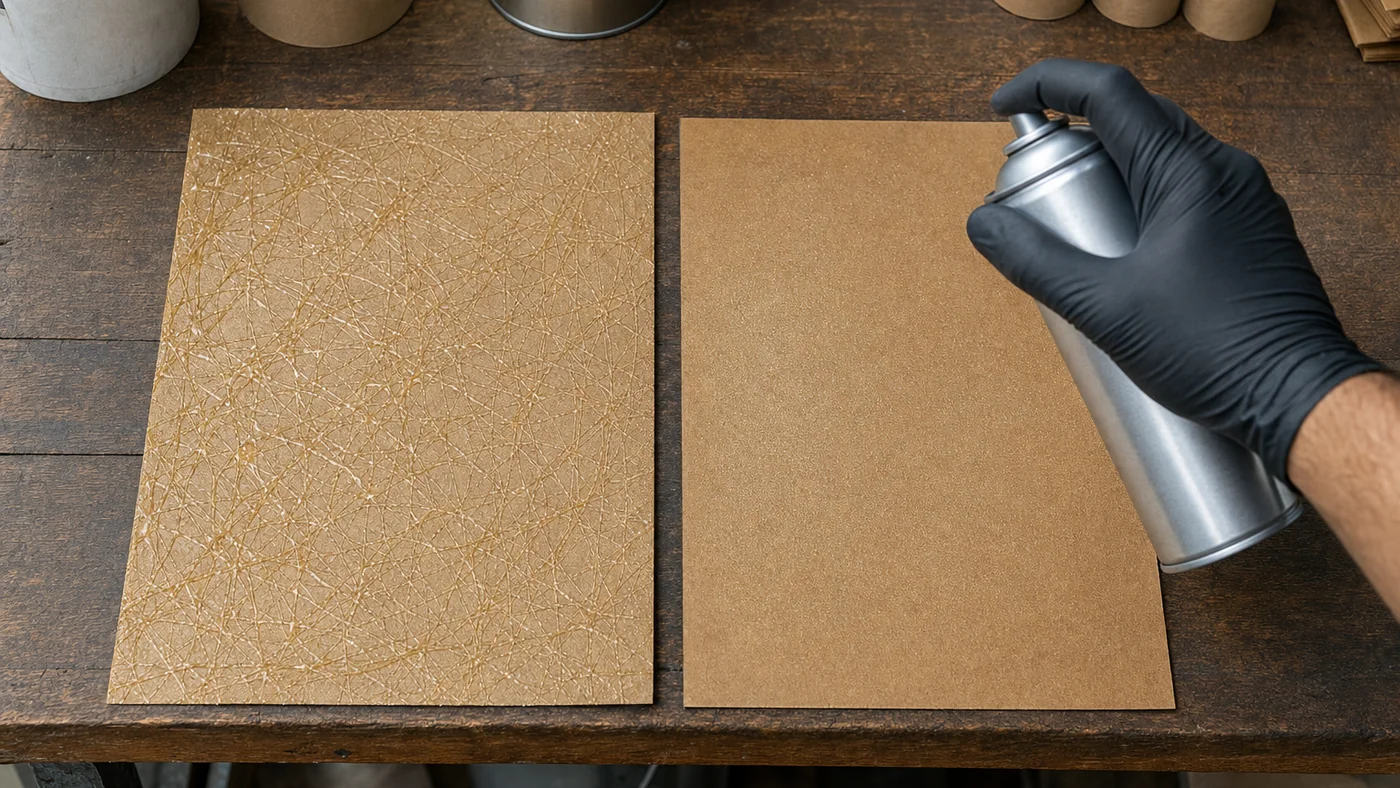
- Pattern: mist for film; web for grab and bridging. Ask the supplier which pattern each formula produces and keep the names on the front label.
- Coverage: ask for stated coverage (m² per can or per kg) at the recommended spray distance, and run your own foam and fabric trials before a private-label print run.
- Open time and reposition: some grades allow a short reposition window; others grab immediately. Match the grade to the operator’s process, not to a generic “fast” claim.
- Heat and plasticiser: foam and vinyl can soften adhesives. Ask for heat resistance and plasticiser resistance in writing when the channel is furniture or automotive trim.
VOC, Spray Booth Practice and SDS

- VOC: solvent spray adhesives can be restricted in some regions. Ask for the VOC figure the supplier will put on the SDS and label for your destination market.
- Water-based spray: lower odour and different grab; confirm freeze protection, shelf life and whether it truly sprays as mist or web from the can you will sell.
- Operator practice: distance, pass count and flash-off change bond strength. Put a short process note in the carton, not only marketing copy.
- SDS: read Sections 2, 3, 8 and 14 before quoting. See how to read an adhesive SDS.
Aerosol Packs, Private Label and Shipping
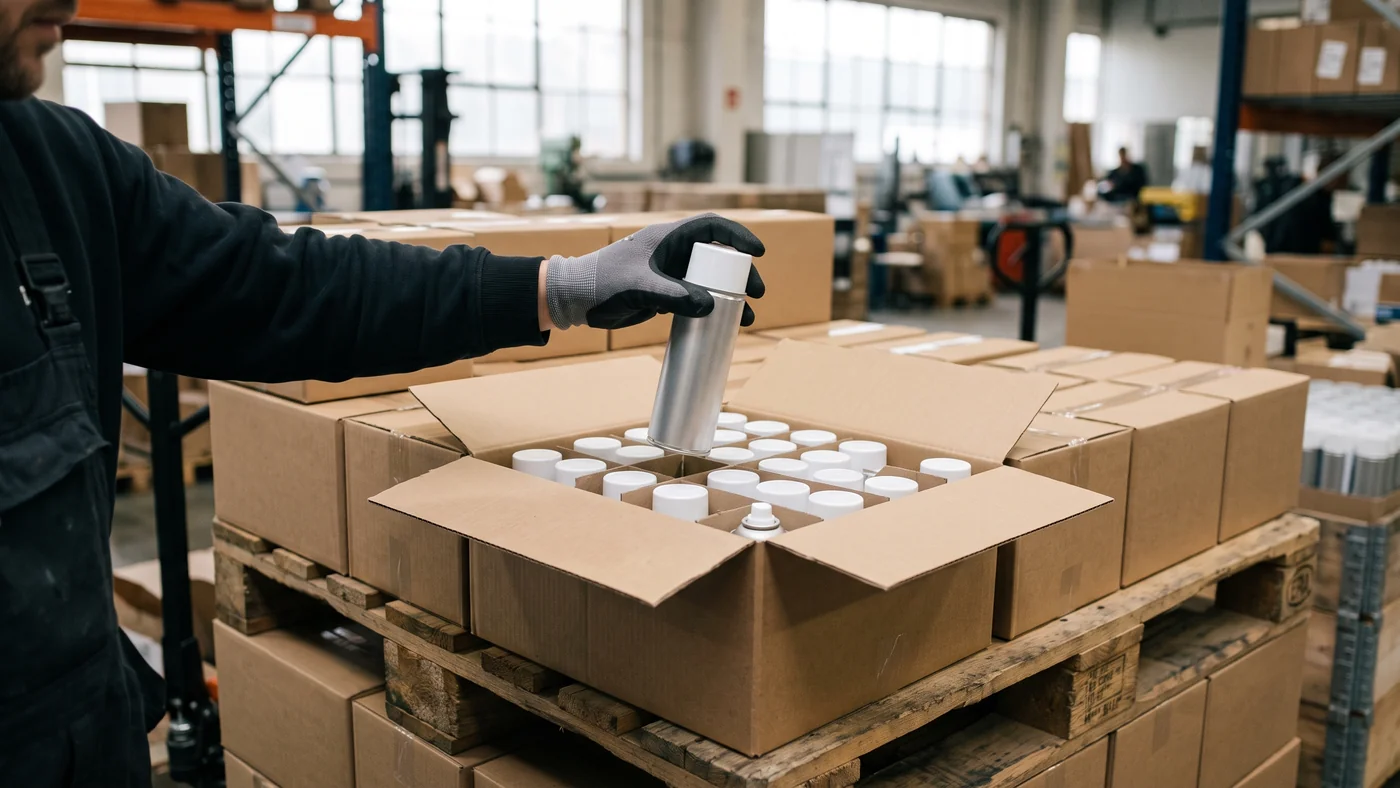
- Can size: common retail sizes are around 300–500 ml net; contractor sizes run larger. Confirm net contents and spray-out yield, not only can volume.
- Private label: lock pattern name, VOC claim, hazard pictograms and language set before printing. See OEM adhesive packaging options.
- Transport: filled aerosols are often dangerous goods (limited quantity). Get Section 14 and the shipping name before you price a container.
- Shelf life: ask for stated unopened shelf life and storage temperature; rotate stock first-in, first-out.
RFQ Checklist for Spray Adhesive
- Channel (upholstery, foam fabrication, insulation, packaging, private label) and substrates.
- Pattern needed: mist, web/lace, or bulk spray system.
- Chemistry: solvent or water-based; VOC target for the destination market.
- Performance: coverage, open time, heat and plasticiser resistance, reposition window.
- Pack: net contents, can diameter, cap, carton count, label languages.
- SDS in market format; transport class and limited-quantity options (Section 14).
- Quantity, destination, shipping mode and target price for sample and trial orders.
What GlueMFG Can Support Around This Topic
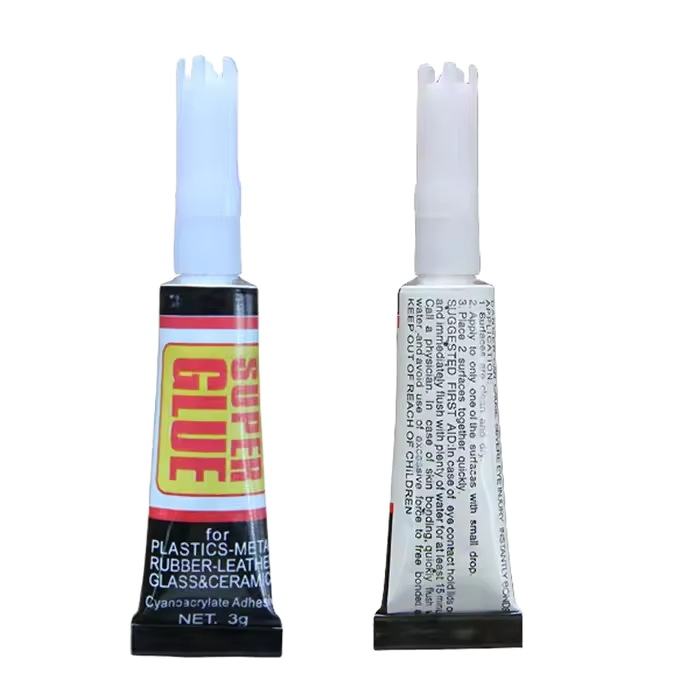
GLE-005 Acrylic contact adhesive
Listed contact/acrylic adhesive for brushed or rolled contact bonds — keep beside spray, not as a substitute without testing.
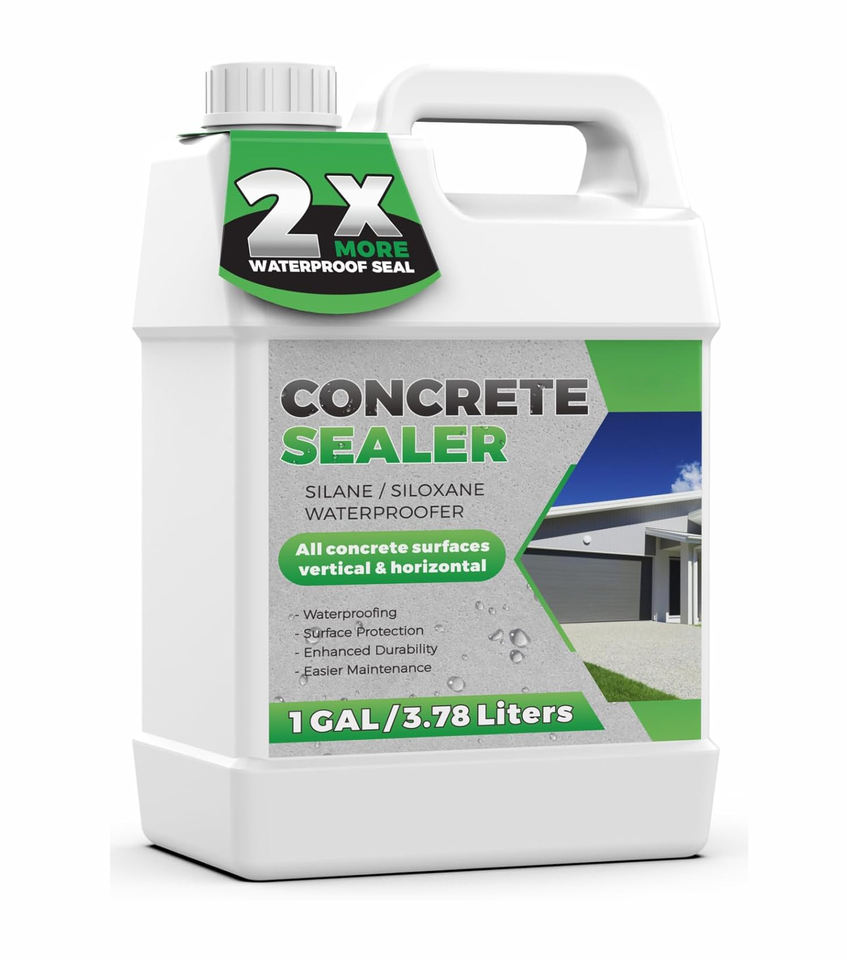
GLE-021 Sealer spray
Listed spray-format sealer. Not a foam/upholstery spray adhesive; useful only when the RFQ is truly a sealer spray.
Spray adhesive by inquiry
Dedicated mist or web spray-adhesive grades are not separate listed SKUs. Send pattern, substrates, VOC target, can size and markets; availability, SDS and MOQ confirmed by inquiry.
Related GlueMFG Resources
- Contact Cement vs Spray Adhesive
- Contact Adhesive: Solvent vs Water-Based
- OEM Adhesive Packaging Options
- How to Read an Adhesive SDS
- GlueMFG product catalog
FAQ
What is spray adhesive used for in production?
Spray adhesive is used to bond large or irregular surfaces quickly: foam to fabric in upholstery, foam insulation boards, temporary positioning of laminates, and some packaging and display jobs. Buyers choose between mist patterns for thin even coats and web or lace patterns for heavier hold and bridging gaps.
What is the difference between mist spray and web spray adhesive?
Mist spray lays a fine even film suited to thin fabrics and close contact. Web or lace spray throws thicker strands that bridge porous foam and give higher initial grab. Stock both patterns if you sell to foam fabricators and to furniture or insulation channels, and print the pattern type on the front of the pack.
Is spray adhesive the same as contact cement?
No. Contact cement is usually brushed or rolled, builds a thick film and needs open time before mating. Spray adhesive is applied as an aerosol or bulk spray and is chosen for speed and coverage on large areas. Some jobs can use either; many cannot. See the contact cement vs spray adhesive guide for the chemistry and process choice.
What should distributors ask about VOC and shipping for spray adhesive?
Ask for the VOC content the supplier will state for your market, whether the formula is solvent-based or water-based, the flash point, and SDS Section 14 for transport class of the filled aerosol. Aerosols often ship as limited-quantity dangerous goods; price freight into the landed cost before you quote retail.
Does GlueMFG sell spray adhesive?
GlueMFG lists contact and acrylic adhesives (GLE-005 to GLE-011) and a concentrated sealer spray (GLE-021), but a dedicated foam or upholstery spray-adhesive SKU is not listed today. Send pattern type, substrates, VOC target, can size and markets, and availability, SDS and MOQ will be confirmed by inquiry.