Buy high-temperature epoxy adhesive against four numbers: continuous service temperature, short peak temperature, glass transition temperature (Tg) and strength measured at that temperature. Confirm the cure schedule, because many grades only reach their heat rating after a heat cure or post-cure. If the job is sealing a hot flange, high-temperature silicone is usually the better product. GlueMFG lists general epoxies; a high-temperature grade is confirmed by inquiry.
Searches for heat-resistant glue and high-temperature epoxy come from OEMs, MRO buyers and distributors who have seen an ordinary two-part epoxy soften on a hot part. A five-minute epoxy from the repair aisle is not built for continuous heat. This guide helps buyers define the heat job, ask for the right data, plan the cure and decide when epoxy is the wrong chemistry.
Define the Heat Job Before Choosing the Glue

| Job | Usual chemistry | What to specify |
|---|---|---|
| Rigid bond that carries load on a hot part | High-temperature epoxy | Service and peak temperature, Tg, lap shear at temperature, cure schedule |
| Seal a hot flange or gasket face | High-temperature silicone / RTV gasket maker | Continuous and peak temperature, oil and coolant contact, flange gap |
| Fill or repair metal that runs hot | Metal-filled epoxy putty rated for heat | Temperature rating, machinability, substrate |
| Very high temperature (furnace, exhaust manifold) | Ceramic / inorganic adhesive or mechanical fixing | Rating in writing; organic adhesives are usually unsuitable |
Do not sell a fast-setting general two-part epoxy as "heat resistant" because it survived a hot-water test. Do not use epoxy to seal a flexing exhaust or engine flange; use a documented high-temperature silicone or gasket maker (see high-temperature silicone sealant and RTV gasket maker vs silicone).
Service Temperature, Tg and Strength at Temperature
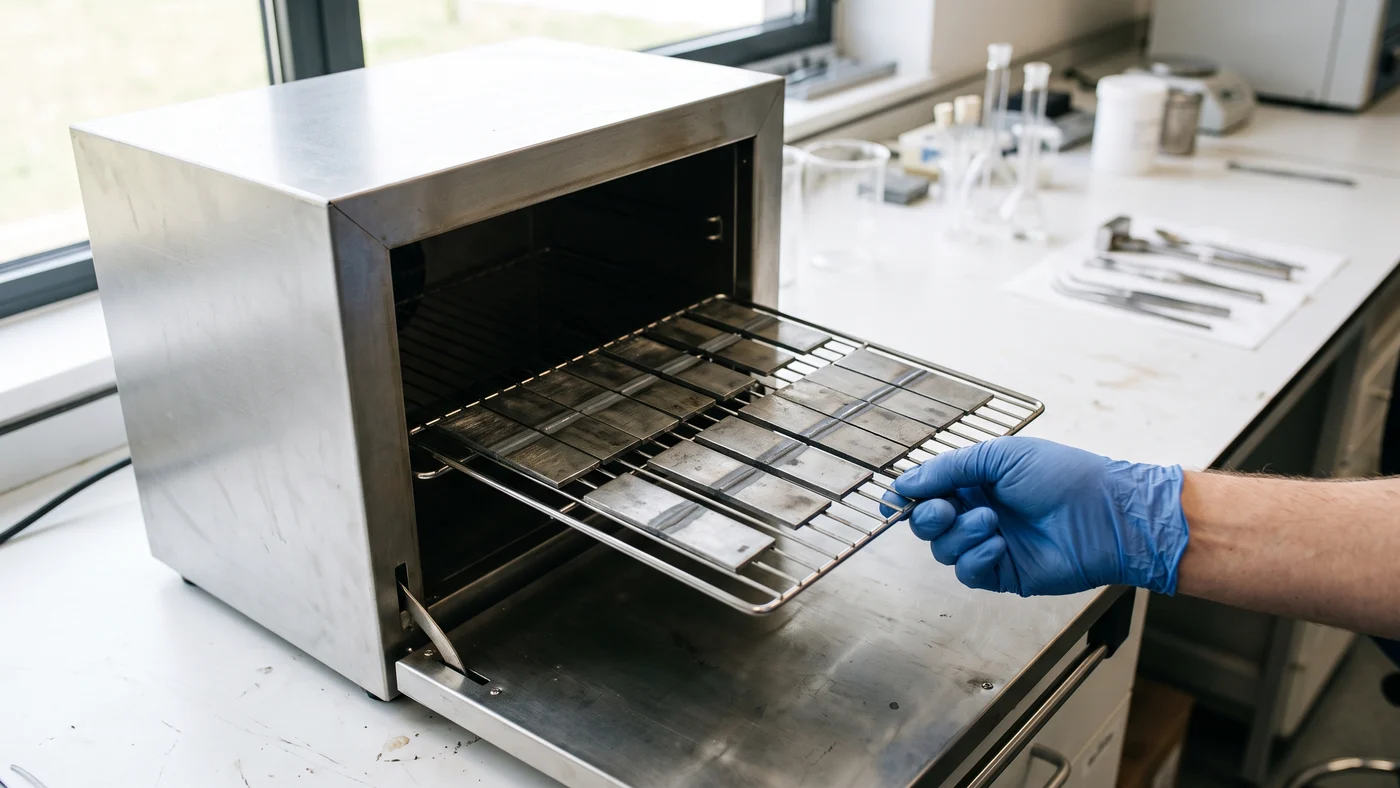
- Continuous vs peak: a grade rated for short peaks can fail in continuous service at the same temperature. Ask for both numbers and the exposure time behind the peak.
- Tg: strength and stiffness drop as the epoxy approaches its glass transition temperature. Ask for Tg and how it was measured, and keep the service temperature well below it.
- Strength at temperature: ask for lap shear or the supplier's chosen strength test at your service temperature and after heat ageing, on substrates close to yours.
- Thermal cycling: parts that heat and cool repeatedly stress the bondline because metals and epoxy expand differently. Ask whether cycling was tested, and test your own parts. See adhesive strength testing for buyers.
- Chemicals at temperature: oil, fuel, coolant or steam at temperature attack many adhesives faster than heat alone. Name them in the RFQ.
Cure Schedule: Room-Temperature vs Heat Cure

- Heat cure and post-cure: many high-temperature epoxies reach their rated Tg only after a stated oven cure or post-cure. Ask for the schedule and whether a room-temperature cure gives a lower rating.
- One-part vs two-part: one-part heat-cure epoxies suit production lines with ovens; two-part grades suit MRO and repair. Ask how each is stored and how long it stays usable.
- Mix ratio and pot life: off-ratio mixing lowers heat performance. Prefer packs that make the ratio easy (dual cartridges with static mixers) for MRO channels.
- Production planning: slow, high-performance grades need fixtures and time. Compare with your existing lines in fast vs slow cure epoxy and epoxy cure time and shelf life.
Substrates and Surface Preparation
- Metals: steel, aluminium and cast iron need degreasing and usually abrasion; ask what preparation the supplier's data was produced with.
- Plastics and composites: many plastics soften before a high-temperature epoxy does. Check the substrate's own heat limit. See metal and plastic epoxy selection.
- Electronics and potting: heat-dissipating and electrically insulating grades are separate specifications; ask for the properties you actually need in writing.
Packs, SDS and Shipping
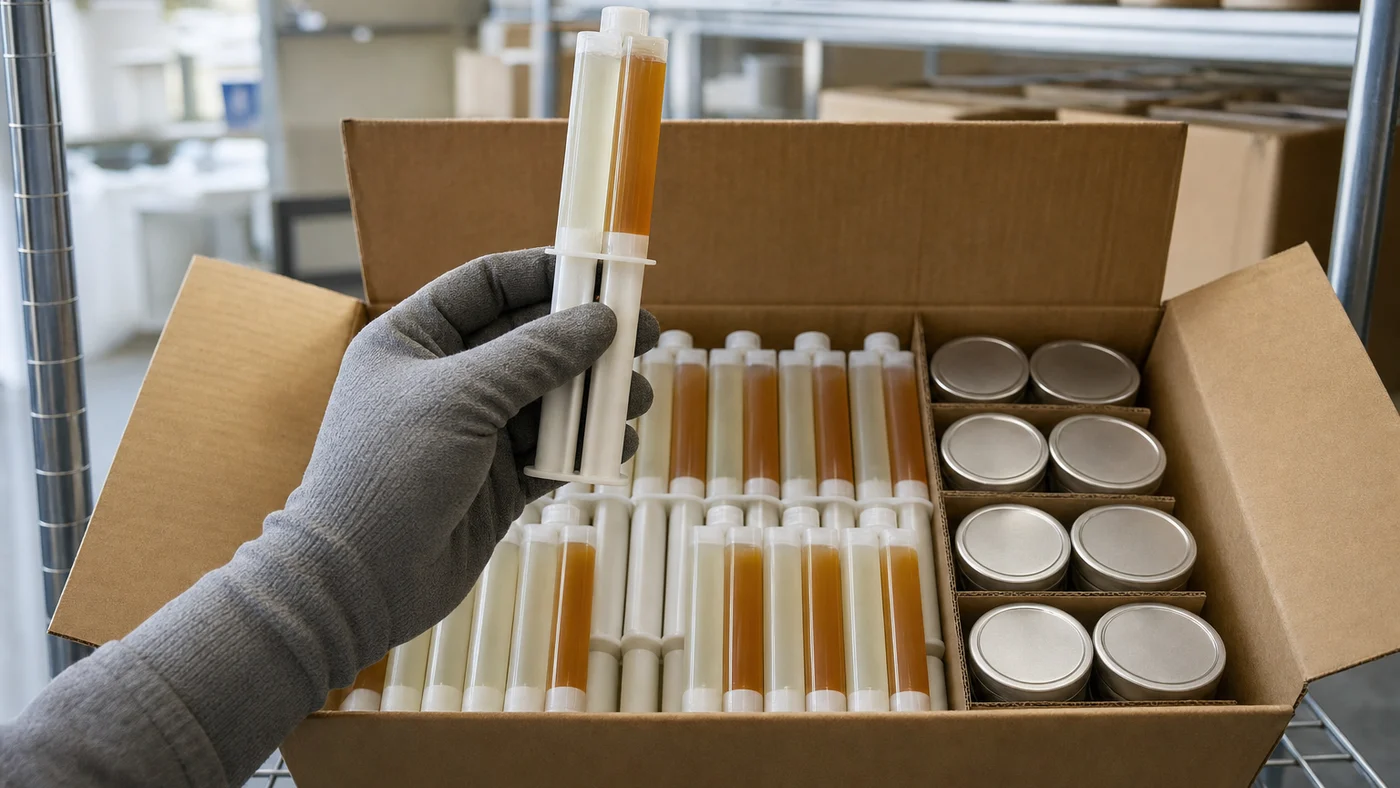
- Pack: dual syringes and cartridges for MRO and repair; matched resin and hardener tins or pails for production. See OEM adhesive packaging options.
- SDS: resin and hardener often carry different hazard statements; amine hardeners can be corrosive or sensitising. Check both SDS files, Section 14 for transport, before quoting freight. See how to read an adhesive SDS.
- Labels: print the temperature claim exactly as the supplier states it, with continuous and peak values, and the cure condition it depends on.
- Shelf life: ask for the stated unopened shelf life and storage temperature, especially for one-part heat-cure grades.
RFQ Checklist for High-Temperature Epoxy
- Application: what is bonded, the load, and whether it must be sealed or rigid.
- Continuous service temperature, peak temperature and exposure time; thermal cycling.
- Substrates and surface preparation available on your line or in the field.
- Cure method: room temperature, oven cure, post-cure; available fixtures and time.
- Requested data: Tg, strength at temperature and after heat ageing, chemical resistance, shelf life.
- Pack: dual syringe, cartridge, tins or pails; mix ratio; label languages; carton count.
- SDS for resin and hardener, transport classification, quantity and destination.
What GlueMFG Can Support Around This Topic
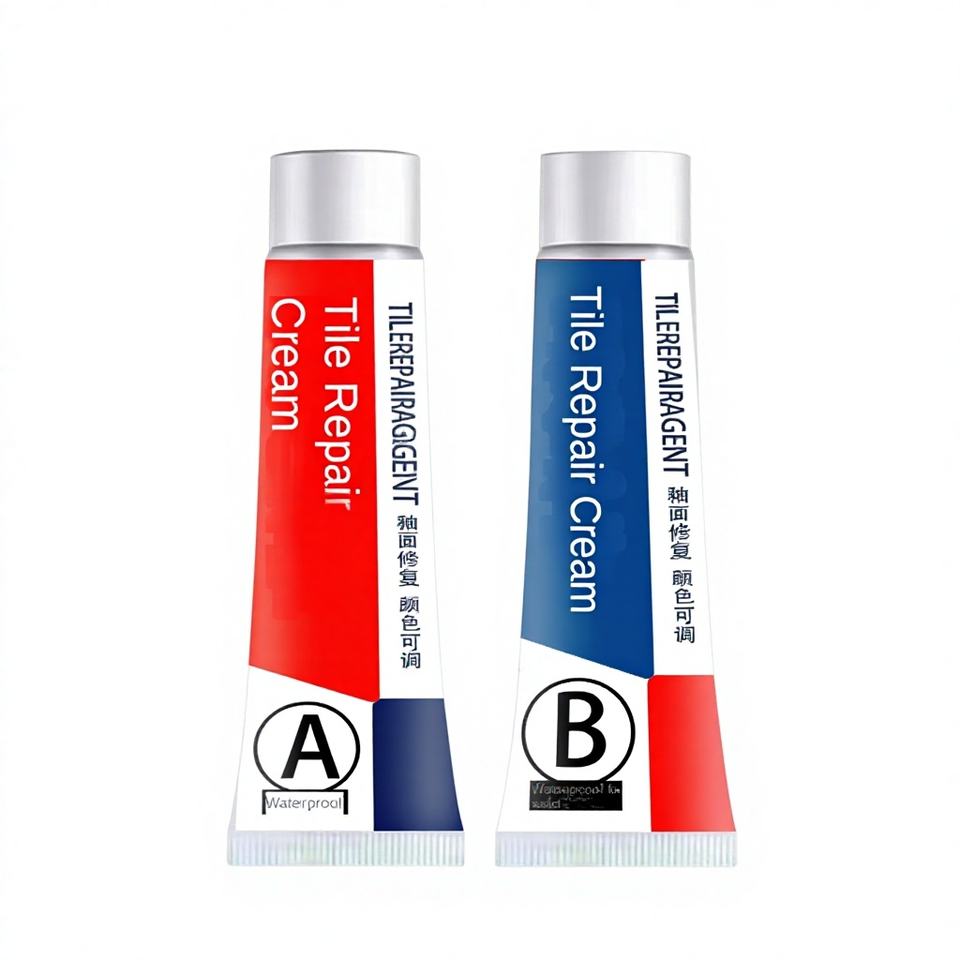
GLE-001 Epoxy resin adhesive
Listed general two-part epoxy. Not listed with a high-temperature rating; heat data confirmed by inquiry.
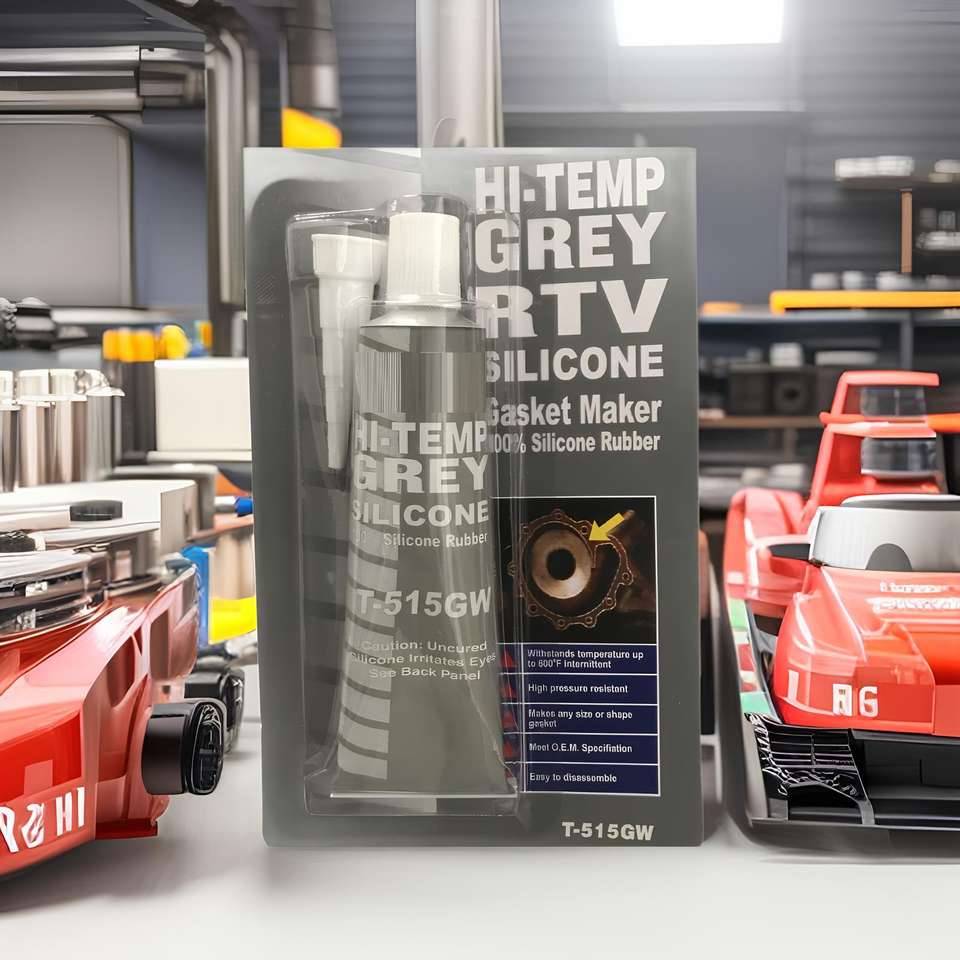
GLE-023 Silicone engine sealant
Listed silicone for sealing engine-area flanges, the usual choice when the hot joint must seal and flex rather than carry load.
High-temperature epoxy by inquiry
Not a listed SKU. Send substrates, temperatures, cure method and pack size; availability, TDS, SDS and MOQ confirmed by inquiry.
Related GlueMFG Resources
- High-Temperature Silicone Sealant
- Metal and Plastic Epoxy Selection
- Fast vs Slow Cure Epoxy
- RTV Gasket Maker vs Silicone Sealant
- GlueMFG product catalog
FAQ
What is high-temperature epoxy adhesive?
It is a two-part or one-part epoxy formulated to keep useful strength at elevated service temperatures, for example on motor parts, heaters, ovens, exhaust-adjacent brackets or electronics that run hot. The key numbers are the stated continuous service temperature, short peak temperature, glass transition temperature (Tg) and strength measured at temperature, not only at room temperature.
Is heat-resistant glue the same as high-temperature epoxy?
Not always. Heat-resistant glue is a broad trade phrase that can mean high-temperature epoxy, high-temperature silicone, ceramic or inorganic adhesives, or even a hot-melt with a higher softening point. Each suits a different job. Ask whether the job is bonding a load, sealing a flange or filling a gap before choosing the chemistry.
Why does epoxy lose strength when it gets hot?
Epoxies soften as they approach their glass transition temperature (Tg), and strength and stiffness drop well before the adhesive visibly fails. Room-temperature-cure grades usually have lower Tg than heat-cured or post-cured grades. That is why buyers should ask for strength data at the actual service temperature and for the recommended cure schedule.
When should I use high-temperature silicone instead of epoxy?
Use high-temperature silicone when the job is sealing a flange, gasket face or joint that must stay flexible, and epoxy when the job is a rigid structural bond or repair. Silicone tolerates movement and heat cycling but does not carry structural load like epoxy. For very high temperatures beyond organic adhesives, look at ceramic or inorganic products or mechanical fixing.
Does GlueMFG sell high-temperature epoxy?
GlueMFG lists general epoxy adhesives such as GLE-001 and GLE-004, but these are not listed with a high-temperature rating. A dedicated high-temperature epoxy grade is confirmed by inquiry: send substrates, service and peak temperatures, cure method and pack size, and availability, TDS, SDS and MOQ will be confirmed.