Heat resistant glue is chosen by temperature profile, joint type and materials. High-temperature silicones and gasket makers fit hot, flexible seals; high-temperature epoxies fit rigid structural bonds; standard instant glue, hot melt and PVA soften with heat and suit only parts that stay cool. Compare the continuous service temperature and strength at temperature on the TDS. For GlueMFG products these values are confirmed by inquiry.
OEMs, MRO buyers, appliance and lighting makers and auto-aftermarket distributors often ask for “heat resistant glue” without a temperature or joint type. The result is either a glue that softens in service or an expensive grade that was not needed. This guide shows how to define the heat job, compares the main glue families by temperature and joint, and lists the tests and RFQ data to agree before ordering. For the families in detail, see high-temperature epoxy adhesive and the high-temperature silicone sealant buyer guide.
Define the Heat Before You Choose the Glue
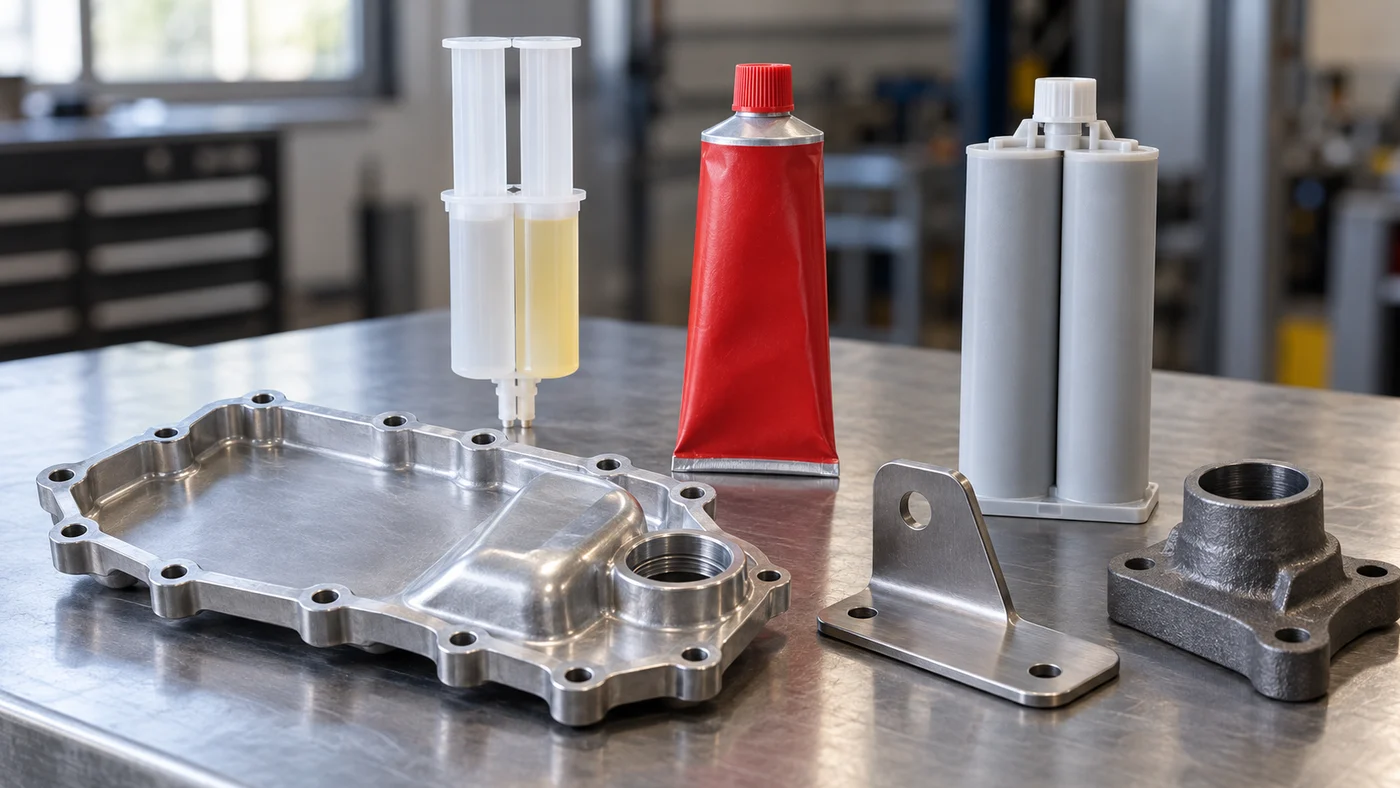
- Continuous vs peak: a part that sits hot for hours needs a higher continuous rating than one that sees short peaks. Ask the customer for both, and how long each lasts.
- Joint type: a flexible seal on a cover, a rigid bracket bond and a potted component need different chemistries.
- Load while hot: adhesives lose strength as temperature rises; a joint that carries load while hot needs strength data at that temperature, not at room temperature.
- Other exposure: oil, coolant, steam, cleaning chemicals and thermal cycling often cause more failures than the temperature alone.
- Materials: metals, glass and plastics expand at different rates; large hot joints between different materials need some flexibility.
Heat Resistant Glue by Family
| Family | Typical heat job | Limits to check |
|---|---|---|
| High-temperature silicone / RTV gasket maker | Hot flexible seals: engine covers, ovens, ducts, lighting | Low structural strength, oil and fuel resistance, sensor-safe cure |
| High-temperature epoxy | Rigid metal, ceramic and composite bonds in hot service | Tg, heat cure need, brittleness under thermal cycling |
| Standard epoxy (AB glue) | Warm parts, moderate heat | Softens near its Tg; check strength at temperature |
| Polyurethane | Flexible bonds in warm service | Lower heat limits than silicone; check grade |
| Instant glue, hot melt, PVA | Parts that stay near room temperature | Soften or creep as they warm up |
Do not accept “heat resistant to X degrees” on a label as a design value. Ask whether it is a continuous or short-term rating, and for strength measured at that temperature on comparable materials.
Silicone and Gasket Makers for Hot, Flexible Seals
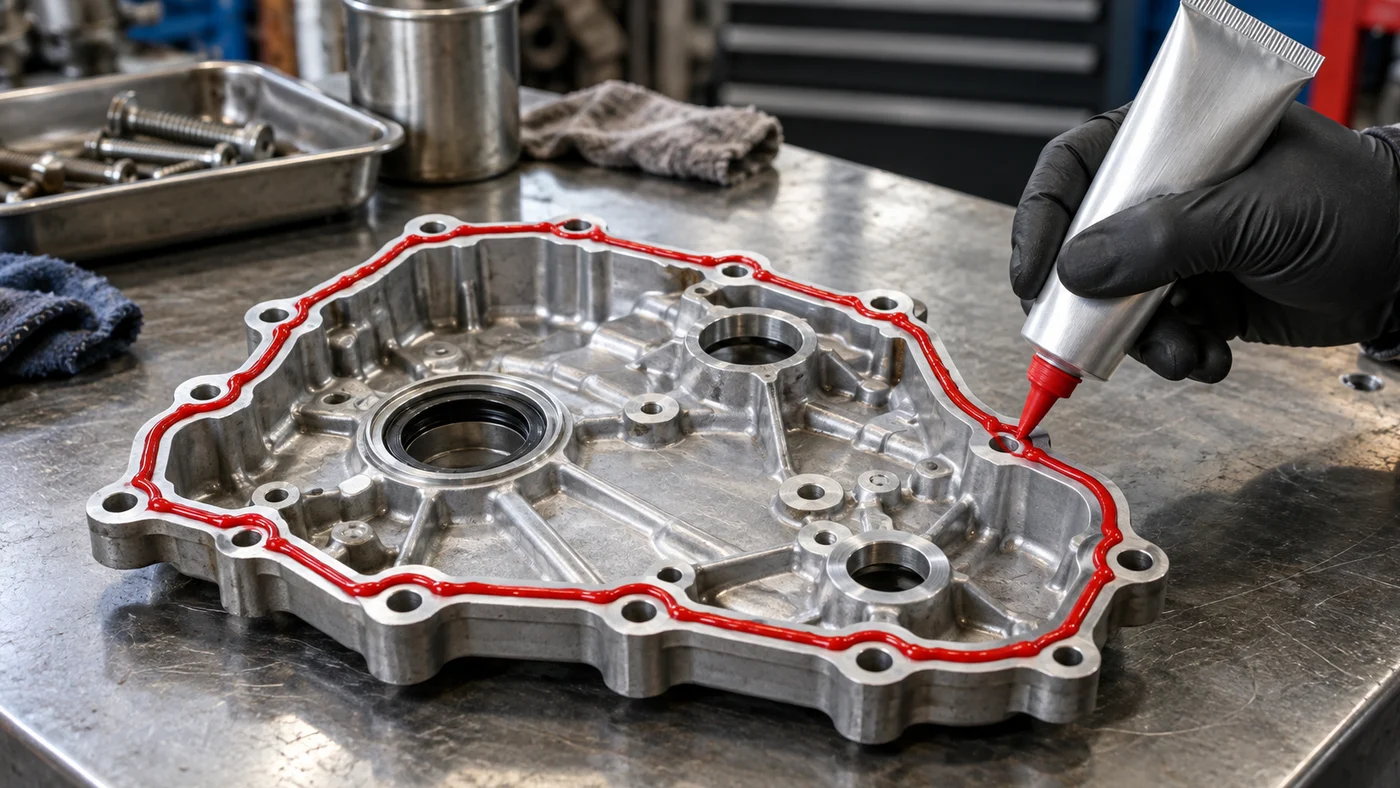
- Where it fits: covers, pans, housings, oven and appliance seals, lighting and duct joints that move as they heat and cool.
- Fluid resistance: engine oil, coolant and fuel resistance differ by grade; ask for the fluids tested.
- Sensor safety and cure: engine work often needs low-volatile or sensor-safe grades; acetoxy cure can corrode some metals. See RTV gasket maker vs silicone sealant.
- Not a structural glue: silicones hold seals and light parts; for load-bearing bonds use a structural adhesive or mechanical fixing.
Epoxy for Hot Rigid Bonds
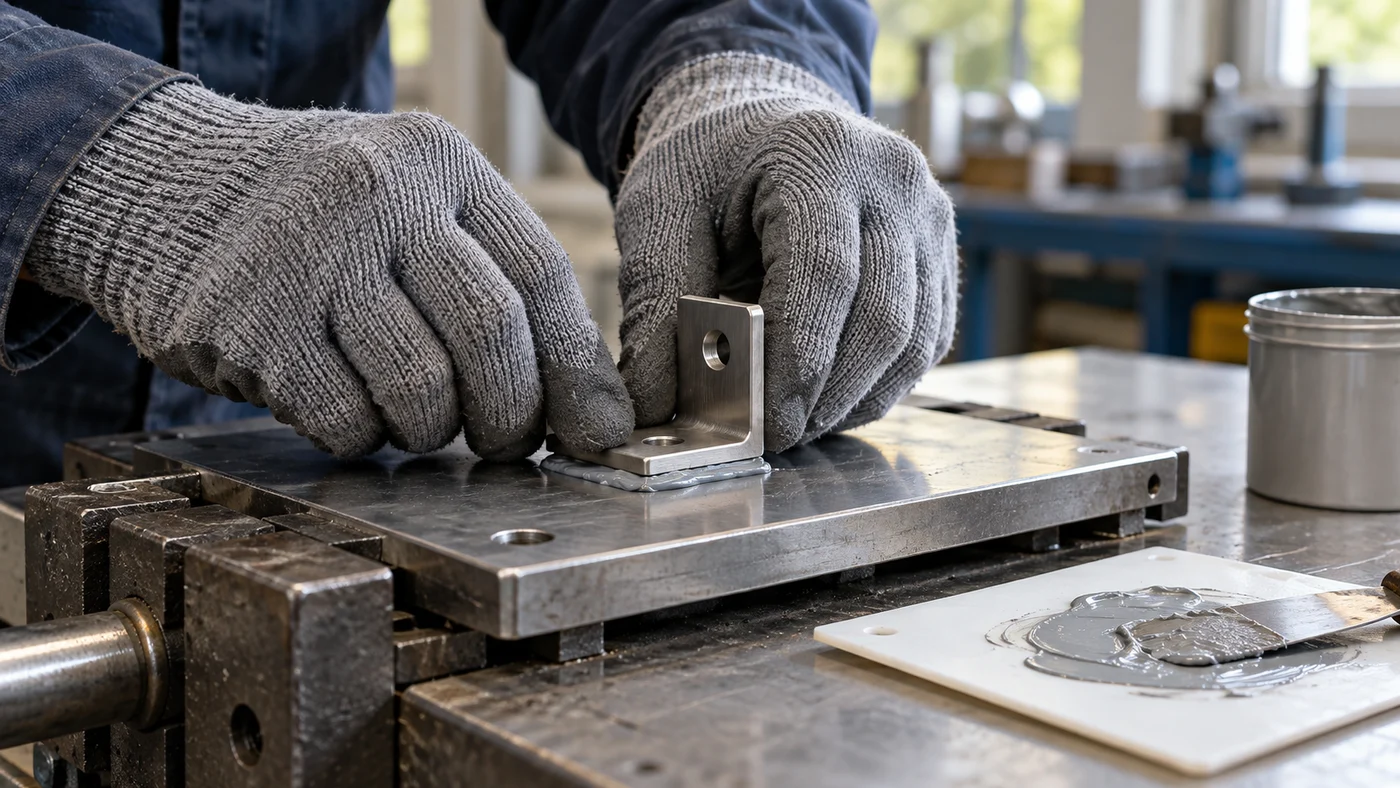
- Tg and service temperature: epoxies soften above their glass transition temperature. Ask for Tg and service temperature after the cure you will actually use.
- Heat cure: many high-temperature grades reach their rating only after an oven cure; confirm whether your line can do it.
- Surface preparation: abrade and degrease metal; hot service exposes weak preparation fast. See metal bonding adhesives.
- Thermal cycling: rigid epoxy between metals with different expansion can crack; ask for cycling data or a more flexible grade. See high-temperature epoxy adhesive.
Heat Ageing Tests, Documents and Shipping
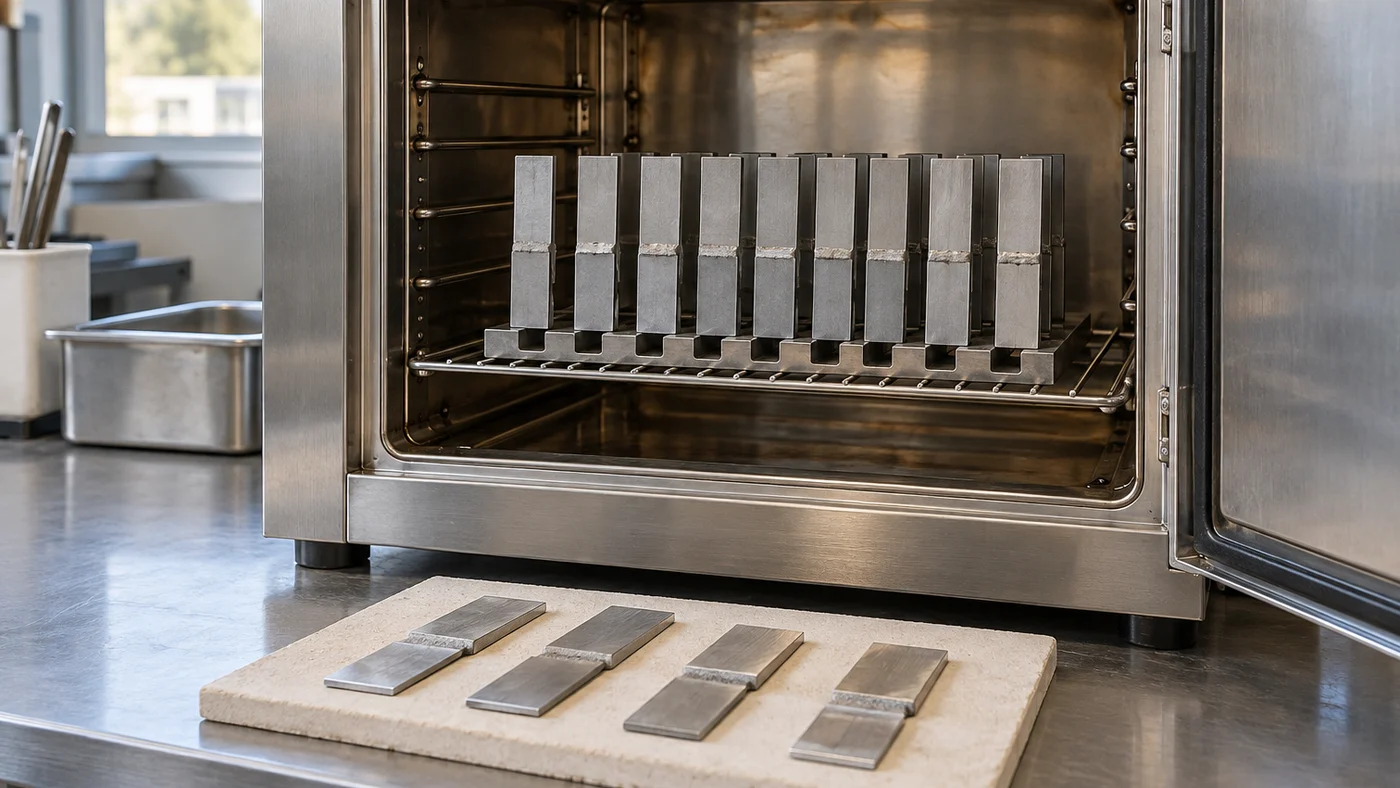
- Heat ageing: keep bonded samples at the service temperature for an agreed time, then test strength and check for cracking, softening or loss of adhesion.
- Test hot as well as cold: strength at temperature can be much lower than after cooling. See adhesive strength testing for buyers.
- Cycling: for parts that heat and cool daily, add hot and cold cycles to the trial plan.
- SDS and transport: silicones, epoxy hardeners and solvent grades differ in hazard class; check SDS section 14 before booking. See how to read an adhesive SDS.
RFQ Checklist for Heat Resistant Glue
- Part and use: what is bonded or sealed, and whether the joint is a seal or carries load.
- Temperature profile: continuous temperature, peaks and how long each lasts, and cycling.
- Materials and surface finish on both sides of the joint.
- Other exposure: oil, coolant, fuel, steam, cleaners, UV or outdoor weather.
- Process: room-temperature or oven cure, dispensing method, handling time.
- Pack size, label language, claims you plan to print and documents: TDS, SDS, test reports.
- Quantity per SKU, destination port and sample, trial and order plan.
What GlueMFG Can Support Around This Topic
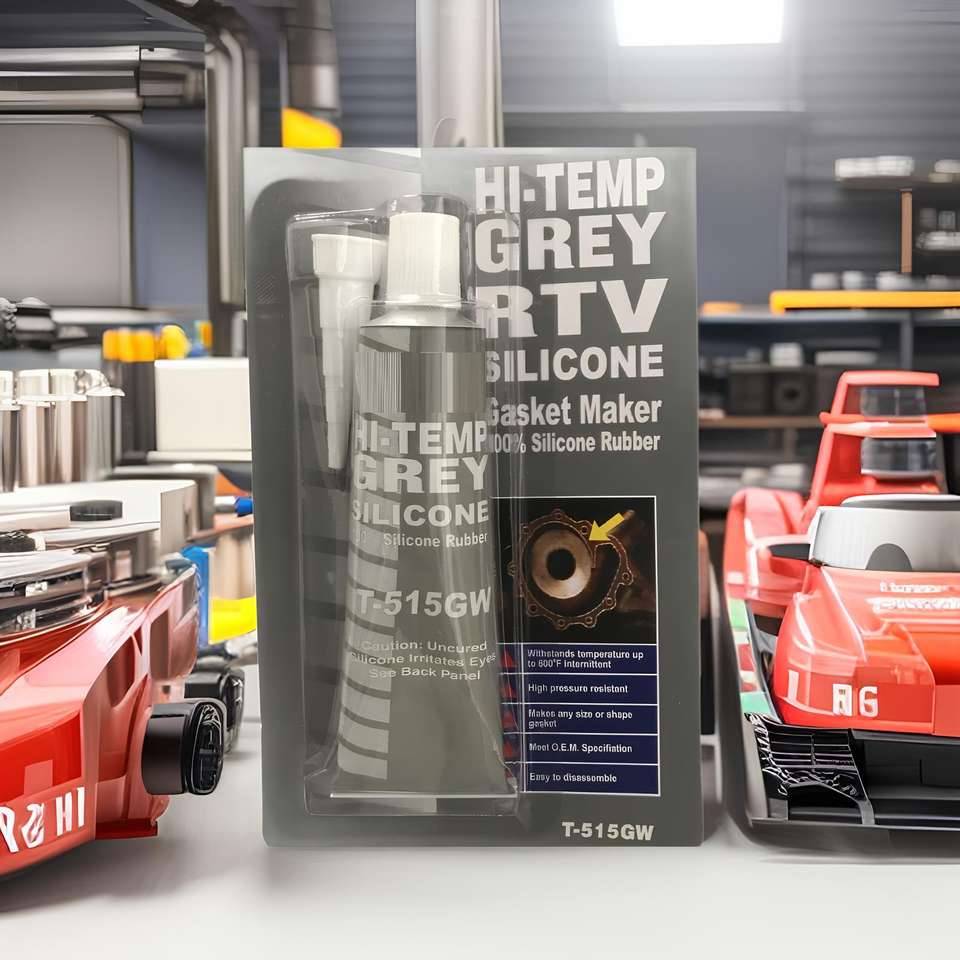
GLE-023 Silicone engine sealant
Listed silicone sealant for engine and car use. Service temperature, oil resistance and pack options are confirmed by inquiry.
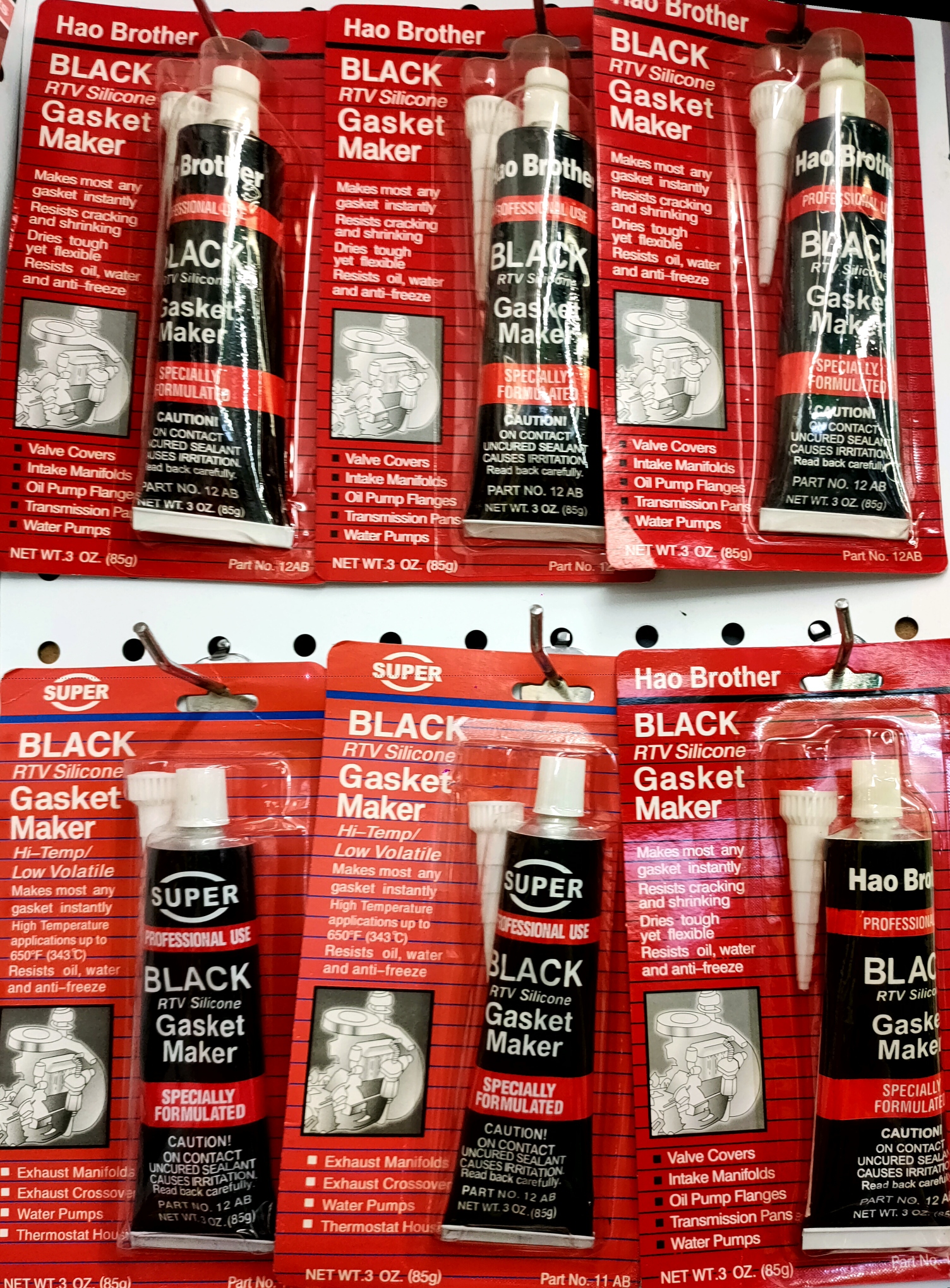
GLE-027 Gasket maker
Listed gasket maker in tubes. Temperature rating, cure type, colour and MOQ are confirmed by inquiry.
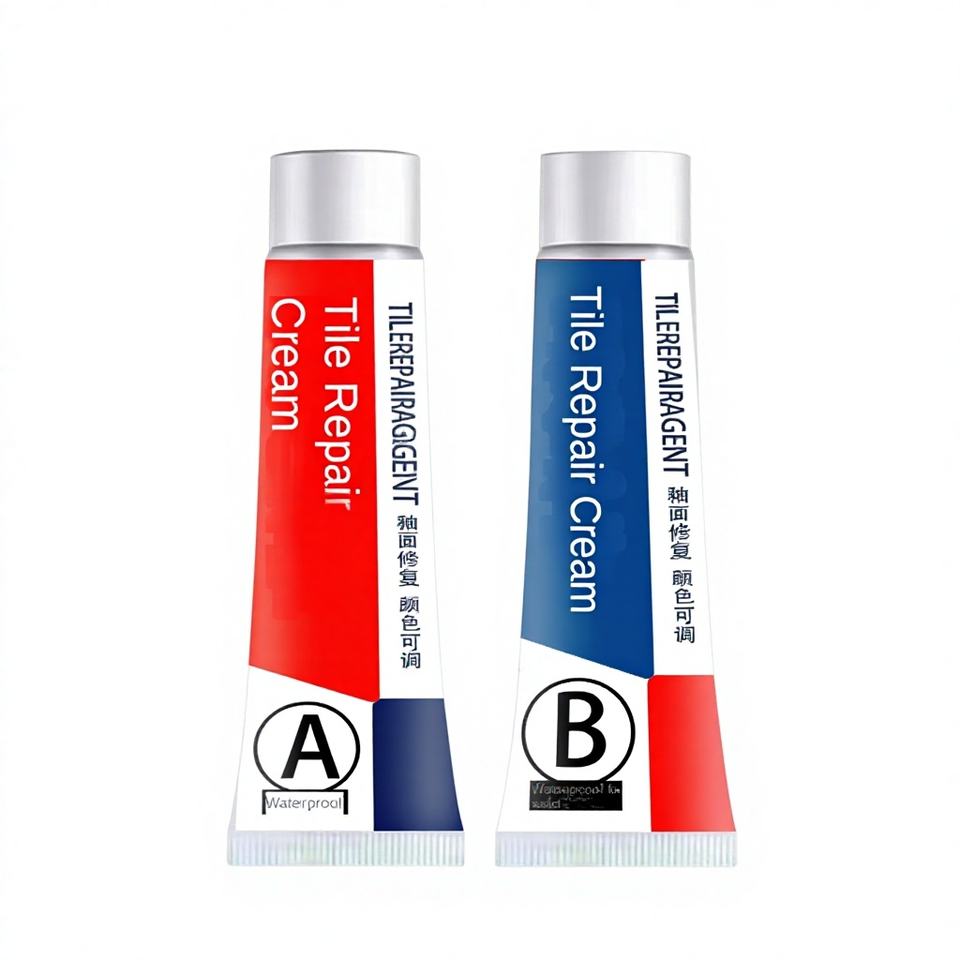
GLE-001 Epoxy resin adhesive
Listed two-part epoxy. Service temperature, Tg, cure schedule and documents are confirmed by inquiry.
Related GlueMFG Resources
- High-Temperature Epoxy Adhesive for OEM and MRO Buyers
- High-Temperature Silicone Sealant Buyer Guide
- RTV Gasket Maker vs Silicone Sealant
- Waterproof Glue for B2B Buyers
- GlueMFG product catalog
FAQ
What is the most heat resistant glue?
There is no single answer: high-temperature silicones and gasket makers are usually chosen for hot, flexible seals, high-temperature epoxies for rigid structural bonds, and specialist ceramic or inorganic adhesives for very high temperatures. Compare the continuous service temperature and the strength at temperature on each TDS, not the peak value on the label.
Is super glue heat resistant?
Standard instant glue (cyanoacrylate) is not a high-temperature adhesive; it softens and loses strength as it gets hot, so it suits parts that stay near room temperature. Some specialist grades are rated higher, so ask for the service temperature on the TDS.
Is epoxy heat resistant?
Many epoxies handle moderate heat, and high-temperature epoxy grades are made for hotter service, often with a heat cure. Check the glass transition temperature (Tg), the service temperature and the strength measured at temperature. See our high-temperature epoxy guide for details.
What glue is used on engines and exhausts?
Engine covers, oil pans and housings often use high-temperature RTV silicone gasket makers, which stay flexible and resist oil. Exhaust parts run much hotter than most glues can handle and usually use special exhaust pastes or mechanical fixing; confirm the rating for that exact use.
Which heat resistant products does GlueMFG list?
GlueMFG's catalog includes GLE-023 silicone engine sealant, GLE-027 gasket maker, GLE-028 709 silicone rubber and AB / epoxy adhesives such as GLE-001 and GLE-004. Service temperature, fluid resistance, pack size, SDS and MOQ are confirmed by inquiry: send the part, materials, temperature profile and quantity.