Polyurethane glue is usually a one-component, moisture-curing adhesive that bonds mixed materials (wood, foam, stone, metal, many plastics), tolerates some gap and gives good water resistance. It cures with moisture, foams a little and stays sensitive to moisture in the pack. Buyers should specify it by substrates, water-resistance class, open and clamp time, pack and isocyanate labelling, not by the word "PU". GlueMFG lists a 1K moisture-curing PUR wood adhesive (GLE-088); its TDS values and other grades are confirmed by inquiry.
Distributors and furniture or panel OEMs often meet polyurethane glue as "the strong waterproof one" next to PVA wood glue and PU sealant on the same shelf. Those three are different products. This guide explains where PU glue earns its higher price, where it causes trouble, and what to put in the RFQ so samples can be compared.
PU Glue Is Not PU Sealant, and Not PVA
| Product | What it does | Typical buyer | Watch out for |
|---|---|---|---|
| 1K polyurethane glue | Bonds parts; cures with moisture, foams slightly | Furniture, doors, panels, stone and mixed-material assembly | Moisture-sensitive pack, isocyanate labelling, skin staining |
| PU sealant | Seals moving joints; stays elastic | Construction, concrete and facade joints | Not designed as an assembly glue. See PU vs silicone sealant |
| PVA wood glue (D2 to D4) | Water-based wood bonding | Furniture and joinery on wood only | Not for metal, stone or most plastics. See PVA D3/D4 guide |
| Two-part epoxy | Rigid structural bond, fills gaps | Metal and plastic assembly, repair | Mixing, pot life, higher cost per bond |
A related product, PUR hot melt (reactive hot melt), is applied hot from a melter and then cures with moisture. It is a line-equipment decision; see the hot melt adhesive selection guide.
Where Polyurethane Glue Fits
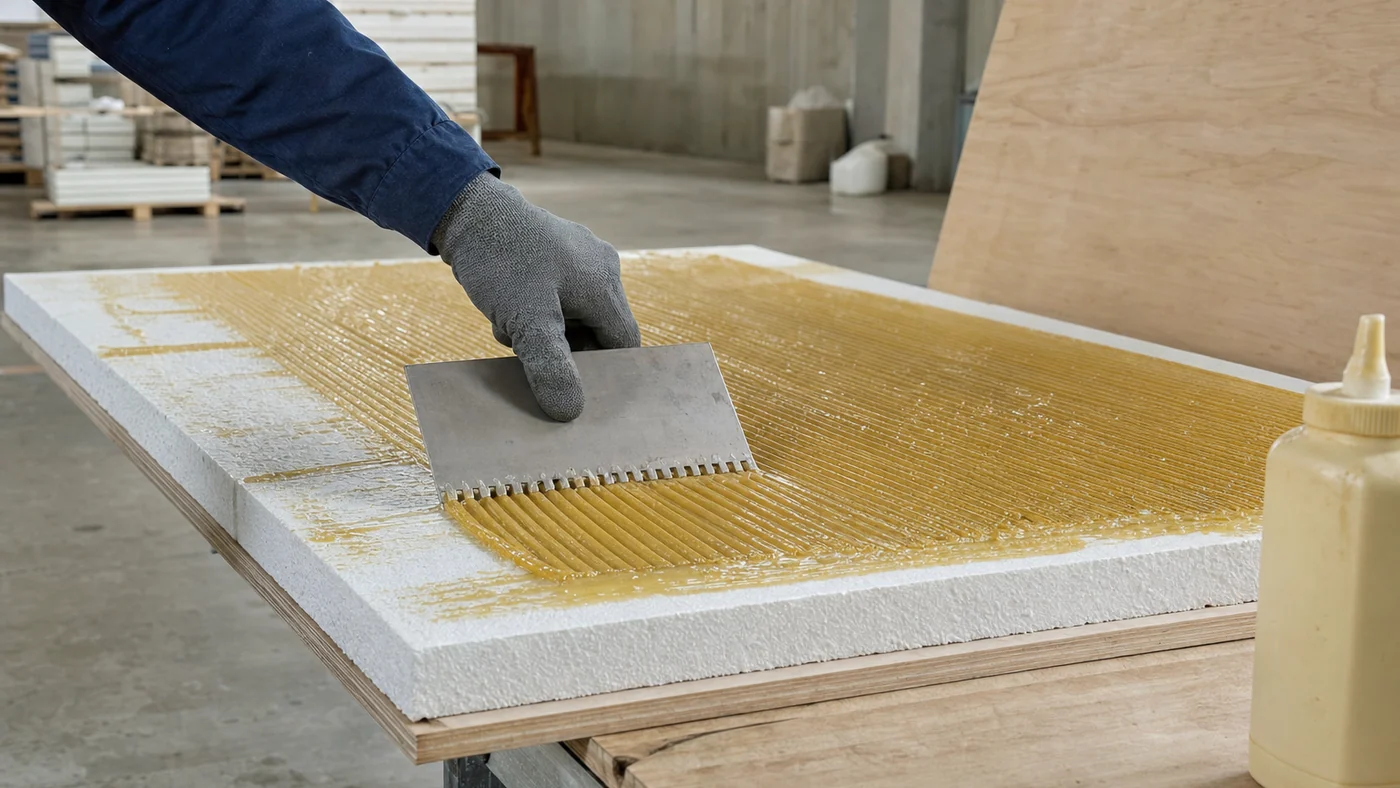
- Mixed materials: wood to metal, stone or ceramic to wood, rigid foam to board, many rigid plastics. PVA cannot do most of these.
- Water exposure: doors, garden furniture, bathroom cabinets, boat and outdoor joinery where the water-resistance class matters.
- Oily or dense woods: often better wetting than PVA, but test teak and similar species with your own prep.
- Hard-to-bond plastics: PP, PE and PTFE still need a primer or a different adhesive; do not assume "bonds almost anything" covers them.
Do not switch a high-volume indoor furniture line from PVA to PU glue just for "extra strength". On dry indoor wood joints PVA is usually cheaper, faster to clean up and easier to ship. PU glue pays off where substrates are mixed or water resistance is a real requirement.
Moisture, Foaming and Clamping on the Line
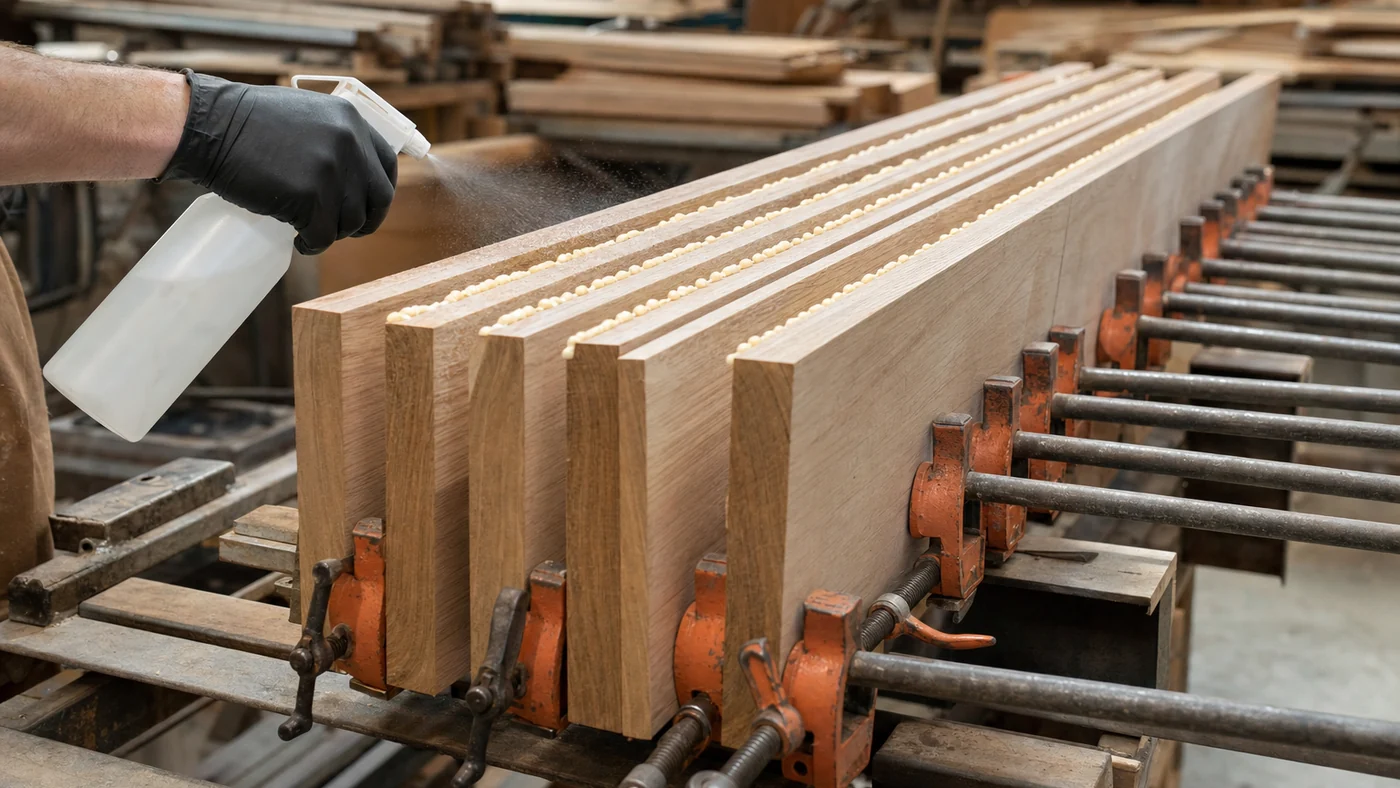
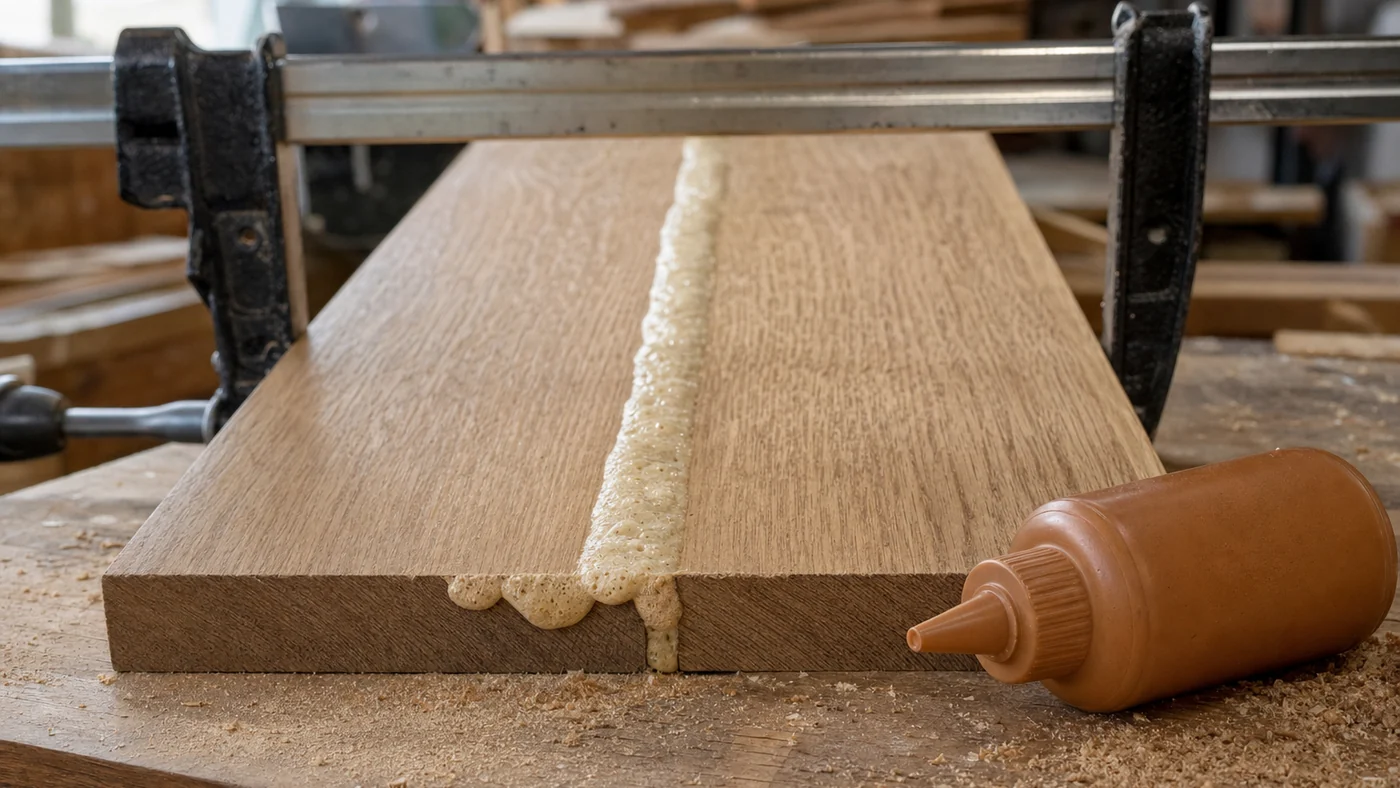
- Moisture drives cure: cure speed changes with room humidity and wood moisture content. Measure open time and clamp time in your plant on a dry and a humid day.
- Clamping is not optional: foaming pushes parts apart. Keep the parts clamped for the stated time; loose clamping gives thick, weak glue lines.
- Spread thin: excess glue means more foam to trim and more cost. Check coverage per square metre in the trial.
- Clean-up: uncured glue needs the cleaner the TDS names; cured glue must be scraped or sanded. PU glue stains skin, so gloves are standard.
Pack, Shelf Life and Storage
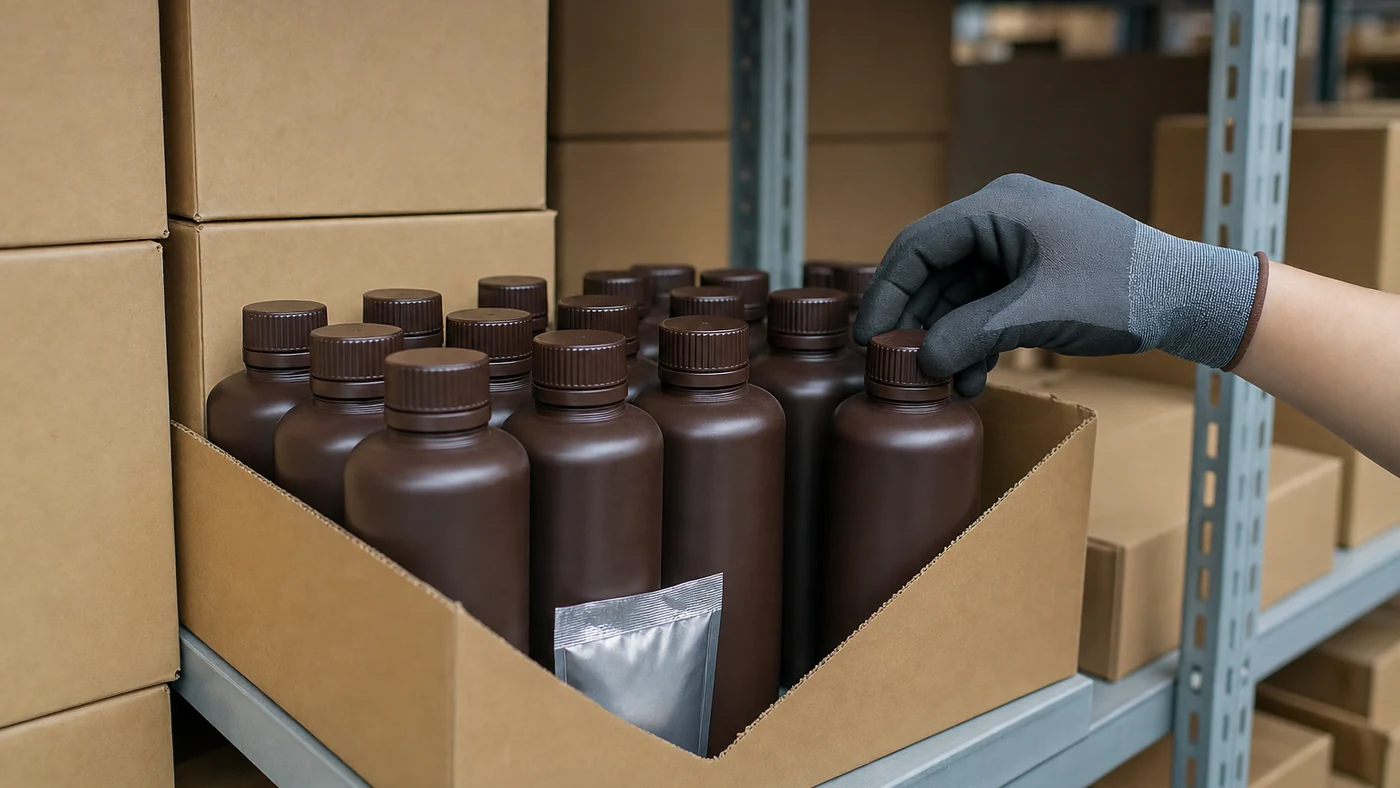
Because it cures with moisture, PU glue starts to thicken in any bottle that lets air in. Opened bottles in a humid workshop can skin or harden long before the printed shelf life.
- Ask for the unopened shelf life and storage temperature on the TDS, and the manufacturing date on each lot.
- Prefer smaller packs for slow-moving retail and larger containers only where the line uses them quickly.
- Ask how the bottle is sealed (induction seal, cap liner) and whether the container is filled under dry conditions.
- For pack formats and private-label options, see OEM adhesive packaging options.
Isocyanate Labelling and the SDS
Most PU glues contain isocyanates, commonly MDI. That changes the safety data sheet and, in some markets, the label:
- SDS Sections 2 and 3: check whether the product is classified as a respiratory or skin sensitiser and which isocyanate is listed. See how to read an adhesive SDS.
- EU: REACH Annex XVII entry 74 has required, since 24 August 2023, training for industrial and professional users of products with more than 0.1% diisocyanates, and a statement on the packaging. Ask the supplier which statement their EU pack carries.
- Transport: Section 14 decides whether your grade ships as dangerous goods; many 1K PU wood glues do not, but confirm for the exact grade.
RFQ Checklist for Polyurethane Glue
- Substrates (wood species, foam type, stone, metal, plastic) and indoor or outdoor use.
- Water-resistance requirement (for example EN 204 class, if you need one) and any other test you will run.
- Open time and clamp time you can accept at your line speed and room conditions.
- Foaming: standard or low-foam if visible glue lines matter.
- Pack size, cap and nozzle, carton count, label language and private-label artwork.
- Documents: TDS, SDS for your market, isocyanate label wording for the EU, COA per lot.
- Quantity, destination port and target price for sample, trial and container orders.
What GlueMFG Can Support Around This Topic
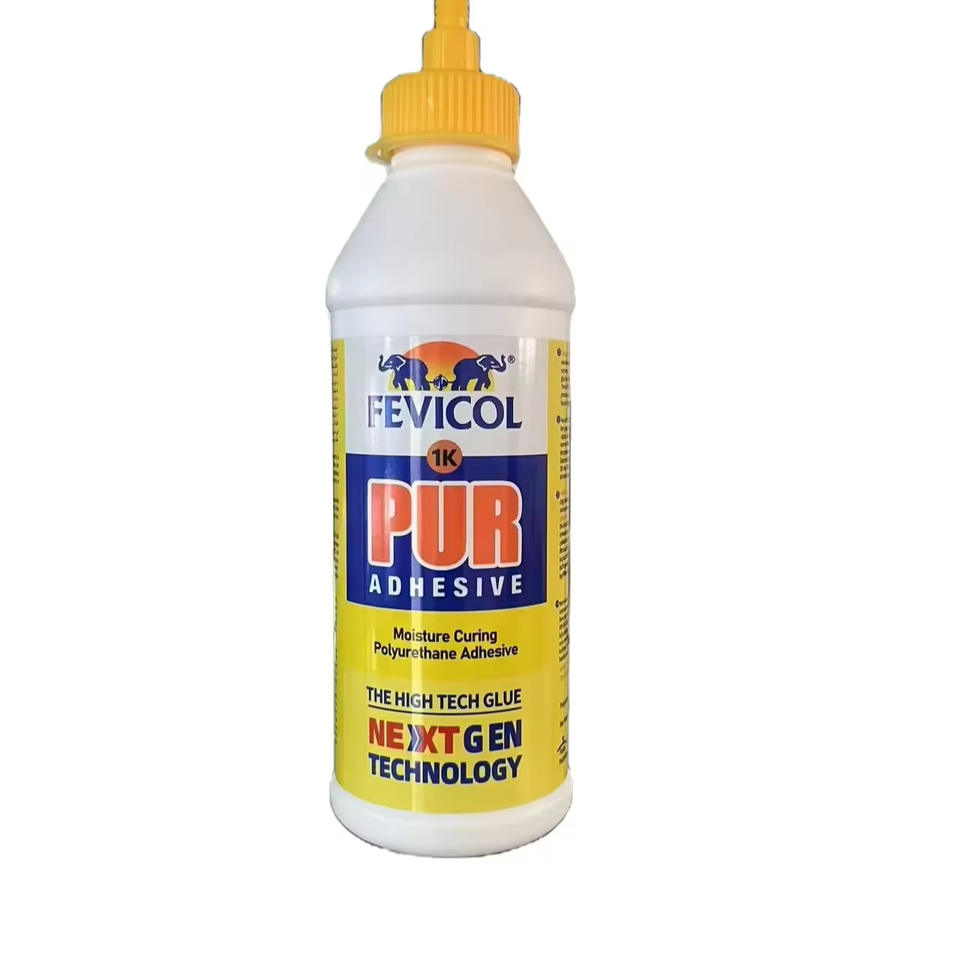
GLE-088 PUR wood adhesive
1K moisture-curing PU wood adhesive in a nozzle bottle. Water-resistance class, open time and pack sizes confirmed by inquiry.
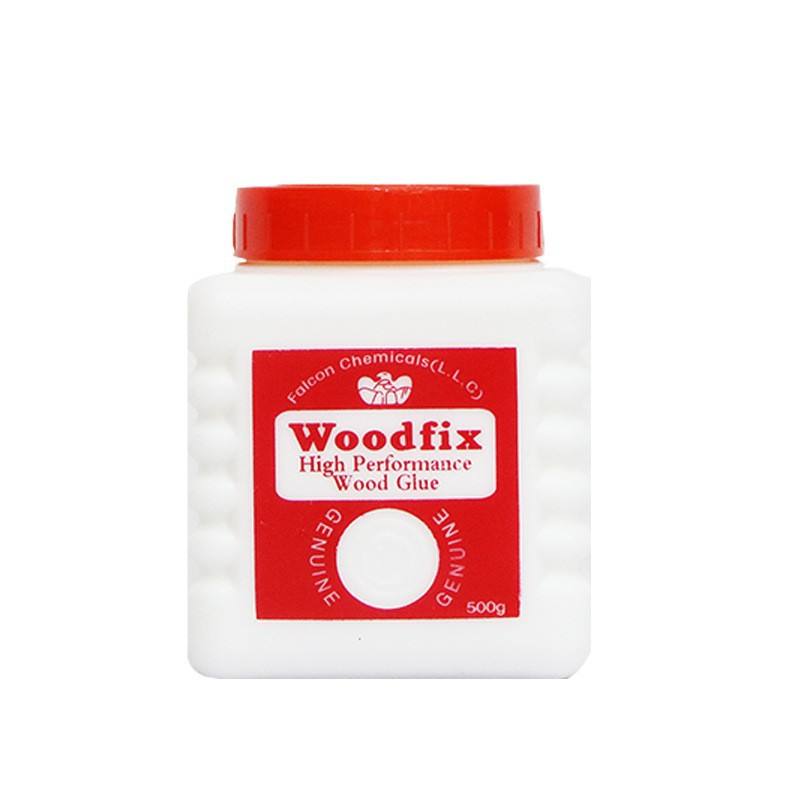
GLE-089 PVA wood glue
The lower-cost route for dry indoor wood joints. Compare against PU glue in your trial.
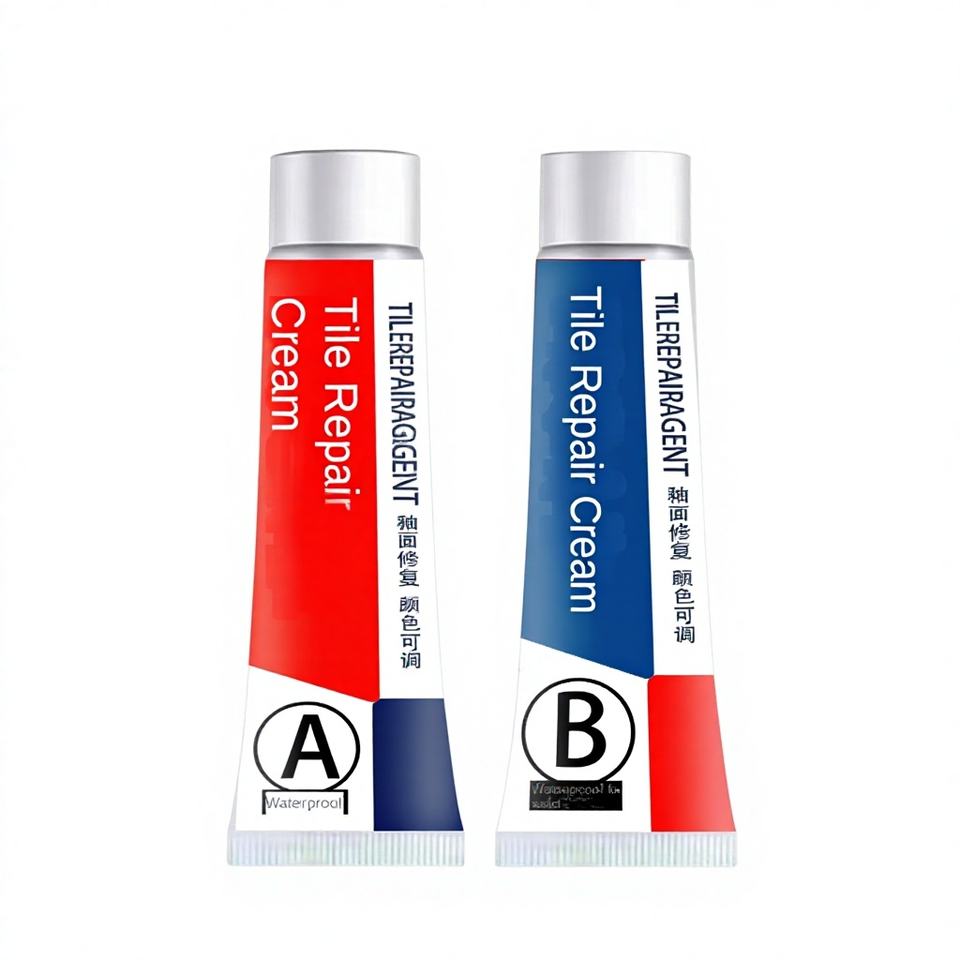
GLE-001 Two-part epoxy
For rigid metal and plastic bonds where PU glue is not the right family.
Related GlueMFG Resources
- PVA Wood Glue D3/D4 for Exporters and Furniture OEMs
- PU Sealant vs Silicone Sealant: Which to Specify and Stock
- Hot Melt Adhesive Selection Guide
- Adhesive Strength Testing for B2B Buyers
- Wood glue manufacturer: OEM and private label
FAQ
What is polyurethane glue?
In trade, polyurethane glue usually means a one-component (1K) moisture-curing PU adhesive: a liquid that reacts with moisture in the air and in the parts, often foams slightly as it cures, and bonds wood, foam, stone, ceramics, metal and many plastics. It is a bonding adhesive, not a joint sealant, and not a water-based PVA.
Is polyurethane glue the same as PU sealant?
No. PU sealant is a thick, elastic paste for sealing moving joints such as concrete or facade joints. Polyurethane glue is a thinner bonding adhesive for assembling parts. They share chemistry but are specified, packed and tested differently. For joint sealing, see GlueMFG's PU sealant vs silicone sealant guide.
Is polyurethane glue waterproof?
Many moisture-curing PU wood glues are sold as water-resistant to exterior grades, and some are classified D4 under EN 204. Do not rely on the word waterproof on a label. Ask for the class or test the supplier has documented on the TDS, and test your own joint if it will see standing water or outdoor exposure.
Does the foam that comes out of the joint add strength?
No. The foam fills small voids but is weak. Strength comes from a thin, clamped glue line with good contact. Clamp the parts, let the foam cure, then scrape or trim it. Do not use foaming as a reason to accept poor-fitting parts.
Are there special rules for importing polyurethane glue into the EU?
Many PU adhesives contain diisocyanates such as MDI. Since 24 August 2023, EU REACH Annex XVII entry 74 requires that industrial and professional users of products with more than 0.1% diisocyanates complete training, and suppliers must state this on the packaging. Check Section 2, 3 and 15 of the grade's SDS and confirm the label wording with your compliance advisor.