Super glue gel and liquid super glue are both cyanoacrylate instant glues. Gel stays put on vertical and porous surfaces and fills small gaps; liquid wicks into tight joints and sets faster. A retail or distribution range usually needs both, in tubes, cards or precision bottles. Treat “waterproof” as a claim to test, not a given. For GlueMFG products, gel availability, grades and packs are confirmed by inquiry.
Hardware wholesalers, DIY chains, stationery and dollar-store buyers, and private label brands often list “super glue” as one line, then get complaints that it runs on a vertical repair, soaks into wood or fails after washing. Splitting the range into gel and liquid, choosing pack formats per channel and checking water-resistance claims before printing them solves most of these problems. This guide covers how gel and liquid differ, which jobs each suits, pack and label choices, and the quality checks to agree with a supplier. For assembly-line grade choice, see cyanoacrylate glue grades for assembly lines; for the 502 name and import basics, see 502 super glue for importers.
Plan the Range: Gel, Liquid and Pack Formats
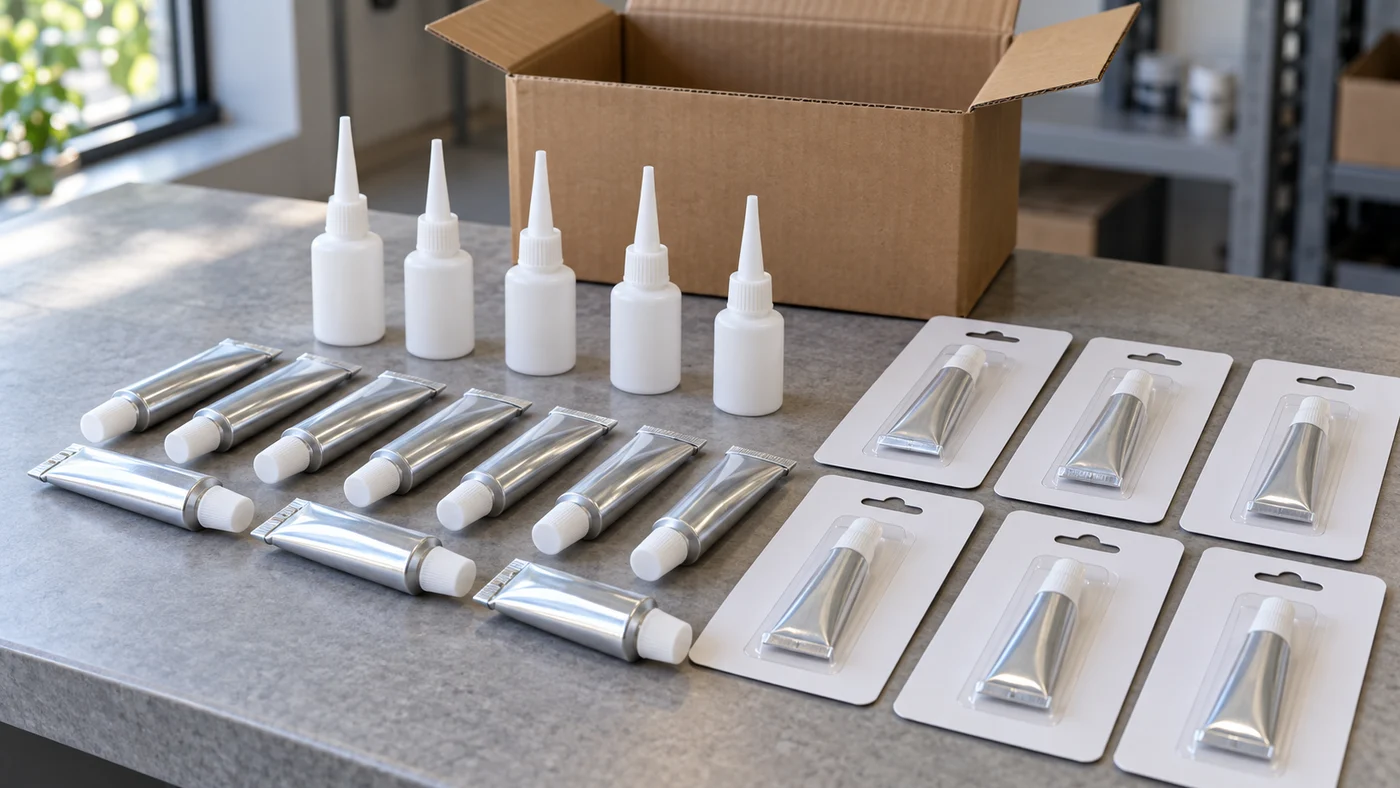
| Format | Typical channel | Watch for |
|---|---|---|
| Single tube on blister card | Hardware, supermarket, convenience | Glue drying in opened tubes, card hang-hole strength |
| Multi-tube card | Value and dollar-store ranges | Price per gram, consistent fill weight per tube |
| Precision-tip bottle | DIY, hobby, repeat users | Nozzle clogging, anti-clog cap design |
| Gel squeeze tube or bottle | DIY repair, vertical and porous jobs | Flow at low temperature, ease of squeezing |
Pack-size and carton options are covered in more detail in OEM adhesive packaging options.
Gel vs Liquid: How They Behave
| Property | Gel super glue | Liquid super glue |
|---|---|---|
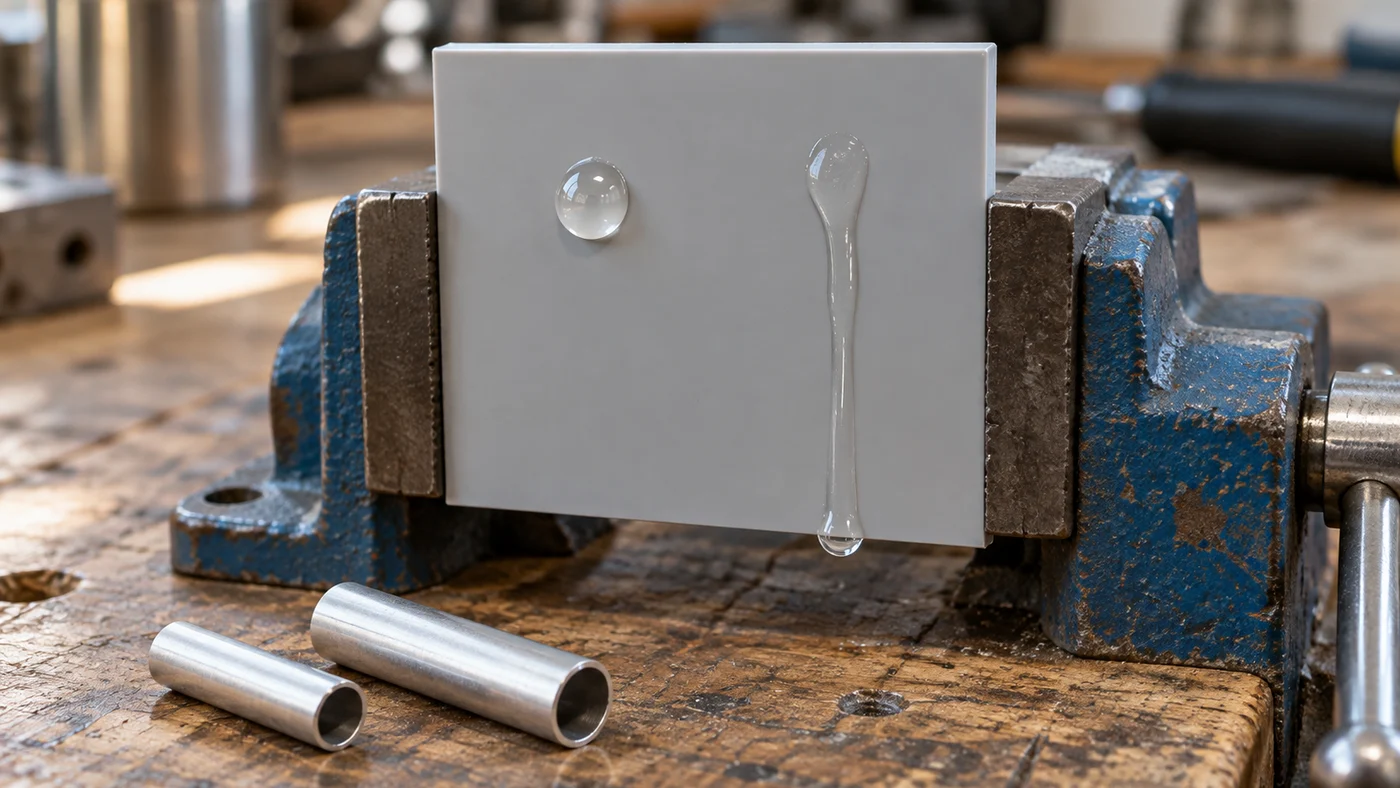
| Flow | Thick, does not run | Thin, runs and wicks |
| Gaps and fit | Fills small gaps, tolerates looser fit | Best on close-fitting parts |
| Porous materials | Stays on the surface longer | Can soak in and starve the joint |
| Set speed | Usually a little slower, allows repositioning | Usually faster |
| Typical jobs | Vertical repairs, wood, ceramics, overhead work | Tight cracks, small rigid parts, hairline joints |
Do not sell gel as “stronger” on the pack without data. It holds better where the glue would otherwise run away, but on a close-fitting joint liquid can perform as well. Describe the job it suits instead.
Where Gel Earns Its Shelf Space
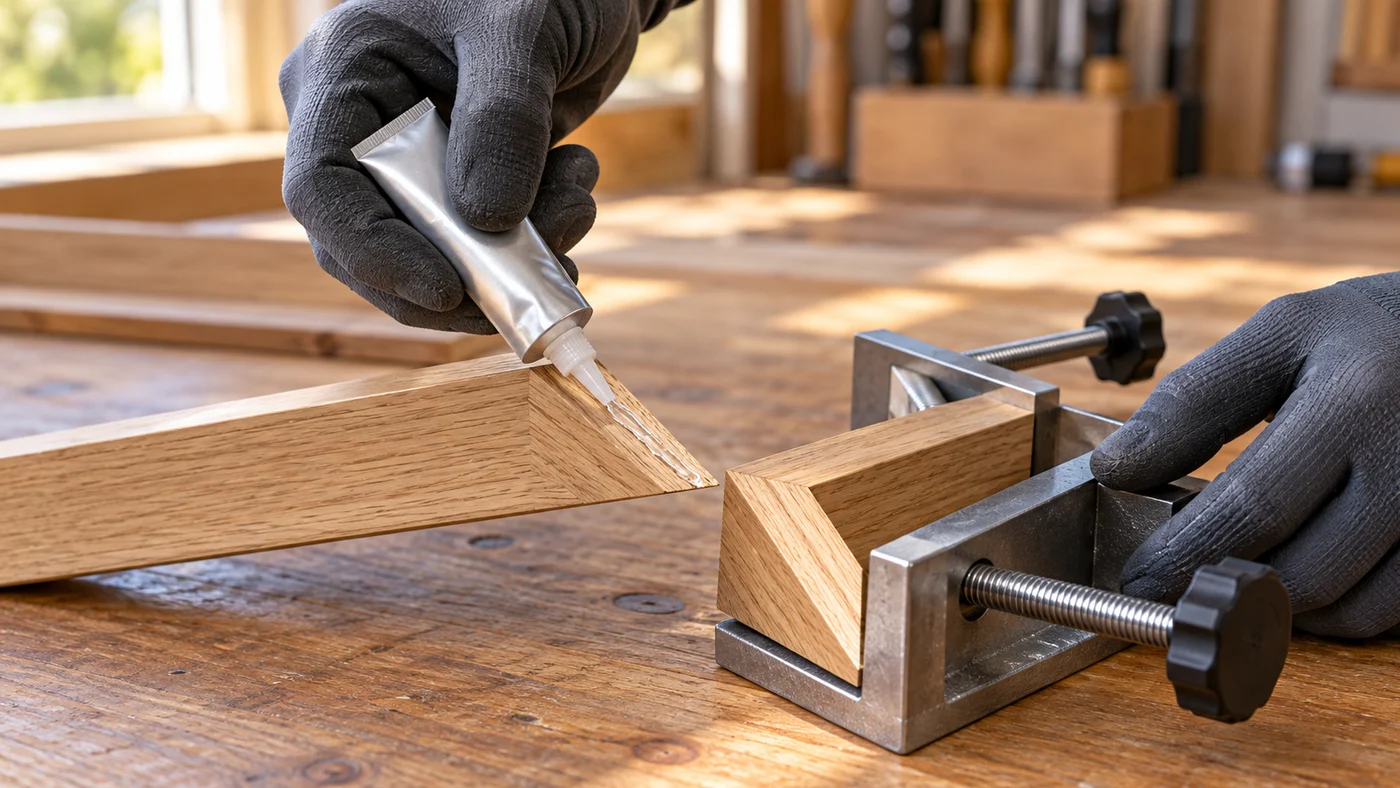
- Porous and end grain: wood, cork, some ceramics and paper-faced boards absorb liquid glue; gel stays in the joint.
- Vertical and overhead work: repairs on furniture, frames and fixtures where a liquid would drip.
- Small gaps: chipped edges and slightly uneven breaks where the parts do not meet perfectly.
- Limits: instant glue is rigid; it is not for flexing rubber, straps or soft plastics such as PE and PP without a primer. See plastic bonding adhesives and rubber bonding adhesives.
- Accelerators: customers who want gel to set faster on large beads can use an activator spray. See CA glue accelerator.
Water Resistance Claims, QC and Shipping
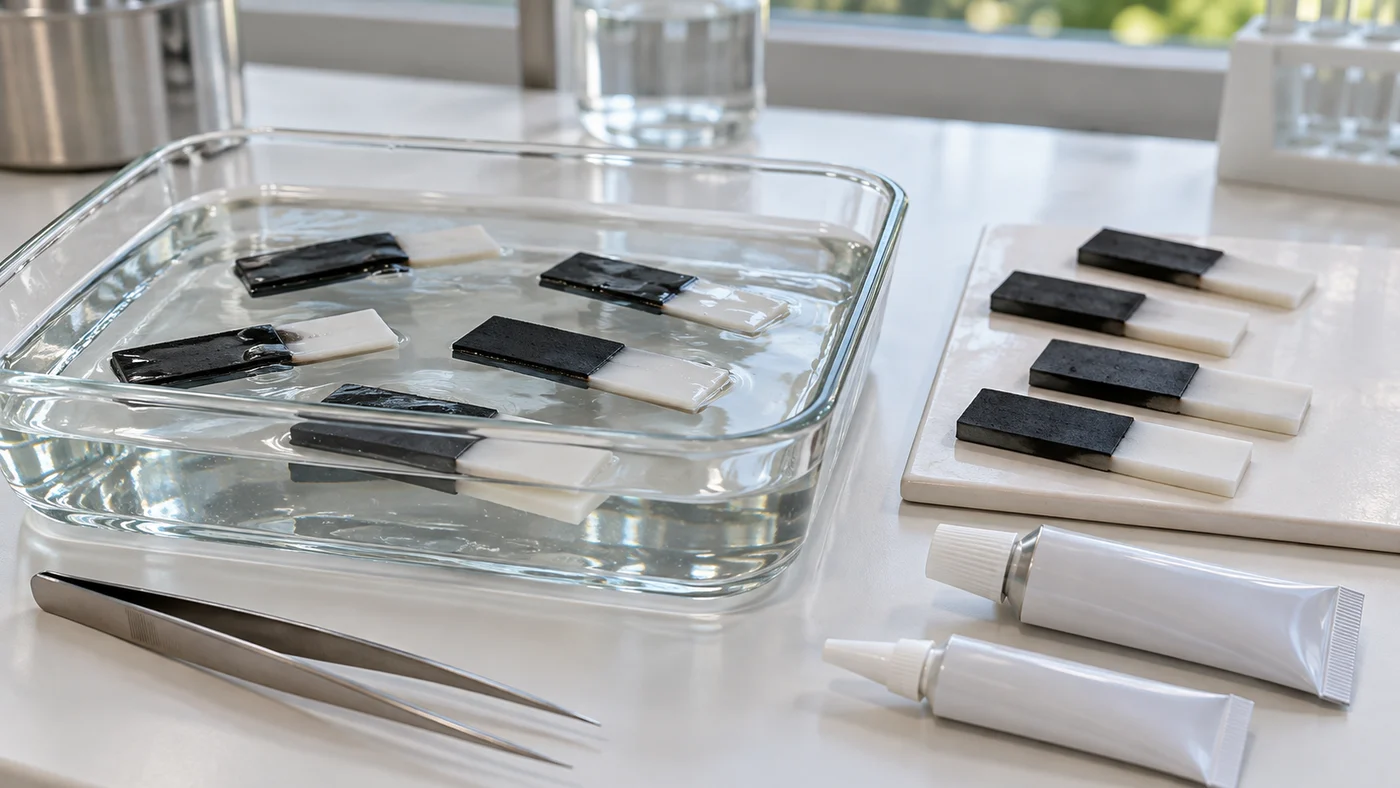
- “Waterproof” claims: agree the test (soak time, water temperature, materials) before the claim goes on the card, and keep the result on file. Many standard grades lose strength after long soaking or hot water.
- Incoming checks: fill weight per tube or bottle, nozzle and cap function, viscosity feel (gel should not run, liquid should flow), and set time on a standard material. See adhesive strength testing for buyers.
- Shelf life: heat in containers and warehouses shortens cyanoacrylate shelf life; ask for storage limits and production dates. See adhesive storage and shelf life.
- SDS and transport: check SDS sections 2 and 14 and the label warnings for your market. See super glue SDS and super glue sea freight classification.
RFQ Checklist for Super Glue Gel and Liquid
- Channel and price point: hardware, DIY, convenience, stationery or private label.
- Gel, liquid or both, and the main jobs and materials your customers repair.
- Pack format: tube, card, multi-tube card or precision bottle; fill weight per unit.
- Claims you plan to print (fast set, waterproof, multi-surface) and the tests behind them.
- Label language, warning text and documents: TDS, SDS, any test report.
- Shelf life and production-date marking.
- Quantity per SKU, destination port and sample, trial and order plan.
What GlueMFG Can Support Around This Topic
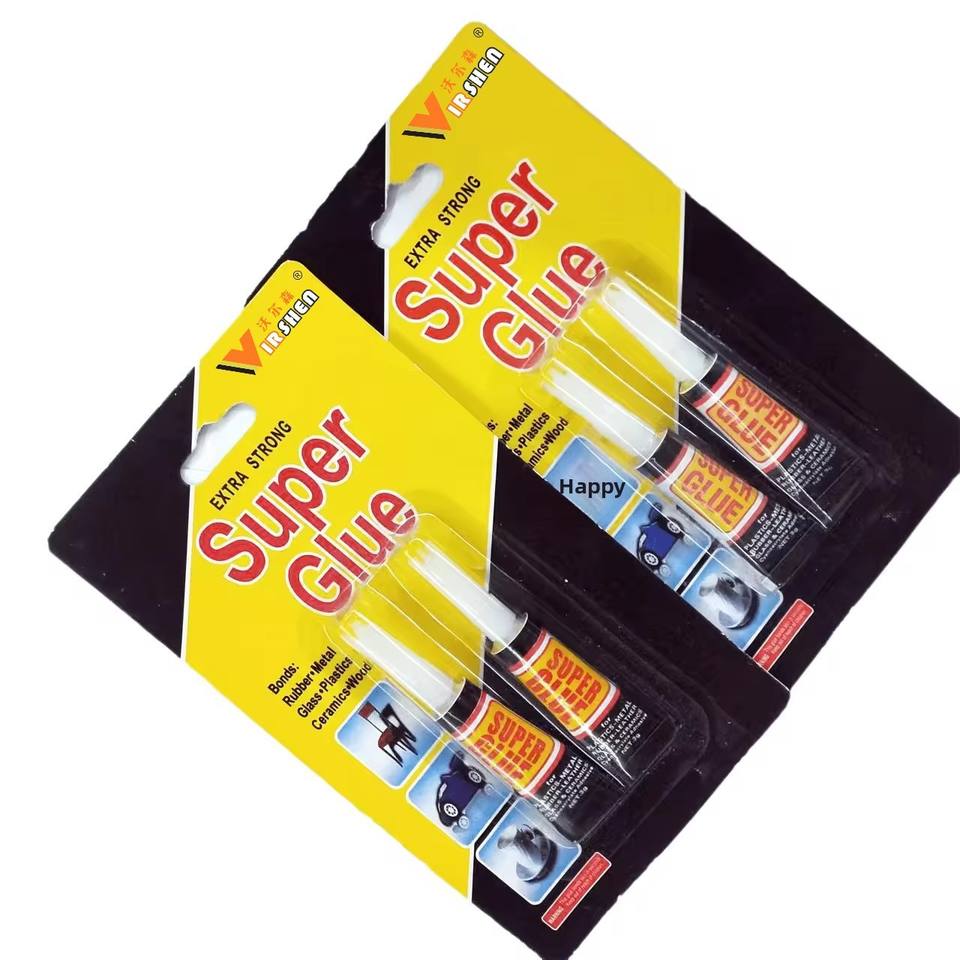
GLE-031 Instant glue cards
Listed card-packed instant glue. Gel or liquid version, fill weight and card design are confirmed by inquiry.
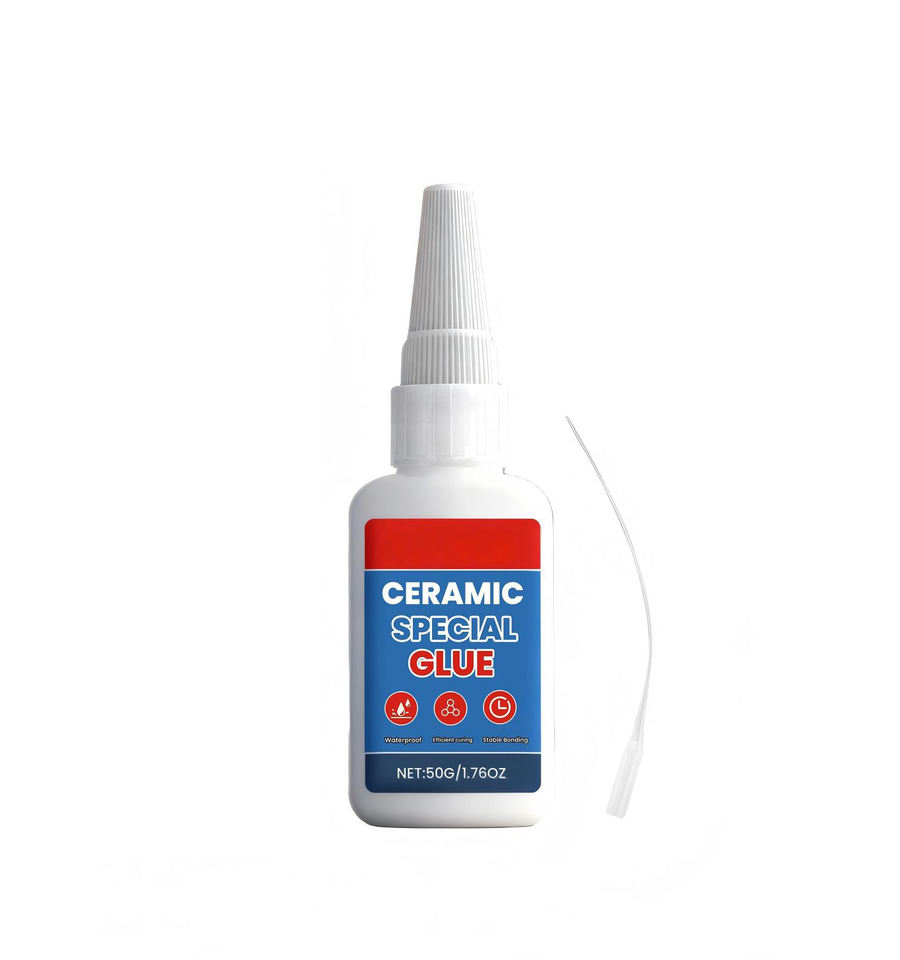
GLE-036 Instant glue
Listed instant glue for bonding different materials. Viscosity, set time and pack options are confirmed by inquiry.

GLE-069 Super glue bottles
Listed bottled super glue. Nozzle type, gel availability, SDS and MOQ are confirmed by inquiry.
Related GlueMFG Resources
- Cyanoacrylate Glue Grades for Assembly Lines
- 502 Super Glue for Importers and Distributors
- CA Glue Accelerator and Activator Sourcing
- Super Glue Bulk Packaging
- GlueMFG product catalog
FAQ
What is the difference between super glue gel and liquid super glue?
Both are cyanoacrylate instant glues. The gel is thickened so it stays where it is placed, fills small gaps better and does not run on vertical or porous surfaces; it usually sets a little more slowly. The liquid flows into tight joints and sets faster, but it can run, soak into porous materials and drip from the nozzle.
Is super glue gel stronger than liquid super glue?
Not as a rule. On a close-fitting joint the two often perform similarly; the gel tends to hold better where the fit is loose or the surface is porous because the glue stays in the joint. Strength depends on the grade and the materials, so compare results on the materials your customers bond.
Is super glue waterproof?
Standard cyanoacrylate resists brief splashes but is not a reliable waterproof adhesive: long soaking, hot water and dishwashers weaken many bonds. Some grades are formulated for better moisture resistance. Ask for test data and run a soak test on your materials before printing a waterproof claim on the pack.
Which super glue pack formats sell best in retail?
Common formats are small aluminium tubes on blister cards, multi-tube cards, small plastic bottles with precision nozzles and anti-clog caps. The right mix depends on the channel, price point and how often the end user reuses the pack. Gel is often sold in tubes or squeeze bottles; liquid in tubes and fine-tip bottles.
Which super glue products does GlueMFG list?
GlueMFG's catalog lists many instant glue cards and bottles, for example GLE-031 card packs, GLE-036 instant glue and GLE-069 bottles. Whether a gel version, a particular viscosity, a moisture-resistant grade, pack size, SDS and MOQ are available is confirmed by inquiry: send the pack format, target market, quantity and claims you plan to print.